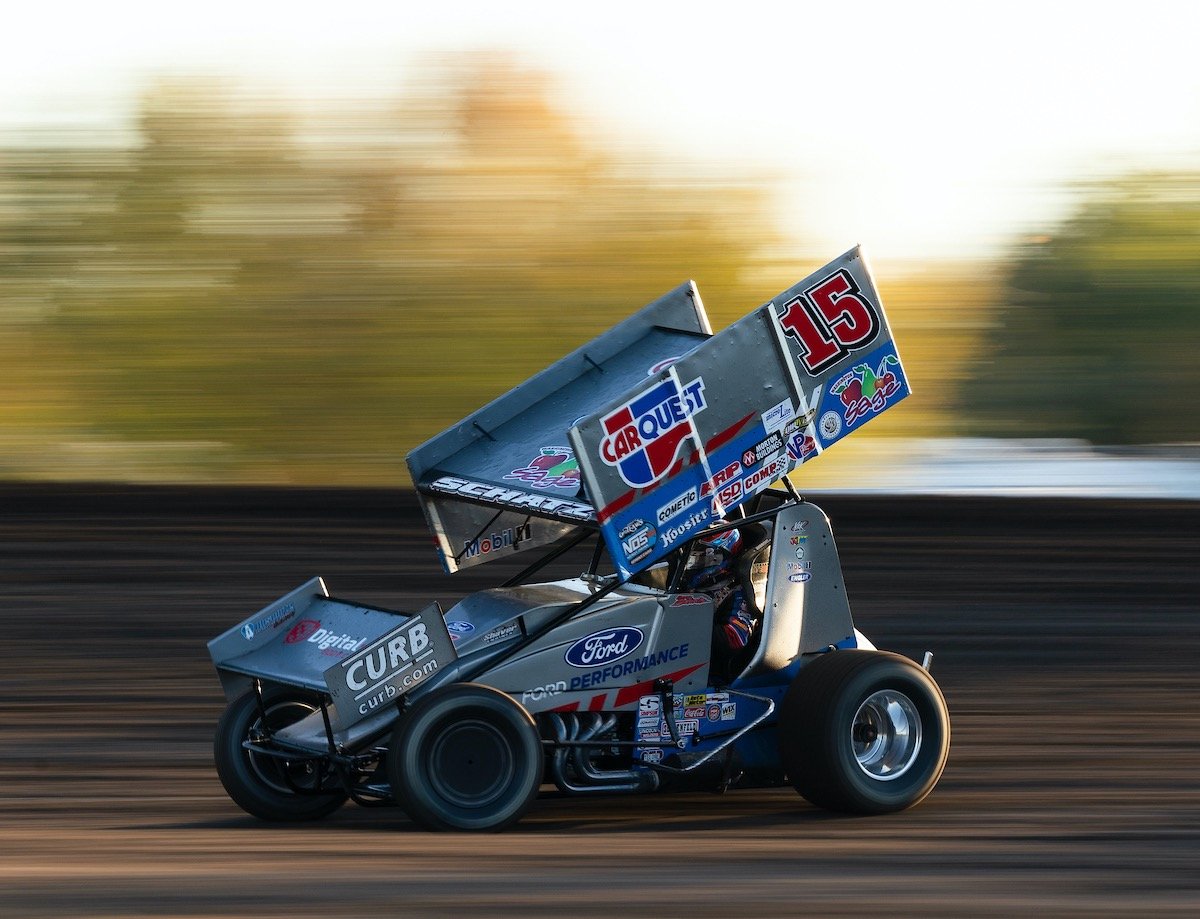
Racing cars are classified into distinct categories based on their chassis construction, engine specifications, aerodynamic profiles, and the surfaces upon which they compete. The primary classification divides vehicles into open-wheel (formula) cars, production-based grand tourers (GT), stock cars, prototypes, rally vehicles, and specialized niche machines like dragsters or drift cars.
The world of competitive motorsport is governed by a complex hierarchy of technical regulations. These rules, often dictated by sanctioning bodies like the Fédération Internationale de l'Automobile (FIA) or IMSA, ensure that competition remains fair while pushing the boundaries of mechanical engineering. As of 2026, the landscape of racing has shifted significantly toward hybridization and sustainable fuels, yet the fundamental structural categories remain the cornerstone of how we identify and group these high-performance machines.
The Foundations of Racing Car Classification
Before diving into specific series, it is essential to understand the two core philosophies that define a racing car's DNA: purpose-built versus production-derived.
Purpose-Built Racing Cars
Purpose-built cars are designed from a "clean sheet" of paper. They do not share components with road-going vehicles. Their sole existence is to lap a track as quickly as possible. This category includes Formula 1 cars, Le Mans Hypercars, and IndyCars. These vehicles prioritize weight distribution, extreme aerodynamics, and structural rigidity above all else.
Production-Derived Racing Cars
These cars start their lives as road-legal production models. Engineers then strip them of creature comforts—seats, soundproofing, and glass—and replace them with roll cages, racing suspension, and safety fuel cells. Examples include GT3 cars (like the Porsche 911 GT3 R) and Touring Cars. The degree of modification defines sub-categories: "Group N" cars might be nearly stock, while "GT3" cars are heavily modified versions of the original chassis.
Open-Wheel and Formula Racing
Open-wheel racing is often considered the pinnacle of automotive engineering. The wheels are located outside the main body of the car, and there are no fenders or wheel arches. These cars are almost exclusively single-seaters.
Formula 1 (F1)
In 2026, Formula 1 entered a transformative era with new power unit regulations. These cars now feature a nearly 50/50 power split between the internal combustion engine (ICE) and electrical energy recovery systems. F1 cars are characterized by their sophisticated aerodynamics—utilizing ground-effect floors and Active Aero—to generate massive downforce, allowing them to take corners at speeds that would be physically impossible for other vehicles.
IndyCar
While similar in appearance to F1, IndyCar uses a "spec" chassis (currently provided by Dallara) to keep costs down and ensure closer racing. The engines are high-output twin-turbo V6s. A key differentiator is the variety of tracks; IndyCars race on permanent road courses, temporary street circuits, and high-speed ovals like the Indianapolis Motor Speedway.
Formula E and Junior Formulas
- Formula E: This all-electric series utilizes Gen3 EVO and Gen4 platforms to showcase battery technology and regenerative braking in urban environments.
- Formula 2 & 3: These are the primary "feeder" series for F1. They use identical chassis and engines for all competitors, emphasizing driver skill over engineering budgets.
Sports Car and Endurance Racing
Sports car racing involves "closed-wheel" vehicles, meaning the wheels are covered by bodywork. This category is famous for endurance races like the 24 Hours of Le Mans.
Prototypes (LMH and LMDh)
The top tier of sports car racing is the Hypercar class. This includes Le Mans Hypercars (LMH), which are bespoke builds by manufacturers like Toyota and Ferrari, and Le Mans Daytona h (LMDh), which use spec chassis components paired with manufacturer-specific engines and styling. These cars are the fastest closed-wheel vehicles in the world, utilizing hybrid powertrains and advanced carbon-fiber monocoques.
Grand Tourer (GT) Racing
GT cars are based on luxury sports cars. The GT3 category is the global standard, used in the FIA World Endurance Championship, the Intercontinental GT Challenge, and the IMSA SportsCar Championship.
- GT3: Highly modified, featuring aggressive aero and roughly 500-600 horsepower.
- GT4: A more entry-level category with fewer modifications, making it popular for "Pro-Am" (professional and amateur) racing.
Stock Car Racing
Stock car racing is a uniquely American evolution of the sport, though it has international branches. Historically, these were standard cars modified for speed; today, they are purpose-built tube-frame chassis with bodies that resemble production sedans.
NASCAR Cup Series
The premier stock car series uses the Next Gen car. It features an independent rear suspension, a sequential transaxle, and center-lock wheels—technologies that brought stock cars closer to sports car engineering while maintaining the heavy, V8-powered roar they are known for. They are designed primarily for oval tracks but have become increasingly competitive on road courses.
Support Series
- Xfinity Series: Often considered the training ground for the Cup Series, using slightly different aerodynamic packages.
- Craftsman Truck Series: Modified pickup trucks that provide some of the most aggressive racing in the NASCAR hierarchy.
Rally and Off-Road Racing
Rallying takes racing away from the smooth tarmac of permanent circuits and onto gravel, snow, mud, and dirt.
World Rally Championship (WRC)
WRC cars are based on small hatchbacks but are mechanical monsters underneath. The current "Rally1" regulations utilize hybrid powertrains and space-frame chassis. These cars feature sophisticated four-wheel-drive systems and long-travel suspension capable of handling massive jumps and extreme terrain.
Rallycross
This is a hybrid of rally and circuit racing. Short, sprint-style races take place on mixed surfaces (asphalt and dirt). Rallycross cars, particularly in the top electric classes, have acceleration figures that rival F1 cars, often reaching 0-60 mph in under two seconds.
Off-Road and Desert Racing
This includes the Dakar Rally and the Baja 1000. The vehicles range from "T1" prototypes (custom-built 4x4s) to "T3" lightweight side-by-sides. These machines are built for durability over thousands of miles rather than raw lap time.
Technical Comparison of Major Racing Categories
| Category | Chassis Type | Approx. Weight | Top Speed | Power Source |
|---|---|---|---|---|
| Formula 1 | Carbon Monocoque | 798 kg | 230+ mph | 1.6L V6 Turbo Hybrid |
| IndyCar | Dallara Spec Carbon | 740 kg | 240 mph | 2.2L V6 Twin-Turbo |
| Hypercar (WEC) | Bespoke Carbon | 1,030 kg | 215 mph | Hybrid (Various ICE) |
| GT3 | Production-Based | 1,250 kg | 185 mph | V8, V10, or Flat-6 |
| NASCAR Cup | Steel Tube Frame | 1,500 kg | 200 mph | 5.8L Naturally Asp. V8 |
| WRC Rally1 | Space-frame / Steel | 1,260 kg | 125 mph | 1.6L Turbo Hybrid |
Touring Car Racing
Touring cars are modified street sedans and hatchbacks. Unlike GT cars, which use "supercars," touring car racing uses the vehicles you might see in a grocery store parking lot.
TCR (Touring Car Racing)
The TCR platform is the most successful global touring car formula. It uses front-wheel-drive cars with 2.0-liter turbocharged engines. The focus is on affordability and manufacturer parity through "Balance of Performance" (BoP) adjustments, which use weight and power limits to ensure different models (like the Honda Civic Type R and the Hyundai Elantra N) can compete equally.
BTCC and DTM
- BTCC (British Touring Car Championship): Famous for high-contact, aggressive racing and hybrid boosts.
- DTM (Deutsche Tourenwagen Masters): Though historically bespoke prototypes, DTM transitioned to a GT3-based format to ensure manufacturer sustainability, highlighting the fluidity of racing classifications.
Specialized and Niche Categories
Not all racing fits into the standard "circuit" or "rally" boxes. Several niche categories focus on specific mechanical disciplines.
Drag Racing
Governed largely by the NHRA, drag racing is a test of straight-line acceleration over 1,000 feet or a quarter-mile.
- Top Fuel Dragsters: These are the most powerful racing cars in existence, producing over 11,000 horsepower and reaching 330 mph in less than four seconds.
- Funny Cars: Similar power to Top Fuel but with a shorter wheelbase and a carbon-fiber body that mimics a production car.
Drift Cars
Drifting is a judged sport rather than a timed one. Cars (typically rear-wheel-drive imports like the Nissan Silvia or BMW M3) are modified to maintain extreme slip angles at high speeds. Classification is based on "Pro" and "Prospec" tiers, focusing on steering angle, suspension geometry, and high-torque turbocharged engines.
Karting
Karting is the foundation of almost all professional racing careers. Despite their small size, "Shifter Karts" can reach 100 mph and pull lateral G-forces that exceed many road-going sports cars. They are classified by engine size (e.g., 125cc) and driver age.
Key Safety and Technical Entities
The evolution of racing car classification is heavily influenced by safety standards. Every car, regardless of type, must adhere to strict regulations set by:
- The FIA (Federation Internationale de l'Automobile): The world governing body for most major motorsport series.
- SFI Foundation: Provides technical specifications for racing equipment, particularly in drag racing and circle track.
- IMSA (International Motor Sports Association): The primary sanctioning body for sports car racing in North America.
Common safety requirements across all classifications include the HANS (Head and Neck Support) device, fire suppression systems, and high-strength roll cages. In open-wheel racing, the Halo titanium structure is now a mandatory standard to protect the driver's head from debris and impacts.
Frequently Asked Questions
What is the difference between a GT3 and a GTE car?
As of 2026, the GTE (Grand Touring Endurance) class has been phased out of most major championships in favor of GT3. Historically, GTE cars were more expensive and lacked driver aids like ABS (Anti-lock Braking System), whereas GT3 cars were designed to be more accessible for amateur drivers while still offering high performance.
Why are Formula 1 cars faster than IndyCars on road courses?
F1 cars are lighter and have much more sophisticated aerodynamics, which generates higher downforce for faster cornering. While IndyCars may have a higher top speed on ovals (due to lower-drag aero kits), the F1 car’s ability to brake later and carry more speed through turns makes it significantly faster on a traditional race track.
Can any car be turned into a racing car?
Theoretically, yes, but for sanctioned competition, a car must undergo "homologation." This is the process where a manufacturer proves that a certain number of road-going units have been produced, and the racing version meets the safety and technical dimensions required by the series' rulebook.
What is "Balance of Performance" (BoP)?
BoP is a regulatory tool used in GT and Touring Car racing to ensure different car designs can compete fairly. If one model (e.g., a mid-engine Ferrari) is significantly faster than another (e.g., a front-engine Aston Martin), officials will add weight or restrict air intake to the faster car to level the playing field.
Are electric racing cars categorized differently?
Currently, yes. Most electric racing occurs in dedicated series like Formula E or Extreme E. However, we are seeing increasing "hybridization" where traditional categories (like F1, WEC, and WRC) integrate electric motors into their internal combustion powertrains, blurring the lines between traditional and electric classifications.
Practical Recommendation for Enthusiasts
For those looking to enter the world of motorsport, the best path is to start with Karting or Spec Racing (such as Spec Miata). These categories provide a controlled environment where the technical classifications are simple, and the emphasis is placed on developing driving fundamentals. Before purchasing or building a car, always consult the official "Rulebook" or "Technical Regulations" of your local sanctioning body to ensure the vehicle meets the specific class requirements for weight, safety, and displacement.