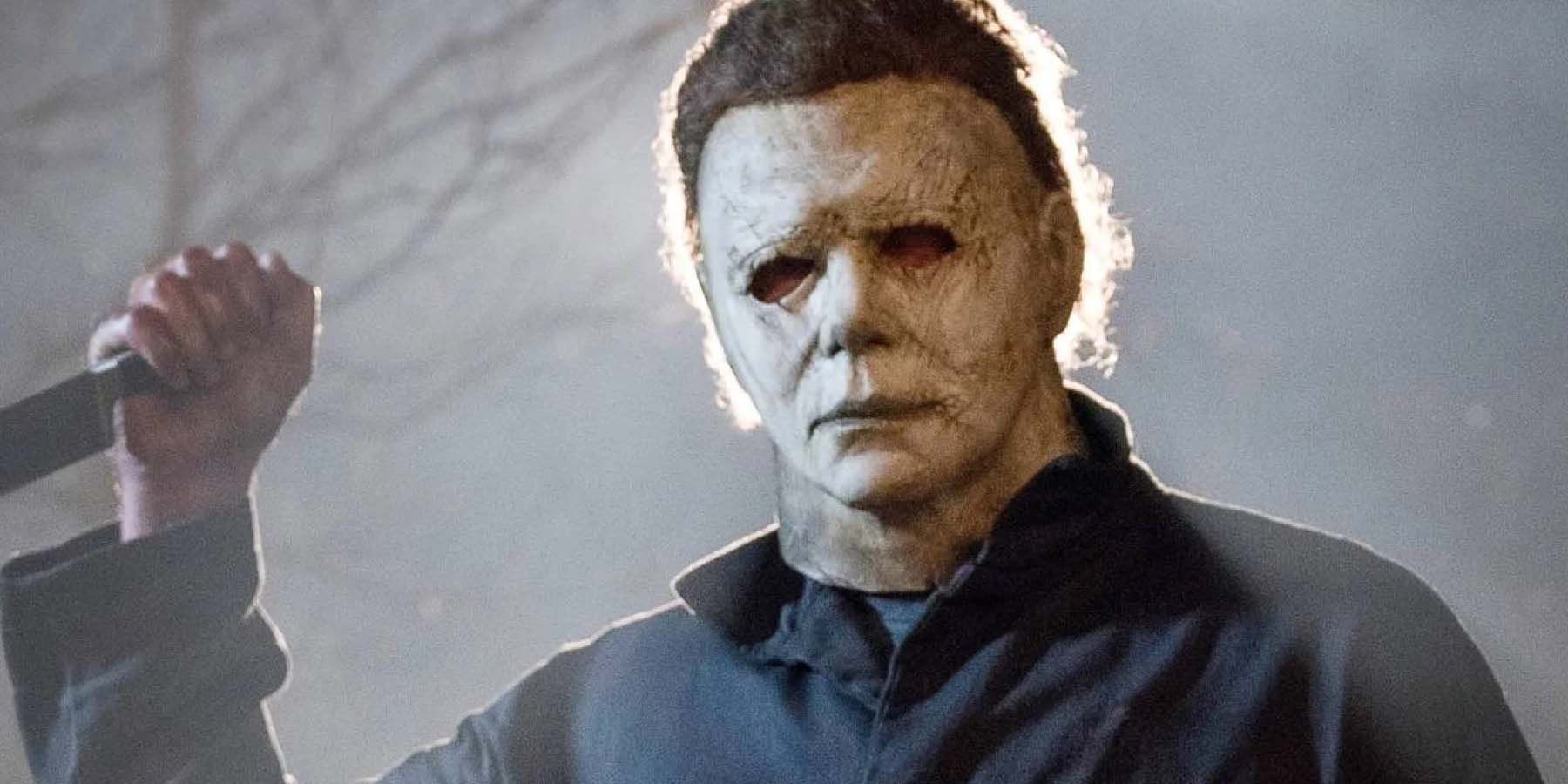
To watch every Michael Myers movie in order, you must choose between the Release Date Order (all 13 films from 1978 to 2022) or one of the five distinct timelines: the Original Cult of Thorn path, the H20 legacy path, the Rob Zombie remakes, the modern Blumhouse trilogy, or the standalone anthology.
The Halloween franchise is one of the most enduring and, paradoxically, most confusing sagas in horror cinema history. Unlike the Friday the 13th or A Nightmare on Elm Street series, which largely follow a linear (if messy) progression, the Halloween series has been rebooted, retconned, and reimagined multiple times. As of 2026, looking back at nearly half a century of Haddonfield’s favorite boogeyman, navigating the various continuities requires more than just a list of titles; it requires a roadmap through the different "universes" the character inhabits.
Whether you are a newcomer preparing for a spooky season marathon or a long-time fan trying to make sense of the branching narratives, this guide provides the definitive structures for watching every Michael Myers film.
The Essential Release Date Order
Watching the films in order of their theatrical release is the most common way to experience the franchise. This method allows you to see the evolution of the Michael Myers mask, the shift in filmmaking techniques from the 1970s to the 2020s, and the way the horror genre itself changed over the decades.
- Halloween (1978)
- Halloween II (1981)
- Halloween III: Season of the Witch (1982) – Note: Michael Myers does not appear in this film.
- Halloween 4: The Return of Michael Myers (1988)
- Halloween 5: The Revenge of Michael Myers (1989)
- Halloween: The Curse of Michael Myers (1995)
- Halloween H20: 20 Years Later (1998)
- Halloween: Resurrection (2002)
- Halloween (2007)
- Halloween II (2009)
- Halloween (2018)
- Halloween Kills (2021)
- Halloween Ends (2022)
While the release order is straightforward, it can be jarring for a "complete watch" because the story resets several times. By the time you reach the seventh film, the events of the fourth, fifth, and sixth films are completely ignored. To truly understand the narrative arcs, you must look at the specific timelines.
Timeline 1: The "Cult of Thorn" Continuity (The Original Sequels)
This is the longest continuous narrative thread from the early years of the franchise. It follows the immediate aftermath of the 1978 original and eventually moves into supernatural territory to explain Michael’s immortality.
- Halloween (1978)
- Halloween II (1981)
- Halloween 4: The Return of Michael Myers (1988)
- Halloween 5: The Revenge of Michael Myers (1989)
- Halloween: The Curse of Michael Myers (1995)
In this timeline, we learn that Michael and Laurie Strode are siblings—a plot twist introduced in the 1981 sequel. After Laurie "dies" in an off-screen car accident (according to the fourth film), the focus shifts to her daughter, Jamie Lloyd. This arc concludes with a bizarre subplot involving an ancient Druid curse (the Curse of Thorn) and a mysterious cult that controls Michael's actions. It is often cited as the most "out-of-the-box" era of the franchise, featuring a young Paul Rudd in the sixth entry.
Timeline 2: The H20 / 20th Anniversary Continuity
In 1998, the producers decided to bring back Jamie Lee Curtis as Laurie Strode to celebrate the 20th anniversary of the original film. To do this, they ignored the events of films 4, 5, and 6.
- Halloween (1978)
- Halloween II (1981)
- Halloween H20: 20 Years Later (1998)
- Halloween: Resurrection (2002)
This timeline treats Laurie Strode as a woman who faked her death and moved to California to escape her brother. H20 was highly praised for its focus on Laurie’s trauma and recovery, providing a definitive ending to the rivalry. However, Halloween: Resurrection was released four years later, undoing the closure of the previous film and largely being dismissed by critics and fans alike as a low point for the series.
Timeline 3: The Blumhouse / Legacy Trilogy
As of 2026, this is considered the "modern" canon. Produced by Blumhouse and directed by David Gordon Green, this timeline took the bold step of ignoring every single sequel, including the 1981 film.
- Halloween (1978)
- Halloween (2018)
- Halloween Kills (2021)
- Halloween Ends (2022)
In this continuity, Michael and Laurie are not siblings. Michael was captured on the night of his 1978 killing spree and spent 40 years in Smith’s Grove Sanitarium. Laurie Strode is portrayed as a "final girl" who has spent her entire life preparing for Michael's inevitable escape. This trilogy focuses heavily on the themes of generational trauma and the way evil infects an entire town. Halloween Ends serves as the definitive conclusion to the Michael/Laurie saga in this specific universe.
Timeline 4: The Rob Zombie Reboots
If you want a completely different take on the character, director Rob Zombie reimagined the story in the late 2000s. These films are separate from everything else.
- Halloween (2007)
- Halloween II (2009)
Zombie’s films are known for their extreme violence, grit, and a more psychological exploration of Michael’s childhood. Unlike the "Shape" of the original films—who was an enigma of pure evil—Zombie's Michael is a product of a broken home and institutionalization. These films are polarizing but essential for a truly complete franchise watch.
Timeline 5: The Standalone Anthology
- Halloween III: Season of the Witch (1982)
After the success of the first two films, creators John Carpenter and Debra Hill wanted to turn the Halloween franchise into an anthology series where each movie told a different "Scary Story" centered around the holiday. Season of the Witch features evil masks, Celtic rituals, and androids, but no Michael Myers. The film was a commercial failure at the time because audiences expected Michael, but it has since gained a massive cult following as a standalone horror gem.
Comprehensive Comparison of All Michael Myers Films
The following table categorizes each film to help you decide which path to take for your viewing experience.
| Film Title | Release Year | Timeline | Primary Conflict |
|---|---|---|---|
| Halloween | 1978 | All (except Reboots) | Laurie Strode vs. The Shape |
| Halloween II | 1981 | Original / H20 | The sibling revelation at the hospital |
| Halloween III | 1982 | Standalone | Silver Shamrock masks vs. Humanity |
| Halloween 4 | 1988 | Original (Thorn) | Michael hunts his niece, Jamie Lloyd |
| Halloween 5 | 1989 | Original (Thorn) | The psychic bond between Jamie and Michael |
| Halloween 6 | 1995 | Original (Thorn) | The Cult of Thorn and the genetic conspiracy |
| Halloween H20 | 1998 | H20 Legacy | Laurie's 20-year trauma showdown |
| Halloween: Resurrection | 2002 | H20 Legacy | Michael Myers on a reality TV show |
| Halloween (Remake) | 2007 | Rob Zombie | Reimagined origin and Haddonfield massacre |
| Halloween II (Remake) | 2009 | Rob Zombie | Psychological aftermath and familial bond |
| Halloween (Legacy) | 2018 | Blumhouse | 40 years later: Michael returns to Laurie |
| Halloween Kills | 2021 | Blumhouse | The town of Haddonfield fights back |
| Halloween Ends | 2022 | Blumhouse | The final confrontation and the legacy of evil |
Technical Evolution and Viewing Considerations
When embarking on a complete watch, it is helpful to understand the technical shifts between these eras. The 1978 original is a masterclass in low-budget suspense and cinematography, utilizing the Panaglide camera system to create fluid, POV-heavy shots.
By the late 80s and early 90s (the Thorn era), the films moved toward a "slasher" aesthetic common in that period, with higher body counts and more explicit gore. The H20 era adopted a "Scream-inspired" meta-horror style, which was popular in the late 90s. Finally, the Blumhouse trilogy utilized modern digital cinematography and high-fidelity sound design to create a more atmospheric, gritty experience that calls back to the lighting techniques of the 1978 original.
Pro-Tip: If you are a purist, start with the Blumhouse Timeline. It is the most cohesive modern narrative and respects the spirit of John Carpenter’s original vision while ignoring the more convoluted sibling subplots of the 80s.
Common Mistakes to Avoid During Your Marathon
- Expecting Michael in Part 3: Many viewers get frustrated when they reach Halloween III: Season of the Witch. Treat it as a "side quest" or a standalone movie rather than a sequel.
- The Sibling Confusion: Remember that in the 2018-2022 trilogy, Michael and Laurie are not related. If you jump from Halloween II (1981) to Halloween (2018), you will be confused because the 2018 film specifically retcons that revelation.
- Producer's Cut vs. Theatrical Cut: For Halloween: The Curse of Michael Myers (1995), there is a famous "Producer’s Cut" that significantly changes the ending and the lore. If you can find it, it offers a much more coherent (though still strange) conclusion to the Thorn trilogy.
Frequently Asked Questions
Which Michael Myers movie should I watch first?
You should always start with the original Halloween (1978). It is the foundation for every single timeline (except the Rob Zombie remakes) and is widely considered one of the greatest horror films ever made.
Why does Michael Myers kill?
The answer varies by timeline. In the original 1978 film and the Blumhouse trilogy, he is "The Shape"—an motiveless, inexplicable force of pure evil. In the Thorn timeline (4-6), he is driven by an ancient curse. In the Rob Zombie films, his violence is attributed to childhood trauma and a psychopathic breakdown.
Is Michael Myers immortal?
In the Original Timeline, he is essentially immortal due to the Thorn curse. In the Blumhouse Timeline, he is described as a human who is "transcending" through the fear he causes, though Halloween Ends explores the limits of his physical form.
How many times has Jamie Lee Curtis played Laurie Strode?
Jamie Lee Curtis has played Laurie Strode in seven films: Halloween (1978), Halloween II (1981), Halloween H20, Halloween: Resurrection, Halloween (2018), Halloween Kills, and Halloween Ends.
Can I skip any of the movies?
If you are short on time, you can safely choose one timeline and stick to it. For example, watching just the 1978 film followed by the 2018, 2021, and 2022 sequels provides a complete and satisfying story without the need to watch the weaker entries in the franchise.
Recommendation for the Best Experience
For the most impactful "complete watch" in 2026, I recommend the Thematic Progression. Start with the 1978 original, then move immediately into the Blumhouse Trilogy (2018, Kills, Ends) to see the primary Laurie Strode story. Once finished, go back and explore the Original Timeline (2, 4, 5, 6) as a "What If?" exploration of Michael's origins. Save the Rob Zombie remakes and Halloween III for the end as stylized departures from the main Haddonfield lore.
By separating the films into their respective timelines, you avoid the fatigue of contradictory plot points and can appreciate each filmmaker's unique vision for the "Boogeyman."