As of 2026, the official Alice Cooper studio album count stands at 29. This total encompasses the initial seven albums recorded by the original Alice Cooper band (1969–1973) and the 22 subsequent studio albums released by Alice Cooper as a solo artist (1975–present). When including live albums, official compilations, and box sets, the total number of professional releases associated with the Alice Cooper name exceeds 60, reflecting a career spanning nearly six decades.
The distinction between the "band" and the "solo artist" is the most common source of confusion for fans and historians. To accurately track the Alice Cooper album count, one must understand that "Alice Cooper" began as a five-man group consisting of lead singer Vincent Furnier, guitarists Glen Buxton and Michael Bruce, bassist Dennis Dunaway, and drummer Neal Smith. After the group disbanded in 1974, Furnier legally changed his name to Alice Cooper and continued as a solo performer, maintaining the theatrical "shock rock" persona that the band had pioneered.
The Original Alice Cooper Band Era (1969–1973)
The first seven albums in the count are the foundation of the Alice Cooper legacy. During this period, the group transformed from a psychedelic experimental act discovered by Frank Zappa into the biggest rock band in the world.
- Pretties for You (1969): Released on Zappa’s Straight Records, this debut is heavily influenced by psychedelia and avant-garde arrangements. It remains a stark contrast to the hard rock sound that would follow.
- Easy Action (1970): While still experimental, this second effort began to refine the band's songwriting, though it failed to achieve significant commercial success at the time of release.
- Love It to Death (1971): This was the breakthrough. With producer Bob Ezrin on board, the band found their signature sound. It featured the hit "I'm Eighteen" and established the darker, more aggressive aesthetic.
- Killer (1971): Widely considered one of the greatest hard rock albums of all time, Killer solidified the band’s status with tracks like "Under My Wheels" and "Halo of Flies."
- School's Out (1972): The title track became an anthem for generations. The album reached number 2 on the US Billboard 200 and showcased the band's ability to blend theatricality with chart-topping hooks.
- Billion Dollar Babies (1973): This album represents the commercial peak of the original band. It reached number 1 in both the US and the UK, featuring hits like "No More Mr. Nice Guy" and "Elected."
- Muscle of Love (1973): The final album recorded by the original quintet. While successful, internal tensions led to the group’s dissolution shortly after its release and subsequent tour.
The Early Solo Years and the Concept Masterpieces (1975–1978)
Following the band's split, Alice Cooper (the individual) embarked on a solo career that leaned even more heavily into theatrical concept albums. This era produced some of the most enduring material in the shock rock canon.
Welcome to My Nightmare (1975) served as Alice's solo debut and is frequently cited as his finest work. A conceptual journey through the nightmares of a character named Steven, it produced the hit ballad "Only Women Bleed" and established that Alice could succeed without his original bandmates.
He followed this with Alice Cooper Goes to Hell (1976), a sequel of sorts that blended disco and funk influences with rock, and Lace and Whiskey (1977), which took a hard-boiled detective theme. The era concluded with From the Inside (1978), a deeply personal concept album inspired by Alice's stay in a sanitarium for alcoholism treatment. Co-written with Bernie Taupin (Elton John’s lyricist), it is often praised for its vulnerability and storytelling.
The "Blackout" Albums and Experimental Phase (1980–1983)
The early 1980s represent a fascinating, if troubled, period in the Alice Cooper album count. These four albums are known as the "blackout" albums because Alice has stated in numerous interviews that he has little to no memory of recording them due to his substance abuse at the time.
- Flush the Fashion (1980): A pivot toward New Wave and synth-rock, featuring the hit "Clones (We're All)."
- Special Forces (1981): A more aggressive, military-themed rock sound.
- Zipper Catches Skin (1982): A stripped-down, quirky rock album focused on puns and dark humor.
- DaDa (1983): A surrealist masterpiece produced by Bob Ezrin. Though it was a commercial failure upon release, it has since become a cult favorite among hardcore fans for its complexity and atmosphere.
The Hard Rock Comeback and "Trash" Era (1986–1994)
After a three-year hiatus to focus on his sobriety and health, Alice Cooper returned with a modernized sound that fit perfectly within the burgeoning hair metal and arena rock scene of the late 80s.
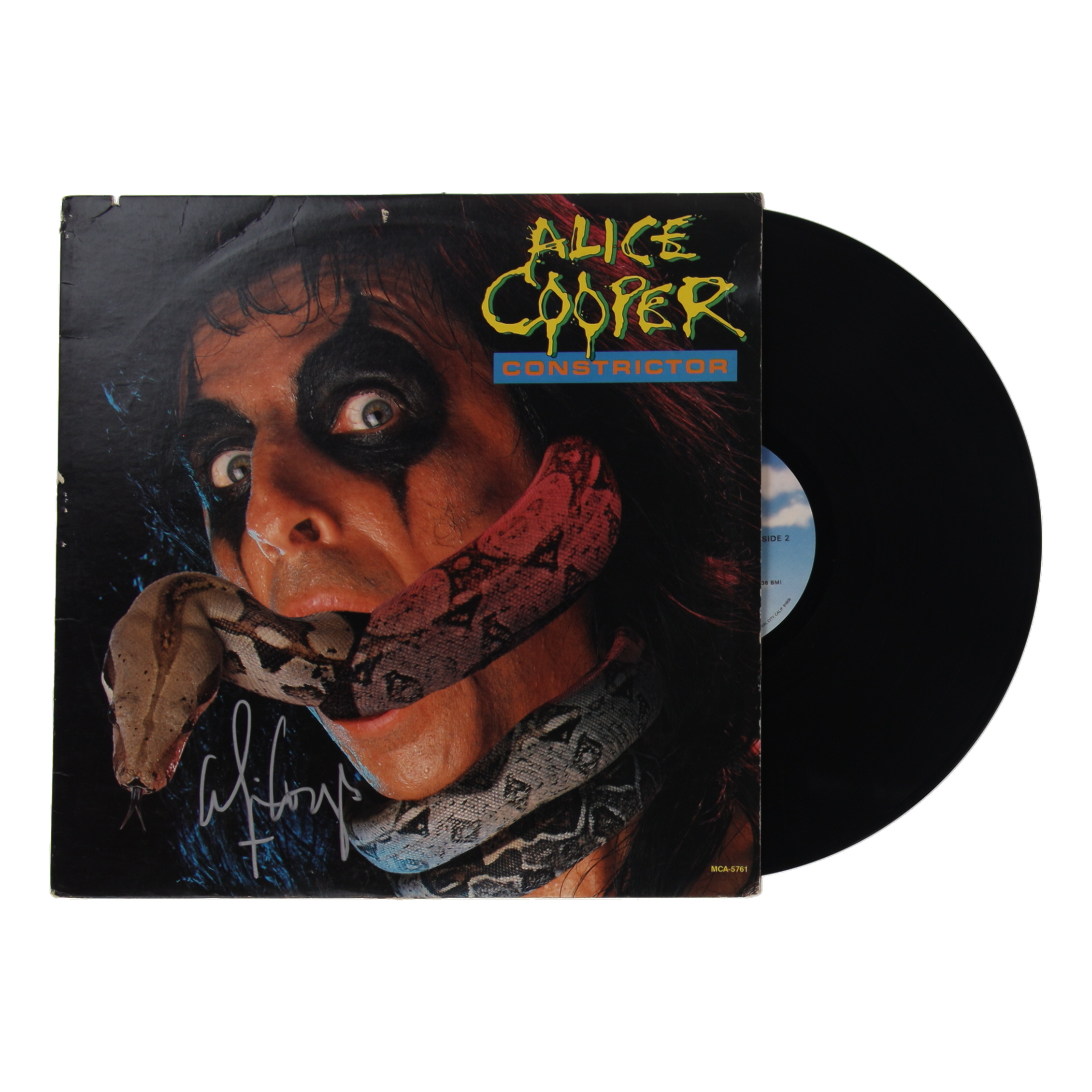
Constrictor (1986) and Raise Your Fist and Yell (1987) introduced a heavier, metal-edged sound, largely influenced by guitarist Kane Roberts. However, it was Trash (1989) that returned Alice to the top of the charts. Produced by Desmond Child, the album featured the massive hit "Poison" and numerous guest appearances from members of Aerosmith, Bon Jovi, and Motley Crüe.
Alice continued this momentum with Hey Stoopid (1991), which featured guitar icons like Slash, Joe Satriani, and Steve Vai. He closed this chapter with The Last Temptation (1994), a return to the "Steven" character and a conceptual exploration of faith and temptation, accompanied by a comic book written by Neil Gaiman.
Industrial Influence and the Modern Era (2000–2026)
As the music industry shifted, so did Alice Cooper. The 21st century has seen him remain incredibly prolific, often releasing a new studio album every two to three years.
In the early 2000s, Alice experimented with industrial metal on Brutal Planet (2000) and Dragontown (2001). These albums are among his heaviest, dealing with themes of societal decay and hellish dystopias. He then returned to his garage rock roots with The Eyes of Alice Cooper (2003) and Dirty Diamonds (2005), which focused on a rawer, live-in-the-studio feel.
The later years of his career have been characterized by a mix of conceptual depth and celebrations of his musical heritage. Along Came a Spider (2008) followed a fictional serial killer, while Welcome 2 My Nightmare (2011) served as a long-awaited sequel to his 1975 classic. His recent works, including Paranormal (2017), Detroit Stories (2021), and Road (2023), have seen him reuniting with surviving members of the original band for select tracks and celebrating the high-energy rock of his hometown, Detroit.
Breakdown of Alice Cooper Studio Albums
The following table categorizes the 29 studio albums to provide a clear view of the discography's progression across different eras.
| Era | Album Title | Year of Release | Key Personnel / Focus |
|---|---|---|---|
| The Band Era | Pretties for You | 1969 | Original Group / Psychedelic |
| Easy Action | 1970 | Original Group / Experimental | |
| Love It to Death | 1971 | Breakthrough / Bob Ezrin | |
| Killer | 1971 | Classic Hard Rock | |
| School's Out | 1972 | Chart Success / Theatrical | |
| Billion Dollar Babies | 1973 | #1 Album / High Glamour | |
| Muscle of Love | 1973 | Final Band Album | |
| Early Solo | Welcome to My Nightmare | 1975 | Solo Debut / Concept |
| Alice Cooper Goes to Hell | 1976 | Concept / Variety | |
| Lace and Whiskey | 1977 | Film Noir Theme | |
| From the Inside | 1978 | Sanitarium Concept / Bernie Taupin | |
| The Blackout Years | Flush the Fashion | 1980 | New Wave / Punk |
| Special Forces | 1981 | Post-Punk / Military | |
| Zipper Catches Skin | 1982 | Offbeat Rock | |
| DaDa | 1983 | Experimental / Avant-Garde | |
| Hard Rock/Metal | Constrictor | 1986 | Return to Stage / Heavy Metal |
| Raise Your Fist and Yell | 1987 | Slasher Film Aesthetic | |
| Trash | 1989 | Multi-Platinum / Pop-Metal | |
| Hey Stoopid | 1991 | Guest Stars / Arena Rock | |
| The Last Temptation | 1994 | Concept / Neil Gaiman | |
| Industrial/Raw Rock | Brutal Planet | 2000 | Industrial Metal / Dark Themes |
| Dragontown | 2001 | Industrial / Sequel | |
| The Eyes of Alice Cooper | 2003 | Garage Rock | |
| Dirty Diamonds | 2005 | Classic Rock Style | |
| The Modern Era | Along Came a Spider | 2008 | Concept / Serial Killer |
| Welcome 2 My Nightmare | 2011 | Concept / Sequel | |
| Paranormal | 2017 | Classic Rock / Guest Spots | |
| Detroit Stories | 2021 | Roots / Tribute to Detroit | |
| Road | 2023 | Live Band Energy |
Understanding Live Albums and Compilations
While the 29 studio albums form the core of the Alice Cooper album count, his live releases and compilations are essential for a complete understanding of his impact.
Live Albums
Alice Cooper is primarily known for his live performances, making his live albums highly significant. Key releases include:
- The Alice Cooper Show (1977): Recorded during the King of the Shock Rock era, capturing the high-budget theatricality of the late 70s.
- A Fistful of Alice (1997): Recorded at Sammy Hagar's Cabo Wabo Cantina, featuring guest appearances by Slash and Rob Zombie.
- Live at the Apollo Theatre Glasgow 1982: A late release that provides a rare look at the Special Forces tour era.
There are also numerous "Official Bootleg" releases and live recordings included in deluxe editions of studio albums that fans often include in a broader count.
Compilations and Box Sets
The Alice Cooper "Greatest Hits" albums have served as the entry point for millions of fans.
- Greatest Hits (1974): The only compilation released by the original band, covering the 1971–1973 peak.
- The Life and Crimes of Alice Cooper (1999): A definitive four-CD box set that includes rare tracks, B-sides, and a comprehensive overview of his career up to that point.
- Masque of Infamy and Classicks: Various collections focusing on the Epic Records era (1989–1994).
Frequently Asked Questions
Why is there confusion over the total Alice Cooper album count?
The confusion stems from the name "Alice Cooper" referring to both the original five-member band and the lead singer’s solo career. Some lists only count solo albums (22), while others include the band's work (7), leading to the total of 29. Furthermore, budget compilations and unofficial live recordings often clutter discography lists, making the official studio count harder to distinguish.
What is the best-selling Alice Cooper album?
Technically, Trash (1989) is his most commercially successful solo album, fueled by the international hit "Poison." However, the original band's Billion Dollar Babies (1973) is often cited as his most influential and reached the number one spot on both the US and UK charts, a feat he has not repeated with a studio album since.
Has Alice Cooper released any new music recently (by 2026)?
As of early 2026, Alice Cooper continues to be an active recording artist. His 29th studio album, Road, was released in late 2023. While rumors of a 30th album—potentially another collaboration with the surviving members of the original band or a new conceptual work—have circulated, the official studio count remains at 29 until a new release is physically or digitally available.
Which album is considered the "best" for new fans?
Most critics and fans recommend starting with either Billion Dollar Babies (1973) for the band era or Welcome to My Nightmare (1975) for the solo era. For those who prefer a more modern sound, Trash (1989) or Detroit Stories (2021) provide excellent entry points that bridge the gap between his classic shock rock style and contemporary production.
How many albums did the original Alice Cooper band make?
The original quintet recorded seven studio albums: Pretties for You, Easy Action, Love It to Death, Killer, School's Out, Billion Dollar Babies, and Muscle of Love.
Verifying Your Collection
For collectors looking to verify their own Alice Cooper album count, it is important to distinguish between official studio releases and various "grey market" live albums or unauthorized budget compilations. To maintain an accurate count, focus on the 29 studio albums listed above. If you are a completionist, you may also want to track down the numerous 7-inch singles that feature non-album B-sides, such as "For Britain Only" or "I Got a Line on You."
Alice Cooper’s enduring career is a testament to his ability to reinvent himself while remaining true to the character he created in the late 1960s. Whether he is exploring New Wave, Industrial Metal, or Classic Hard Rock, the "Alice Cooper album count" continues to grow, cementing his place as a permanent fixture in the pantheon of rock and roll legends.