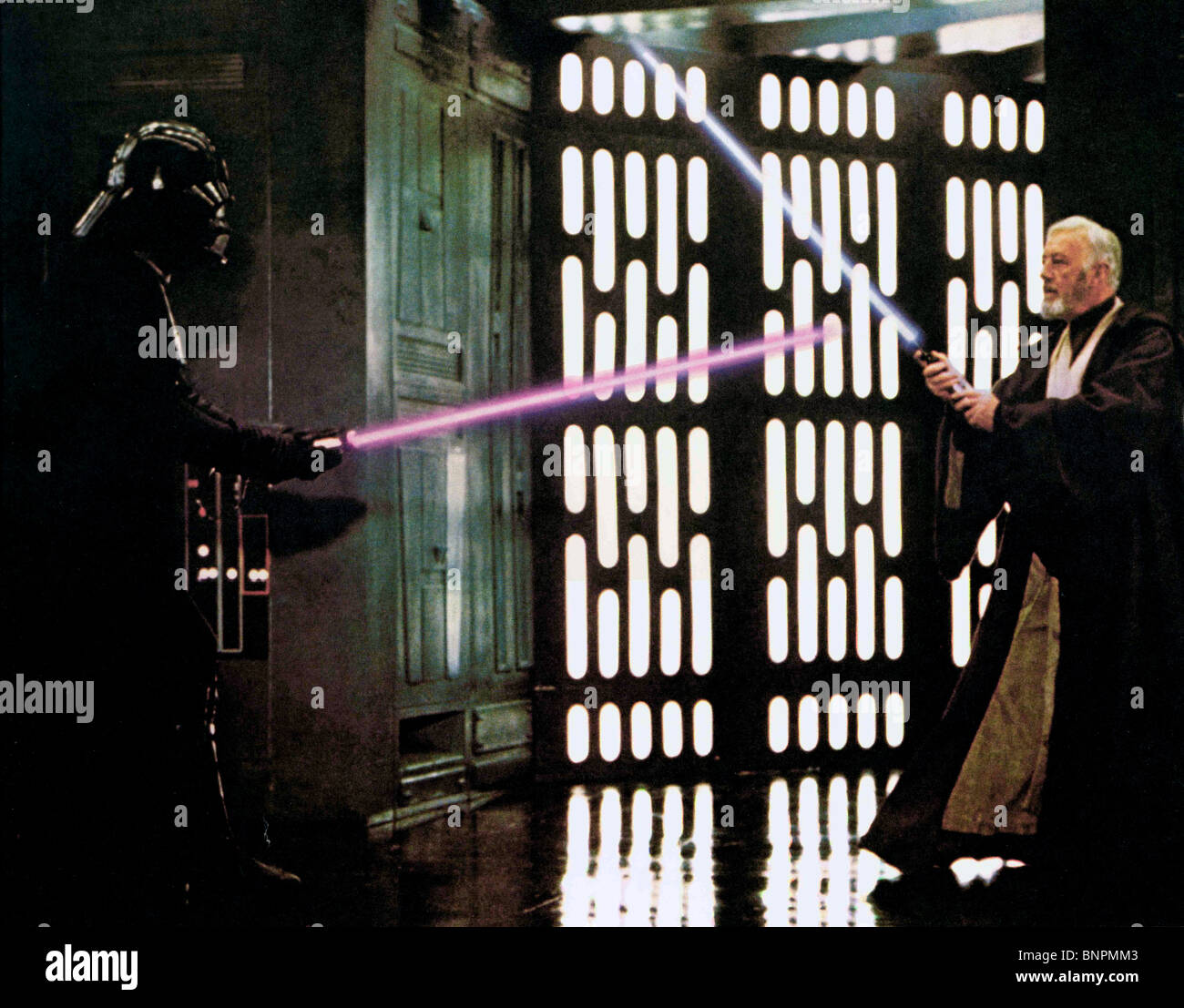
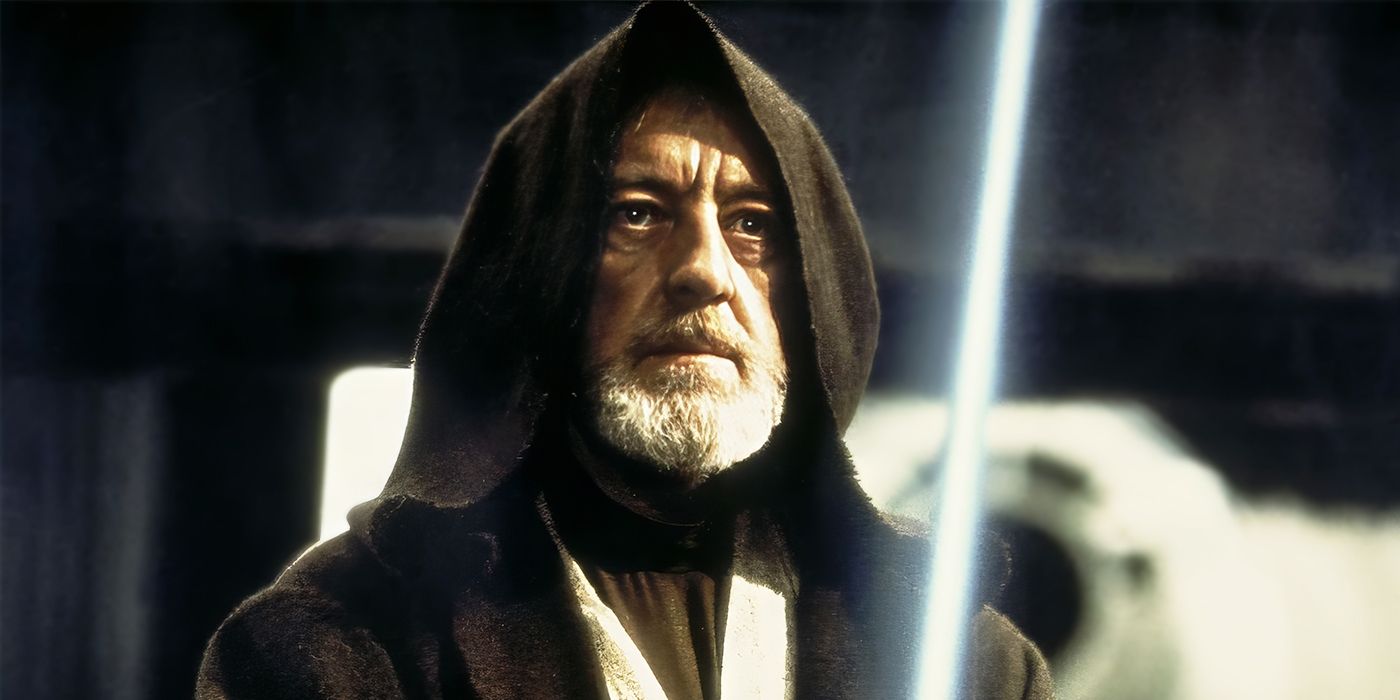
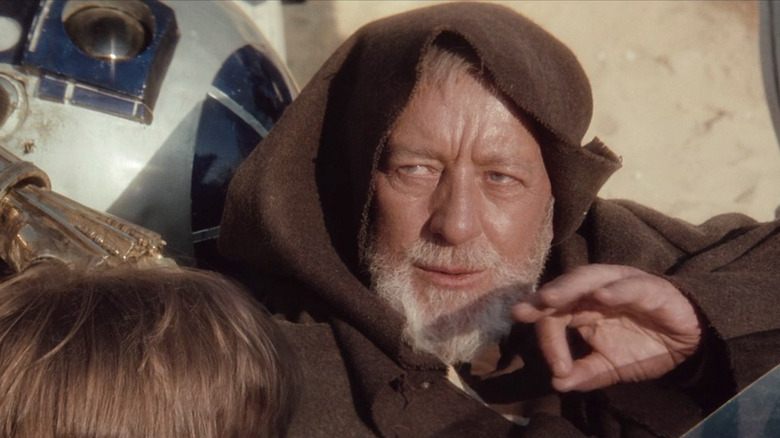
Sir Alec Guinness negotiated a legendary 2.25% share of the gross royalties for Star Wars: A New Hope. While his initial salary was approximately $150,000, his astute decision to take backend points resulted in lifetime earnings exceeding $95 million. As of 2026, his estate continues to receive significant residual payments from the franchise.
The Strategic Negotiation of the 1970s
In 1976, George Lucas was a young director attempting to film a space fantasy that many in Hollywood believed would be a commercial disaster. To lend the project gravitas and attract international funding, Lucas needed a "prestige" actor. Alec Guinness, an Academy Award winner for The Bridge on the River Kwai, was the top choice for the role of Obi-Wan Kenobi. However, Guinness was famously skeptical of the script, which he described in private letters as "fairy tale rubbish."
Despite his personal misgivings about the dialogue, Guinness recognized the potential scale of the production. His negotiation strategy was not handled by a typical talent agent but was driven by a desire for financial security that matched his stature in the industry. At the time, 20th Century Fox was hesitant to invest heavily in the film, giving Lucas and his team more leverage to offer backend participation in exchange for lower upfront costs or the participation of high-level talent.
Guinness agreed to join the cast for an upfront fee of £150,000 (roughly $150,000 to $200,000 at the time), but the true genius of the deal lay in the "points." He originally negotiated for 2% of the gross royalties—money paid from the film’s total earnings before expenses are deducted. During production, Lucas was so impressed by Guinness's professionalism and his role as a mentor to the younger cast members that he granted the actor an additional 0.25%, bringing his total stake to 2.25%.
The Difference Between Gross and Net Points
To understand the magnitude of the Alec Guinness Star Wars royalties, one must understand the distinction between "Gross" and "Net" points in Hollywood accounting. Most actors are offered "Net" points, which means they receive a percentage of the profits only after the studio has deducted production costs, marketing expenses, distribution fees, and interest. Due to creative accounting, many blockbuster films technically never show a "profit" on paper, leaving net-point holders with nothing.
Guinness secured "Gross" points (specifically, "Producer’s Gross"). This meant he was paid from the very first dollar the film earned at the box office and through subsequent licensing. This protection ensured that regardless of how much 20th Century Fox spent on advertising or distribution, Guinness was guaranteed his cut. This specific contractual detail is why Guinness became one of the wealthiest actors of his generation, while other cast members who had smaller net-point deals saw significantly lower returns for decades.
Calculating the Total Earnings: 1977 to 2026
When Star Wars (later subtitled A New Hope) was released in 1977, it became a global phenomenon. Within the first year, Guinness's 2.25% share had already generated several million dollars—far exceeding his initial salary. By the time The Empire Strikes Back and Return of the Jedi were released, Guinness’s deal applied to his likeness and his character's ongoing presence, ensuring the checks continued to grow.
By the time of his death in 2000, it was estimated that Guinness had earned over $95 million from the franchise. In the decades following his passing, the value of the Star Wars brand increased exponentially, particularly after the Disney acquisition in 2012. As of 2026, the Guinness estate continues to benefit from:
- Home Media Sales: Revenue from Blu-ray, 4K Ultra HD, and digital downloads of the original trilogy.
- Streaming Rights: Residuals from Disney+, where the original films remain cornerstone content.
- Merchandising: A percentage of sales for action figures, clothing, and collectibles featuring Obi-Wan Kenobi’s likeness.
- Theme Park Royalties: Payments related to the use of his voice or likeness in attractions like Galaxy’s Edge.
The sustained income from a film shot nearly half a century ago remains one of the most successful examples of long-term asset management in the entertainment industry.
Comparison of Original Star Wars Cast Compensation
The disparity between Guinness's earnings and those of his co-stars illustrates the power of veteran leverage in contract negotiations. While Guinness was an established star, Mark Hamill, Harrison Ford, and Carrie Fisher were relatively unknown.
| Actor | Initial Salary (Approx.) | Type of Royalty Deal | Estimated Lifetime Earnings from SW |
|---|---|---|---|
| Alec Guinness | $150,000 | 2.25% Gross Points | Over $95 Million |
| Harrison Ford | $10,000 | Minimal/None (Initially) | Millions (via later renegotiations) |
| Mark Hamill | $650,000 | Small percentage of profits | Tens of millions (incl. sequels) |
| Carrie Fisher | $75,000 | 0.25% of profits | Millions (primarily later career) |
Note: Harrison Ford's initial $10,000 was for the 1977 film only; his earnings surged for sequels as he became a major star.
Guinness’s Complex Relationship with the Franchise
It is a well-documented irony of film history that Alec Guinness disliked the very project that secured his family's multi-generational wealth. He famously requested that George Lucas kill off Obi-Wan Kenobi in the first film, partly because he found the dialogue tiresome and did not want to continue repeating "mumbo-jumbo" lines about the Force.
In his personal diaries, Guinness often expressed frustration with the fame Star Wars brought him. He once recounted an anecdote where he told a young fan to never watch the movie again because the child had seen it over a hundred times. Guinness feared that his legacy as a serious Shakespearean and dramatic actor would be eclipsed by a "wizard in a space suit."
However, his professional conduct remained impeccable. He was known on set for his punctuality and for helping the younger actors navigate the difficult production. It was this professionalism that led Lucas to voluntarily increase Guinness's royalty percentage. Even though he groaned at the script, he performed the role with a dignity that many believe was the "secret sauce" that made audiences take the film's mythology seriously.
Impact on Modern Hollywood Contracts
The Alec Guinness deal changed how talent agents approached blockbuster franchises. Before Star Wars, backend deals were reserved for only a handful of stars like Jimmy Stewart or Cary Grant. After Guinness’s massive windfall became public knowledge, every major actor sought "the Guinness deal."
This shift forced studios to become much more restrictive with gross points. In 2026, it is almost impossible for an actor to secure a percentage of the "First Dollar Gross" unless they are a superstar of the highest magnitude (such as Tom Cruise or Robert Downey Jr. during his Marvel tenure). Most modern contracts use a "Cash Break" system, where royalties only kick in after the studio has recouped all production and marketing costs. Guinness’s contract remains a relic of a time when studios were desperate and under-informed about the potential of merchandising and home video.
The Guinness Estate and the Future of the Royalties
Following the death of Sir Alec Guinness in August 2000, followed by his wife Merula Salaman in October 2000, his estate passed to his son, Matthew Guinness. The legal structure of his royalty agreement ensures that as long as Star Wars is commercially exploited—whether through new technology or existing platforms—the estate receives its 2.25% share of the original film's participation.
With the advent of AI and digital likenesses in the 2020s, the estate has had to navigate new legal waters. Obi-Wan Kenobi’s appearance in various Disney+ series and digital recreations involves complex negotiations regarding the use of Guinness’s likeness. Because his original contract was so robust, the estate holds significant power in how his image is used, ensuring that the Guinness name remains synonymous with high-value intellectual property.
Frequently Asked Questions
Did Alec Guinness really hate Star Wars?
He did not "hate" the film in a total sense, but he was highly critical of the writing. He appreciated the technical achievement and the professionalism of George Lucas, but he found the dialogue "banal" and was frustrated that it overshadowed his more prestigious work in films like Kind Hearts and Coronets.
How much does the Alec Guinness estate make every year?
While exact annual figures are private, industry analysts estimate the estate earns between $1 million and $3 million annually as of 2026. This fluctuates based on new releases, anniversaries of the original film, and new merchandising cycles launched by Disney.
Was the 2.25% royalty for all Star Wars movies?
No, the 2.25% gross royalty deal was specifically for the 1977 film A New Hope. However, because that film is the foundation of the franchise and his likeness is used across the brand, the residuals from that single contract remain his primary source of Star Wars wealth. He received separate, standard salaries and different royalty structures for his brief appearances in The Empire Strikes Back and Return of the Jedi.
Who currently receives the royalty payments?
The payments are managed by the executors of the Guinness estate, primarily benefiting his heirs and potentially various charitable trusts established in his name. The Guinness family has remained very private regarding the specific distribution of these funds.
Did George Lucas regret giving Guinness such a large share?
There is no evidence that Lucas regretted the deal. Lucas has frequently stated that Guinness was essential to the film's success. Furthermore, Lucas himself became a multi-billionaire from the franchise, making Guinness's multi-million dollar cut a relatively small price to pay for the "anchor" that helped launch the entire empire.
Practical Recommendation for Researchers and Fans
For those studying film history or entertainment law, the Alec Guinness contract serves as the gold standard for "backend participation." If you are looking to verify these figures, the most reliable sources remain the authorized biographies of Alec Guinness (such as those by Piers Paul Read) and historical accounts of Lucasfilm's early years (like The Making of Star Wars by J.W. Rinzler).
The enduring lesson of the Guinness royalties is the importance of Gross vs. Net. In any contractual negotiation involving intellectual property, the definition of "profit" is often more important than the percentage offered. Aspiring creators should aim for "Defined Gross" to avoid the pitfalls of studio accounting that Guinness so masterfully bypassed in 1976.