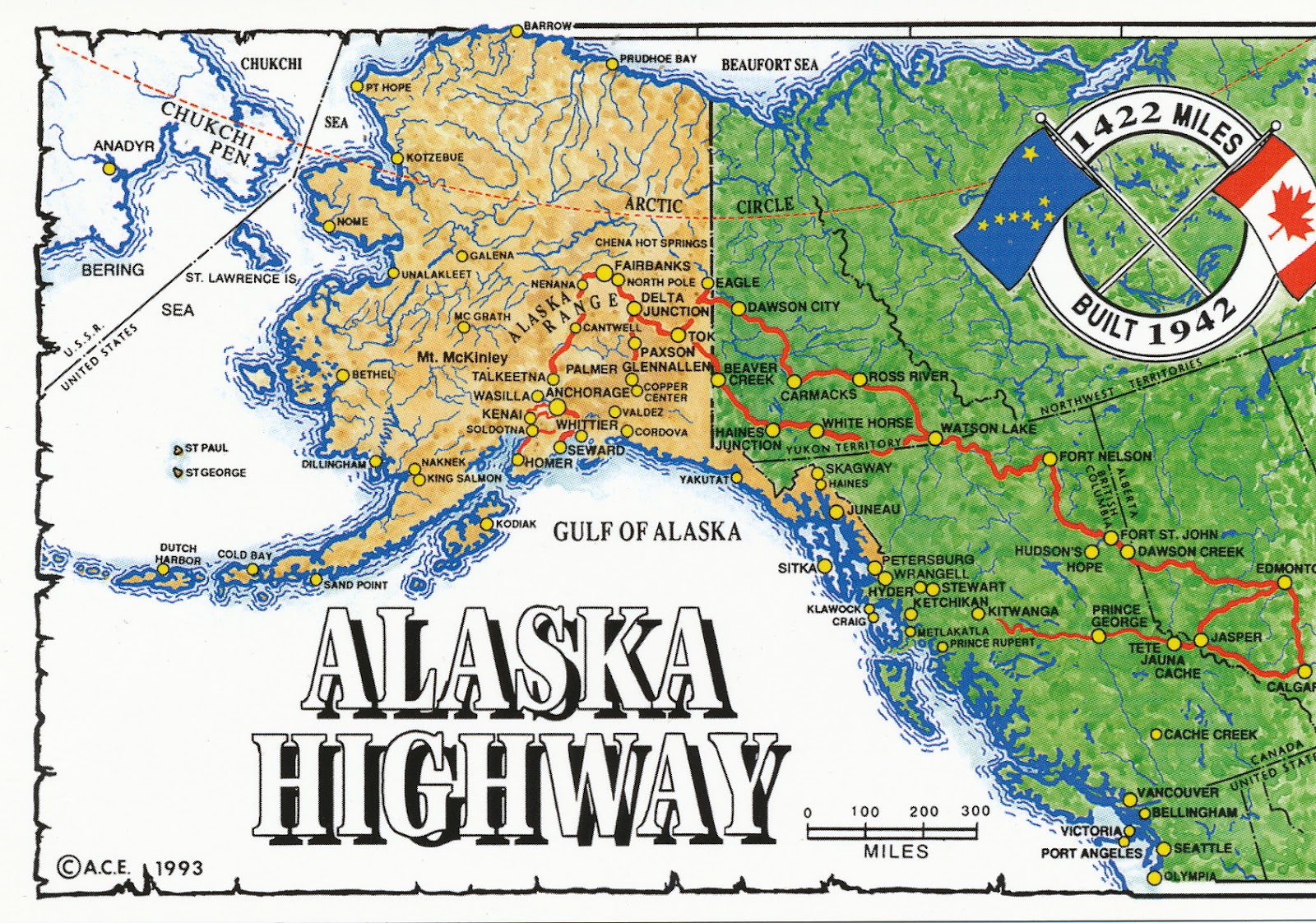
Choosing the right flight route using the Alaska Airlines destinations map involves balancing hub connectivity, nonstop options, seasonal availability, and partner network reach to ensure an efficient and seamless travel experience. By understanding how to read route networks, evaluating nonstop versus connecting flights, and leveraging mileage partnerships, travelers can optimize both their time and travel budget for any domestic or international itinerary.
Introduction to the Alaska Airlines Route Network
Understanding how to navigate flight networks begins with knowing how carriers structure their operations. Alaska Airlines operates primarily on a hub-and-spoke model, augmented by focus cities and an extensive alliance network. Unlike point-to-point low-cost carriers, a hub-and-spoke system routes traffic through major operational centers—often referred to as hubs—allowing airlines to connect smaller regional airports to major metropolitan areas globally. For passengers, this means that while a direct, nonstop flight is often available between major cities, secondary markets require a connection at a primary hub.
The carrier's primary hub is Seattle-Tacoma International Airport (SEA), complemented by significant operational bases at Portland International Airport (PDX), Ted Stevens Anchorage International Airport (ANC), San Francisco International Airport (SFO), Los Angeles International Airport (LAX), San Diego International Airport (SAN), and Mineta San Jose International Airport (SJC). When reviewing the Alaska Airlines destinations map, recognizing these hubs is the first step in plotting an efficient course. Routes radiating from these airports dictate the frequency, aircraft type, and scheduling options available for any given itinerary.
Furthermore, Alaska Airlines is a member of the oneworld alliance, a global network that dramatically extends the utility of its route map. While the airline's own metal flies extensively across the United States, Canada, Mexico, Costa Rica, and select destinations in Central America and the Caribbean, the alliance partnership bridges the gap to Europe, Asia, South America, and the Middle East. Learning to interpret the official route map requires looking past the carrier's own painted aircraft to see the broader web of codeshare and alliance possibilities.
Reading and Interpreting the Interactive Destinations Map
The digital route map provided by carriers has evolved far beyond static paper charts. Modern interactive tools allow users to filter paths based on specific criteria, yet interpreting the visual data requires an analytical approach. When opening the interactive map on the official Alaska Airlines website or mobile platform, users are typically presented with a global or continental view populated by destination pins or highlighted flight lines.
To make the most of this tool, travelers must master the filtering mechanisms. Standard filters typically include:
- Departure Airport: Setting a specific origin point dynamically updates the map to show only reachable destinations.
- Flight Type: Toggling between nonstop-only and connecting flights immediately separates direct travel from multi-leg journeys.
- Regional Focus: Zooming or selecting specific geographic areas (such as the Hawaiian Islands, Transcontinental, or Mexico and Central America) helps isolate regional scheduling density.
- Seasonal Availability: Many leisure routes, particularly to mountain destinations or tropical resorts, operate on a seasonal schedule. Checking the operational months prevents planning around a route that goes dark outside peak travel windows.
A common pitfall when reading the map is confusing a seasonal route with a year-round trunk route. For instance, a flight connecting a Pacific Northwest hub to a specialized vacation spot might operate only during summer peaks or winter ski seasons. Always cross-reference the visual pin on the map with the flight schedule availability calendar to confirm that the aircraft operates on your desired dates of travel.
Balancing Nonstop Efficiency Versus Connecting Itineraries
One of the most consequential decisions when choosing a route is determining whether to book a nonstop flight or a connecting itinerary. Each option carries distinct operational, financial, and logistical trade-offs that impact the overall travel experience.
Nonstop routes represent the gold standard for efficiency. By eliminating intermediate takeoffs and landings, travelers minimize the total travel time and drastically reduce the risk of missed connections, luggage mishandling, and weather delays at intermediate airports. On the Alaska Airlines network, transcontinental flights linking Seattle or Portland to major East Coast destinations—such as New York (JFK/EWR), Boston (BOS), or Washington, D.C. (IAD/DCA)—offer high-frequency nonstop service.
However, nonstop routes often come with a pricing premium. Airlines frequently price direct flights higher because of consumer preference and operational demand. Conversely, connecting itineraries—routing, for example, from Spokane (GEG) through Seattle (SEA) to Chicago (ORD)—can occasionally yield lower base fares, though they introduce variables:
| Route Metric | Nonstop Itineraries | Connecting Itineraries |
|---|---|---|
| Total Travel Time | Minimized; direct path from origin to destination. | Extended by layover duration and indirect routing. |
| Delay Risk | Lower; independent of intermediate airport congestion. | Higher; missed connections due to weather or air traffic control. |
| Luggage Handling | Direct transfer; single point of check-in and claim. | Higher exposure to mishandling during tarmac transfers. |
| Fare Pricing | Often commands a premium due to high demand. | Frequently competitive or lower to incentivize multi-leg travel. |
| Schedule Flexibility | Limited by fewer daily frequencies on specific city pairs. | Enhanced by multiple connection permutations through hubs. |
When evaluating a connecting route, pay close attention to the minimum connection time (MCT) at the hub airport. While the booking engine will not sell an illegal connection, tight layovers at bustling hubs like Seattle or San Francisco leave little margin for error if your inbound flight experiences an unexpected departure delay.
Leveraging the oneworld Alliance and Partner Airlines
The true geographic reach of the Alaska Airlines route map extends far beyond the carrier's own fleet through its membership in the oneworld alliance and bilateral partnerships with non-alliance carriers like Icelandair and Condor. Understanding how to integrate these partners into route planning unlocks global destinations while retaining mileage-earning and redemption benefits.
When domestic hubs cannot connect you directly to an international gateway, partner airlines bridge the gap. For example, a traveler starting in a regional Pacific Northwest market can fly an Alaska Airlines regional jet to a major global gateway like Seattle, Los Angeles, or Chicago, and seamlessly transition onto a partner airline such as British Airways, Japan Airlines, Qatar Airways, or American Airlines for the transoceanic leg.
Key advantages of utilizing partner routes within the broader map ecosystem include:
- Through-Ticketing: Booking codeshare itineraries on a single ticket protects the passenger under carrier contract obligations if the first leg is delayed, ensuring rebooking assistance.
- Baggage Interlining: Checked baggage is typically checked through to the final international or domestic destination, bypassing the need to reclaim and re-check bags mid-journey.
- Mileage Reciprocity: Passengers can earn and redeem Mileage Plan miles across most partner networks, adding substantial long-term value to route selection.
Navigating these options requires attention to detail regarding terminal changes at major international airports and verifying which carrier operates the actual aircraft (the operating carrier versus the marketing carrier).
Step-by-Step Guide to Choosing the Right Route
Selecting the optimal flight path requires a systematic approach that weighs personal priorities, schedule constraints, and cost factors. Follow this sequential framework to evaluate your options effectively:
- Define Travel Parameters: Establish your exact origin, destination parameters (including alternative nearby airports), acceptable date ranges, and whether flexibility exists.
- Consult the Interactive Map: Input your departure city into the Alaska Airlines destination map to visualize immediate nonstop corridors and primary hub connection points.
- Evaluate Frequency and Timing: Review the daily flight frequencies. High-frequency routes offer recovery options if a flight is canceled, whereas routes operating only once daily require strict adherence to schedules.
- Compare Direct vs. Multi-Leg Options: Weigh the financial savings of a connecting flight against the time cost and reliability risk of a layover.
- Check Aircraft and Onboard Amenities: Verify the aircraft type assigned to the route. Longer transcontinental or deep-south routes often feature upgraded mainline aircraft with power outlets, streaming entertainment, and varying seat configurations compared to smaller regional jets.
- Verify Mileage and Elite Benefits: Confirm how the route credits toward elite status qualification and whether upgrade certificates or priority boarding apply to the selected flight segments.
Common Route-Planning Mistakes to Avoid
Even seasoned travelers occasionally fall into traps when analyzing route maps and booking itineraries. Being aware of these pitfalls prevents costly delays and frustrating travel experiences.
One frequent error is ignoring seasonal schedule variations. Booking a route that appears on an outdated static map or failing to check the operating calendar can result in discovering that a direct flight was discontinued or converted to seasonal service weeks before departure. Always rely on real-time schedule displays rather than memory or static documentation.
Another misstep is underestimating minimum connection times at major hubs. While a 35-minute layover is technically legal at a familiar airport, it leaves zero room for error if your inbound flight pushes back late from the gate, arrives at a remote hardstand requiring a bus transfer, or arrives during peak bank congestion periods. Building in a comfortable buffer—especially when traveling with checked bags or children—mitigates travel stress.
Finally, travelers often overlook secondary airports that might offer superior access or pricing. For instance, when traveling to the Los Angeles basin, restricting searches solely to LAX can miss convenient alternatives like Burbank (BUR), Long Beach (LGB), or Orange County (SNA), which may feature less congested terminals and closer proximity to specific final destinations.
Frequently Asked Questions
Does the Alaska Airlines destinations map show flights operated by partner airlines?
Interactive maps on the primary booking platform generally focus on Alaska Airlines and its regional Horizon Air and SkyWest operations. However, integrated search results will display codeshare and oneworld alliance partner flights when querying specific city pairs, expanding the visible route options.
How can I tell if a specific route is operated seasonally or year-round?
When reviewing flight schedules or utilizing the filters on the interactive route map, selecting a specific route path displays operational date ranges. If a route only runs during peak summer or winter months, the calendar interface will grey out dates outside that operational window.
Are all hubs created equal for connecting flights?
No. Seattle-Tacoma International Airport (SEA) serves as the primary master hub with the highest frequency and widest array of destination options. Smaller operational bases like San Francisco (SFO) or Portland (PDX) offer robust regional service and transcontinental links, but may have fewer daily frequencies for recovery if a connection is missed.
What should I look for regarding aircraft types on longer routes?
For longer transcontinental or deep-south flights, checking the aircraft type helps determine comfort features. Mainline aircraft such as the Boeing 737 family or Airbus A321neo series typically offer more consistent power availability, Wi-Fi connectivity, and cabin space compared to smaller regional aircraft used on short-hop feeder routes.
How do I protect my itinerary when booking a multi-leg flight with a partner airline?
Always ensure the entire journey is booked under a single confirmation code (PNR) rather than separate tickets. Single-ticket booking guarantees that if an initial Alaska-operated flight delays your connection on a partner airline, the carriers are contractually obligated to reroute you at no additional charge.
Conclusion and Next Actions
Mastering the Alaska Airlines destinations map transforms route planning from a guessing game into a strategic exercise. By methodically evaluating your origin hubs, weighing the operational realities of nonstop versus connecting flights, and judiciously applying oneworld partner options, you can design an itinerary that maximizes comfort, minimizes transit time, and aligns with your travel budget. Take the next step by launching the interactive route map for your upcoming trip dates, filtering for your preferred travel style, and securing an itinerary backed by verified schedule reliability.