An air force is a national military branch primarily responsible for aerial warfare, air defense, and space operations. It secures air superiority, provides strategic airlift, conducts surveillance, and executes precision strikes to support national security. In 2026, air forces increasingly integrate autonomous systems, cyber defense, and multi-domain command structures to maintain global stability.
The fundamental description of an air force extends far beyond the cockpit of a fighter jet. While pilots are the most visible element, an air force is a massive, high-technology organization comprising hundreds of thousands of specialized personnel, advanced logistics networks, and sophisticated intelligence-gathering capabilities. It functions as a nation’s primary shield against aerial threats and its most flexible tool for projecting power across the globe. Whether delivering humanitarian aid to a remote disaster zone or maintaining a nuclear deterrent, the modern air force is defined by its ability to control the "vertical dimension" of the battlefield.
The Core Mission of a Modern Air Force
To understand an air force, one must first look at its primary objectives. While specific goals vary by nation, most major air forces—particularly the United States Air Force (USAF)—operate under a set of core missions that define their utility to the state. As of 2026, these missions have evolved to meet the demands of electronic warfare and rapid technological shifts.
Air Superiority and Supremacy
Air superiority is the ability to conduct operations at a given time and place without prohibitive interference from opposing air and missile forces. This is not just about "dogfighting"; it involves the suppression of enemy air defenses (SEAD), the use of stealth technology to bypass radar, and the employment of sophisticated air-to-air missiles. Achieving air supremacy—where the opposing air force is incapable of effective interference—is the ultimate goal of any initial campaign, as it allows ground and naval forces to operate safely.
Intelligence, Surveillance, and Reconnaissance (ISR)
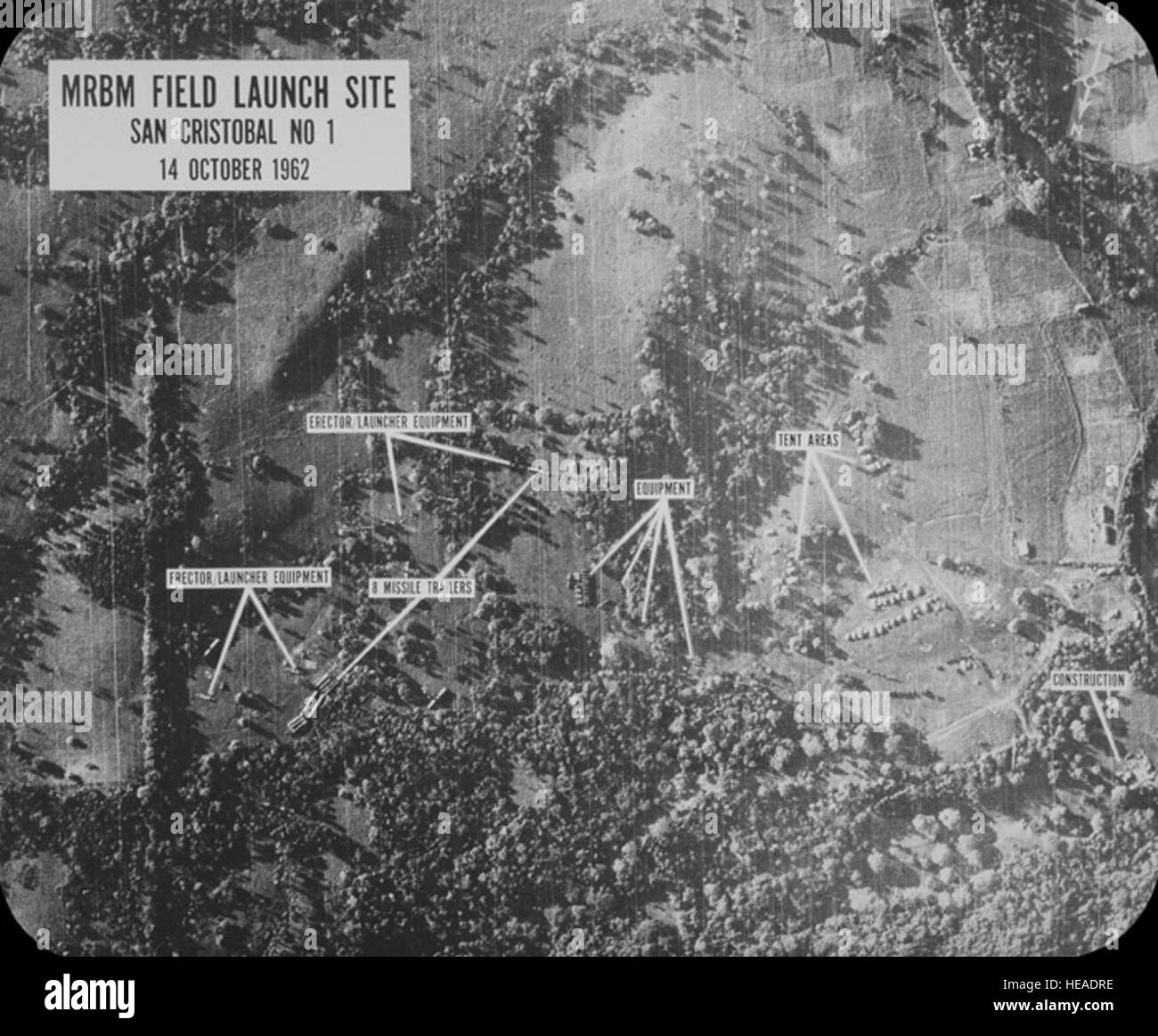
In the information age, an air force serves as the "eyes and ears" of the military. Using a combination of manned aircraft, high-altitude unmanned aerial vehicles (UAVs), and satellite constellations, air forces gather real-time data on enemy movements, communications, and infrastructure. This data is processed and disseminated to commanders across all branches, making the air force a central hub for tactical decision-making.
Rapid Global Mobility
The ability to move troops, equipment, and supplies anywhere in the world within hours is a defining characteristic of a top-tier air force. Through strategic airlift and aerial refueling, an air force extends the reach of the entire military. Aerial refueling, in particular, is a "force multiplier," allowing combat aircraft to stay airborne for extended periods and strike targets thousands of miles from their home base.
Organizational Structure and Hierarchy
An air force is structured to manage complexity. In the United States, the Department of the Air Force is a military department within the Department of Defense, overseen by a civilian Secretary of the Air Force and a uniformed Chief of Staff. The internal structure is designed to move from broad strategic oversight down to the individual tactical unit.
Major Commands (MAJCOMs)
The Air Force is organized into Major Commands, each focused on a specific functional or geographic area. For example:
- Air Combat Command (ACC): Responsible for the primary "fighting" force, including fighters and bombers.
- Air Mobility Command (AMC): Manages the fleet of transport and refueling aircraft.
- Air Force Global Strike Command (AFGSC): Oversees the nation's nuclear deterrent, including intercontinental ballistic missiles (ICBMs) and strategic bombers.
- Air Force Special Operations Command (AFSOC): Provides specialized airpower for unconventional warfare.
The Wing, Group, and Squadron
At the operational level, the Wing is the primary unit of the Air Force. A wing usually operates a single base and is composed of several Groups (Operations, Maintenance, Medical, and Mission Support). Below the group level is the Squadron, which is the basic functional unit. A flying squadron typically consists of 12 to 24 aircraft and the pilots who fly them, supported by hundreds of ground personnel.
Personnel: The People Behind the Power
A common misconception is that the air force is composed entirely of pilots. In reality, pilots make up a small percentage of the total force. The vast majority of airmen work in support, maintenance, technology, and administration roles. In 2026, the demand for "cyber-warriors" and data analysts has grown to nearly equal the demand for traditional aviators.
Officers vs. Enlisted Personnel
The Air Force maintains a strict distinction between commissioned officers and enlisted personnel.
- Officers: Generally require a four-year college degree and are responsible for leadership, management, and specialized technical tasks (including piloting aircraft).
- Enlisted Airmen: The backbone of the force, enlisted personnel carry out the hands-on work of maintaining aircraft, managing logistics, providing security, and operating complex communication systems.
Air Force Specialty Codes (AFSC)
Every job in the Air Force is categorized by an AFSC. This code determines the training a recruit receives and the specific role they will fill. For instance, a 11F is a Fighter Pilot, while a 3D1X2 is a Cyber Transport Systems specialist. This categorization ensures that every member of the force is a specialist in their particular field, contributing to a highly efficient machine.
Technical Capabilities and the 2026 Fleet
As we move through 2026, the technological landscape of the air force is transitioning. The focus has shifted from purely manned platforms to a "system of systems" that incorporates artificial intelligence and autonomous "wingmen."
Combat Aircraft
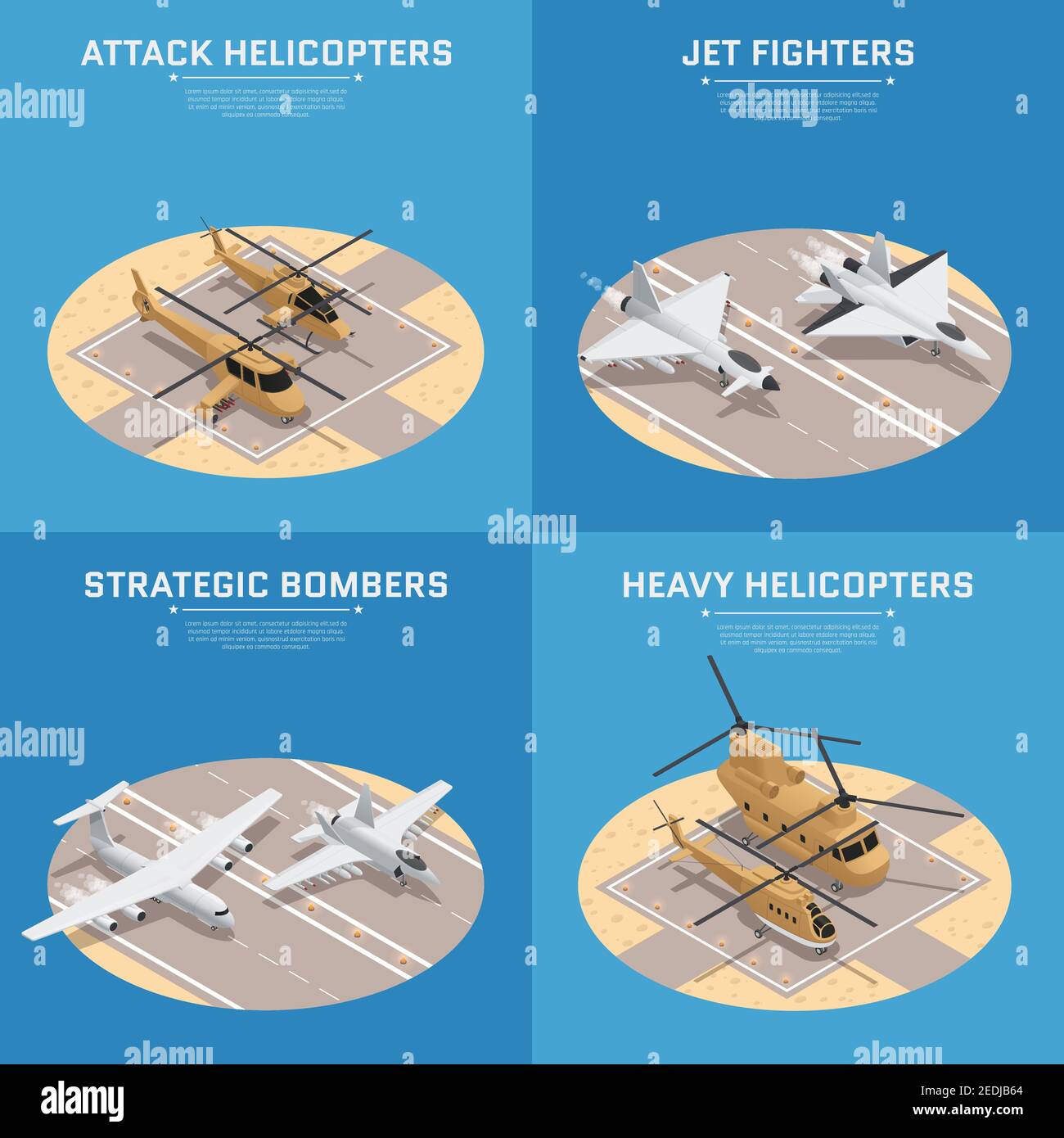
The modern fighter fleet is dominated by fifth-generation aircraft like the F-22 Raptor and the F-35 Lightning II. These planes utilize stealth to remain invisible to radar and advanced sensor fusion to provide the pilot with a god-like view of the battlefield. Meanwhile, the development of sixth-generation platforms, often referred to as Next Generation Air Dominance (NGAD), focuses on integrating directed-energy weapons and advanced networking.
Strategic Bombers
Strategic bombers like the B-2 Spirit and the newly operational B-21 Raider are designed for long-range missions. They can carry both conventional and nuclear payloads, providing a flexible deterrent that can reach any target on the planet.
Unmanned Systems and Collaborative Combat Aircraft (CCA)
A major shift in 2026 is the integration of CCAs. These are high-performance drones that fly alongside manned fighters. They can carry extra missiles, act as decoys, or use their sensors to scout dangerous areas, allowing the human pilot to stay out of harm's way while managing the broader tactical situation.
Comparison of Air Force Roles and Responsibilities
The following table outlines the diverse functions within an air force and how they contribute to the overall mission.
| Category | Primary Function | Key Assets/Personnel | Impact on Mission |
|---|---|---|---|
| Operations | Direct combat and mission execution | Pilots, Navigators, UAV Operators | Directly achieves air superiority and ground support. |
| Maintenance | Ensuring aircraft and equipment readiness | Crew Chiefs, Avionics Techs, Munitions | Essential for high sortie rates and flight safety. |
| Logistics | Moving people, parts, and fuel | Loadmasters, Supply Chain Managers | Enables the "Global Reach" capability of the force. |
| Cyber & Intel | Protecting networks and gathering data | Cyber Ops, Intelligence Analysts | Provides information advantage and protects command links. |
| Security Forces | Protecting air bases and assets | Military Police, K9 Units | Secures the ground footprint required for air operations. |
| Medical/Support | Personnel health and base infrastructure | Doctors, Civil Engineers, Admin | Maintains the readiness and resilience of the human force. |
The Relationship Between Air and Space
While the United States established the Space Force as a separate branch, the two remain deeply intertwined. An air force relies on space-based assets for GPS navigation, satellite communications, and missile warning. In 2026, the "Air Force description" often includes its role as a primary consumer and protector of space capabilities. Many personnel work in roles that bridge the gap between the atmosphere and the vacuum of space, ensuring that the transition between these two domains is seamless for military operations.
Requirements and Entry into the Air Force
Joining a modern air force is a selective process that prioritizes technical aptitude and physical fitness. In 2026, the recruitment process reflects the need for individuals capable of operating in high-stress, high-tech environments.
- Educational Requirements: At a minimum, a high school diploma is required for enlisted roles, while a bachelor's degree is necessary for officers. STEM (Science, Technology, Engineering, and Math) degrees are highly sought after.
- Aptitude Testing: The Armed Services Vocational Aptitude Battery (ASVAB) is used to determine which AFSC a recruit is qualified for. Higher scores open doors to more technical fields like intelligence or nuclear operations.
- Physical Standards: Candidates must pass rigorous physical fitness assessments, which typically include running, push-ups, and sit-ups. Pilots face even stricter medical screenings, particularly regarding vision and cardiovascular health.
- Security Clearances: Because of the sensitive nature of the work, many Air Force roles require a Secret or Top Secret security clearance, necessitating a thorough background investigation into a recruit's history and associations.
Frequently Asked Questions
What is the difference between the Air Force and the Navy's air wing?
While both fly aircraft, their missions differ. The Air Force is responsible for land-based operations, strategic bombing, and global airlift. The Navy’s air wing is specialized for carrier-based operations, focus on maritime air superiority, and protecting the fleet. The Air Force generally manages larger, longer-range aircraft that require long runways.
How long is Air Force Basic Military Training (BMT)?
As of 2026, Air Force BMT remains approximately seven and a half weeks long. It is held at Lackland Air Force Base in San Antonio, Texas. The training focuses on military discipline, marksmanship, field craft, and the core values of "Integrity First, Service Before Self, and Excellence in All We Do."
Can you join the Air Force as a pilot without a degree?
No. In the United States Air Force, all pilots are commissioned officers, and a four-year college degree is a mandatory prerequisite for commissioning. While there are "warrant officer" programs in other branches (like the Army) for pilots, the Air Force has traditionally maintained a degree requirement for its aviators.
What is the "Air Force Reserve" and "Air National Guard"?
These are the two "reserve components" of the Air Force. Members typically serve part-time while maintaining civilian careers. The Air National Guard has a dual mission: they can be called up for federal service or deployed by their state governor for local emergencies, such as natural disasters or civil unrest.
Does the Air Force use AI in 2026?
Yes, AI is integrated into various levels of the Air Force, from predictive maintenance (determining when a part will fail before it does) to autonomous flight algorithms in UAVs and the processing of massive amounts of surveillance data to identify potential threats more quickly than a human could.
Future Outlook and Professional Recommendation
The description of an air force is constantly evolving. In the coming years, the focus will likely shift further toward multi-domain operations, where air, space, land, sea, and cyber capabilities are fused into a single, cohesive fighting force. For those looking to understand or join the Air Force, the most important trait is adaptability. The technology of 2026 is vastly different from that of 2016, and the pace of change is only accelerating.
If you are considering a career or research path within this field, focus on developing a strong foundation in technical literacy. Whether your interest is in the cockpit or in a server room, the future air force will be defined by its ability to process information faster than its adversaries. Stay informed through official channels like the U.S. Air Force official website and the Department of Defense for the most current updates on policy and technology.