The phrase "age ain't nothing but a number" functions as a cultural idiom used to assert that chronological age should not limit a person’s capabilities, ambitions, romantic compatibility, or zest for life. Originating from colloquial speech and popularized across music, literature, and social philosophy, the expression challenges rigid age-based stereotypes while simultaneously sparking complex debates about legality, social norms, and biological realities.
The Origins and Cultural Evolution of the Idiom
Language evolves through vernacular adoption, and the phrase "age ain't nothing but a number" has deep roots in African American Vernacular English (AAVE) and blues traditions before entering mainstream global pop culture. Historically, communities used variations of this sentiment to encourage resilience among older adults pursuing new ventures or to question arbitrary societal milestones.
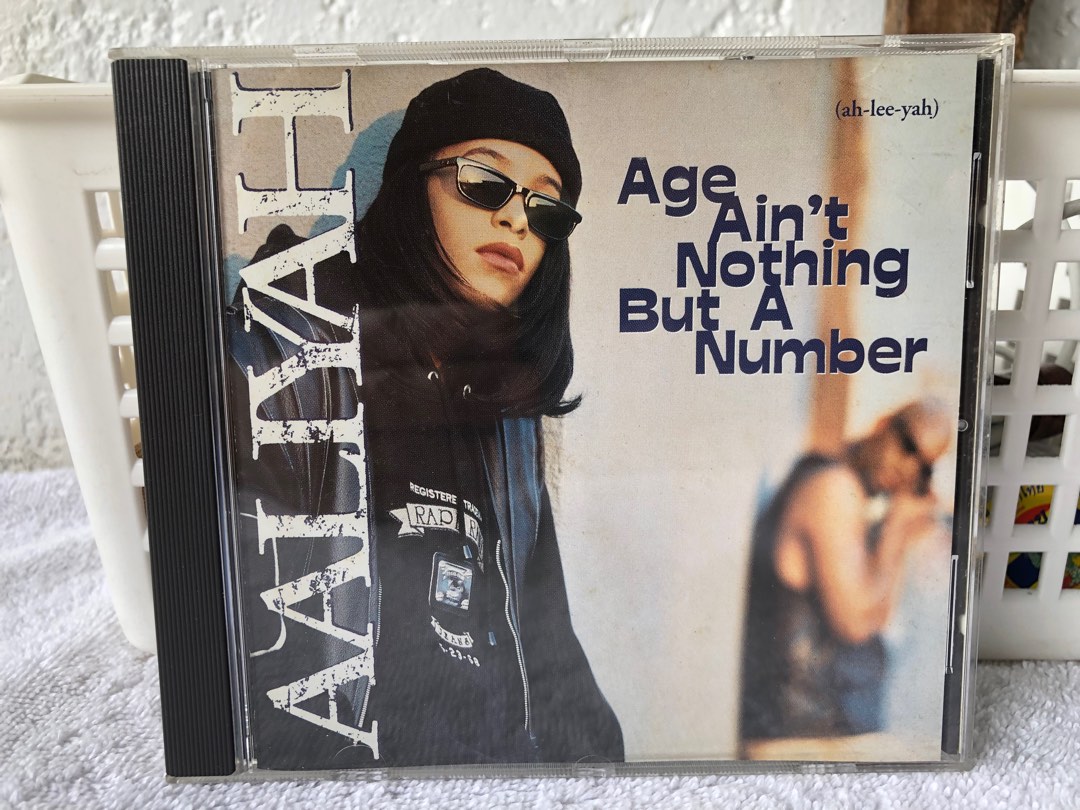
In the late 20th century, the phrase achieved massive global resonance largely due to popular culture. Most notably, R&B artist Aaliyah released her debut studio album titled Age Ain't Nothing But a Number in 1994. While the title track and album cemented the phrase in youth lexicon, it also immediately sparked conversations regarding the appropriateness of applying such a philosophy to romantic relationships involving minors and adults—a tension that persists in modern discourse.
Over time, the idiom fractured into two distinct cultural applications:
- The Motivational Interpretation: Focusing on personal achievement, physical fitness, lifelong learning, and professional reinvention later in life.
- The Interpersonal/Romantic Interpretation: Challenging societal judgment regarding age gaps in adult relationships or, conversely, drawing scrutiny when applied to statutory boundaries.
Understanding these dual tracks is essential for analyzing how people invoke the phrase today. Context dictates whether the statement serves as an empowering testament to human potential or a problematic dismissal of power dynamics and developmental stages.
Age as a Construct: Biological Versus Chronological Time
To evaluate the validity of the phrase, scientists and sociologists frequently separate chronological age from biological and psychological age.
Chronological Age
Chronological age measures the absolute passage of time from an individual's birth to the present moment. It remains the universal standard for legal frameworks, administrative categorization, and medical baselines because it is immutable and easily verifiable. Governments rely on chronological age to determine eligibility for driving licenses, voting rights, military service, retirement benefits, and criminal culpability.
Biological Age
Biological age, or physiological age, reflects the functional capacity of cells, tissues, and organ systems. Researchers utilize biomarkers—such as epigenetic methylation patterns, telomere length, metabolic efficiency, and cardiovascular fitness—to determine how rapidly an individual’s body is aging relative to population averages.
| Metric Type | Definition | Primary Application | Variability |
|---|---|---|---|
| Chronological Age | Exact time elapsed since birth | Legal rights, governance, eligibility thresholds | Fixed and unchangeable |
| Biological Age | Functional health of cellular systems | Medicine, longevity research, personalized wellness | Highly variable based on lifestyle and genetics |
| Psychological Age | Cognitive maturity, emotional resilience, and mindset | Social psychology, interpersonal relationships, self-perception | Subjective and fluid |
Because lifestyle factors such as nutrition, exercise, stress management, and access to healthcare heavily influence biological and psychological health, two people of the exact same chronological age can exhibit vastly different physical and cognitive capacities. This discrepancy forms the scientific backbone of the argument that age is, in many functional contexts, merely a numerical label.
Application in Personal Development, Fitness, and Career
When applied to self-improvement, the sentiment that age is just a number encourages individuals to discard self-imposed limitations driven by calendar milestones.
Lifelong Learning and Cognitive Plasticity
Neuroplasticity—the brain’s ability to reorganize itself by forming new neural connections—persists throughout the human lifespan. Older adults routinely master complex new skills, ranging from digital programming and foreign languages to fine arts and musical instruments. Adopting a growth mindset allows individuals to approach skill acquisition without the psychological barrier of feeling "too old to learn."
Athletics and Physical Endurance
In sports and physical fitness, master athletes regularly shatter records previously thought impossible for older bodies. While maximum aerobic capacity (VO2 max) and muscle mass naturally decline after peak physiological years, structured training, recovery science, and proper nutrition allow mature adults to maintain elite levels of performance. Marathon runners, cyclists, and strength competitors in their sixties, seventies, and beyond demonstrate that physical capability retains significant plasticity well into late life.
Career Reinvention
The traditional linear career path—education, employment in a single field for forty years, and retirement—has largely dissolved. Professionals frequently execute radical career pivots in their forties, fifties, and sixties. Entrepreneurship data consistently shows that successful founders often launch companies later in life, leveraging decades of accumulated industry experience, emotional intelligence, and financial capital.
Romantic Relationships and Legal Boundaries
The most contentious application of the phrase occurs within the context of dating, marriage, and romantic partnerships. While consensual relationships between independent adults with significant age gaps are a matter of personal autonomy, the phrase faces intense scrutiny when invoked to justify relationships involving individuals with disparate levels of developmental maturity or legal protection.
Adult Age Gaps
Societal attitudes toward age-gap relationships between consenting adults have evolved, though stigmas remain. When two psychologically mature adults enter a partnership, differences in chronological age matter less than shared values, life goals, and mutual respect. However, psychologists note that significant generational gaps can introduce unique challenges regarding cultural references, energy levels, family planning, and retirement timelines.
Legal and Ethical Guardrails
In stark contrast to personal autonomy in adult relationships, the phrase "age ain't nothing but a number" is widely rejected in legal and ethical frameworks concerning minors. Age-of-consent laws, child protection statutes, and mandatory education laws exist precisely because chronological age correlates strongly with cognitive development, emotional maturity, and vulnerability to coercion.
Legal systems universally recognize that minors lack the developmental capacity to provide fully informed consent in various domains. Consequently, utilizing the idiom to minimize age disparities involving minors crosses from philosophical discourse into dangerous and illegal territory. Responsible social commentary and public education sharply distinguish between consenting adult partnerships and the protection of developing youth.
Common Misconceptions and Pitfalls
Misapplying the concept that age is just a number can lead to poor decision-making in financial, medical, and personal realms.
- Ignoring Preventive Healthcare: Assuming biological youth based on how one feels can lead individuals to skip essential age-based medical screenings, such as mammograms, colonoscopies, and cardiovascular evaluations.
- Financial Myopia: Believing that "there is plenty of time" can sabotage long-term financial planning. Compound interest relies heavily on time horizons; ignoring retirement savings under the guise of feeling young can lead to severe economic vulnerability later in life.
- Overlooking Power Dynamics: In romantic or professional settings, ignoring significant maturity gaps can blind individuals to underlying imbalances in influence, experience, and autonomy.
Frequently Asked Questions
What does the phrase "age ain't nothing but a number" actually mean?
The phrase signifies that chronological age should not dictate a person’s potential, ambitions, or capacity to enjoy life. It challenges assumptions tied to aging, though its interpretation varies widely depending on whether it is applied to personal achievement, health, or interpersonal relationships.
Is biological age more important than chronological age?
They serve different purposes. Biological age is a better indicator of health, longevity, and physical resilience, while chronological age remains the definitive metric for legal rights, entitlements, and societal milestones.
Why is the phrase controversial in romantic relationships?
While consenting adults can navigate any age gap they choose, the phrase is frequently criticized when used to excuse relationships with power imbalances or, more severely, to dismiss statutory age-of-consent laws designed to protect minors.
Can cognitive function truly improve as chronological age increases?
While certain aspects of processing speed peak in early adulthood, crystallized intelligence—the accumulation of knowledge, vocabulary, and life experience—often continues to expand throughout middle and later life. Regular mental stimulation and physical exercise support ongoing cognitive vitality.
Practical Next Actions
If you are looking to apply the empowering side of this philosophy to your own life, consider the following actionable steps:
- Audit Your Assumptions: Identify areas of your life—such as fitness, career, or creative pursuits—where you have withheld effort due to a belief that you are "too old."
- Prioritize Biological Markers Over Calendar Years: Focus on actionable health metrics through balanced nutrition, strength training, and regular medical checkups rather than passively accepting physical decline.
- Commit to Lifelong Skill Acquisition: Select one complex skill or subject you have always wanted to learn and dedicate structured, weekly time to mastering it, regardless of your current life stage.