Securing an affordable Toronto auto insurance quote requires a systematic approach to evaluating your specific risk profile, leveraging provincial discount mandates, and comparing quotes across multiple licensed carriers. By understanding how the Financial Services Regulatory Authority of Ontario (FSRA) regulates rates and how insurers weight factors like driving history, vehicle type, and location, you can effectively lower your premiums.
The Regulatory Landscape of Ontario Auto Insurance
In Ontario, auto insurance is mandatory for all drivers. The province operates under a "no-fault" insurance system, which means that regardless of who causes an accident, your own insurance company handles your claim for medical benefits and vehicle damage. This system is designed to streamline the claims process, but it also creates a unique pricing environment where your premium is heavily influenced by regional claims statistics.
Toronto, as the most populous urban center in Canada, typically sees higher insurance premiums compared to more rural areas. This is due to a higher density of traffic, a statistically higher frequency of vehicle collisions, and higher rates of vehicle theft in certain postal codes. When you request an affordable Toronto auto insurance quote, you are navigating a market where insurers have filed their rating programs with the FSRA. These rates are not arbitrary; they must be actuarially sound and approved by the regulator to ensure they remain fair and non-discriminatory.
Factors That Influence Your Premium Rates
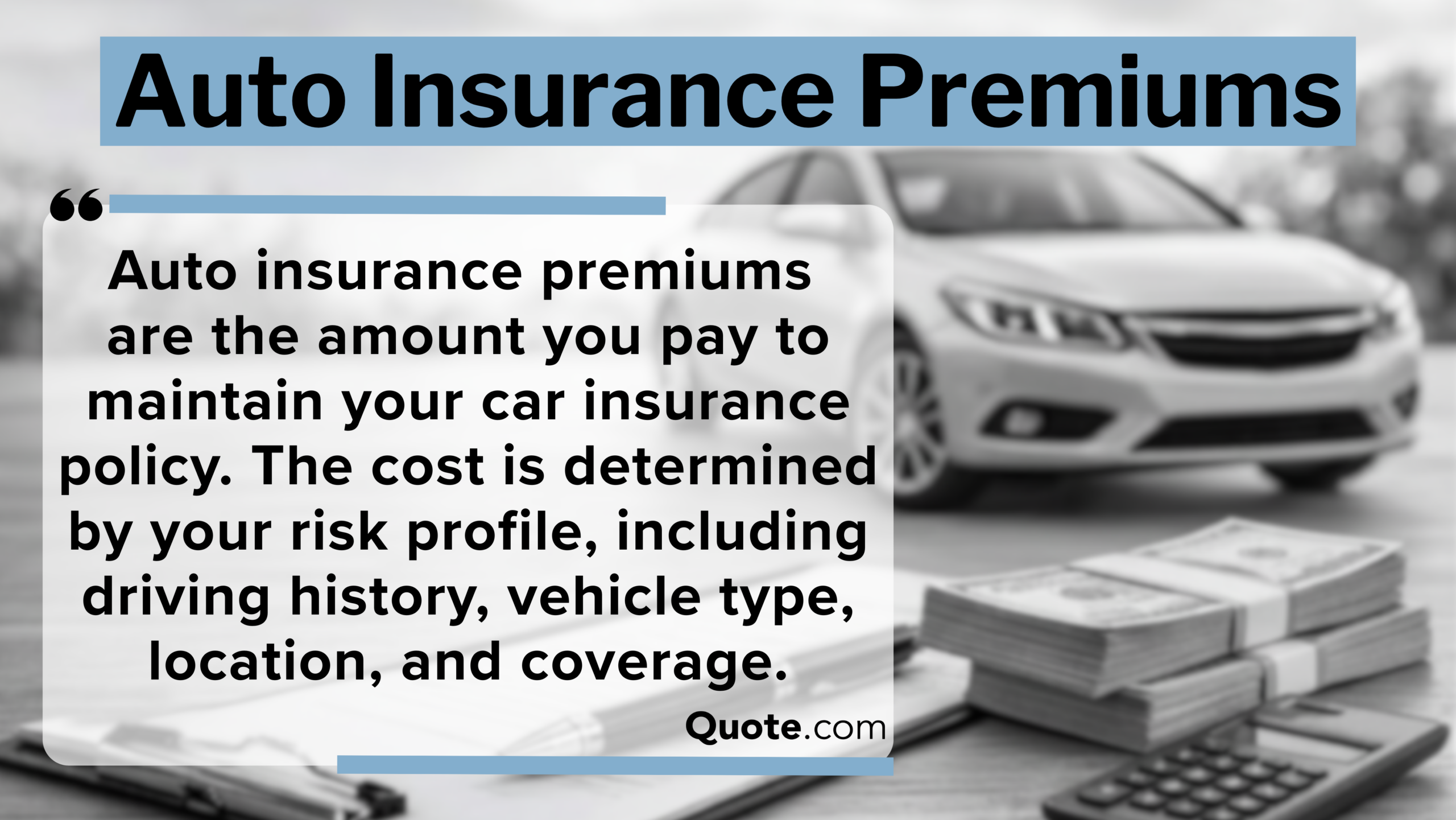
Understanding what drives the cost of your insurance is the first step toward reducing it. Insurers use complex algorithms to determine the likelihood of you filing a claim. In 2026, the following factors remain the most significant variables in the pricing equation:
1. Your Driving Record
This is the single most important factor. A clean driving abstract—one free of accidents, convictions for moving violations, or license suspensions—is the most reliable way to maintain low premiums. Insurance companies look back at least three to six years when evaluating your risk.
2. The Vehicle You Drive
Not all cars are created equal in the eyes of an insurer. Vehicles that are expensive to repair, have high theft rates, or possess performance capabilities that encourage aggressive driving are more expensive to insure. Before purchasing a vehicle, it is prudent to check its "CLEAR" (Canadian Loss Experience Automobile Rating) classification.
3. Your Location (Postal Code)
Insurance rates are adjusted based on the risk profile of your specific neighborhood. Within Toronto, rates can fluctuate significantly based on local accident statistics and crime rates in your postal code.
4. Coverage Limits and Deductibles
Your choice of coverage directly dictates your price. While Ontario mandates minimum liability coverage, you may choose to increase your limits or add optional endorsements (like DCPD or accident benefits). Raising your deductible—the amount you pay out-of-pocket before insurance kicks in—is one of the fastest ways to lower your monthly premium.
How to Effectively Compare Quotes
To find the most competitive rate, you must look beyond the initial price. The goal is to find the best value for your specific needs, balancing coverage depth with cost.
- Gather Necessary Information: Before requesting quotes, have your driver’s license, vehicle identification number (VIN), and details regarding your past insurance claims or traffic convictions ready. Accurate information ensures the quote you receive is binding and not merely an estimate.
- Use Independent Brokers and Online Portals: While direct insurers sell their own products, independent brokers can access multiple companies at once. Using a reputable online comparison tool or a licensed broker allows you to see how different companies view your risk profile.
- Standardize Your Search: When comparing quotes, ensure you are requesting identical coverage limits and deductibles from each provider. Comparing a $500 deductible quote to a $2,000 deductible quote will give you a false sense of which company is cheaper.
- Inquire About Group Discounts: Many Ontarians are eligible for group rates through professional associations, alumni networks, or employer-sponsored programs. Always ask if your specific affiliation qualifies for a discount.
Comparison of Common Insurance Strategies
| Strategy | Impact on Premium | Potential Trade-off |
|---|---|---|
| Increasing Deductible | Moderate to High Reduction | Higher out-of-pocket cost during a claim |
| Bundling Home/Auto | Moderate Reduction | Requires switching multiple policies |
| Installing Telematics | Variable Reduction | Requires data monitoring of driving habits |
| Removing Optional Coverages | Low to Moderate Reduction | Higher personal financial risk |
| Paying Annually | Low Reduction | Requires a large, single upfront payment |
Telematics and Usage-Based Insurance
In 2026, usage-based insurance (UBI), often called telematics, has become a standard offering for many Toronto drivers. This involves installing a small device in your car or using a smartphone app that tracks your driving behavior—specifically your speed, braking habits, and the time of day you drive.
If you are a safe driver who avoids late-night driving and sudden braking, telematics can provide significant discounts, sometimes upwards of 20-30%. However, if you have a habit of aggressive driving, the data could theoretically lead to an increase in your premium. Before opting into a telematics program, review the insurer’s disclosure policy regarding how they store and use your location and behavior data.
Common Mistakes When Seeking Insurance
Many drivers inadvertently inflate their own premiums through common errors during the application process.
- Underestimating Annual Mileage: Be honest about how much you drive. If you claim you drive 5,000 km per year but your insurer discovers you are actually driving 25,000 km, they may void your policy or deny a future claim.
- Omitting Household Drivers: Every licensed driver in your household must be disclosed to your insurer. Failure to list a household member as an occasional driver is considered a misrepresentation, which can lead to policy cancellation.
- Ignoring Renewals: Never assume your current insurer is still offering the best rate. Every renewal period is an opportunity to shop around. Even a loyal customer should request quotes elsewhere at least once every two years to ensure their current rate remains competitive with the broader market.
Frequently Asked Questions
Does my credit score affect my auto insurance rate in Ontario?
Unlike in some U.S. states, Ontario law generally restricts the use of credit scores to determine auto insurance premiums. Insurers focus instead on driving history, vehicle type, and the regulatory environment.
What is the minimum liability coverage required in Toronto?
Ontario law requires a minimum of $200,000 in third-party liability coverage. However, most experts strongly recommend increasing this to at least $1 million or $2 million to protect your personal assets in the event of a severe accident.
Can I get a cheaper rate if I have a history of accidents?
It is more difficult to find "cheap" insurance after an accident, but not impossible. The "Forgiving" feature, if purchased as an add-on, may prevent your rates from spiking after your first at-fault accident. Otherwise, you must wait for the accident to drop off your driving record, which typically happens after six years.
Is it cheaper to pay monthly or annually?
Most insurance companies charge a finance fee for monthly installment plans. If your financial situation allows, paying the entire annual premium upfront is almost always cheaper than paying in monthly installments.
How do I verify if an insurance company is licensed?
You should only deal with insurance companies and brokers licensed by the Financial Services Regulatory Authority of Ontario (FSRA). You can verify a company’s credentials through the official FSRA website to ensure they are authorized to operate in the province.
Next Actions for Your Insurance Journey
If you are currently seeking an affordable Toronto auto insurance quote, start by creating a "coverage baseline." Determine exactly what limits you need based on your financial exposure and vehicle value. Once established, contact at least three different sources: one large direct-to-consumer insurer, one independent insurance brokerage, and one company that offers usage-based telematics programs.
Document the quotes clearly, ensuring that deductibles and optional coverages are consistent across all inquiries. If you find a significantly lower rate, provide your current insurer with the opportunity to match it. Often, companies are willing to apply additional loyalty discounts or adjust your policy structure to retain your business before you decide to switch. By treating insurance as a dynamic, negotiable product rather than a static expense, you can effectively manage your costs while maintaining the protection you need for Toronto’s roads.