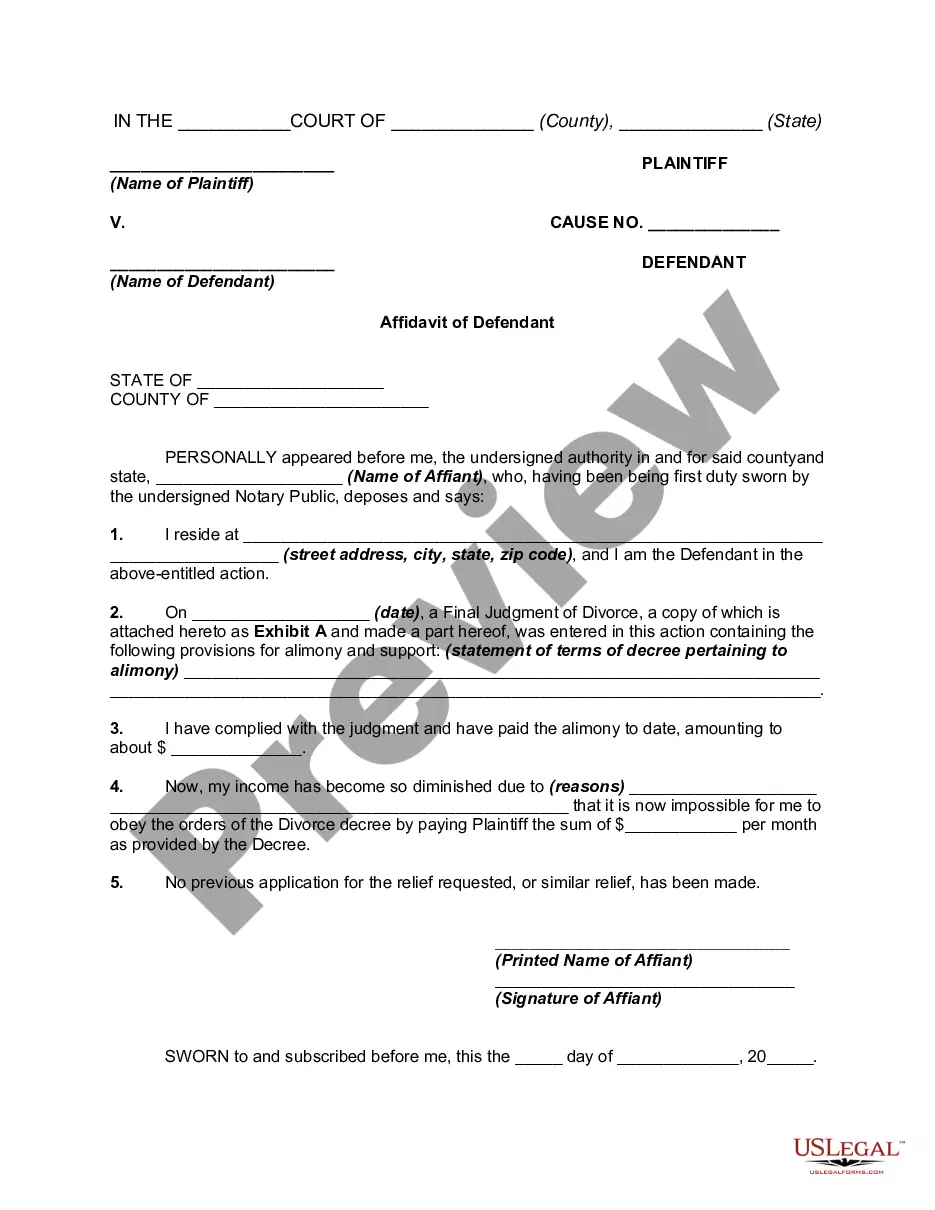
In 2026, the affidavit for a surviving spouse remains a critical legal instrument used to claim life insurance benefits when a policy moves into a deceased spouse's estate rather than passing directly to a named beneficiary. This sworn statement allows a widow or widower to bypass lengthy probate court proceedings, provided the estate’s total value falls below specific state-mandated thresholds.
Managing the financial aftermath of a spouse's passing is an overwhelming task, often complicated by the technicalities of insurance law and estate settlement. While life insurance is designed to pay out quickly to named individuals, certain situations—such as the death of a named beneficiary or the failure to update a policy—can cause funds to become "trapped" in the deceased’s estate. This is where the affidavit for a surviving spouse, often referred to as a Small Estate Affidavit or an Affidavit of Entitlement, becomes essential.
Understanding the Role of the Affidavit in Life Insurance
Typically, life insurance proceeds are non-probate assets. This means they are paid directly to the beneficiaries listed on the policy without court intervention. However, there are three primary scenarios where an insurance company will refuse to pay out directly and instead require legal documentation:
- The Estate is the Beneficiary: The policyholder explicitly named "The Estate of [Name]" as the recipient.
- Lapsed Beneficiaries: All named primary and contingent beneficiaries predeceased the policyholder.
- No Beneficiary Named: The policyholder never designated a recipient, and the policy terms dictate that proceeds default to the estate.
When any of these occur, the life insurance death benefit becomes part of the deceased’s "probate estate." Under standard law, accessing these funds would require opening a formal probate case, appointing an executor, and waiting months for court approval. The affidavit for a surviving spouse acts as a "shortcut," allowing the spouse to collect the insurance check by swearing under oath that they are the rightful heir and that the estate is small enough to qualify for simplified procedures under state law.
Legal Thresholds and State Variations (2026 Update)
The eligibility to use an affidavit depends entirely on the laws of the state where the deceased spouse resided. As of 2026, many states have adjusted their "Small Estate" limits to account for inflation, making this tool available to more families than in previous decades.
These limits typically range from $20,000 to over $160,000. It is vital to understand that the "value of the estate" usually refers only to assets that do not already have a designated beneficiary. For example, if your spouse had a $500,000 house held in joint tenancy and a $100,000 life insurance policy with no beneficiary, the house might not count toward the small estate limit, potentially allowing you to use the affidavit for the $100,000 insurance claim.
Community Property vs. Common Law States
In community property states (such as California, Texas, and Washington), a surviving spouse may have an inherent 50% claim to life insurance proceeds if the premiums were paid using community funds (income earned during the marriage). In these jurisdictions, the affidavit process may involve additional language confirming the community nature of the asset, which can sometimes simplify the collection of the spouse's half even if the estate exceeds the standard small estate limit.
Prerequisites for Filing the Affidavit
Before drafting or filing an affidavit for a surviving spouse to claim life insurance, several conditions must be met:
- The Waiting Period: Most states require a mandatory waiting period after the date of death before an affidavit can be executed. This is usually between 30 and 40 days. This period allows for any potential wills to be discovered or for creditors to make claims.
- Death Certificate: You must possess a certified copy of the death certificate. The insurance company and the notary will require this to verify the claim.
- Inventory of Assets: You must be able to prove that the total value of the deceased's probate assets (excluding those that transfer automatically like joint bank accounts) is below your state’s legal limit.
- Absence of Formal Probate: You cannot use an affidavit if a petition for the appointment of a personal representative is pending or has been granted in probate court.
Step-by-Step Process to Claim Life Insurance via Affidavit
Navigating the insurance company's requirements requires precision. Follow these steps to ensure the claim is processed without rejection.
1. Identify the Policy and Payout Status
Contact the insurance company's claims department. Request a "claim packet" and ask specifically why the funds are not being paid directly. Confirm that they will accept a Small Estate Affidavit or a "Surviving Spouse Affidavit" in lieu of Letters of Administration from a probate court.
2. Verify State-Specific Forms
Most states provide a standardized template for these affidavits through their judicial branch or county clerk websites. Using the official state form is highly recommended, as insurance company legal departments are trained to recognize and approve them quickly.
3. Complete the Affidavit with Specific Details
The document must typically include:
- The decedent’s name, date of death, and residence.
- A statement that no petition for probate has been filed.
- A list of all known assets, specifically mentioning the life insurance policy number and the amount of the death benefit.
- A statement that the surviving spouse is the "successor" or rightful heir under state intestacy laws (laws that govern who gets what when there is no will).
- A declaration that all funeral expenses and debts of the deceased have been or will be paid.
4. Notarization and Execution
In 2026, most jurisdictions allow for Remote Online Notarization (RON). You can sign the document in the presence of a notary via a secure video call. However, ensure the insurance company accepts digital notarizations; some older carriers still require a physical "wet ink" signature and an embossed seal.
5. Submission and Processing
Submit the notarized affidavit, the certified death certificate, and the completed insurance claim form to the insurer. It is advisable to send these via certified mail or a secure digital portal provided by the company.
Comparison: Affidavit vs. Formal Probate
Deciding whether to use an affidavit or proceed with formal probate depends on the complexity of the deceased's finances.
| Feature | Affidavit for Surviving Spouse | Formal Probate / Letters of Admin |
|---|---|---|
| Cost | Low (notary fees, filing fees) | High (attorney fees, court costs, bonds) |
| Timeframe | 30–60 days | 6–18 months |
| Court Involvement | Minimal to none | Extensive hearings and oversight |
| Asset Limit | Limited by state law (e.g., <$100k) | No limit |
| Creditor Protection | Limited | High (formal notice to creditors) |
| Ease of Use | High (can be done without a lawyer) | Low (usually requires legal counsel) |
Common Mistakes and How to Avoid Them
Even with a valid affidavit, claims can be delayed or denied due to technical errors.
- Including Non-Probate Assets in the Total: Do not include the value of your home if it was owned as "Joint Tenants with Right of Survivorship" when calculating the estate's value. Doing so might push you over the small estate limit unnecessarily, forcing you into probate.
- Filing Too Early: If your state has a 30-day waiting period and you sign the affidavit on day 28, the insurance company will likely reject it as invalid.
- Incomplete Beneficiary Information: If there are other living heirs (like children from a previous marriage), the affidavit must acknowledge them. In some states, the spouse can only claim their legal share via affidavit, while the children must sign their own or join the spouse's filing.
- Ignoring Debts: By signing the affidavit, you are often testifying that the estate’s debts have been handled. If you use the life insurance money and ignore a valid creditor, that creditor may have a legal right to sue you personally for the funds.
Troubleshooting Insurance Company Rejections
If an insurance company refuses to honor your affidavit, it is usually for one of two reasons: the policy amount exceeds the state’s affidavit limit, or the company’s internal legal policy is overly cautious.
If the policy amount is the issue, you may have no choice but to file for "Summary Administration," which is a shortened probate process that still involves a judge but is faster than full probate. If the rejection is due to "company policy" despite the document being legally sound under state law, you may need a brief consultation with an estate attorney. Often, a "letter of demand" from an attorney referencing the specific state statute (e.g., California Probate Code § 13100) is enough to compel the insurer to release the funds.
Professional Advice Limitation
While this guide provides comprehensive information on the use of affidavits for surviving spouses in 2026, it does not constitute legal or financial advice. Estate laws vary significantly by jurisdiction and are subject to legislative changes. If the estate involves significant debt, disputes among heirs, or complex tax implications (such as federal estate tax), it is strongly recommended to consult with a qualified probate attorney or a certified financial planner.
Summary of Next Actions
To successfully claim life insurance via a surviving spouse affidavit, begin by obtaining the death certificate and contacting the insurer to confirm the "estate" status of the payout. Verify your state's current small estate threshold for 2026 and ensure the total value of probate assets remains under that limit. Draft the affidavit using an official state template, wait for the statutory period to pass, and have the document notarized.
Once submitted, the insurance company typically processes these claims within 10 to 15 business days. This process ensures that the surviving spouse receives the necessary financial support without the burden of a protracted legal battle, fulfilling the original intent of the life insurance policy—to provide immediate security for loved ones.
Frequently Asked Questions
Can I use an affidavit if my spouse had a will?
Yes, in most states you can use an affidavit even if there is a will, provided the estate qualifies as a "small estate" and the will does not explicitly forbid the use of simplified procedures. The affidavit will usually state that the person is the rightful beneficiary under the terms of the will.
What happens if the life insurance policy is larger than the small estate limit?
If the death benefit alone (or in combination with other probate assets) exceeds the state's limit, the affidavit cannot be used. You will likely need to file for formal probate or summary administration to receive "Letters of Administration" or "Letters Testamentary," which give you the legal authority to collect the funds.
Do I have to pay taxes on life insurance I receive via affidavit?
Generally, life insurance death benefits are not subject to federal income tax. However, if the funds were held by the insurance company for a significant time and accrued interest, that interest portion may be taxable. Additionally, the value of the policy is included in the deceased's gross estate for estate tax purposes, though the "unlimited marital deduction" usually prevents taxes on transfers to a surviving spouse.
Does the affidavit work for all types of life insurance?
It works for Term, Whole Life, and Universal Life policies. However, if the policy is an employer-sponsored plan (ERISA plan), federal law may override state affidavit laws. In some cases, ERISA plans have specific "successor beneficiary" rules that pay out to a spouse automatically even without an affidavit.
Can other relatives challenge my affidavit?
Yes. An affidavit is a sworn statement, but it does not "silence" other heirs. If a child or other relative believes they are entitled to a portion of the insurance proceeds under state law or a will, they can challenge the distribution in court. The person signing the affidavit (the affiant) is legally responsible for distributing the money to all rightful heirs.