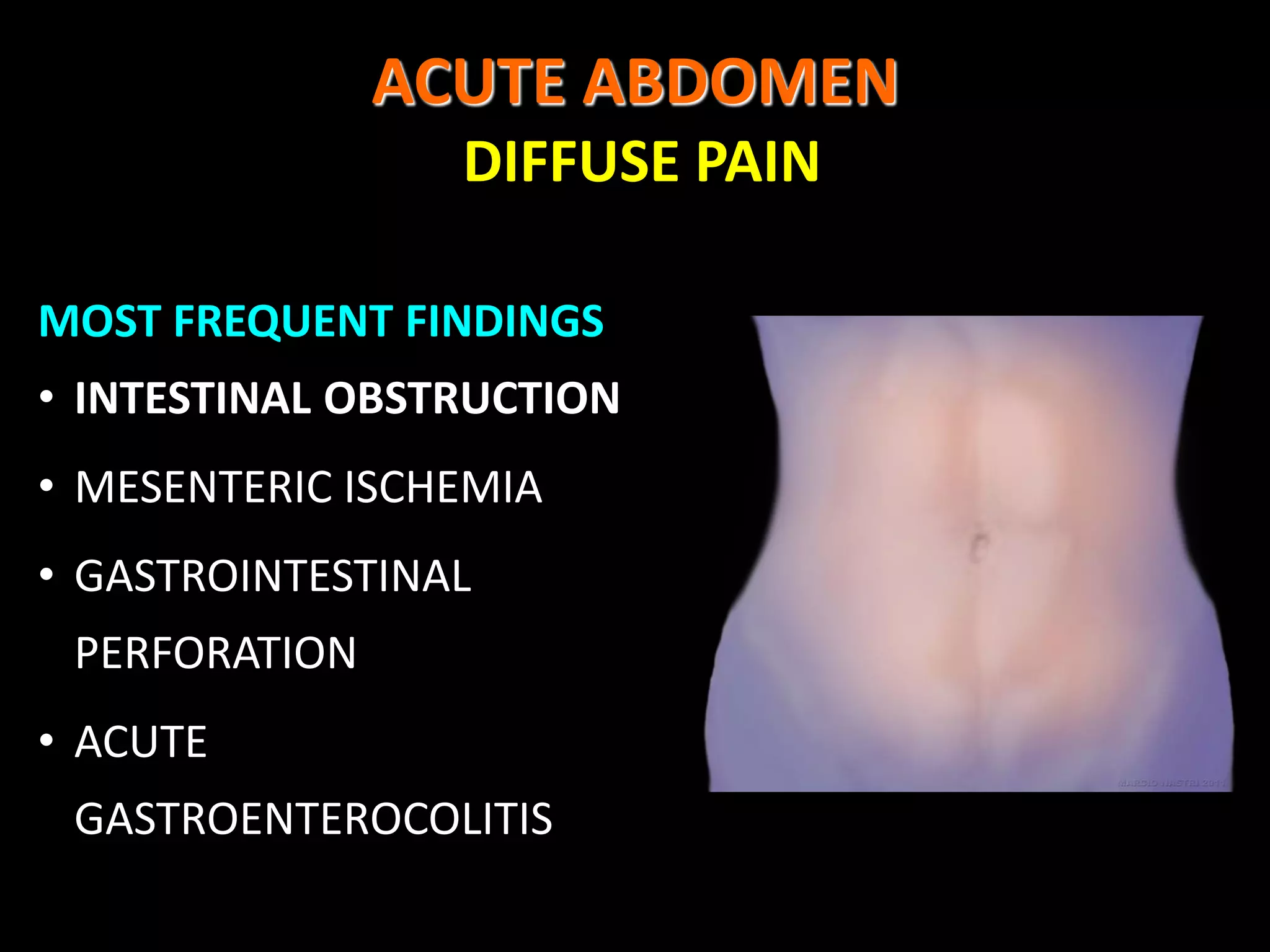
Acute pain in the abdomen is a sudden, severe pain that typically lasts for less than a week and often indicates a serious underlying medical condition. It requires immediate clinical evaluation to differentiate between benign issues, such as gas or indigestion, and life-threatening emergencies like organ perforation, internal bleeding, or acute inflammation that may require urgent surgery.
Abdominal pain is one of the most common reasons patients seek emergency department care. Because the abdomen houses numerous vital organs—including the stomach, intestines, liver, gallbladder, pancreas, kidneys, and reproductive organs—the source of acute pain can be complex to diagnose. Understanding the characteristics, location, and associated symptoms of the pain is critical for both patients and healthcare providers to ensure timely and effective treatment.
Defining Acute Abdominal Pain
In clinical practice as of 2026, "acute" refers to the rapid onset and progression of symptoms. Unlike chronic pain, which may persist for months or years, acute abdominal pain usually demands a diagnostic resolution within hours or days. Medical professionals often categorize the pain based on its origin within the nervous system.
Visceral vs. Somatic Pain
Understanding the type of pain can help locate the problem. Visceral pain originates from the internal organs. It is often described as dull, aching, or cramping and is difficult to pinpoint to a specific spot because the nerves in these organs are less densely distributed. It is frequently felt in the midline of the abdomen.
In contrast, somatic (or parietal) pain occurs when the lining of the abdominal cavity (the peritoneum) is irritated. This pain is typically sharp, intense, and easily localized to a specific area. When a patient says they can point to the exact spot with one finger, it often suggests the involvement of the parietal peritoneum, which is common in conditions like advanced appendicitis or a perforated ulcer.
Referred Pain
Sometimes, the brain misinterprets the source of pain. This is known as referred pain. For example, a gallbladder issue might be felt in the right shoulder blade, or a heart attack might present as pain in the upper abdomen (epigastric region). Recognizing these patterns is a vital part of the diagnostic process.
Recognizing Emergency "Red Flags"
Not every stomach ache requires a trip to the emergency room, but certain "red flag" symptoms indicate that the acute pain in the abdomen could be life-threatening. If you or someone you are with experiences these symptoms, seek immediate medical attention.
- Rigidity of the Abdominal Wall: If the abdomen feels "board-like" or extremely hard to the touch, it often indicates peritonitis (inflammation of the abdominal lining), usually due to an organ rupture.
- High Fever and Chills: This suggests a systemic infection or abscess.
- Inability to Pass Stool or Gas: When combined with vomiting and bloating, this may indicate a complete bowel obstruction.
- Vomiting Blood or Passing Bloody/Tarry Stools: These are signs of internal gastrointestinal bleeding.
- Signs of Shock: Rapid heart rate, low blood pressure, confusion, or cold, clammy skin suggest severe blood loss or sepsis.
- Pain During Pregnancy: Acute abdominal pain in a pregnant individual requires immediate screening for ectopic pregnancy or placental abruption.
Anatomical Mapping: Identifying the Source by Location
Medical professionals divide the abdomen into four quadrants to narrow down the potential causes of acute pain.
Right Upper Quadrant (RUQ)
The RUQ contains the liver, gallbladder, and part of the right kidney.
- Cholecystitis: Inflammation of the gallbladder, often caused by gallstones blocking the cystic duct.
- Biliary Colic: Temporary blockage of the bile duct, causing intense, episodic pain.
- Hepatitis: Inflammation of the liver, which may cause pain along with jaundice (yellowing of the skin and eyes).
Left Upper Quadrant (LUQ)
The LUQ contains the spleen, stomach, and part of the pancreas.
- Splenic Infarction or Enlargement: Rare but serious, often causing sharp pain under the left ribs.
- Gastritis or Peptic Ulcers: Inflammation or sores in the stomach lining.
Right Lower Quadrant (RLQ)
This is one of the most common sites for acute surgical emergencies.
- Appendicitis: The most frequent cause of RLQ pain. It typically starts near the belly button before moving to the lower right.
- Crohn’s Disease: Inflammation of the terminal ileum can mimic appendicitis.
Left Lower Quadrant (LLQ)
- Diverticulitis: Small pouches in the colon become inflamed or infected. This is a leading cause of LLQ pain in older adults.
Central or Generalized Pain
- Abdominal Aortic Aneurysm (AAA): A bulge in the main artery that can leak or rupture, often causing "tearing" pain that radiates to the back.
- Pancreatitis: Inflammation of the pancreas, usually causing severe pain in the upper middle abdomen that goes through to the back.
Common Pathologies and Their Clinical Presentations
To better understand the gravity of acute abdominal pain, one must look at the specific conditions that most frequently cause it.
Appendicitis
Appendicitis remains the leading cause of emergency abdominal surgery. The pain typically follows a predictable pattern: it begins as a vague, dull ache around the umbilicus (belly button) and, within 12 to 24 hours, migrates to the RLQ, becoming sharp and severe. It is often accompanied by loss of appetite, nausea, and a low-grade fever. If left untreated, the appendix can rupture, leading to widespread infection (peritonitis).
Acute Pancreatitis
Commonly caused by gallstones or excessive alcohol consumption, acute pancreatitis presents as sudden, intense epigastric pain. Patients often find slight relief by leaning forward. Elevated levels of the enzyme lipase in the blood are a primary diagnostic marker for this condition.
Bowel Obstruction
A bowel obstruction occurs when the flow of digestive contents is blocked. This can be caused by scar tissue (adhesions) from previous surgeries, hernias, or tumors. The pain is usually "colicky"—coming in waves—and is associated with significant abdominal distension and vomiting.
Diverticulitis
As populations age, diverticulitis has become more prevalent. It occurs when small outpocketings in the colon wall, known as diverticula, become trapped with fecal matter and infected. While LLQ pain is the classic symptom, some patients may also experience changes in bowel habits and fever.
Comparison of Common Causes of Acute Abdominal Pain
The following table summarizes the typical presentation of major causes of acute abdominal pain to help differentiate between them.
| Condition | Primary Location | Nature of Pain | Key Associated Symptoms |
|---|---|---|---|
| Appendicitis | RLQ (moves from navel) | Sharp, constant | Fever, loss of appetite, nausea |
| Cholecystitis | RUQ | Steady, severe | Pain after fatty meals, shoulder pain |
| Pancreatitis | Epigastric (mid-upper) | Piercing, radiates to back | Vomiting, relief when leaning forward |
| Diverticulitis | LLQ | Aching, persistent | Fever, constipation or diarrhea |
| Kidney Stones | Flank (side/back) | Excruciating, "colicky" | Blood in urine, restlessness |
| Bowel Obstruction | Generalized/Central | Cramping, episodic | Bloating, inability to pass gas |
| Perforated Ulcer | Generalized/Upper | Sudden, "knife-like" | Rigid abdomen, signs of shock |
The Diagnostic Pathway in 2026
When a patient arrives at a clinic or hospital with acute abdominal pain, healthcare providers follow a systematic approach to ensure nothing is missed.
1. Medical History and Physical Examination
The physician will ask when the pain started, its exact location, whether it moves, and what makes it better or worse. During the physical exam, the doctor will check for "rebound tenderness"—pain that occurs when pressure is released—which is a classic sign of peritoneal irritation.
2. Laboratory Testing
Standard tests include a Complete Blood Count (CBC) to check for signs of infection (elevated white blood cells) or anemia (suggesting blood loss). Urinalysis is performed to rule out urinary tract infections or kidney stones. In 2026, rapid biomarker testing for conditions like ischemia or specific inflammatory markers is more common in emergency settings.
3. Imaging Modalities
Imaging is the cornerstone of modern diagnosis for acute abdominal pain.
- Ultrasound: Preferred for RUQ pain (gallstones) and pelvic pain in women (ovarian cysts or ectopic pregnancy) because it does not use radiation.
- Computed Tomography (CT) Scan: The "gold standard" for most other causes, including appendicitis, diverticulitis, and bowel obstructions. Modern CT protocols use lower radiation doses while providing highly detailed 3D reconstructions.
- MRI: Often reserved for pregnant patients or those with complex cases where CT and ultrasound are inconclusive.
Special Populations and Masked Symptoms
It is crucial to recognize that certain groups of people may not show the "textbook" symptoms of acute abdominal pain, leading to dangerous delays in diagnosis.
The Elderly
Older adults often have a higher threshold for pain or may be taking medications (like beta-blockers) that mask physiological responses like an increased heart rate. In many cases, an elderly person with a perforated organ may not have a fever or a high white blood cell count. Sudden confusion or "not acting like themselves" in an older patient with mild abdominal discomfort should be treated as a potential emergency.
Women of Childbearing Age
In women, the proximity of the reproductive organs to the digestive tract complicates diagnosis. Conditions such as pelvic inflammatory disease (PID), ovarian torsion (twisting of the ovary), or ectopic pregnancy must be ruled out. An ectopic pregnancy, where the embryo implants outside the uterus, is a true surgical emergency that can cause rapid internal bleeding.
Immunocompromised Individuals
Patients with HIV/AIDS, those undergoing chemotherapy, or transplant recipients may not mount a typical inflammatory response. Their pain may be mild despite a severe underlying infection or organ failure.
Management and Treatment Options
Treatment for acute abdominal pain depends entirely on the underlying cause.
- Surgical Intervention: Conditions like appendicitis, gallbladder rupture, or certain types of bowel obstructions require immediate surgery. In 2026, many of these procedures are performed laparoscopically or with robotic assistance, leading to faster recovery times.
- Medical Management: Infections like diverticulitis or simple UTIs may be treated with IV or oral antibiotics. Pancreatitis usually requires hospitalization for bowel rest, intensive hydration, and pain management.
- Pain Control: While it was once thought that giving pain medication would "mask" the diagnosis, modern medical guidelines encourage early pain relief (often with IV analgesics) once a preliminary evaluation is underway. This helps the patient relax for a more accurate physical exam.
Frequently Asked Questions
Can gas cause acute abdominal pain?
Yes, gas can cause surprisingly sharp and intense pain. However, gas pain is usually transient, moves around the abdomen, and is relieved by passing gas or having a bowel movement. If the pain is constant, worsening, or accompanied by fever, it is unlikely to be just gas.
Should I eat or drink if I have sudden abdominal pain?
No. If you are experiencing acute abdominal pain that might require medical attention, you should avoid eating or drinking. If surgery is necessary, having an empty stomach significantly reduces the risk of complications during anesthesia.
How do I know if my pain is a kidney stone?
Kidney stone pain is often described as some of the most intense pain a human can experience. It typically starts in the flank (side) and "radiates" down toward the groin. Unlike the pain of appendicitis, which makes you want to lie still, kidney stone pain often makes patients pace or move around constantly trying to find a comfortable position.
When is "stomach flu" actually something more serious?
Gastroenteritis (stomach flu) usually involves both vomiting and diarrhea, often with generalized cramping. If the pain becomes localized to one spot, if there is no diarrhea, or if the pain persists after the vomiting stops, it may be a more serious surgical condition like appendicitis.
Is acute abdominal pain always a sign of an abdominal problem?
No. Some conditions outside the abdomen can cause "referred" abdominal pain. This includes lower-lobe pneumonia, heart attacks (myocardial infarction), and even certain metabolic conditions like diabetic ketoacidosis (DKA). A comprehensive medical exam considers these possibilities.
Next Steps and Recommendations
If you are experiencing acute pain in the abdomen, the most important action is to monitor for the "red flag" symptoms mentioned earlier. If the pain is severe, persistent, or accompanied by systemic symptoms like fever or dizziness, do not attempt to self-diagnose.
- Do not use heating pads or laxatives before seeing a doctor, as these can aggravate conditions like appendicitis.
- Document the timeline: Note when the pain started and what you were doing.
- Seek Professional Help: Contact your primary care provider or visit an urgent care center. If the pain is unbearable, go directly to the nearest emergency department.
Timely intervention is the most significant factor in successfully treating the causes of acute abdominal pain. In 2026, medical technology and diagnostic protocols are highly advanced, but they rely on patients reporting symptoms early before complications like sepsis or organ failure occur.