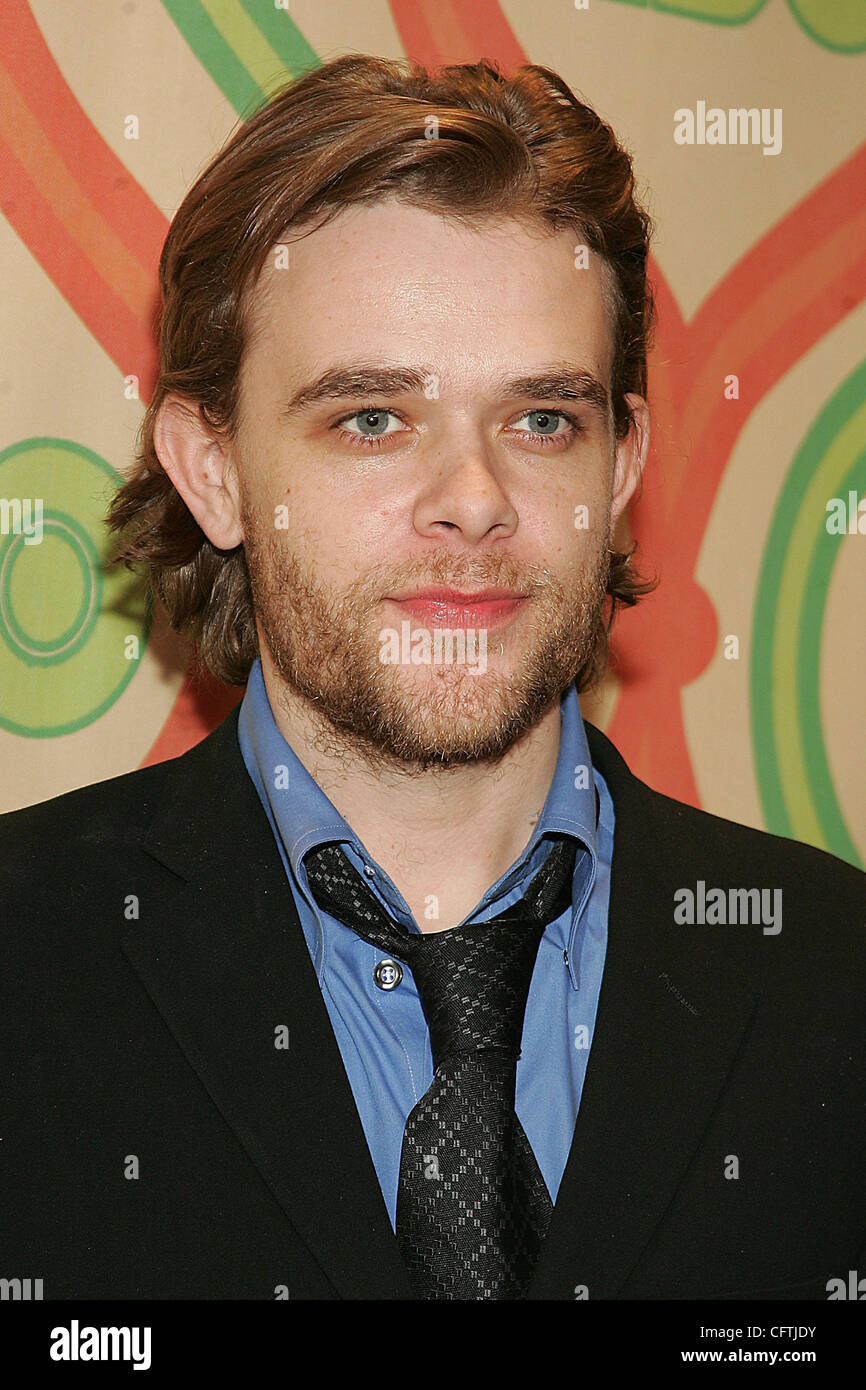
Nick Stahl is an acclaimed American actor known for his intense dramatic range and a career spanning over three decades. After rising to fame as a child star in the early 1990s and leading major blockbusters like Terminator 3: Rise of the Machines, Stahl has established himself in 2026 as a respected character actor characterized by his vulnerability and professional resilience.
The Early Breakthrough: Mel Gibson and Child Stardom
The trajectory of Nick Stahl’s career began with a level of critical acclaim that few child actors achieve. Born in 1979 in Harlingen, Texas, Stahl pursued acting from a young age, but his definitive break came in 1993. At just 13 years old, he was cast as Chuck Norstadt in The Man Without a Face, the directorial debut of Mel Gibson.
This role was significant not merely for its exposure, but for the technical demands it placed on a young performer. Playing opposite Gibson, who portrayed a disfigured recluse, Stahl had to carry much of the film’s emotional weight. His performance was noted by critics for its lack of "child actor" affectation; he possessed a naturalistic, soulful quality that suggested a depth beyond his years. This film set the template for Stahl’s future roles: characters who are often isolated, searching for a father figure, or grappling with internal turmoil.
Following this success, Stahl avoided the typical pitfalls of child stardom by choosing projects that prioritized artistic merit over commercial flash. He appeared in the 1995 Disney film Tall Tale, but it was his transition into late-adolescence roles that proved his longevity. By the time he appeared in Terrence Malick’s The Thin Red Line (1998), Stahl was being recognized as a serious ensemble player capable of holding his own alongside veterans like Sean Penn and George Clooney.
Transitioning to Adult Lead: The "In the Bedroom" Era
The early 2000s marked Nick Stahl’s transition from a promising young talent to a heavyweight dramatic actor. The pivotal moment in this evolution was the 2001 film In the Bedroom, directed by Todd Field. Although the film is primarily remembered for the powerhouse performances of Sissy Spacek and Tom Wilkinson, Stahl’s portrayal of their son, Frank Fowler, was the engine of the entire narrative.
In this role, Stahl exhibited a quiet, romantic intensity. His performance required him to balance the innocence of a young man in love with the looming threat of a tragic confrontation. The film received five Academy Award nominations and solidified Stahl’s reputation in the independent film circuit as a "director’s actor"—someone who could deliver nuance and subtlety in high-stakes dramas.
During this period, Stahl’s name became synonymous with a certain type of brooding, intelligent protagonist. He was not a traditional "pretty boy" lead; instead, he brought a gritty realism to the screen that appealed to both critics and audiences seeking more substantial storytelling. This reputation eventually led to his casting in one of the largest franchises in cinematic history.
The Blockbuster Challenge: Terminator 3 and John Connor
In 2003, Nick Stahl stepped into the global spotlight when he was cast as John Connor in Terminator 3: Rise of the Machines. Taking over a role previously defined by Edward Furlong was a daunting task. The film was one of the most expensive productions of its time and carried the weight of a multi-billion dollar legacy.
Stahl’s interpretation of John Connor was distinctly different from the rebellious youth seen in Terminator 2. He played Connor as a man living "off the grid," burdened by the weight of a destiny he didn't want and the psychological trauma of his past. While the film received mixed reviews compared to its predecessor, Stahl’s performance was often cited as a highlight. He managed to ground a high-concept sci-fi action movie in human anxiety and existential dread.
However, the experience of leading a massive summer blockbuster was a double-edged sword. While it increased his global profile, it also placed him under a level of scrutiny that few actors are prepared for. The transition from indie darling to action star is rarely seamless, and for Stahl, it preceded a period where his personal life would begin to overshadow his professional achievements.
Television Excellence: HBO’s Carnivàle
Parallel to his film success, Stahl made a significant impact on the medium of television. Between 2003 and 2005, he starred as Ben Hawkins in the HBO series Carnivàle. The show was ahead of its time, a high-budget, mythologically dense period piece set during the Dust Bowl.
Stahl’s Ben Hawkins was a "healer" with a dark past, serving as the messianic protagonist in a cosmic battle between good and evil. The role required immense physical and emotional endurance. Stahl’s ability to convey Ben’s internal conflict—his fear of his own power and his reluctance to embrace his fate—was central to the show's cult success. Carnivàle remains a touchstone for "prestige TV," and Stahl’s performance is frequently discussed in retrospective analyses of the genre.
| Year | Project | Role | Genre | Significant Impact |
|---|---|---|---|---|
| 1993 | The Man Without a Face | Chuck Norstadt | Drama | Major breakthrough; child star debut. |
| 1998 | The Thin Red Line | Pfc. Bead | War/Drama | Worked with director Terrence Malick. |
| 2001 | In the Bedroom | Frank Fowler | Indie Drama | Critical peak; established adult range. |
| 2003 | Terminator 3 | John Connor | Sci-Fi/Action | Entry into major franchise blockbusters. |
| 2003 | Carnivàle | Ben Hawkins | Fantasy/Drama | Landmark performance in prestige television. |
| 2005 | Sin City | Roark Jr. / Yellow Bastard | Neo-noir | Unrecognizable role; physical transformation. |
| 2021 | Fear the Walking Dead | Jason Riley | Horror/Drama | Marked a successful return to television. |
| 2023 | Knights of the Zodiac | Cassios | Action/Fantasy | Return to large-scale international projects. |
Personal Challenges and Professional Hiatus
Like many who find success at a young age, Nick Stahl faced significant personal hurdles during the late 2000s and early 2010s. His struggles with substance abuse were well-documented by various media outlets, leading to a period of sporadic work and eventual absence from the industry.
By 2012, Stahl’s career appeared to have hit a standstill. There were periods where he was effectively "missing" from the public eye, and for several years, he stepped away from acting entirely to focus on his health and recovery. This period of his life is often discussed in the context of the pressures of Hollywood, but it is also the foundation for what many consider one of the most authentic comeback stories in modern entertainment.
Unlike many actors who attempt a comeback through self-promotion, Stahl’s return was quiet and focused on the work. He took smaller roles in independent films and television guest spots, slowly rebuilding the trust of casting directors and producers.
The Modern Renaissance: 2019 to 2026
The "Nick Stahl Renaissance" began in earnest around 2019. Now in 2026, we can look back at this decade as the period when Stahl transitioned into a veteran character actor. His return was marked by a newfound maturity and a willingness to embrace darker, more complex roles that utilized his life experiences.
His role in Fear the Walking Dead (2021) as Jason Riley was a turning point. It introduced him to a new generation of viewers and proved that he still possessed the screen presence required for high-stakes genre storytelling. This was followed by a chilling performance in the series Let the Right One In (2022), where he played a fixer for a vampire family.
Stahl’s recent work suggests an actor who is no longer interested in the "leading man" trope but is instead focused on the craft of transformation. In projects like Knights of the Zodiac (2023) and various independent thrillers released between 2024 and 2025, he has shown a remarkable ability to vanish into roles, often playing characters that are morally ambiguous or physically imposing.
Analyzing Stahl’s Acting Technique
What distinguishes Nick Stahl from his contemporaries is his mastery of "internalized" acting. While many actors rely on broad gestures or explosive dialogue, Stahl often does his best work in silence. His eyes have frequently been described by critics as his most effective tool—conveying a sense of haunted intelligence and weariness.
This technique was particularly evident in his role as the "Yellow Bastard" in Sin City (2005). Under heavy prosthetics and bright yellow paint, Stahl managed to deliver a performance that was both repulsive and terrifying, relying entirely on his vocal cadence and physical movement to project the character's depravity.
In 2026, his approach has evolved to include a sense of "lived-in" authority. There is a weight to his performances now that wasn't there in his youth. Whether he is playing a villain or a broken hero, there is a palpable sense of reality to his work that stems from a career—and a life—that has seen both the highest peaks and the lowest valleys of the human experience.
Frequently Asked Questions
Why did Nick Stahl leave acting for several years?
Stahl took a hiatus primarily to address long-standing personal issues related to substance abuse. He has been open in interviews about the need to step away from the industry to prioritize his sobriety and mental health, which ultimately allowed him to return to acting with a clearer focus and renewed passion.
Who did Nick Stahl play in the Terminator franchise?
Nick Stahl played the adult John Connor in the 2003 film Terminator 3: Rise of the Machines. He took over the role from Edward Furlong, who played the character in the 1991 sequel. Stahl's version of the character focused on the psychological burden of being the future leader of the human resistance.
What are Nick Stahl’s most famous roles?
His most recognized roles include Chuck Norstadt in The Man Without a Face, Frank Fowler in In the Bedroom, John Connor in Terminator 3, and Ben Hawkins in the HBO series Carnivàle. He is also well-known for his transformative role as Roark Jr. (Yellow Bastard) in Sin City.
Is Nick Stahl still acting in 2026?
Yes, as of 2026, Nick Stahl is very active in the industry. He has successfully transitioned into a respected character actor, appearing in a mix of prestige television series, independent films, and occasional big-budget genre projects. His career is currently seen as being in a "renaissance" phase.
Has Nick Stahl won any awards for his acting?
While he has not won an Academy Award, Stahl has received numerous nominations throughout his career, including a Screen Actors Guild (SAG) Award nomination for Outstanding Performance by a Cast in a Motion Picture for In the Bedroom. He has also been recognized at various independent film festivals for his dramatic contributions.
Recommendation for Viewers
To truly appreciate Nick Stahl’s range, viewers should look beyond his blockbuster work. While Terminator 3 is his most famous credit, his performances in In the Bedroom and Carnivàle represent the pinnacle of his dramatic capabilities. For those interested in his modern resurgence, his work in Let the Right One In serves as an excellent example of how he has refined his craft in his later years. Watching his filmography in chronological order provides a fascinating look at the maturation of an actor who survived the pressures of early fame to become one of the industry's most reliable performers.