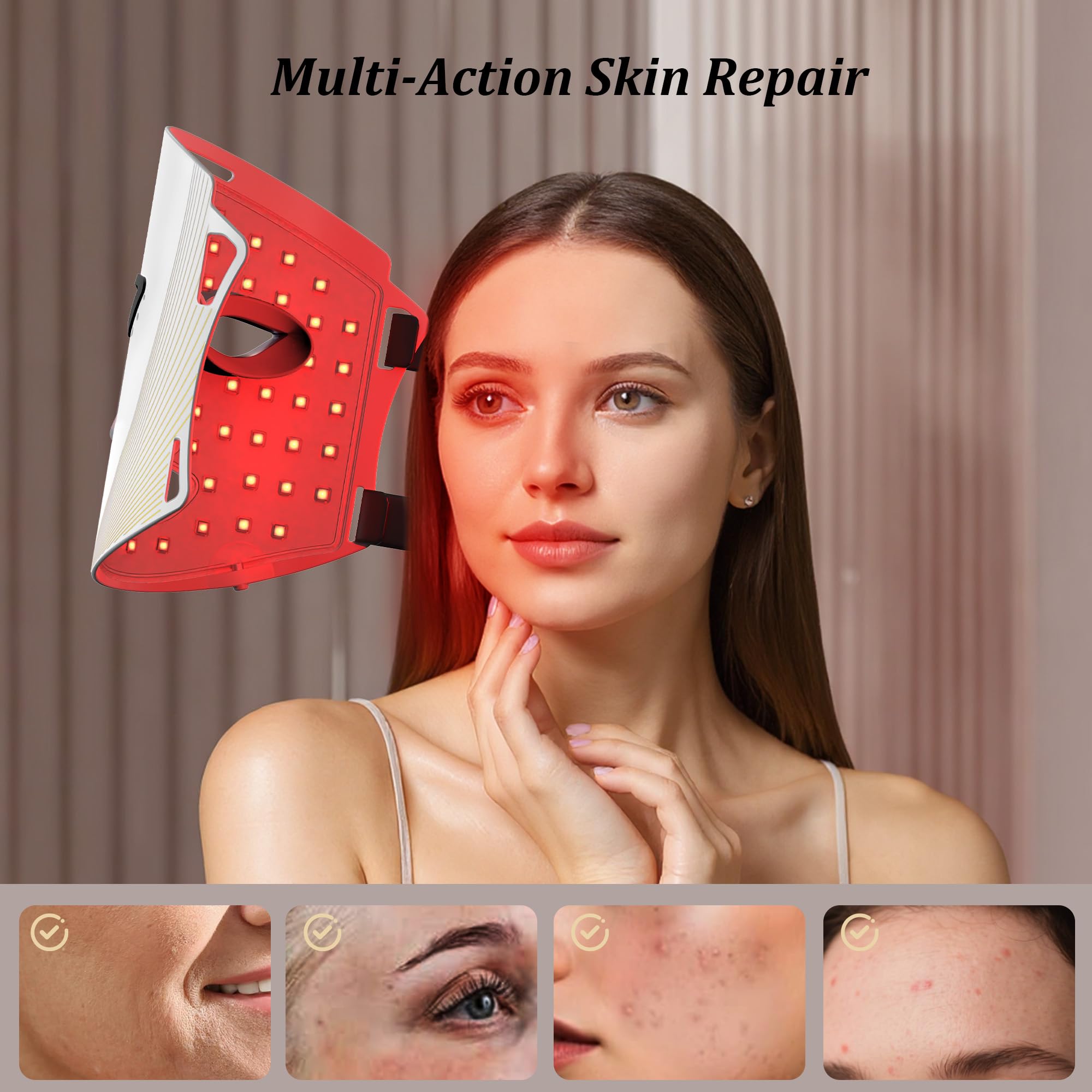
An acne light therapy mask is a wearable skincare device that uses specific wavelengths of light—most commonly blue and red—to target acne-causing bacteria, reduce inflammation, and promote skin healing without the need for ultraviolet rays or harsh chemical topicals.
Introduction to Light Therapy for Acne
Light-emitting diode (LED) therapy has transitioned from specialized dermatology clinics to consumer-accessible, at-home wearables. An acne light therapy mask represents a major shift in how individuals manage persistent breakouts, offering a non-invasive, drug-free alternative to traditional topical treatments and oral medications.
While professional treatments can be costly and time-consuming, at-home masks provide a convenient way to integrate phototherapy into a daily skincare routine. However, understanding the underlying science, proper operation, safety protocols, and realistic expectations is essential to determine whether these devices suit your specific skin profile.
The Science Behind LED Light Therapy
To understand how an acne light therapy mask works, it helps to look at photobiomodulation—the process by which specific wavelengths of light interact with cellular photoreceptors. Different colors of the light spectrum penetrate the skin at varying depths and trigger distinct biological responses.
Wavelengths and Their Functions
- Blue Light (approx. 400–470 nm): Blue light targets the epidermis, where Cutibacterium acnes ($C.\ acnes$) bacteria reside. These bacteria produce natural compounds called porphyrins. When exposed to blue light, porphyrins absorb the photons and produce reactive oxygen species that destroy the bacteria from within, effectively reducing active inflammatory acne and preventing new breakouts.
- Red Light (approx. 630–700 nm): Red light penetrates deeper into the dermis. It does not kill bacteria directly; instead, it stimulates cellular energy production (ATP), reduces inflammation, accelerates tissue repair, and downregulates sebum production. This makes red light particularly useful for calming cystic lesions, fading post-inflammatory hyperpigmentation, and minimizing scarring.
- Near-Infrared Light (approx. 800–850 nm): Though less common in basic consumer masks, near-infrared light penetrates deeper still to support deep tissue healing, collagen synthesis, and long-term dermal resilience.
Benefits and Limitations of At-Home Masks
Before purchasing or using an acne light therapy mask, weigh the clinical benefits against the operational limitations. Managing expectations helps prevent frustration and ensures safe usage.
Advantages
- Non-Invasive and Chemical-Free: Unlike benzoyl peroxide or retinoids, LED therapy does not cause skin peeling, chemical burns, or photosensitivity to UV rays.
- Convenience: Hands-free designs allow users to multitask while undergoing a 10-to-20-minute treatment session.
- Cost-Effective Over Time: While upfront costs can be high, a durable mask eliminates the recurring expense of professional clinical sessions.
- Versatility: Many devices offer multi-wavelength settings that address both active acne and secondary concerns like fine lines or redness.
Disadvantages and Limitations
- Mild Efficacy Compared to Clinical Devices: At-home masks feature lower power outputs (irradiance) than medical-grade office machinery, meaning results take longer to manifest.
- Upfront Investment: High-quality FDA-cleared devices can range from $100 to over $500.
- Inconsistent Results: Phototherapy does not work uniformly for every skin type or acne etiology (e.g., hormonal acne often requires systemic intervention).
- Compliance Requirements: Devices require consistent, long-term use (often 3 to 5 times per week) to maintain results.
Key Factors When Choosing an Acne Light Therapy Mask
The market features dozens of options, ranging from rigid silicone molds to hard plastic face shields. Evaluating devices based on objective criteria ensures safety and therapeutic value.
| Feature | Low-End / Budget Masks | Mid-Range to Premium Masks | Clinical / Professional Devices |
|---|---|---|---|
| Typical Cost | $30 – $80 | $100 – $300 | $400 – $2,000+ |
| Light Source | Uncalibrated LEDs; mixed spectrums | High-purity medical-grade LEDs | High-output diode arrays |
| Wavelength Precision | Often imprecise (broad spectrum) | Targeted (e.g., precise 415nm and 633nm) | Exact, lab-verified nanometer output |
| Regulatory Status | Frequently unverified | FDA-cleared or CE-marked | FDA-cleared medical device |
| Build Material | Thin, rigid plastic; unpadded | Flexible medical-grade silicone | Rigid ergonomic shields with eye protection |
Regulatory Clearance and Safety Certification
Look for devices cleared by the U.S. Food and Drug Administration (FDA) or certified under equivalent international medical device standards. Clearance indicates that the manufacturer has demonstrated electrical safety and appropriate irradiance levels that will not thermally damage skin tissue or harm unprotected eyes.
Ergonomics, Coverage, and Eye Safety
A well-designed mask should sit comfortably on the face, with uniform diode distribution covering the cheeks, forehead, and chin. Because high-intensity light can strain ocular structures, check whether the mask features built-in eye protection, such as tinted eye-holes or silicone eye shields, or if manual goggles are required during use.
Step-by-Step Guide to Using an Acne Light Therapy Mask
Consistency and correct application technique maximize the therapeutic potential of an LED mask. Follow these procedural steps for safe and effective treatments:
- Cleanse the Skin: Wash your face with a gentle, non-stripping cleanser to remove makeup, oil, and impurities that might block light penetration.
- Dry Thoroughly: Ensure your face is completely dry. Avoid applying thick oils or heavy barrier creams before the session, as active ingredients can sometimes interact negatively with light or reflect photons away from the skin.
- Position the Mask: Secure the mask comfortably using the adjustable head straps. Ensure the protective eye guards rest securely around your eyes if the device lacks total blackout shields.
- Select the Program: Turn on the device and select your target mode (typically a combination of blue light for active blemishes and red light for calming inflammation).
- Relax During the Session: Most sessions last between 10 and 20 minutes. The device will typically shut off automatically when the cycle is complete.
- Post-Treatment Care: Remove the mask and apply a hydrating, non-comedogenic moisturizer and sunscreen (if using during the day). Clean the interior of the mask with a gentle, alcohol-free wipe.
Safety Precautions, Contraindications, and Professional Guidance
While LED light therapy is generally safe for most skin tones because it does not use UV radiation, certain medical conditions and medications require caution.
Contraindications
- Photosensitizing Medications: Individuals taking medications that increase light sensitivity—such as isotretinoin (Accutane), certain tetracycline antibiotics, or specific topicals—should consult a dermatologist before using LED masks.
- Eye Disorders: People with pre-existing eye conditions, such as retinitis pigmentosa or macular degeneration, should avoid direct exposure to high-intensity LEDs and use certified blackout goggles.
- Active Skin Infections or Lesions: Open wounds, severe burns, or skin cancers should not be directly exposed to home light therapy devices without professional medical clearance.
Disclaimer: The information provided in this guide is for educational purposes only and does not constitute medical advice. Consult a board-certified dermatologist or healthcare provider before starting any new skin treatment, especially if you have chronic skin conditions or take prescription medications.
Frequently Asked Questions
How long does it take to see results from an acne light therapy mask?
Most users notice a reduction in active inflammation within 2 to 4 weeks of consistent use (3 to 5 times per week). Significant clearing of chronic acne typically requires 8 to 12 weeks of dedicated treatment.
Can I use an acne light therapy mask alongside topical acne treatments like retinol or benzoyl peroxide?
Yes, but timing matters. Applying strong actives immediately before a light session can cause irritation. It is best to perform the light therapy on clean, bare skin, and then apply your serums or moisturizers after the treatment session is complete.
Are at-home LED masks as effective as in-office professional treatments?
At-home masks generally have lower energy outputs (irradiance) than professional in-office panels to ensure safety without supervision. While they require more frequent sessions to achieve comparable results, they offer a convenient and cost-effective maintenance tool.
Is blue light safe for all skin tones?
Yes. Unlike UV light, which can cause hyperpigmentation and DNA damage across various Fitzpatrick skin types, safe blue and red LED wavelengths do not stimulate melanin production in a way that causes tanning or paradoxical hyperpigmentation, making them suitable for all skin tones.
How do I clean and maintain my light therapy mask?
Wipe the inner surface of the mask after every use with a gentle, alcohol-free antibacterial wipe or microfiber cloth dampened with mild soapy water. Never submerge electronic masks in water or store them in damp areas like bathrooms.
Conclusion and Next Actions
An acne light therapy mask serves as a valuable, non-invasive addition to a comprehensive skincare regimen, bridging the gap between topical home care and clinical dermatology. To take the next step, evaluate your skin's specific needs, verify that your chosen device carries appropriate regulatory clearances, and commit to a consistent schedule. For persistent, severe, or scarring cystic acne, schedule a consultation with a licensed dermatologist to design a targeted treatment plan combining phototherapy with professional medical guidance.