Venice, Florida, experiences a humid subtropical climate characterized by long, hot summers with frequent thunderstorms and short, mild winters. According to AccuWeather data for 2026, the region continues to see distinctive seasonal shifts driven by the Gulf of Mexico's thermal inertia and the prevailing Atlantic high-pressure systems.
The Geographic Influence on Venice’s Climate
To understand the weather patterns in Venice, Florida, one must first look at its unique geography. Situated on the Gulf Coast in Sarasota County, Venice is essentially an island, separated from the mainland by the Intracoastal Waterway. This proximity to a massive body of water—the Gulf of Mexico—is the primary driver of the local climate.
The Gulf acts as a giant heat sink. In the summer, the water stays slightly cooler than the scorching land, creating a pressure differential that generates the daily sea breeze. In the winter, the Gulf remains relatively warm, preventing temperatures in Venice from dropping as low as they do in inland Florida cities like Orlando or Arcadia.
AccuWeather’s proprietary RealFeel technology is particularly useful in Venice because it accounts for the intense humidity coming off these waters. In 2026, the difference between the actual air temperature and the RealFeel can often exceed 15 degrees Fahrenheit during the peak of summer, a critical metric for residents managing outdoor activities or health concerns.
The Seasonal Breakdown: A Year in Venice Weather
While many visitors think of Florida as having "eternal summer," Venice residents know there are four distinct meteorological phases. Each phase carries specific risks and benefits that AccuWeather tracking helps to navigate.
The Dry Season: December through April
This is widely considered the most pleasant time in Venice. During these months, the "Bermuda High" shifts, allowing cold fronts from the north to occasionally dip into Central and South Florida.
- Temperature Ranges: Daytime highs typically hover between 72°F and 78°F, while nighttime lows can drop into the 50s.
- Humidity Levels: This is the period of lowest humidity. AccuWeather Venice Florida weather patterns show that dew points often fall into the comfortable 40s and 50s, a sharp contrast to the rest of the year.
- Precipitation: Rainfall is scarce. Most precipitation comes from fast-moving cold fronts rather than the slow-moving tropical systems seen in summer.
The Transition Phase: May
May is often the hottest "dry" month. The sun is nearly directly overhead, but the summer rains haven't started yet. This leads to a period of high fire danger and intense UV exposure. AccuWeather’s UV Index reports during this time frequently hit "Extreme" levels (11+), necessitating strict sun protection for those visiting Venice Beach or Caspersen Beach.
The Wet Season: June through September
This is the most predictable yet volatile period. The weather follows a rigorous daily cycle:
- Morning: Clear skies, rising humidity, and calm winds.
- Midday: Intense heating causes air to rise over the Florida peninsula.
- Afternoon: Moist air from the Gulf of Mexico rushes in to replace the rising air (the sea breeze). This collides with the Atlantic sea breeze in the center of the state, resulting in explosive thunderstorm development.
- Evening: Storms move back toward the coast (Venice) before dissipating over the Gulf after sunset.
The Cooling Phase: October and November
As the days shorten, the frequency of afternoon thunderstorms drops significantly. However, this is also a peak period for tropical activity. The water in the Gulf is at its warmest in September and October, providing the fuel necessary for tropical storms and hurricanes.
AccuWeather Tools for Venice Residents
Living in Venice requires more than just checking the high and low temperatures. The local environment demands specific technical tools offered by AccuWeather to manage daily life safely and efficiently.
MinuteCast and Convective Rain
Venice is prone to "pop-up" thunderstorms that can drop two inches of rain in one neighborhood while the street a mile away remains bone dry. MinuteCast provides hyper-local, minute-by-minute precipitation forecasts. For golfers at the many courses in Venice or boaters at the Venice Inlet, this tool is vital for deciding whether to seek shelter or continue their activities.
Tropical Monitoring and the 2026 Hurricane Season
As of 2026, hurricane tracking has become more sophisticated. AccuWeather’s hurricane center provides "RealImpact" scales that look beyond just wind speed (the Saffir-Simpson scale) to include storm surge, flooding rain, and economic impact. Venice is particularly vulnerable to storm surge due to its low elevation and coastal inlets. Residents use these patterns to determine evacuation necessity long before official orders are issued.
Air Quality and Pollen Tracking
The subtropical climate allows plants to bloom year-round. Venice frequently sees high counts of oak and pine pollen in the early spring, followed by mold spores during the humid summer. AccuWeather’s localized air quality index (AQI) helps the significant retiree population in Venice manage respiratory conditions like COPD or asthma, which can be exacerbated by the heavy, moist air.
Comparative Climate Data for Venice, Florida
The following table outlines the average meteorological expectations for Venice based on historical data and 2026 projections.
| Month | Avg High (°F) | Avg Low (°F) | Avg Rainfall (Inches) | Primary Weather Feature |
|---|---|---|---|---|
| January | 72 | 51 | 2.5 | Occasional Cold Fronts |
| February | 74 | 53 | 2.3 | Dry and Sunny |
| March | 77 | 57 | 3.1 | Peak "Snowbird" Weather |
| April | 81 | 61 | 2.4 | Rising Temperatures |
| May | 86 | 67 | 2.8 | Intense UV/Dry Heat |
| June | 89 | 73 | 8.2 | Start of Rainy Season |
| July | 91 | 75 | 7.9 | Afternoon Thunderstorms |
| August | 91 | 75 | 8.8 | High Humidity/Peak Heat |
| September | 89 | 74 | 8.1 | Tropical Activity Risk |
| October | 85 | 68 | 3.5 | Transition to Dry Season |
| November | 79 | 60 | 2.0 | Cooling Breezes |
| December | 74 | 54 | 2.2 | Mild and Pleasant |
Technical Depth: The Science of the "Venice Bubble"
Long-term residents often speak of the "Venice Bubble," a phenomenon where storms seem to split or dissipate before hitting the city. While often dismissed as local folklore, there is a meteorological basis for this observation involving the Venice Inlet and the local convergence zones.
During the summer, the shape of the coastline at Venice—a slight protrusion into the Gulf—affects how the sea breeze front develops. Depending on the wind direction, the cool air from the Gulf can create a stabilized "micro-high" over the immediate coast. This stabilization can occasionally suppress the updrafts necessary for thunderstorms, causing them to fire 5 to 10 miles inland rather than directly over the beachfront.
However, AccuWeather Venice Florida weather patterns indicate that this "bubble" is not a reliable shield against major systems. Synoptic-scale events, such as tropical lows or strong cold fronts, are far too large to be influenced by these local coastal dynamics.
Navigating Marine Weather and the Venice Inlet
For the boating community, Venice weather patterns are a matter of safety. The Venice Inlet is the only passage to the Gulf between Sarasota and Charlotte Harbor. It can become treacherous when certain weather patterns align.
- Outgoing Tide vs. Onshore Wind: When a strong sea breeze (west wind) meets an outgoing tide, it creates "standing waves" in the inlet that can capsize smaller vessels.
- Fog Patterns: In the winter and early spring, warm air moving over the cooler Gulf waters creates "sea fog." This advection fog can reduce visibility to near zero in minutes. AccuWeather’s visibility tracking is a prerequisite for safe navigation in the Intracoastal Waterway during these months.
- Lightning Hazards: Florida is the lightning capital of the United States. In Venice, the afternoon storm clouds often lean toward the coast. Boaters must monitor the "Lightning Strike" radius features in weather apps to ensure they are off the water at least 30 minutes before a storm arrives.
Impact of Climate Trends in 2026
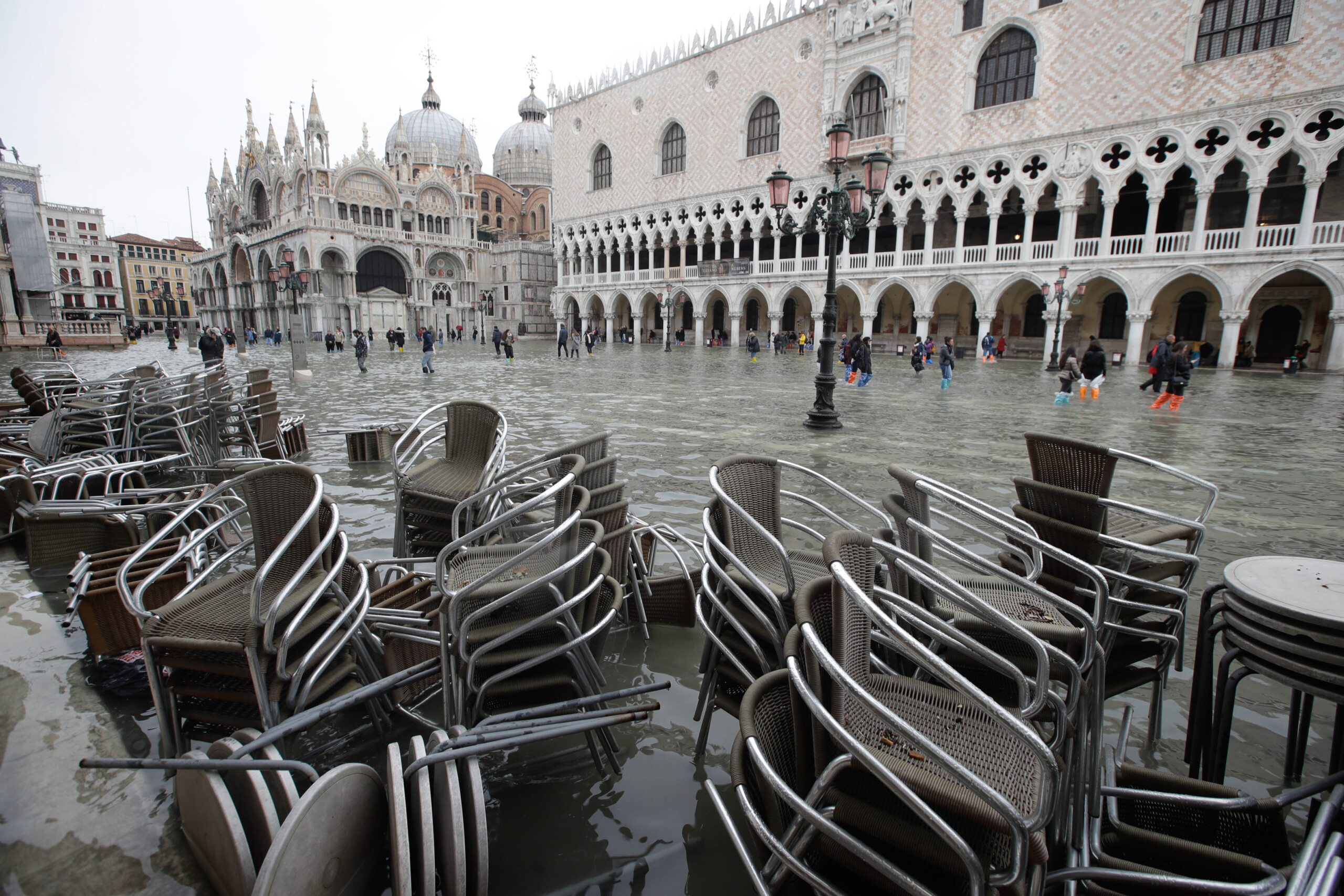
By 2026, Venice has seen a slight but measurable increase in "nuisance flooding" or "sunny day flooding." This occurs during high tide events, particularly during the "King Tides" in the fall. Weather patterns are now inextricably linked to tidal cycles in Venice.
AccuWeather data now integrates tidal surges into its coastal forecasts. Even without a storm, a persistent onshore wind combined with a high tide can push water into the streets of the historic district and around the Venice Jetty. This makes the "Coastal Flood Advisory" a common part of the Venice weather lexicon, even when the sky is clear.
FAQs: AccuWeather Venice Florida Weather Patterns
What is the best month to visit Venice, Florida?
According to historical and 2026 AccuWeather trends, March and April are the optimal months. During this window, the humidity remains low, the chance of rain is minimal, and temperatures are consistently in the high 70s or low 80s. This avoids both the occasional winter "cold snaps" and the oppressive summer heat.
How often do hurricanes actually hit Venice?
While Venice is in a high-risk zone, direct hits from major hurricanes are statistically less frequent than in the Panhandle or Southeast Florida. However, "indirect" hits are common. Systems passing 50 miles offshore can still bring significant storm surge and tropical-storm-force winds to the area. Always follow the AccuWeather hurricane tracker during the season (June–November) for real-time updates.
Why is it so humid in Venice even when it's not raining?
Venice is surrounded by water. The Gulf of Mexico to the west and the Myakka River basin to the east create a constant supply of moisture. In the summer, the dew point—a measure of atmospheric moisture—frequently stays above 70°F. When the dew point is high, sweat cannot evaporate from the skin, which is why the AccuWeather RealFeel temperature is a better indicator of comfort than the actual thermometer reading.
Does it ever snow in Venice, Florida?
Snow in Venice is extremely rare but not impossible. The last measurable traces in the general region occurred decades ago. For snow to happen, a perfect "setup" of moisture and freezing air must reach the coast before the warm Gulf air moderates it. Residents are more likely to see "graupel" (soft hail) or a light frost during an exceptional winter cold front.
How do I prepare for the daily afternoon thunderstorms?
In the summer, treat the 3:00 PM to 6:00 PM window as a "high alert" period. If you are planning outdoor dining on Venice Avenue or a trip to the beach, check the local radar by 2:00 PM. These storms move quickly; if you hear thunder, the lightning is close enough to strike you.
Practical Advice for Residents and Visitors
To navigate Venice weather effectively in 2026, adopt a "layering" approach to your day. In the winter, mornings require a light jacket, but you will likely be in short sleeves by noon. In the summer, carry an umbrella even if the morning sky is blue.
For those new to the area, pay close attention to the Heat Advisory warnings. Hydration is critical, as the humidity in Venice can lead to rapid heat exhaustion. Use AccuWeather's "Outdoor Health" indices to plan strenuous activities like biking the Venetian Waterway Park or the Legacy Trail for the early morning hours (before 9:00 AM) when the sun’s angle is lower and the temperature hasn't yet peaked.
By monitoring the long-term patterns and utilizing high-resolution forecasting tools, you can enjoy everything the "City on the Gulf" has to offer while staying safe and dry.