At age 83, you can cash out a life insurance policy through several methods, including surrendering the policy for its cash value, pursuing a life settlement, or accessing accelerated death benefits. Because of your advanced age, a life settlement often yields significantly more money than surrendering the policy directly to the insurance company.
For many seniors, a life insurance policy that was essential decades ago may no longer serve its original purpose. Perhaps the mortgage is paid off, the children are financially independent, or the rising cost of premiums has become a burden on a fixed income. At 83, your policy is often at its peak market value. This guide explores the technical mechanisms, financial implications, and procedural steps for converting your coverage into liquidity in 2026.
Understanding the Primary Methods to Liquify Your Policy
Cashing out is not a one-size-fits-all process. The "best" method depends entirely on the type of policy you own—whether it is term, whole life, or universal life—and your current health status.
1. Cash Surrender Value
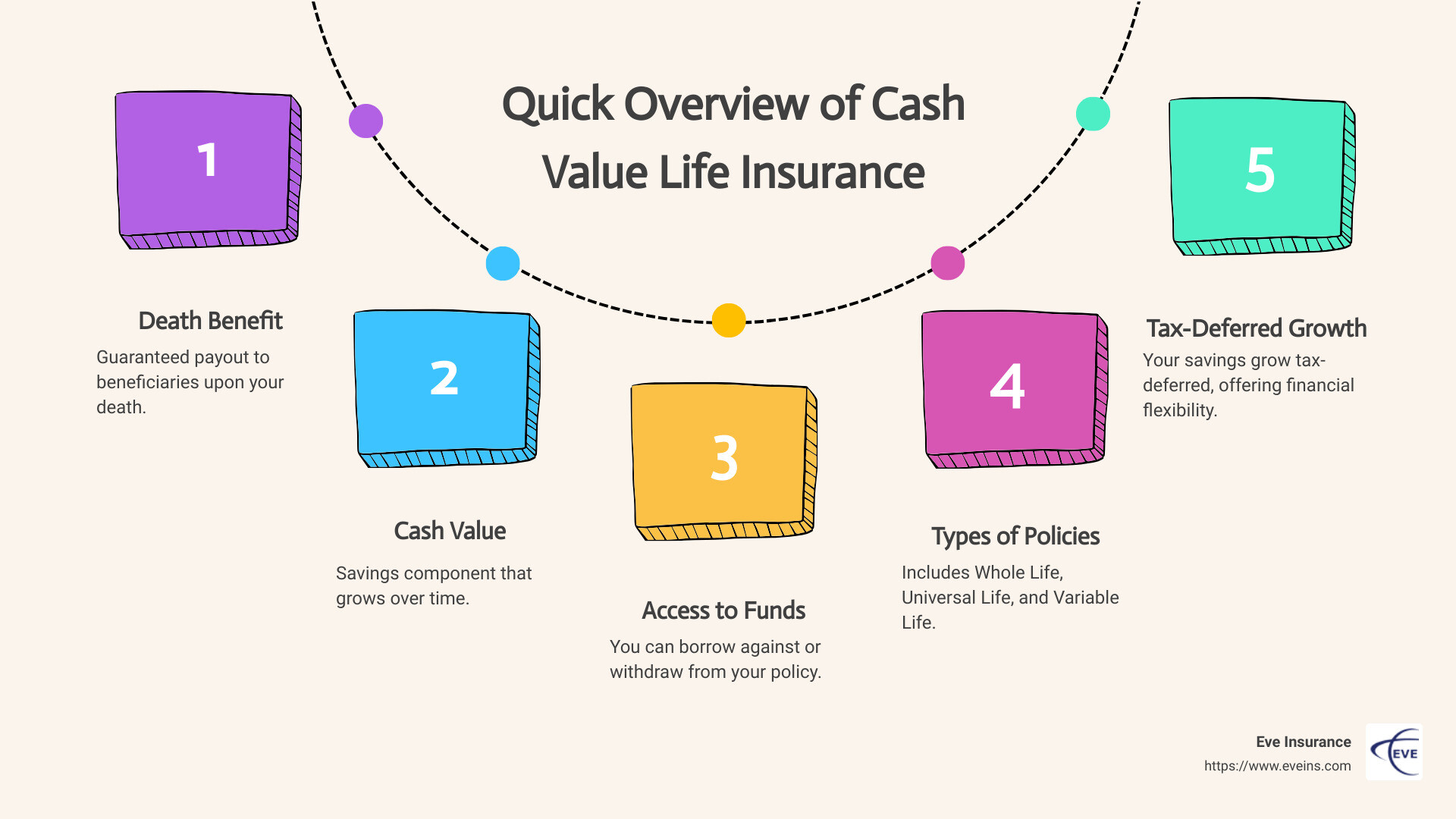
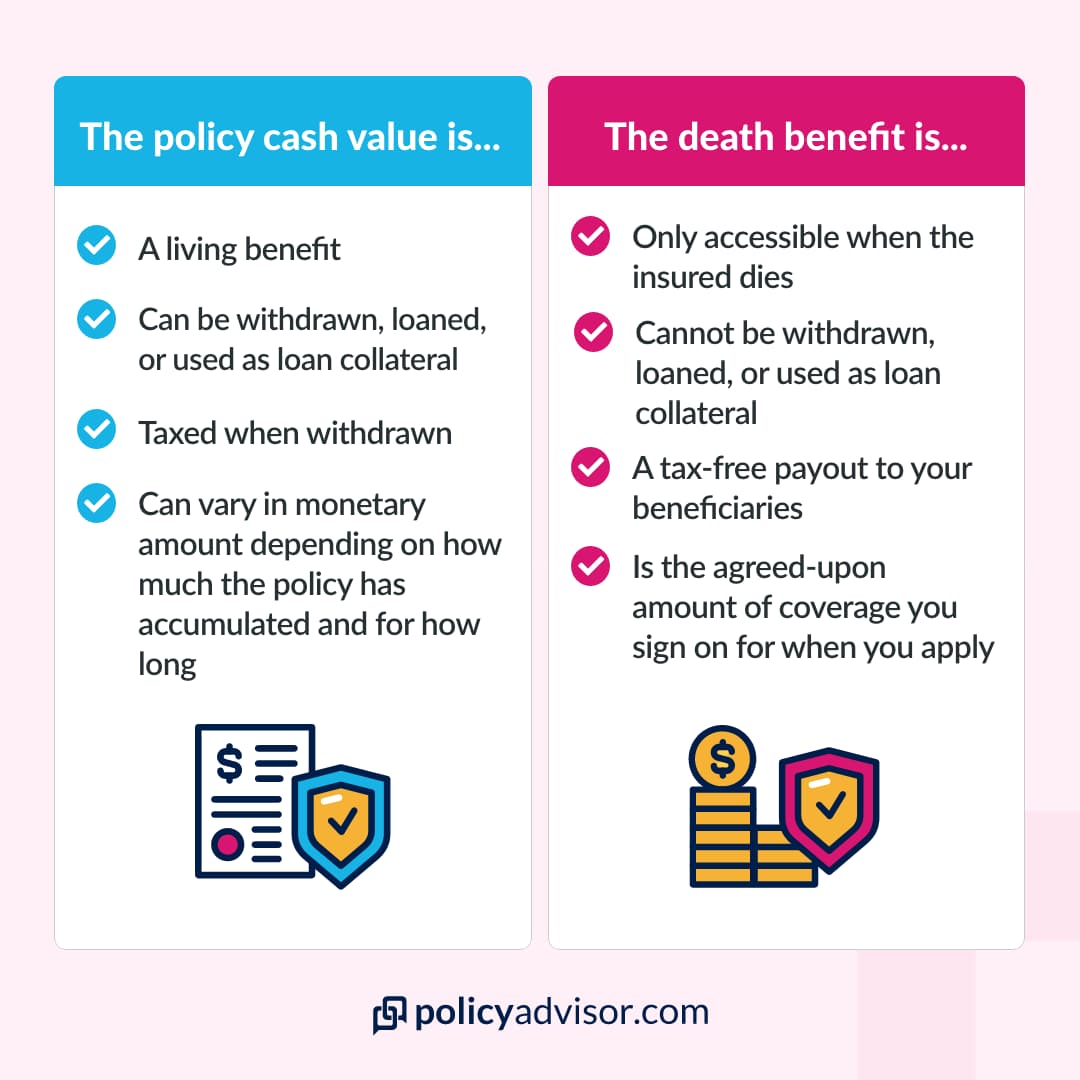
If you own a permanent policy, such as whole life or universal life, it accumulates a "cash value" component over time. Surrendering the policy means you are formally cancelling the contract in exchange for the net cash value held by the insurer.
At age 83, the cash value may be substantial, but it is important to distinguish between the account value and the surrender value. The surrender value is the amount you actually receive after the insurance company subtracts any outstanding policy loans and "surrender charges." While most surrender charge periods expire after 10 to 15 years, it is vital to verify this with your carrier.
2. Life Settlements (The Secondary Market)
A life settlement is the sale of an existing life insurance policy to a third party (usually an institutional investor) for a one-time cash payment. This payment is always more than the cash surrender value but less than the total death benefit.
For an 83-year-old, the life settlement market is particularly robust. Investors value these policies based on the insured's life expectancy. Because an 83-year-old has a shorter statistical life expectancy than a 65-year-old, the investor expects to pay premiums for a shorter duration before collecting the death benefit. Consequently, they are often willing to offer a much higher price—sometimes four to eight times the surrender value offered by the insurance company.
3. Accelerated Death Benefits (Living Benefits)
Many modern policies include "living benefits" or accelerated death benefit (ADB) riders. These allow the policyholder to access a portion of the death benefit while still alive if they are diagnosed with a terminal illness (usually a life expectancy of 12–24 months) or a chronic illness that prevents them from performing activities of daily living (ADLs).
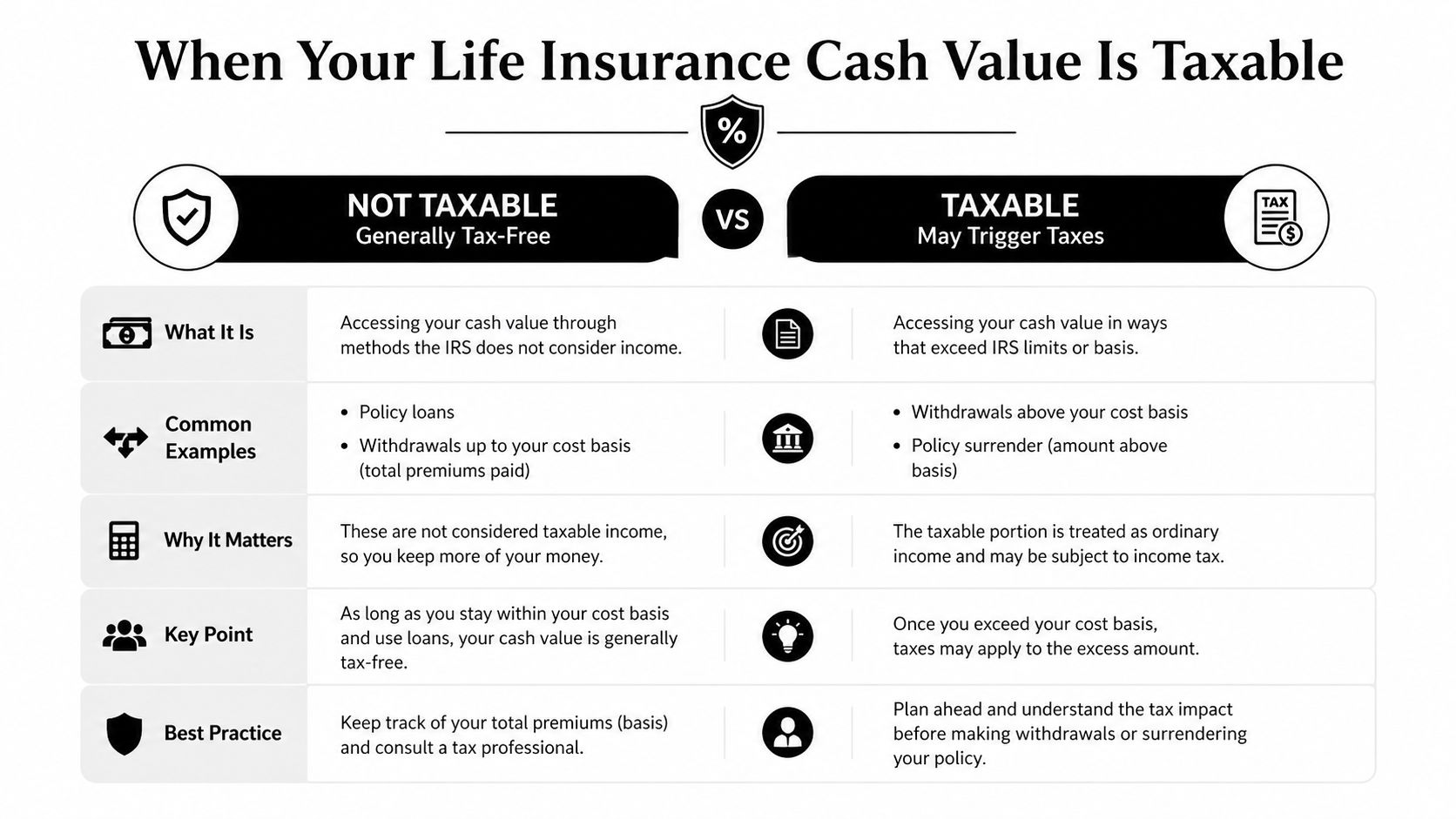
At 83, if you are facing health challenges, this might be the most tax-efficient way to cash out. Most ADB payments are received tax-free, whereas life settlements and surrenders may have tax liabilities.
The Life Settlement Process for Seniors
Because life settlements often provide the highest payout for seniors, understanding the mechanics of this transaction is crucial. In 2026, the secondary market for insurance is highly regulated, providing significant protections for sellers.
Valuation Factors
Several factors determine how much an investor will pay for your policy at age 83:
- Face Value: The total death benefit of the policy.
- Premium Costs: How much the investor must pay annually to keep the policy in force. If the premiums are very high relative to the death benefit, the offer will be lower.
- Health Status: Paradoxically, in a life settlement, poorer health leads to a higher payout because it shortens the projected time the investor must wait for the maturity of the policy.
- Policy Type: Universal life and convertible term policies are generally easier to sell than "straight" whole life policies, though all are eligible for appraisal.
Step-by-Step Procedure
- Appraisal: You provide basic policy details and recent medical records to a life settlement broker or provider.
- Market Submission: Your policy is shopped to various institutional investors to secure competitive bids.
- Offer and Acceptance: Once a high bid is reached, you receive a closing package.
- Escrow and Transfer: The funds are placed in an independent escrow account. The ownership and beneficiary designations are changed to the investor.
- Fund Release: Once the insurance company confirms the change of ownership, the escrow agent releases the funds to you.
Comparison of Cash-Out Methods at Age 83
The following table compares the typical outcomes for an 83-year-old policyholder looking to liquify a $500,000 permanent life insurance policy.
| Feature | Cash Surrender | Life Settlement | Policy Loan | Accelerated Death Benefit |
|---|---|---|---|---|
| Typical Payout | $50,000 - $100,000 | $150,000 - $250,000 | Variable (up to 90% of cash value) | 50% - 80% of Death Benefit |
| Speed of Access | 7 - 14 Days | 60 - 90 Days | 5 - 10 Days | 30 - 60 Days |
| Tax Status | Taxable over basis | Mixed (Capital Gains/Ordinary) | Generally Tax-Free | Generally Tax-Free |
| Ownership | Policy Terminated | Policy Transferred | You Retain Policy | You Retain Policy |
| Health Requirement | None | Preferred (Moderate/Poor) | None | Strict (Terminal/Chronic) |
Tax Implications and Financial Considerations
Cashing out a policy at 83 is not just about the gross check you receive; it is about the net amount that stays in your pocket after taxes and the impact on your overall estate plan.
Taxing the Proceeds
When you surrender a policy, the IRS treats any amount received above the "cost basis" (the total premiums you have paid into the policy over the years) as ordinary income.
In a life settlement, the taxation is slightly more complex. Under the Tax Cuts and Jobs Act (which remains the foundational logic for settlements in 2026), the proceeds are taxed in three tiers:
- Tax-Free: Up to the amount of your cost basis.
- Ordinary Income: The difference between the cash surrender value and the cost basis.
- Capital Gains: Any amount received above the cash surrender value.
Impact on Medicaid Eligibility
For an 83-year-old, cashing out a policy can have unintended consequences for long-term care planning. Medicaid is a needs-based program. If you receive a $200,000 life settlement, those funds count as an asset. This could "disqualify" you from Medicaid coverage for nursing home care until the money is spent down on care costs. If your goal is to fund immediate care, some life settlement providers offer "Long-Term Care Benefit Accounts" that may be treated differently by state regulators.
The Opportunity Cost
At age 83, the death benefit is "closer" than it has ever been. By cashing out, you are essentially trading a larger future payout (the death benefit for your heirs) for a smaller present-day sum. You must weigh the immediate need for cash against the legacy you intended to leave behind.
Common Pitfalls to Avoid
Navigating insurance contracts at 83 requires diligence. Mistakes can lead to lost value or unnecessary tax burdens.
1. Letting the Policy Lapse
One of the most common mistakes seniors make is simply stopping premium payments because they can no longer afford them. If a policy lapses, it becomes worthless. Before letting a policy lapse, always check if it has a market value for a life settlement. Even a term policy that is about to expire might have value if you are 83.
2. Dealing Directly with Only One Buyer
The life settlement market is competitive. If you work with only one "provider" (a company that buys policies), you are only getting their price. Working with a "broker" (who represents you) allows you to shop the policy to multiple providers to ensure you are getting the highest possible market rate.
3. Ignoring Policy Loans
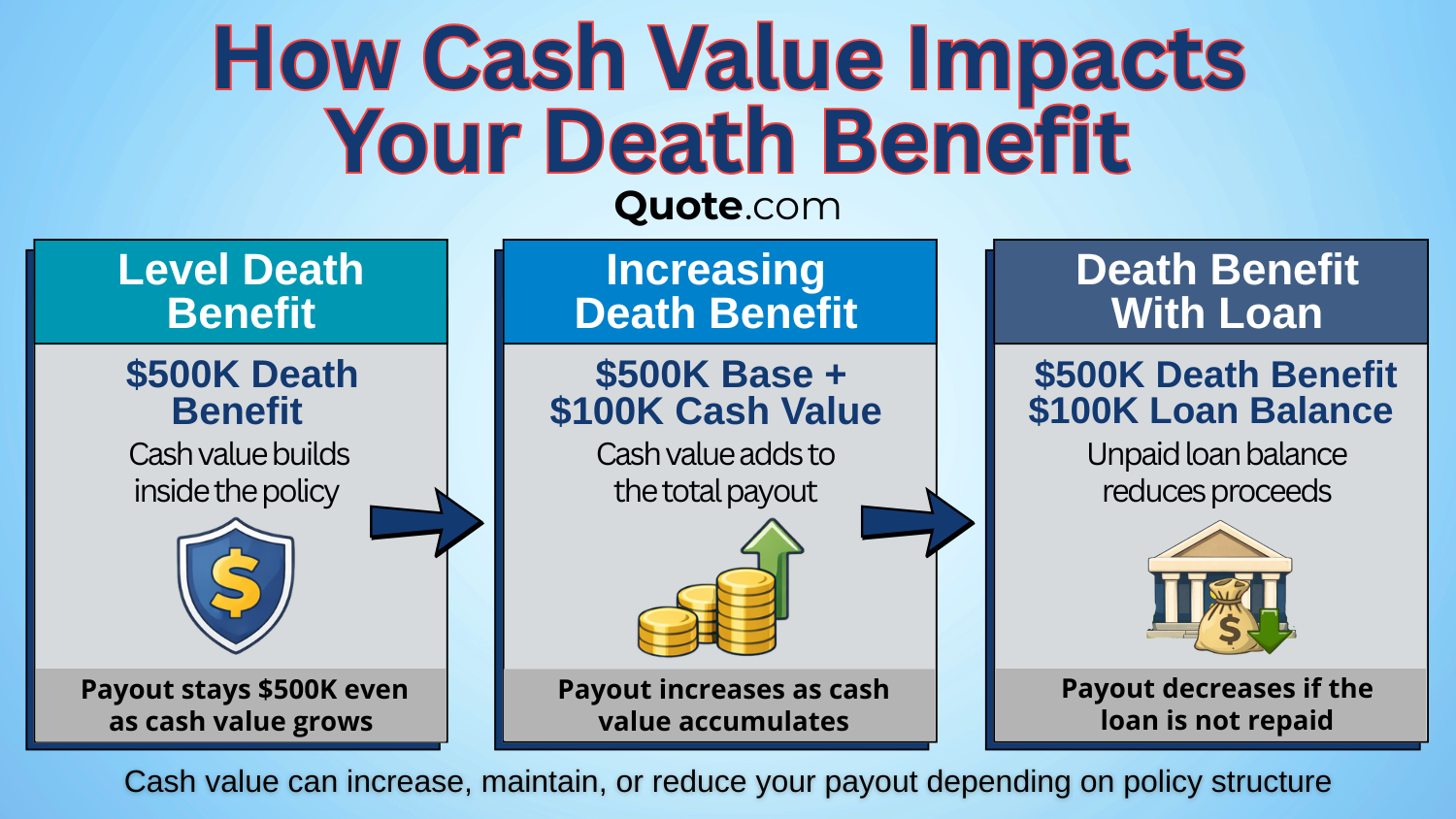
If you have taken loans against your policy in the past, the interest continues to compound. At 83, a policy loan can quickly "eat" the remaining cash value, causing the policy to "implode" or lapse. If your policy is in danger of imploding, cashing out via a settlement or surrender immediately may be the only way to salvage some value.
4. Forgetting the "Rescission Period"
Life settlements often come with a "rescission period" (usually 15 to 30 days depending on the state). This is a "cooling-off" period during which you can change your mind, return the money, and take back your policy. Ensure you know the specific laws in your state regarding these protections.
FAQs
Can I cash out a term life insurance policy at age 83?
Yes, but typically only through a life settlement or if the policy has a "conversion" rider. Standard term insurance has no cash surrender value from the insurance company. However, because you are 83, investors may be interested in buying the policy if the death benefit is high enough and the premiums are manageable. If the policy is "convertible," it can be turned into a permanent policy which is even more attractive to buyers.
How long does it take to get the money?
A cash surrender is the fastest, usually taking one to two weeks. A life settlement is a much more involved legal process requiring medical records and state-mandated disclosures; this usually takes between 60 and 90 days. Policy loans are often the fastest of all, with funds sometimes available within a few business days.
Will cashing out my life insurance affect my Social Security?
Generally, no. Social Security retirement benefits are not means-tested, so a lump sum from a life insurance policy will not reduce your monthly check. However, if you receive Supplemental Security Income (SSI), a cash-out will almost certainly impact your eligibility, as SSI has very strict asset limits.
Do I need my beneficiaries' permission to cash out?
In most cases, if the beneficiaries are "revocable," you do not need their permission. You are the owner of the contract and have the right to exercise all policy options. However, if you named "irrevocable" beneficiaries, you will need their written consent before surrendering the policy or selling it in a life settlement.
Is the payout from a life settlement taxable?
Yes, a portion of it likely is. The amount equal to the premiums you've paid (your basis) is tax-free. The portion up to the cash surrender value is taxed as ordinary income, and the remaining gain is taxed at capital gains rates. It is highly recommended to consult with a tax professional before finalizing a settlement.
Practical Recommendation: Your Next Steps
If you are 83 and considering cashing out your life insurance, do not take the first offer from your insurance carrier. Your policy is an asset, much like a piece of real estate, and its "market value" is often much higher than its "book value" (the surrender value).
- Request an "In-Force Illustration": Call your insurance company and ask for a document that shows the policy’s current cash value, the cost of premiums to keep it active until age 100, and the current death benefit.
- Get a Free Appraisal: Contact a reputable life settlement broker to get a preliminary estimate of what your policy might be worth on the secondary market.
- Consult Your Heirs: Since cashing out removes the death benefit, discuss the decision with those who would have received the legacy. In some cases, family members may prefer to take over the premium payments themselves to keep the death benefit intact.
- Evaluate Health Riders: Check your original policy contract for "Accelerated Death Benefit" riders. If you qualify due to health issues, this is often the most lucrative and tax-advantaged way to access cash.