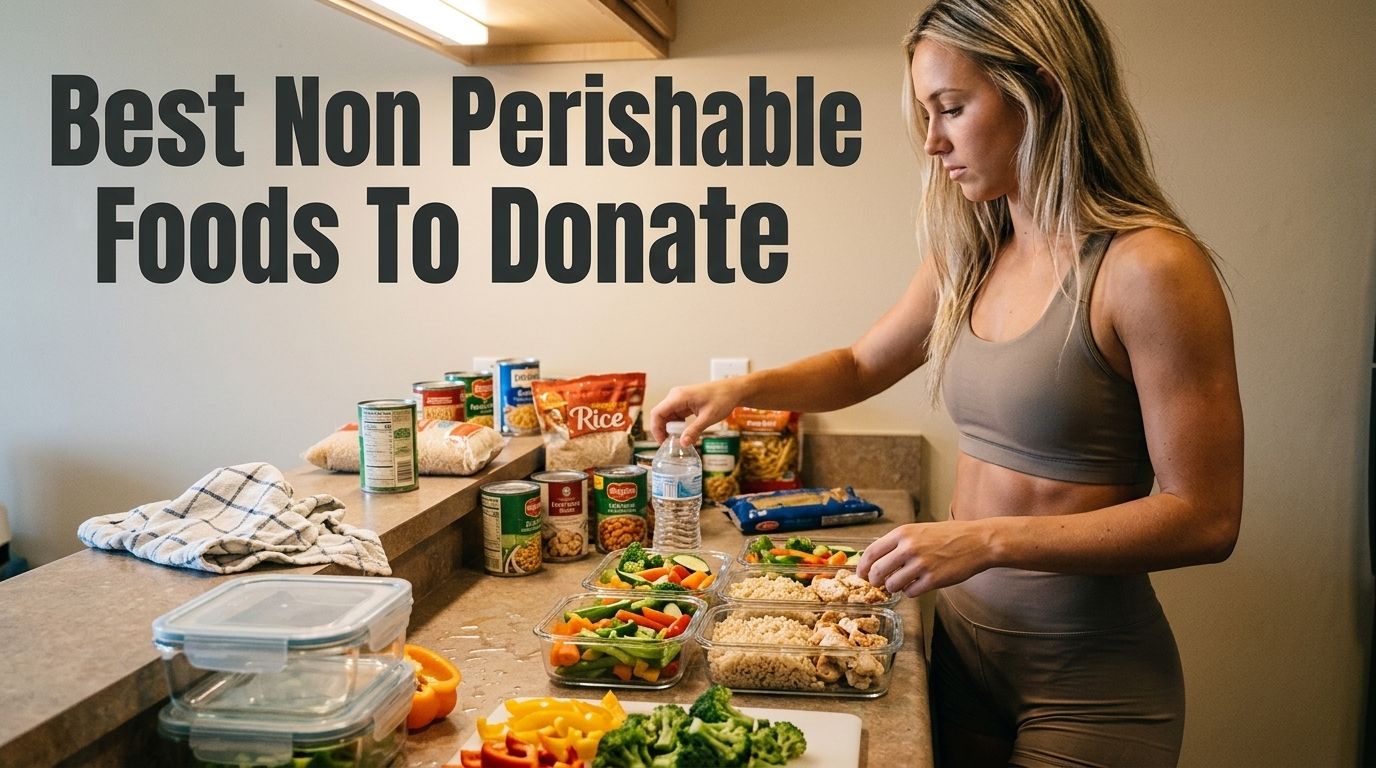
Donating non-perishable food is one of the most direct ways to support local communities, food banks, and disaster relief operations. However, not all canned goods or pantry staples provide equal nutritional value or meet the specific dietary needs of vulnerable populations. Understanding which items are most in-demand helps pantries distribute balanced meals to families, seniors, children, and individuals experiencing homelessness.
Understanding the Need for Non-Perishable Food Donations
Food insecurity is a complex systemic challenge affecting millions of households globally. While fresh produce and perishable proteins are vital, non-perishable foods form the structural backbone of emergency food assistance networks. Pantries, shelters, and community kitchens rely on shelf-stable goods because they can be stored safely for long periods without refrigeration, transported easily, and distributed in family-sized boxes or emergency packs.
However, donors frequently make the mistake of treating food pantries as a repository for expired pantry cleanouts or heavily processed items loaded with sodium and empty calories. Modern food banking prioritizes nutritional density, cultural relevance, and ease of preparation. The best items to donate are those that align with dietary guidelines, require minimal water or fuel to cook, and address the specific nutritional deficiencies common among food-insecure populations.
Criteria for Selecting High-Value Donation Items
Before purchasing or sorting items for donation, it helps to understand what food banks and community organizations look for. Professional hunger-relief organizations evaluate donations based on specific operational and nutritional criteria:
- Nutritional Density: Items high in lean protein, complex carbohydrates, fiber, and essential micronutrients are prioritized over heavily processed foods with low nutritional value.
- Shelf Life and Packaging: Packaging must be durable—ideally pull-top cans, heavy-duty plastic jars, or sturdy boxes—to prevent spoilage or damage during transit and sorting. Glass containers are frequently discouraged or outright rejected due to breakage risks.
- Ease of Preparation: Many individuals utilizing food pantries face housing instability, limited access to cooking appliances, or unreliable utility services. Foods that require minimal cooking, basic utensils, or can be eaten out of the package are highly valuable.
- Allergen Awareness and Inclusivity: Items free from common allergens (such as gluten-free grains or dairy-free alternatives) and foods that accommodate cultural or religious dietary restrictions ensure that assistance reaches a wider demographic.
The 7 Best Non-Perishable Foods to Donate
Focusing donations on a core group of high-impact staples ensures that food pantries can build balanced, nutritious emergency boxes. The following seven items represent the most sought-after and nutritionally beneficial non-perishable foods.
1. Canned Tuna, Salmon, and Chicken
Proteins are among the most expensive items for food pantries to purchase wholesale, making canned meats a top priority. Canned tuna, salmon, and chicken provide high-quality lean protein, omega-3 fatty acids, and essential micronutrients like Vitamin B12 and selenium.
- Who They Help Most: Growing children, working adults, and individuals managing chronic health conditions who require steady protein intake to maintain muscle mass and metabolic health. Pull-top cans are especially beneficial for unhoused individuals who may not have a standard can opener.
2. Low-Sodium Canned Vegetables
Vegetables are essential for providing dietary fiber, vitamins A and C, potassium, and antioxidants. Low-sodium variants of green beans, corn, carrots, and mixed vegetables help food banks supply heart-healthy options, which are critical for populations with elevated risks of hypertension and cardiovascular disease.
- Who They Help Most: Seniors and individuals with high blood pressure, diabetes, or heart disease who must monitor their daily sodium intake.
3. Canned Beans and Lentils
Black beans, kidney beans, chickpeas, and lentils are nutritional powerhouses that offer a dual benefit: they provide both complex carbohydrates and plant-based protein, alongside high levels of dietary fiber and iron. They are inexpensive, versatile, and have an exceptionally long shelf life.
- Who They Help Most: Low-income families seeking stretchable ingredients for bulk meals, as well as vegetarian and vegan individuals or those following plant-based cultural diets.
4. Peanut Butter and Nut Butters
Peanut butter is a staple of emergency food boxes because it provides dense calories, healthy fats, and protein without requiring any cooking or refrigeration. It appeals to children and adults alike and serves as a versatile spread or ingredient. (Note: Due to severe allergies in many schools and communities, check if your local pantry prefers individual peanut-free alternatives like sunflower seed butter).
- Who They Help Most: School-aged children relying on weekend backpack programs, and families with high caloric needs who need filling, energy-dense food items.
5. Whole Grain Pasta, Brown Rice, and Quinoa
Complex carbohydrates form the foundation of accessible energy. Donating whole-grain pasta, brown rice, or quinoa instead of refined white flour products ensures that recipients receive sustained energy and valuable B vitamins and fiber. These grains serve as the base for countless nutritious home-cooked meals.
- Who They Help Most: Large families and community kitchens that prepare bulk meals designed to feed dozens of people at a time.
6. Canned Soups, Stews, and Chili
Hearty, nutrient-dense soups, chilis, and stews—particularly those loaded with beans, vegetables, and lean meats—act as complete, comforting meals in a single can. They are particularly valuable during winter months or for individuals with limited cooking facilities who can easily warm them on a hot plate or microwave.
- Who They Help Most: Senior citizens living on fixed incomes, unhoused individuals, and people recovering from illnesses who need warm, easy-to-prepare nourishment.
7. Canned Fruit in Juice or Water
Fruit provides essential vitamins, minerals, and natural hydration. However, many donated fruits are packed in heavy syrups loaded with refined sugars. Canned fruits packed in 100% fruit juice or water offer the nutritional benefits of fruit without contributing to the glycemic spikes associated with added sugars.
- Who They Help Most: Children, diabetics, and health-conscious recipients who need access to fresh-tasting fruit when perishable options are unavailable or unaffordable.
Comparison of Donated Foods and Nutritional Impact
| Food Item | Primary Nutrient Category | Shelf Life | Special Consideration / Best Format |
|---|---|---|---|
| Canned Tuna / Chicken | Lean Protein, Omega-3s | 2–5 years | Pull-top cans preferred for unhoused populations |
| Low-Sodium Veggies | Fiber, Vitamins A & C | 2–5 years | Check labels for low-sodium or no-salt-added |
| Beans & Lentils | Plant Protein, Iron, Fiber | 2–10 years | Versatile base; highly shelf-stable |
| Peanut Butter | Healthy Fats, Protein, Calories | 1–2 years | Check local allergy guidelines |
| Whole Grains / Pasta | Complex Carbs, B Vitamins | 1–2 years | Whole grain varieties offer superior nutrition |
| Soups & Chilis | Complete Meals, Hydration | 2–5 years | Focus on chunky, high-protein formulations |
| Canned Fruit | Vitamins, Potassium | 1–3 years | Packed in water or 100% juice, not heavy syrup |
Who Non-Perishable Food Donations Help Most
Emergency food assistance is not monolithic; it serves a diverse cross-section of society. Understanding the demographic makeup of food pantry recipients helps donors tailor their contributions for maximum impact.
Families with Children and Weekend Backpack Programs
When schools close for weekends or holidays, millions of children lose access to subsidized breakfast and lunch programs. Food banks often pack lightweight, child-friendly non-perishables—such as shelf-stable milk, peanut butter, single-serve canned pasta, and fruit cups—into backpacks for children to take home. Nutritious, easy-to-open items ensure that these children receive adequate nutrition during school breaks.
Senior Citizens on Fixed Incomes
Older adults frequently face a difficult choice between paying for vital prescription medications and purchasing nutritious groceries. Seniors often live alone, making large family-sized portions impractical. Single-serving cans of soup, low-sodium vegetables, and soft, easy-to-chew protein sources are vital for supporting elderly community members who may also have mobility limitations or chronic health conditions like diabetes.
Individuals Experiencing Homelessness
For individuals without permanent housing or access to a fully equipped kitchen, traditional dry goods like uncooked bags of dry rice or dry beans are practically useless. Unhoused populations rely on ready-to-eat, shelf-stable items that require no cooking, can be opened without specialized tools (pull-top lids), and provide immediate caloric density and hydration.
Common Mistakes to Avoid When Donating Food
Donating expired or damaged goods creates additional labor for food bank volunteers, who must manually sort and dispose of unusable items. To ensure your contribution makes a positive difference, keep the following guidelines in mind:
- Checking Expiration Dates: Most non-perishable items remain safe past their "best by" date if stored properly, but food banks generally cannot distribute items that are severely expired (typically more than one year past date, depending on local food safety regulations). Always check dates before packing your donation.
- Avoiding Glass Containers: While glass jars of pasta sauce or honey look appealing, they break easily during transport, sorting, and distribution. Opt for plastic containers or cans whenever possible.
- Refraining from Donating Open or Damaged Packages: Dented cans (especially those with dents along the seams or severe swelling), torn boxes, or unsealed bags must be discarded for safety reasons.
- Ignoring Salt and Sugar Content: Donating heavily processed, high-sodium, or sugar-laden snack foods can contribute to long-term health issues within vulnerable populations. Aim for nutrient-dense selections whenever budget permits.
Frequently Asked Questions
Can I donate food items that have passed their "best by" date?
Many non-perishable items remain safe to consume past their printed date, provided the packaging is undamaged and stored in a cool, dry place. However, policies vary by food bank and local health department regulations. As a general rule, items expired by more than a few months should be avoided, and severely dented or compromised containers should never be donated.
Are financial donations better than physical food donations?
Both forms of contribution are valuable, but financial donations often have greater purchasing power. Food banks and organizations like Feeding America can leverage wholesale partnerships and bulk purchasing discounts to acquire significantly more food—and specifically tailored, high-demand nutritional items—than an individual retail shopper can purchase at standard supermarket prices.
What packaging types are safest for food bank distribution?
Aluminum cans with pull-top (pop-tab) lids, heavy-duty plastic jars (such as for peanut butter), and thick cardboard boxes are the safest and most practical. Glass containers should be avoided entirely due to the extreme risk of breakage during sorting and transit.
How can I find out what my local food pantry needs most?
Inventory levels fluctuate weekly based on seasonal demand, local drives, and supply chain availability. Visiting the official website of your local food bank or calling their intake coordinator before shopping allows you to check their most urgent "wish list" items, ensuring your donation directly addresses their current shortages.
Conclusion and Next Actions
Donating non-perishable food is a powerful way to combat hunger, but strategic giving maximizes your impact. By focusing on nutrient-dense staples like canned proteins, low-sodium vegetables, beans, and whole grains—and avoiding common pitfalls like glass packaging and expired goods—you ensure that vulnerable families, children, and seniors receive safe, dignified, and nourishing support.
To take the next step, contact your local food bank, community shelter, or place of worship to review their current inventory needs, or consider organizing a targeted food drive centered around these seven high-impact essentials.