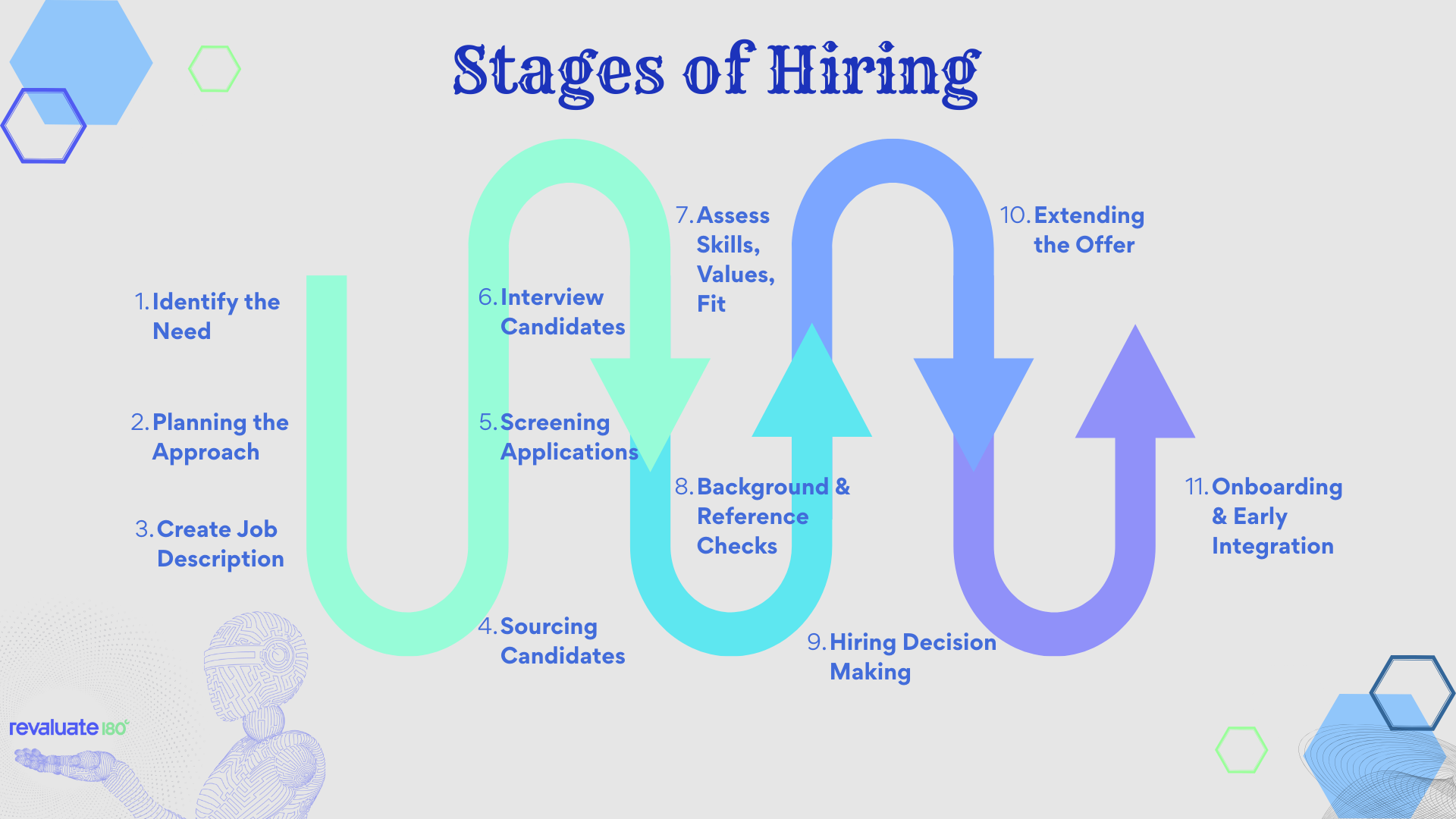
A structured 5-step hiring process for small businesses typically involves writing an objective-focused job description, conducting targeted sourcing, implementing a multi-stage screening method, executing structured interviews with objective rubrics, and executing a formal onboarding plan. This framework minimizes costly mis-hires, protects company culture, and optimizes limited operational resources.
For a small business, hiring is one of the most critical operational functions. Unlike larger enterprises with dedicated human resources departments and expansive recruitment budgets, a small business operates with tighter margins, limited personnel bandwidth, and a high cost-per-hire impact if a selection goes wrong. Bringing the wrong person on board does not just result in wasted salary and training hours; it can disrupt team morale, harm customer relationships, and stall business growth.
Developing a reliable, repeatable, and legally compliant 5-step best hiring process for small businesses transforms recruitment from an unpredictable guessing game into a strategic asset. By following a structured path, small business owners and managers can attract qualified talent, evaluate candidates fairly, and secure the right fit without burning out internal resources.
Step 1: Craft a Precision Job Description and Sourcing Strategy
The foundation of any successful hiring process begins long before a single resume crosses your desk. It starts with defining precisely what the role requires, what problems the new hire is expected to solve, and where qualified candidates spend their time. Many small businesses make the mistake of recycling generic job descriptions found online, resulting in an influx of unqualified applicants or a failure to attract the exact skill set needed.
Defining Core Responsibilities and Outcomes
A great job description focuses on outcomes rather than just a laundry list of daily tasks. Ask yourself what success looks like for this role at 30, 60, and 90 days.
- What measurable targets should they hit?
- What processes will they own or improve?
By detailing these expectations, you help prospective candidates self-select. High performers want to know what winning looks like in the role, while under-qualified applicants are naturally deterred.
Setting Realistic Requirements
Separate "must-have" qualifications from "nice-to-have" attributes. Requiring ten years of experience for a mid-level operational role with a modest small-business salary will severely limit your applicant pool. Focus on core competencies, adaptability, and cultural alignment, which are often more predictive of success in a dynamic small-business environment than an exact match of past job titles.
Sourcing Beyond Job Boards
Posting a listing on a major job board and waiting for applicants is rarely enough. Small businesses need a targeted sourcing strategy:
- Employee Referrals: Incentivize your current team to recommend trusted former colleagues or professional acquaintances.
- Niche Professional Communities: Look to industry-specific forums, local trade associations, or targeted LinkedIn groups.
- Local Networks: Partner with regional educational institutions, chambers of commerce, or specialized vocational schools depending on the technical skill set required.
Step 2: Implement Multi-Stage Screening and Resume Filtering
Once your job posting goes live, you will likely receive a mix of strong applications, irrelevant submissions, and automated spam. The second step of the hiring process establishes an efficient filtering mechanism to separate top-tier prospects from the rest of the pool without consuming excessive hours.
Developing a Screening Rubric
Create a standardized scoring rubric based directly on the "must-have" criteria established in Step 1. Rate each applicant on a clear scale (for example, 1 to 5) across key dimensions such as relevant experience, technical proficiencies, and demonstrated achievements. This objective approach reduces unconscious bias during the initial review phase.
Utilizing Prescreening Assessments
For many small business roles, a resume only tells part of the story. Incorporating short, targeted prescreening steps can save valuable time:
- Application Questions: Include 2 to 3 open-ended questions related to real-world scenarios they would face in the role.
- Skills Tests: For roles requiring specific technical execution (such as bookkeeping, graphic design, or coding), use a brief, time-boxed assessment early in the process.
- One-Way Video or Phone Screen: A 15-minute introductory phone call or a structured asynchronous video screening allows you to evaluate baseline communication skills, enthusiasm, and salary expectations before scheduling full interviews.
Step 3: Conduct Structured Behavioral Interviews
The interview stage is where most small business hiring managers stumble. Unstructured, conversational interviews often result in hiring based on "gut feeling" or personal chemistry rather than verified capability. Transforming this phase into a structured process ensures consistency and fairness across all candidates.
The Value of Structured Interviews
A structured interview means every candidate is asked the same core set of questions, evaluated against the same rubric, and assessed by the same standard. This methodology drastically improves predictive validity, helping you identify candidates who possess the right blend of technical skill and behavioral attributes.
Behavioral vs. Hypothetical Questions
Instead of asking hypothetical questions like "What would you do if a customer got angry?", use behavioral questions that prompt candidates to share real examples from their past:
- "Tell me about a time when you had to manage an irate client under a tight deadline. How did you handle it, and what was the outcome?"
These questions rely on the premise that past behavior is the best predictor of future performance. Look for the STAR method in their answers: Situation, Task, Action, and Result.
| Interview Stage | Primary Objective | Key Evaluators | Common Format |
|---|---|---|---|
| Phone Screen | Verify baseline qualifications, salary fit, and interest | Hiring Manager / HR | 15-minute phone call |
| Technical/Skill Assessment | Validate practical ability to perform job duties | Direct Supervisor | Take-home task or live test |
| Behavioral Interview | Assess cultural fit, problem-solving, and past performance | Panel or Hiring Manager | 45-60 minute structured meeting |
| Final Leadership Review | Confirm mutual alignment and long-term potential | Business Owner / Executive | 30-minute conversational interview |
Step 4: Perform Rigorous Reference and Verification Checks
Skipping reference checks because a candidate interviewed exceptionally well is a common pitfall. For a small business, a bad hire can create immediate operational friction. Rigorous verification safeguards your business against credentials inflation, hidden performance issues, and potential compliance liabilities.
Conducting Professional Reference Checks
Contact at least two professional references, ideally including a former direct supervisor. When speaking with a reference, move beyond generic questions about job titles and dates of employment:
- "What were the candidate's primary areas for professional growth when they worked with you?"
- "How did this individual handle high-pressure situations or sudden shifts in project scope?"
- "If you had the opportunity to hire them again for a similar role, would you do so?"
Pay close attention to hesitation, guarded phrasing, or significant omissions in the reference's responses, as these often signal underlying performance or interpersonal concerns.
Background and Credential Verification
Depending on the nature of your business and the specific role, additional verification steps may be legally required or operationally prudent:
- Educational and License Verification: Confirm that professional certifications, degrees, or state licenses are current and active.
- Criminal Background Checks: Ensure compliance with local, state, and federal laws (such as "Ban the Box" legislation) governing when and how background checks can be conducted during the hiring lifecycle.
- Financial Background Checks: Relevant for roles involving direct access to company funds, accounting, or sensitive financial data.
Step 5: Secure the Candidate with an Offer and Effective Onboarding
Finding the right person is only half the battle; successfully closing the candidate and integrating them into your business is the final hurdle. In a competitive labor market, top talent often receives multiple offers. Speed, transparency, and a welcoming onboarding experience are essential to securing your top choice.
Crafting a Compounding Offer
Your employment offer should be competitive, transparent, and clearly outlined in writing. Beyond base compensation, highlight the unique value proposition of working at a small business—such as greater autonomy, direct visibility to leadership, accelerated professional growth, and flexible work arrangements. Clearly specify benefits, paid time off, and any performance-based incentives.
The Transition to Onboarding
The hiring process does not end when the candidate signs the offer letter; it transitions directly into onboarding. Effective onboarding bridges the gap between hiring and long-term retention.
- Pre-Boarding: Send a welcome package, complete necessary paperwork digitally before day one, and ensure hardware or workspace logistics are fully prepared.
- First-Week Roadmap: Provide a clear schedule for the first week, including introductions to key team members, an overview of company systems, and initial shadowing sessions.
- Check-In Milestones: Schedule structured check-ins at 30, 60, and 90 days to gather feedback, clarify expectations, and address any early friction points.
Common Small Business Hiring Mistakes to Avoid
Even with a structured 5-step process in place, small business owners frequently encounter operational pitfalls. Recognizing these mistakes helps you refine your approach and protect your recruitment investment.
- Rushing the Process out of Desperation: When a key employee leaves unexpectedly, the temptation to hire the first available warm body is high. A rushed hire almost always leads to a mis-hire, costing more time and money in the long run than leaving the seat temporarily vacant or using temporary support.
- Neglecting Cultural Add Over Cultural Fit: "Cultural fit" is sometimes misused as a filter to hire people who look, think, or act like existing team members. Instead, focus on "cultural add"—seeking individuals who share your core business values and ethics while bringing diverse perspectives, skills, and backgrounds that strengthen the overall team.
- Ignoring Candidate Experience: Small businesses rely heavily on brand reputation. If your hiring process is disorganized, unresponsive, or disrespectful of candidates' time, word spreads quickly online and locally, damaging your ability to attract future talent.
Frequently Asked Questions
How long should a small business hiring process take?
An ideal small business hiring process typically takes between two to four weeks from the initial job posting to extending an offer. Moving too quickly can result in poor vetting, while drawing out the process beyond a month often causes high-demand candidates to accept competing offers.
What legal requirements apply to small business hiring?
Small businesses must comply with federal, state, and local employment laws. Key regulations include equal opportunity employment guidelines (prohibiting discrimination based on protected characteristics), fair labor standards regarding compensation, and localized restrictions on asking about salary history or criminal records during early screening stages. Always consult local legal counsel to ensure compliance.
How can a small business compete with enterprise salaries?
While small businesses may not always match the base salaries or massive benefit packages of large corporations, they can compete effectively by highlighting unique advantages. These include greater professional autonomy, direct mentorship from leadership, flexible working arrangements, rapid pathways for career advancement, and a more tight-knit, collaborative work culture.
What is the most important step in the hiring process?
While every step is interconnected, Step 3 (Structured Behavioral Interviews) is often considered the most critical. This is where you directly evaluate whether the candidate has the verified capability, problem-solving skills, and interpersonal dynamics required to succeed in your specific business environment.
Next Action for Business Owners
Begin by auditing your current hiring workflow against the five-step framework outlined above. Select one upcoming or current open role in your business and standardize your job description around clear performance outcomes rather than generic tasks. By establishing a repeatable rubric and structured interview questions today, you lay the groundwork for building a more resilient, high-performing team tomorrow.