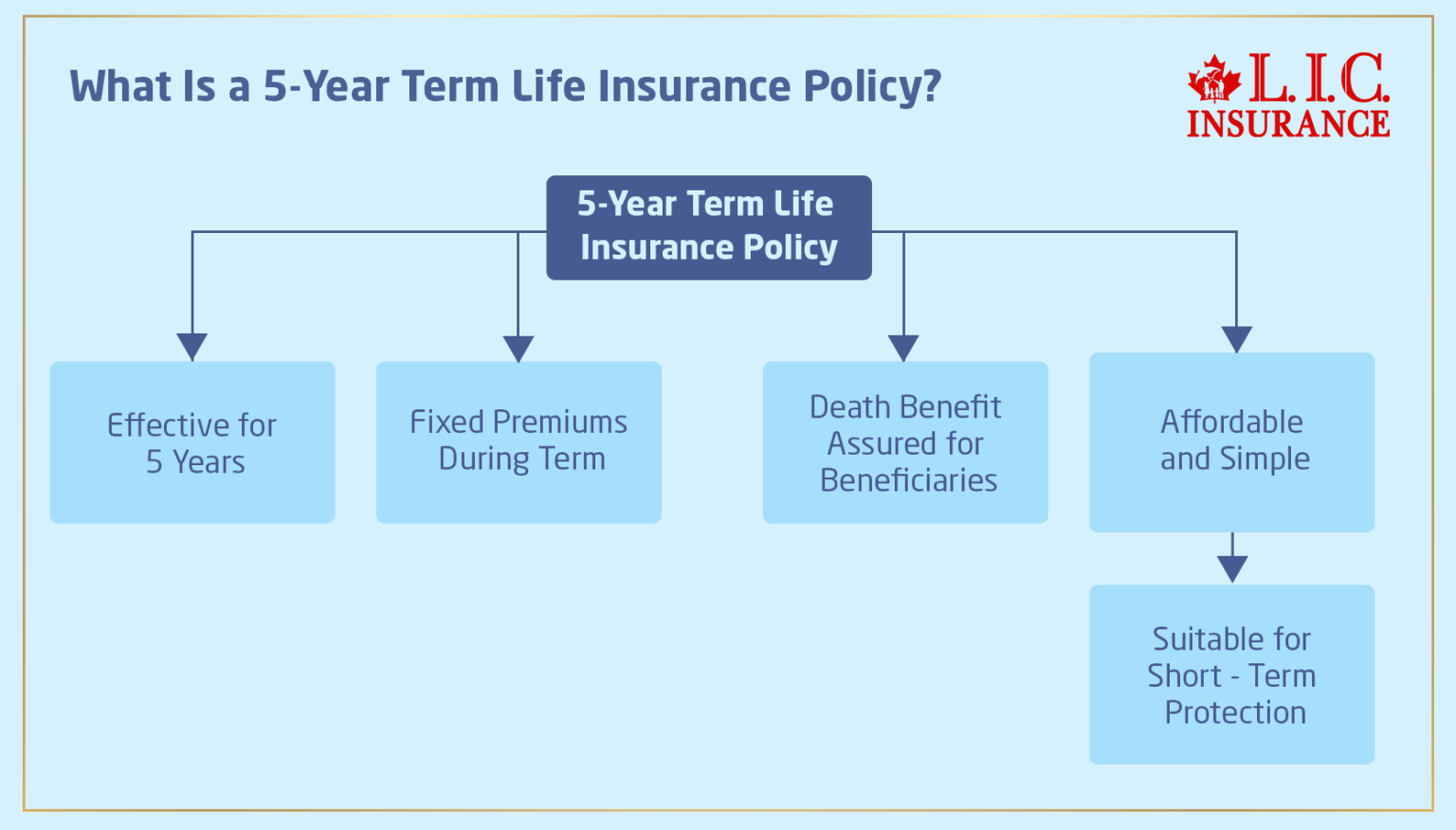
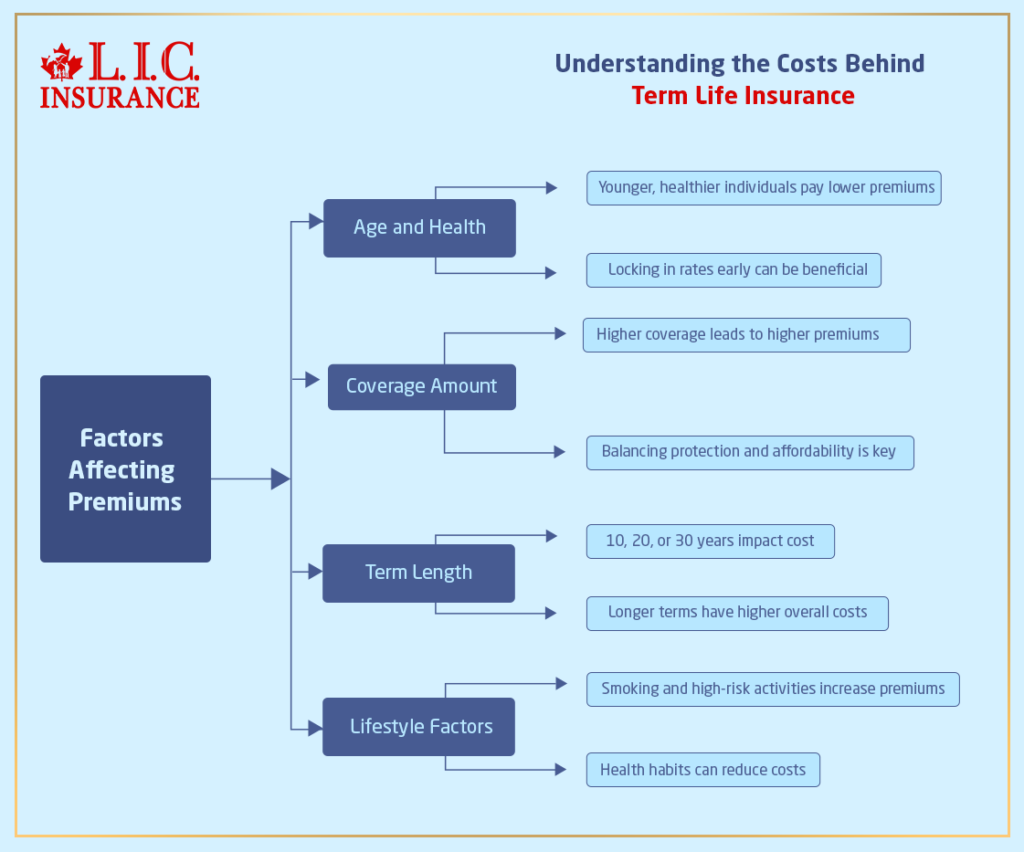
Navigating the Canadian life insurance market requires evaluating policy structures, financial stability, and underwriting flexibility to secure optimal protection for your family. Term life insurance provides temporary coverage for a specific period—such as 10, 20, or 30 years—offering high coverage amounts at affordable premiums, making it the preferred choice for income replacement and mortgage protection.
Understanding Canadian Term Life Insurance in 2026
Term life insurance remains the cornerstone of personal financial planning across Canada. Unlike permanent life insurance plans like whole or universal life, term policies do not accumulate cash value. Instead, they focus purely on risk protection, paying a tax-free death benefit to your designated beneficiaries if you pass away while the policy is active.
For Canadian consumers, selecting the right provider involves analyzing more than just monthly quotes. You must examine the company’s financial stability, conversion options (the ability to switch to a permanent policy without a medical exam), renewal terms, and customer service ratings. Furthermore, understanding the difference between simplified issue policies (no medical exam required) and fully underwritten policies (requiring blood work and medical history reviews) dictates how quickly and affordably you can secure coverage.
Key Factors to Evaluate When Comparing Providers
When searching for the top term life insurance options in Canada, several technical and practical elements distinguish standard carriers from exceptional ones.
- Financial Strength Ratings: Insurance providers must maintain substantial capital reserves to ensure they can pay out future claims. Look for ratings from agencies like A.M. Best or Standard & Poor's.
- Conversion Privileges: A robust term policy should allow you to convert your term insurance into a permanent policy later in life, regardless of health changes.
- Renewability and Expiry Ages: Check the maximum age to which the policy can be renewed. Most Canadian policies allow renewals up to age 80 or 85, though premiums increase substantially with each renewal.
- Rider Availability: Essential riders include waiver of premium (waives payments if you become totally disabled) and child term riders.
- Underwriting Speed and Digital Experience: Many modern Canadian insurers offer accelerated underwriting, using predictive data analytics to approve policies in days rather than weeks without requiring invasive medical tests.
Top 5 Canadian Term Life Insurance Providers
To help you narrow down your choices, the following five Canadian insurers consistently stand out for their product flexibility, financial reliability, and customer satisfaction.
1. Canada Life
Canada Life is one of the oldest and most established financial institutions in the country, resulting from the amalgamation of Canada Life, London Life, and Great-West Life. They offer comprehensive term insurance products tailored to various life stages, most notably their Term 10, Term 20, and Term 30 options.
- Pros: Exceptional financial stability, extensive advisor network, and flexible conversion options that extend up to age 75 for certain products.
- Cons: Premiums can sometimes trend higher than purely digital-first disruptors, and traditional underwriting processes can take longer if accelerated options do not apply.
- Best For: Families seeking a rock-solid, traditional institution with robust permanent conversion features and comprehensive rider choices.
2. PolicyMe
PolicyMe has transformed the Canadian insurance landscape by introducing a streamlined, fully digital application process. Operating as a digital-first life insurance provider and brokerage, PolicyMe focuses heavily on term life insurance, offering intuitive online quoting and accelerated underwriting for healthy applicants.
- Pros: Highly competitive pricing (often ranking among the lowest for term products), fast online applications that can take under 20 minutes, and transparent pricing without hidden fees.
- Cons: Limited to term life and critical illness products; they do not offer complex permanent life insurance solutions in-house.
- Best For: Tech-savvy adults, young families, and budget-conscious applicants who want a fast, paperless buying experience with high coverage limits.
3. RBC Insurance
As the insurance arm of the Royal Bank of Canada, RBC Insurance provides widespread brand trust and bundled financial services. Their term life insurance policies are known for strong conversion privileges and comprehensive living benefit riders.
- Pros: Excellent multi-product discounts when combined with banking or home insurance, strong financial backing, and customizable term periods.
- Cons: Traditional application structures can involve lengthy medical questionnaires and direct medical exams for higher coverage amounts.
- Best For: Existing RBC clients looking to centralize their financial portfolio and secure reliable, long-term family protection.
4. BMO Insurance
The Bank of Montreal’s insurance division is widely recognized in Canada for innovative term products, particularly their "Crossover" term-to-permanent options and competitive rates for non-smokers and healthy individuals.
- Pros: Competitive pricing on longer terms (such as Term 20 and Term 30), unique conversion credits, and solid underwriting for individuals with minor, well-managed health conditions.
- Cons: Customer portal and digital self-service tools lag behind dedicated insurtech platforms like PolicyMe.
- Best For: Individuals looking for competitive long-term rate locks and those who may want seamless conversion credits applied to future permanent policies.
5. Beneva
Formed through the merger of La Capitale and SSQ Insurance, Beneva is now one of the largest mutual insurance companies in Canada. Because it operates as a mutual company, it is owned by its policyholders rather than outside shareholders, which often translates into customer-centric policy administration.
- Pros: Strong regional presence (particularly in Quebec and Ontario), mutual structure focus on member value, and flexible term options.
- Cons: Brand recognition outside central and eastern Canada is still growing compared to major Schedule I bank insurers.
- Best For: Consumers who prefer supporting a mutual insurance cooperative that prioritizes long-term policyholder interests over short-term corporate profits.
Comparison of Canadian Term Life Insurance Options
| Provider | Primary Strengths | Typical Term Lengths | Digital Application | Best Suited For |
|---|---|---|---|---|
| Canada Life | Industry longevity, high financial stability, deep conversion options | Term 10, 20, 30 | Moderate | Traditional buyers seeking long-term institutional security |
| PolicyMe | Low premiums, fast digital underwriting, simple online interface | Term 10, 20, 30 | High | Young families and digital-first consumers wanting quick quotes |
| RBC Insurance | Multi-product discounts, strong brand trust, flexible riders | Term 10, 20, 30, 40 | Moderate | Current RBC banking clients and bundled service seekers |
| BMO Insurance | Competitive long-term rates, innovative conversion credits | Term 10, 20, 30 | Moderate | Individuals seeking stable, long-term rate locks and credits |
| Beneva | Mutual company structure, member-focused service, flexible terms | Term 10, 20, 30 | Moderate | Policyholders valuing mutual cooperative ownership models |
Step-by-Step Guide to Buying Canadian Term Life Insurance
Securing the right term life insurance policy involves a methodical approach to ensure you do not overpay or leave your dependents underinsured.
- Calculate Your Coverage Needs: Assess your financial liabilities, including your mortgage balance, outstanding debts, future education costs for children, and the number of years your family would require income replacement. A general benchmark is 10 to 12 times your annual income, adjusted for existing savings.
- Determine the Term Length: Match your term length to your liabilities. If you have a 25-year mortgage and children who will be financially dependent for two decades, a Term 25 or Term 30 policy makes strategic sense. If you only need income protection until retirement, a Term 10 or Term 20 may suffice.
- Compare Quotes Across Providers: Use online comparison tools or consult an independent insurance broker who can access rates from multiple Canadian carriers rather than a single captive agent.
- Complete Underwriting and Medical Screening: Answer health and lifestyle questions accurately. Be prepared for a medical exam (blood and urine sample) if you are applying for high coverage amounts or traditional fully underwritten plans.
- Review and Finalize the Policy: Read the contract thoroughly to confirm the grace periods, suicide exclusion clauses, premium structures (level versus yearly renewable), and conversion deadlines before signing.
Common Mistakes to Avoid
Navigating insurance applications can lead to missteps that affect your rates or claim validity. Keep these pitfalls in mind:
- Underestimating the Coverage Amount: Relying on employer-provided group life insurance (which is usually capped at one or two times your salary and terminates if you leave the company) often leaves families severely exposed.
- Waiting Too Long to Apply: Insurance premiums increase significantly with every birthday. Locking in a policy in your 20s or 30s secures substantially lower rates than waiting until your 40s or 50s.
- Not Disclosing Pre-Existing Conditions: Omitting medical history on an application can give the insurer grounds to deny a future death benefit claim. Honesty during underwriting is mandatory.
- Focusing Solely on Price: While monthly premiums matter, an ultra-low rate from a financially weak company or a policy with restrictive conversion rules can cost you more in the long run.
Frequently Asked Questions
What is the difference between Term 10 and Term 20 insurance in Canada?
A Term 10 policy locks in your premium for 10 years, after which rates increase significantly upon renewal. A Term 20 policy locks in your rate for 20 years, offering greater budgeting stability for young families with long-term financial obligations. Term 20 carries a higher initial monthly premium than Term 10 but prevents steep rate shocks during critical family-raising years.
Do I need a medical exam to get term life insurance in Canada?
Not always. While traditional fully underwritten policies require a paramedical exam (blood work, vitals check), many Canadian insurers and digital platforms now offer accelerated underwriting. If you are in good health and apply for coverage below specific thresholds (often under $500,000 or $1,000,000 depending on age), you may be approved instantly without physical tests.
What happens when my term life insurance policy expires?
When your term expires, you typically have three options: let the policy lapse and terminate coverage, renew the policy for another term at significantly higher rates based on your attained age, or convert the term policy into a permanent life insurance plan without undergoing a new medical exam, provided your policy includes conversion privileges.
Can non-residents or temporary residents buy term life insurance in Canada?
Generally, permanent residents and Canadian citizens have immediate access to all domestic providers. Temporary residents (such as work permit holders or international students) may qualify with select insurers provided they have lived in Canada for a minimum period, hold a valid Social Insurance Number (SIN), and demonstrate financial ties to the country.
Are life insurance payouts taxable in Canada?
No. Under the Canadian Income Tax Act, death benefits paid out from a life insurance policy to a designated beneficiary are completely tax-free. However, if the estate is named as the beneficiary instead of a specific individual, the payout may be subject to probate fees and estate settlement delays.
Final Recommendations for Canadian Consumers
Selecting the best term life insurance policy depends on your unique financial profile, age, health status, and family obligations. If you value a fast, low-friction digital process with competitive pricing, modern insurtech platforms like PolicyMe serve as an efficient starting point. If you require complex estate planning integration, high coverage limits, or long-standing institutional backing, established carriers like Canada Life or RBC Insurance provide the necessary depth. Always evaluate your true income-replacement needs, consult an independent broker if necessary, and secure your coverage while you are young and healthy to lock in the lowest possible rates.