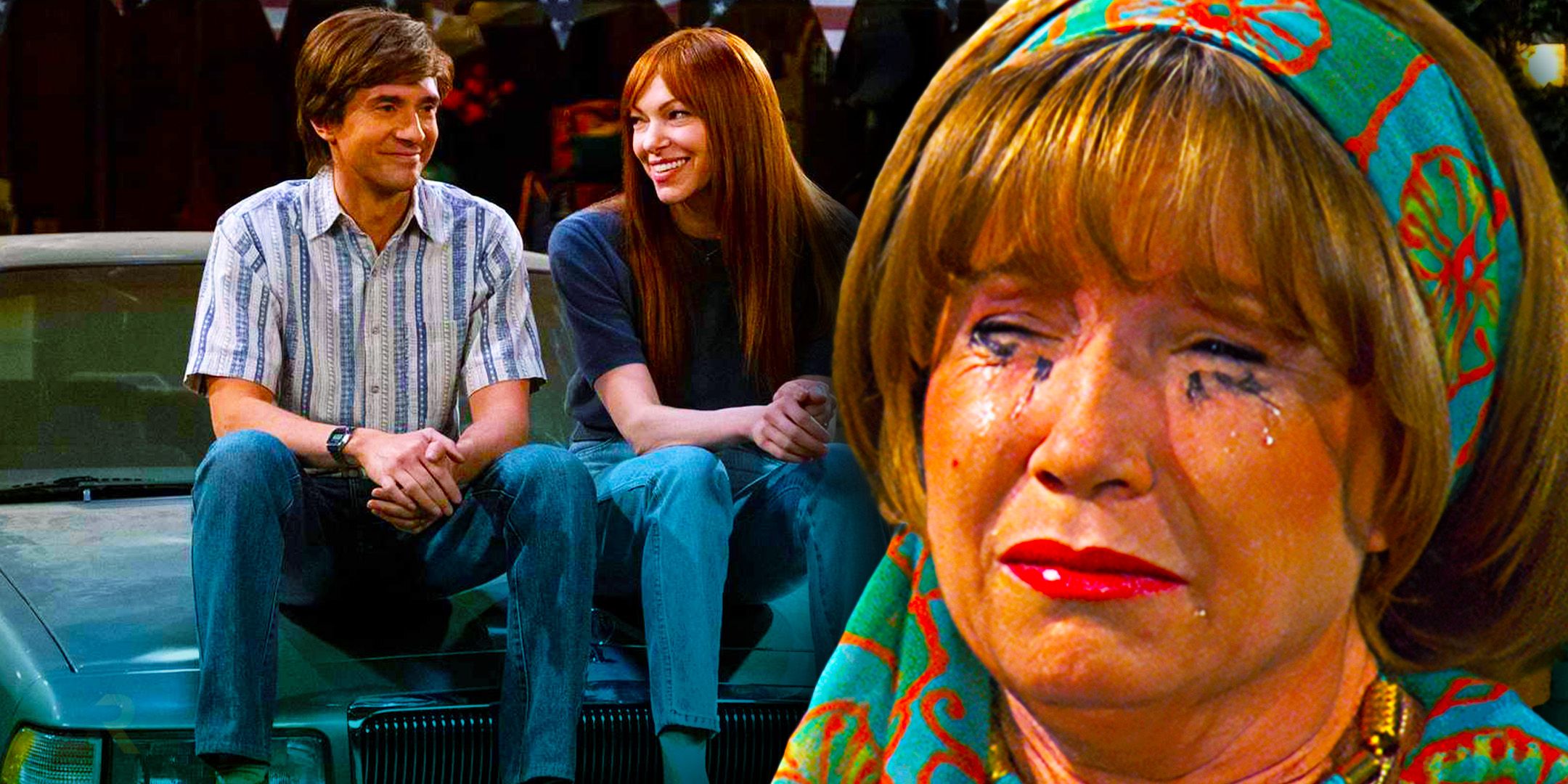
Spanning a career of over four decades, the actress most famously recognized for her iconic roles in classic 1970s television has built a lasting legacy in the entertainment industry. This comprehensive exploration examines the milestones, cultural impact, and enduring influence of a performer who helped define an era of classic television history.
The Foundations of a Television Legacy
Understanding the enduring appeal of 1970s television icons requires examining the foundational years that launched legendary careers. During this era, the television landscape experienced a massive shift toward relatable, character-driven sitcoms and ensemble comedies. Performers who entered the industry during this period had to navigate a rapidly evolving medium defined by three major networks, live studio audiences, and rigorous shooting schedules.
The mid-1970s served as a crucible for young talent. Aspiring actors trained extensively in theater, repertory companies, or minor guest-starring television roles before securing breakout parts. For the actress behind these enduring characters, the journey began with foundational training that emphasized comedic timing, dramatic delivery, and the physical presence required for multi-camera television production. These early experiences established a standard of professionalism that sustained her throughout a remarkably long career.
Key Milestones in Early Training and Career Development
- Early Theatrical Background: Honing performance skills on regional stages and through classical training.
- The Transition to Screen: Moving from dramatic stage productions to episodic television in the early 1970s.
- Breakthrough Casting: Securing the iconic role that cemented her status within the pop-culture lexicon of the decade.
- Industry Adaptation: Transitioning smoothly from network television staples to diverse film and stage projects as the decades progressed.
Defining the 1970s Television Landscape
The 1970s marked a golden age for American television comedy. Shows from this era broke new ground by tackling social issues while maintaining the comforting structure of the family sitcom or the vibrant aesthetic of youth-culture counter-movements. Within this vibrant ecosystem, specific characters stood out not merely as fictional creations, but as cultural touchstones.
The actress at the center of this phenomenon brought a distinct blend of warmth, sharp wit, and emotional depth to her performances. While many television characters of the era fell into rigid archetypes, she infused her roles with complexity, making them feel authentic to viewers navigating a changing social climate. This authenticity is a primary reason why these icons continue to resonate with modern audiences more than forty years later.
Comparison of 1970s Television Iconography Elements
| Era Element | Traditional Approach | The Icon Approach | Long-Term Cultural Impact |
|---|---|---|---|
| Character Archetype | Flat, predictable supporting roles | Multidimensional, relatable figures | Inspired modern television writing standards |
| Production Style | Rigid studio staging | Dynamic interaction with live studio setups | Enhanced naturalism in multi-cam sitcoms |
| Audience Connection | Distant celebrity persona | Approachable, everyday reliability | Cultivated lifelong fan loyalty spanning decades |
Navigating a Four-Decade Career in Entertainment
Sustaining a career in the entertainment industry for 42 years demands adaptability, resilience, and careful career management. The transition from a 1970s television icon to a respected veteran actress involves navigating shifting industry standards, changing audience demographics, and the inevitable evolution of media distribution—from broadcast television to cable and streaming platforms.
Following her initial breakout success, the actress made strategic choices regarding her roles. Rather than remaining confined to a single television archetype, she pursued diverse opportunities across television movies, guest appearances in critically acclaimed series, and return engagements to the stage. This versatility prevented typecasting and allowed her to build a rich, varied resume that commands respect among peers and critics alike.
Strategies for Long-Term Career Longevity
- Embracing Versatility: Actively seeking out roles that challenge public perceptions and showcase different acting dimensions.
- Maintaining Industry Relationships: Collaborating repeatedly with respected directors, writers, and fellow actors.
- Balancing Media Platforms: Transitioning fluidly between television, theater, and independent film projects.
- Preserving Personal Integrity: Navigating public visibility while maintaining privacy and professional dedication.
Cultural Impact and Fan Legacy
The cultural footprint left by classic 1970s television icons extends far beyond initial broadcast ratings. In the modern era of nostalgia television and streaming marathons, these programs serve as comforting cultural artifacts. Fans who grew up watching these broadcasts now share them with younger generations, creating a multi-generational appreciation for the craft of classic television acting.
Conventions, retrospective documentaries, and fan communities play a vital role in keeping this legacy alive. The actress behind these beloved characters has remained a cherished figure within these spaces, often participating in panel discussions and interviews that offer rare insights into the golden age of television production. Her work continues to serve as a masterclass in comedic and dramatic timing for aspiring performers today.
Frequently Asked Questions
What are the defining characteristics of 1970s television icons?
1970s television icons are typically defined by their authenticity, strong comedic or dramatic presence, and ability to reflect the cultural shifts of the decade. Performers like this actress created characters that felt like real family members or close friends to millions of viewers.
How did the actress transition from 70s hits to modern projects?
She maintained a steady career by embracing versatility, taking on diverse roles in theater, television movies, and guest spots, while carefully managing her public profile and avoiding typecasting.
Why do 1970s television shows remain popular today?
Shows from this era offer a sense of nostalgia, comforting storytelling structures, and relatable human interactions that contrast sharply with modern fast-paced media consumption, appealing to both original viewers and new generations.
What lessons can modern actors learn from a 42-year career?
A long-term career highlights the importance of rigorous foundational training, adaptability to changing industry formats, the courage to step outside familiar archetypes, and unwavering dedication to the craft of acting.
Conclusion and Next Actions
Evaluating 42 years of a distinguished entertainment career reveals a masterclass in artistic endurance and cultural influence. For fans and researchers looking to explore this legacy further, the best next actions include revisiting the foundational television episodes that started it all, exploring retrospective interviews documenting the era's production methods, and supporting classic television preservation initiatives that keep mid-century entertainment accessible for future generations.