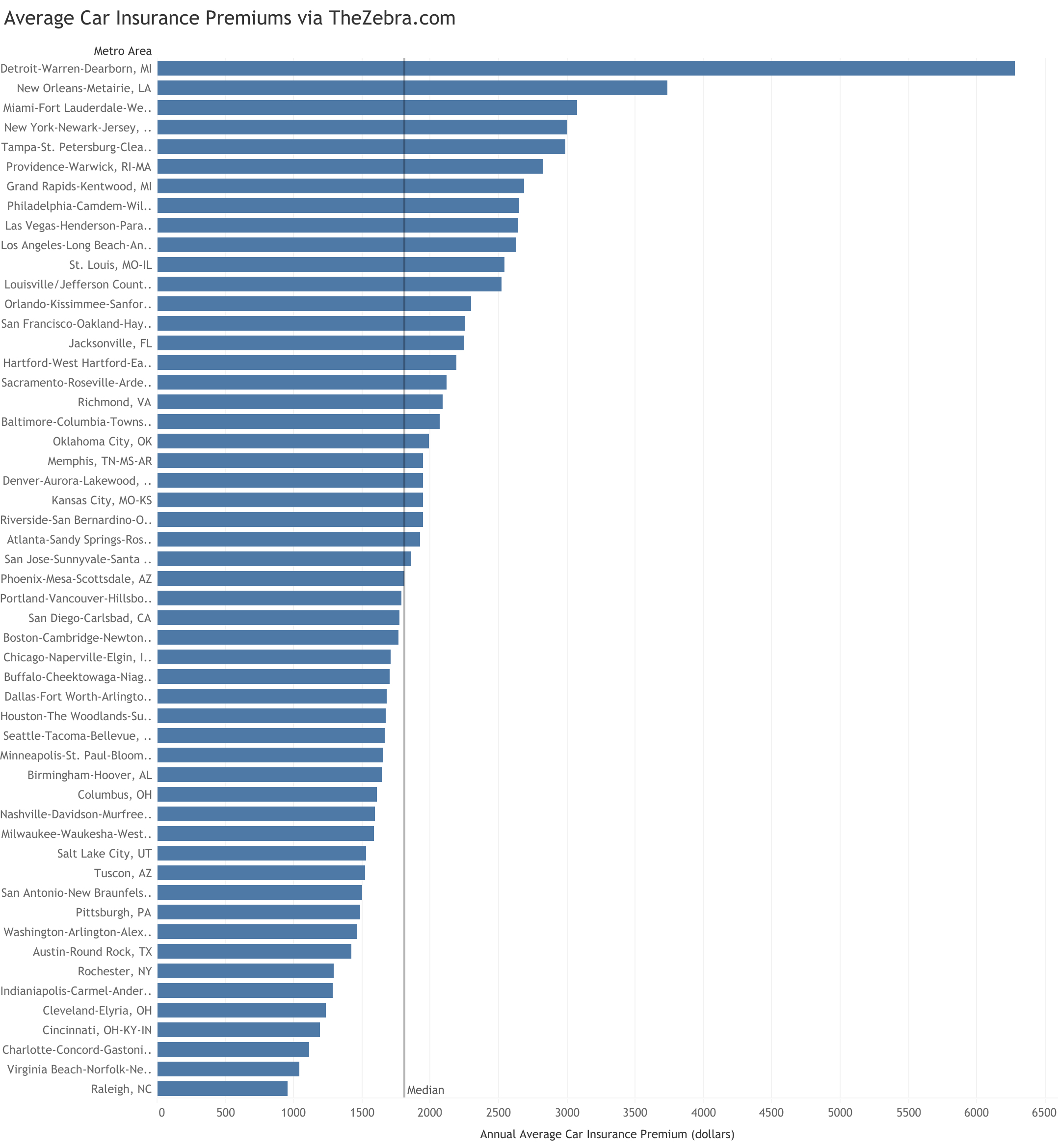
A $2,500 annual auto insurance premium represents a significant financial threshold for many drivers, often acting as a tipping point where consumers re-evaluate their coverage needs. This cost level frequently triggers controversies regarding actuarial fairness, the impact of vehicle technology on repair expenses, and the rising influence of data-driven dynamic pricing models used by modern insurance providers.
The Composition of the $2,500 Premium
When a policyholder faces a premium reaching the $2,500 mark, it is rarely the result of a single factor. Auto insurance pricing is a complex aggregation of risk assessment metrics, regional economic variables, and the specific cost of claims management. Understanding these components is essential for distinguishing between market-wide inflation and individual risk rating.
Insurance companies utilize sophisticated underwriting algorithms to determine a "base rate." To this, they apply "relativities"—multipliers based on individual attributes. Key factors that push premiums toward or beyond the $2,500 threshold include:
- Vehicle Replacement Costs: As vehicles become more integrated with Advanced Driver Assistance Systems (ADAS), the cost of parts and specialized labor for even minor accidents has escalated. Sensors, lidar, and computerized camera systems require calibration that is far costlier than traditional bodywork.
- Medical Inflation: A significant portion of insurance premiums covers Bodily Injury Liability. As medical costs rise, insurers increase premiums to ensure they have sufficient reserves to cover high-severity claims.
- Geographic Risk: The cost of living and the density of traffic in specific jurisdictions play a massive role. Urban areas with higher rates of theft, vandalism, and multi-vehicle accidents naturally command higher premiums regardless of an individual's personal driving record.
- Credit-Based Insurance Scores: Many insurers correlate credit history with the likelihood of filing a claim. In many jurisdictions, a lower credit score can act as a silent multiplier, pushing an otherwise standard policy into the higher premium brackets.
The Controversy of Data-Driven Underwriting
The most contentious issue in the auto insurance industry today involves the shift from traditional demographic factors (age, gender, marital status) to behavioral data. The rise of telematics—devices or smartphone apps that monitor driving habits—is at the center of this controversy.
Advocates for telematics argue that it democratizes insurance, allowing safe drivers to bypass high premiums based on group statistics. However, critics view this as a privacy intrusion. When a driver accepts a telematics program to lower their $2,500 premium, they are essentially providing the insurer with granular data on acceleration habits, braking patterns, and exact GPS location tracking.
The debate centers on whether the trade-off—a potential reduction in premiums—is worth the loss of anonymity. Furthermore, there is ongoing debate regarding how this data is stored and whether it could be used for secondary purposes, such as selling information to third-party advertisers or influencing future health insurance premiums.
Comparative Cost Analysis and Market Influences
To manage a $2,500 premium, consumers must first understand how their policy stacks up against regional benchmarks. The following table illustrates the variables that typically distinguish high-premium scenarios from market averages.
| Variable Factor | Lower Premium Impact | Higher Premium Impact ($2,500+) |
|---|---|---|
| Vehicle Type | Economy or older models | Luxury or high-tech EV models |
| Credit Rating | Excellent (750+) | Poor or Fair (under 600) |
| Coverage Levels | State minimums only | High liability limits and full comprehensive |
| Driving History | Clean for 5+ years | At-fault accidents or multiple violations |
| Usage | Pleasure/minimal commuting | High-mileage daily commuting |
| Deductible | $1,000+ | $250 - $500 |
This comparison highlights that the $2,500 figure is often a choice made through a combination of high-value asset protection and risk mitigation, or conversely, a mandatory requirement due to poor risk factors.
Impact of Vehicle Complexity and Repair Costs
The modern vehicle is essentially a computer on wheels. The "controversy" of rising repair costs often stems from the proprietary nature of these technologies. If an insurer mandates the use of Original Equipment Manufacturer (OEM) parts to maintain the safety integrity of a high-tech vehicle, the costs of repairs skyrocket.
Many consumers find themselves in a "premium trap" where their insurer increases rates specifically to offset the rising cost of proprietary software diagnostics and complex component replacement. When a vehicle requires a specialized dealership visit for a simple bumper repair—because the bumper houses essential proximity sensors—the insurance claim cost can be three times higher than it was a decade ago.
Regulatory Challenges and Transparency
Regulators in various states have increasingly scrutinized how insurers arrive at premiums. The primary controversy involves "price optimization," a practice where insurers determine not just the cost of risk, but how much an individual is willing to pay. Through historical data modeling, insurers may identify consumers who are unlikely to shop around and subtly increase their premiums over time, even if their personal risk profile has remained stagnant.
Transparency legislation has been introduced in several regions to combat these practices, requiring insurers to disclose how non-risk factors affect their rate setting. For the consumer, this underscores the importance of periodic shopping. Loyalty, in the current insurance climate, is often penalized rather than rewarded.
Strategic Steps for Premium Management
If you find yourself paying a $2,500 premium, taking a passive approach is the primary mistake. Insurance is a commodity, and active management is required to maintain competitive pricing.
- Audit Your Coverage: Ensure you are not over-insured for the actual cash value of your vehicle. If you are driving an older car, the cost of "full coverage" (comprehensive and collision) may be approaching the vehicle's actual value, making it redundant.
- Raise Your Deductible: If you have an emergency fund, moving your deductible from $500 to $1,000 can result in an immediate annual premium decrease. This is a common strategy for responsible drivers who rarely file claims.
- Review Bundling Requirements: While home and auto bundles are standard, check if your provider actually offers a competitive rate on both. Sometimes, separate specialized policies yield lower total costs.
- Shop the Market: Experts recommend gathering at least three quotes every two years. Because underwriting algorithms update annually, a company that was expensive last year might have adjusted its appetite for your specific demographic this year.
- Examine Telematics Policies: If you are a conservative driver, do not automatically dismiss telematics. While the privacy trade-off is real, the financial savings for a proven safe driver can sometimes exceed 20-30% of the premium.
Limitations of Liability and Professional Advice
It is important to note that insurance is a highly regulated financial product that varies significantly by jurisdiction. The factors contributing to a $2,500 premium in one state may be entirely different in another due to local statutes regarding "no-fault" insurance, tort laws, and judicial climates. Always consult with a licensed insurance broker or agent who can provide localized advice tailored to your specific financial situation and legal requirements. This article provides general information and does not constitute formal legal or financial planning advice.
Frequently Asked Questions
Why does my premium stay high even when I have no accidents? Premiums are influenced by macro factors such as regional inflation, the average cost of vehicle parts in your area, and the collective driving behavior of your demographic, not just your personal driving record.
Are electric vehicles always more expensive to insure? Not necessarily, but they often are. While they may have fewer moving parts, the specialized battery technology and the complexity of their electronic systems can lead to higher repair costs, which insurers pass on to the policyholder.
Can I opt out of data tracking if I have a high premium? Yes. You can usually choose a standard policy without telematics, but be aware that you will likely not qualify for the "safe driver" discounts that telematics programs provide, potentially keeping your premium at the higher tier.
Does a low credit score definitively increase my insurance costs? In many jurisdictions, yes. Insurers use credit-based insurance scores as a predictive tool. If your state allows it, a lower score is statistically correlated with a higher likelihood of future claims in the eyes of the actuarial models.
How often should I shop for new auto insurance? Industry best practices suggest reviewing your policy terms and gathering new quotes every 12 to 24 months, or immediately following a significant life change, such as moving, getting married, or adding a new driver to your policy.
Final Recommendation
The $2,500 premium is a signal that your policy warrants a deep review. Do not assume your current insurer is providing the best value simply because of a long-standing relationship. Begin by auditing your current deductible and coverage limits to ensure they align with your current financial reality and vehicle value. Once your coverage is optimized, use an independent insurance agent to compare your profile against at least three different carriers to determine if your rate is a market outlier or a fair reflection of your risk profile.