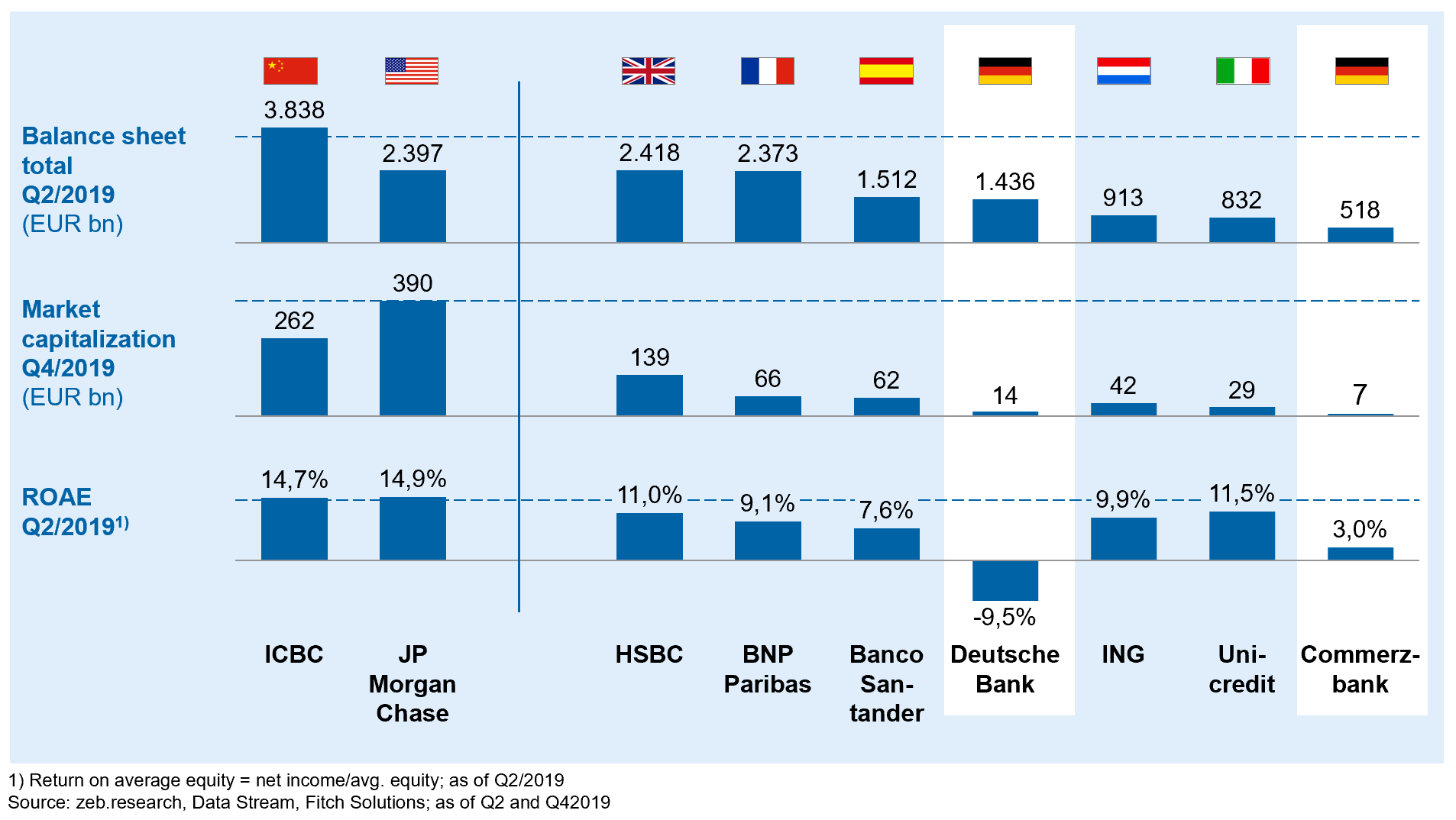
The landscape of European banking in 2026 is defined by a rigorous consolidation of digital transformation, stringent regulatory compliance under the European Central Bank (ECB), and a focus on sustainable finance. The 25 leading European banks—ranked primarily by total assets, Tier 1 capital ratios, and market capitalization—serve as the foundational pillars of the Eurozone and broader European financial stability, facilitating cross-border trade, retail services, and institutional investment.
The Criteria for Leadership in European Banking
Determining the "leading" banks in Europe requires looking beyond simple asset size. While total consolidated assets provide a snapshot of a bank's scale, they do not necessarily reflect profitability, digital efficiency, or market influence. In 2026, the industry standard for identifying a leader involves a multi-factor analysis:
- Systemic Importance (G-SIBs): Most of the top 25 institutions are designated as Global Systemically Important Banks, meaning their failure would pose a significant risk to the international financial system.
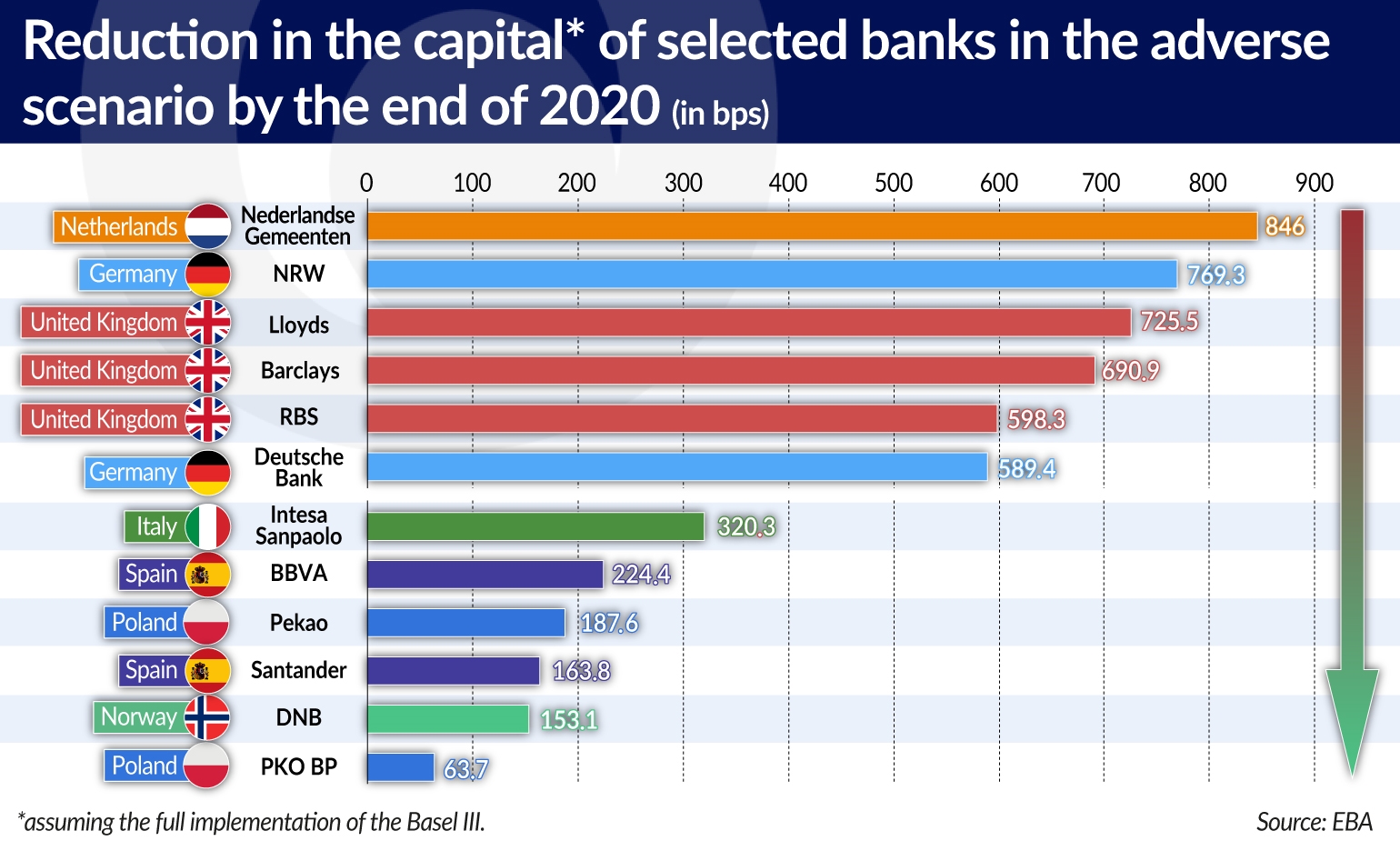
- CET1 Ratio: The Common Equity Tier 1 ratio is the primary indicator of a bank's financial strength, representing its ability to withstand economic stress.
- Digital Maturity: With the rise of fintech competition, the leading banks have shifted focus toward proprietary digital ecosystems, open banking APIs, and AI-driven customer service.
- Geographic Diversification: Leaders are characterized by their ability to operate effectively across multiple national jurisdictions within the EU and beyond.
Market Leaders: The Tier 1 Institutions
The European banking hierarchy is dominated by several massive institutions that maintain headquarters in key financial centers like Paris, Frankfurt, Madrid, and Amsterdam. These banks dictate interest rate trends and liquidity levels for the continent.
The Top 5 Institutions by Asset Base
- BNP Paribas (France): Consistently holds the title of Europe's largest bank by total assets. Its diverse model spanning retail, corporate, and investment banking provides a significant competitive moat.
- Crédit Agricole (France): A cooperative giant that maintains a massive footprint in both domestic retail banking and international insurance markets.
- Société Générale (France): Known for its strong presence in equity derivatives and global investment banking, alongside a robust European retail network.
- Banco Santander (Spain): A major player in the European and Latin American markets, Santander remains a leader in retail banking and digital payments infrastructure.
- Deutsche Bank (Germany): Having undergone extensive restructuring over the past decade, it remains the backbone of the German corporate finance sector.
Comparison of Key European Banking Indicators
When evaluating these institutions, stakeholders must consider how they balance risk with operational performance. The following table provides a structural overview of key categories of these leading institutions based on reporting standards from the European Banking Authority (EBA) as of early 2026.
| Bank Name | Primary Headquarters | Core Market Strength | Asset Classification |
|---|---|---|---|
| BNP Paribas | Paris, France | Universal Banking | Tier 1 (Global) |
| Banco Santander | Madrid, Spain | Retail/Commercial | Tier 1 (Global) |
| HSBC Europe | London/Paris | Global Markets | Tier 1 (Global) |
| UniCredit | Milan, Italy | Central/Eastern Europe | Tier 1 (Regional) |
| ING Group | Amsterdam, Netherlands | Digital Retail | Tier 1 (Global) |
| Deutsche Bank | Frankfurt, Germany | Corporate Banking | Tier 1 (Global) |
| BBVA | Bilbao, Spain | Digital Transformation | Tier 1 (Regional) |
| Barclays Europe | Dublin/London | Investment/Retail | Tier 1 (Global) |
Regional Powerhouses and Their Strategic Focus
Beyond the absolute giants, the list of the 25 leading banks includes regional powerhouses that dominate specific economic corridors.
UniCredit has solidified its position by acting as a bridge between Western and Eastern Europe, maintaining a dominant market share in countries like Austria, Italy, and Hungary. Similarly, ING Group has focused heavily on "digital-first" retail banking, setting the standard for how large institutions can migrate from traditional branch-heavy models to low-overhead, app-centric operations.
In the Nordic regions, banks such as Nordea provide a unique case study in efficiency. Operating in smaller, highly digitized economies, these banks often boast some of the highest digital adoption rates globally. Their focus on ESG (Environmental, Social, and Governance) reporting is particularly advanced, reflecting the regulatory pressures and consumer expectations within the Scandinavian market.
Challenges Facing European Banks in 2026
Despite their market lead, these 25 institutions face several structural challenges that dictate their future strategy.
Regulatory Environment and Capital Requirements
The ECB’s supervision remains the single most important factor in the daily operations of these banks. New liquidity coverage ratios (LCR) and net stable funding ratios (NSFR) require banks to keep high-quality liquid assets on hand, which can suppress high-growth lending activities.
The Digital Frontier and Fintech Competition
Neobanks and decentralized finance (DeFi) platforms have successfully captured the younger demographic. The 25 leading banks are responding by investing billions into their own digital transformation projects. This involves replacing legacy mainframe systems with cloud-native infrastructure, which is a complex and costly endeavor that can take years to complete.
Economic Headwinds and Interest Rates
The interest rate cycle in the Eurozone remains a critical driver of net interest margins (NIM). While higher rates have historically boosted profitability for traditional retail banks, they also increase the risk of loan defaults in corporate and mortgage portfolios, requiring banks to set aside larger provisions for non-performing loans (NPLs).
How to Evaluate Banking Stability as a Customer or Investor
For those looking to assess the health of these institutions, whether for placing deposits or evaluating equity positions, several reliable data sources exist:
- The European Banking Authority (EBA) Transparency Exercises: Published periodically, these reports provide a granular look at the capital positions and risk profiles of all major EU banks.
- Annual Pillar 3 Reports: These are mandatory disclosures under the Basel III framework. They provide detail on a bank's risk management, capital adequacy, and leverage ratios.
- Credit Ratings: Agencies like Moody’s, S&P, and Fitch offer independent outlooks on the debt-servicing ability of these institutions.
Frequently Asked Questions
Are these 25 banks considered "too big to fail"? While the term is discouraged by regulators, these banks are designated as Global Systemically Important Banks (G-SIBs). They are subject to higher capital buffers and stricter "living will" requirements, which mandate that they have a plan for orderly resolution in the event of failure to avoid state-funded bailouts.
How does digital banking affect the safety of my funds? Digital banking platforms operated by these established institutions are subject to the same deposit guarantee schemes as traditional banking. Under EU law, deposits up to €100,000 per depositor per bank are protected by national deposit guarantee schemes.
What is the role of the ECB in monitoring these banks? The ECB, through the Single Supervisory Mechanism (SSM), directly supervises the largest banks in the Eurozone. This ensures a uniform application of banking rules and swift intervention if an institution's capital ratios fall below regulatory minimums.
Is it safe to invest in the stock of these leading European banks? Investing in banking stocks carries risks related to economic cycles and regulatory changes. Potential investors should examine the bank's dividend yield, its NPL (Non-Performing Loan) ratio, and its exposure to volatile sectors like commercial real estate.
How do I find the specific financial reports for these banks? Every publicly traded bank on the top 25 list maintains an "Investor Relations" section on its official website. This is the primary source for quarterly earnings reports, Pillar 3 disclosures, and ESG reports.
Recommendations for Next Actions
If you are a corporate treasurer or a private investor, the best first step is to visit the European Central Bank’s official portal regarding the list of Significant Institutions. This provides the most accurate, real-time list of which banks are under direct supervision.
For those looking to compare services, start by identifying your specific needs—whether it is cross-border corporate credit facilities or private retail banking. Cross-reference these needs with the primary market strength identified in the table above to narrow your list to the top three institutions that align with your financial goals. Ensure that your chosen institution maintains a strong CET1 ratio, as this is the best indicator of long-term operational stability.