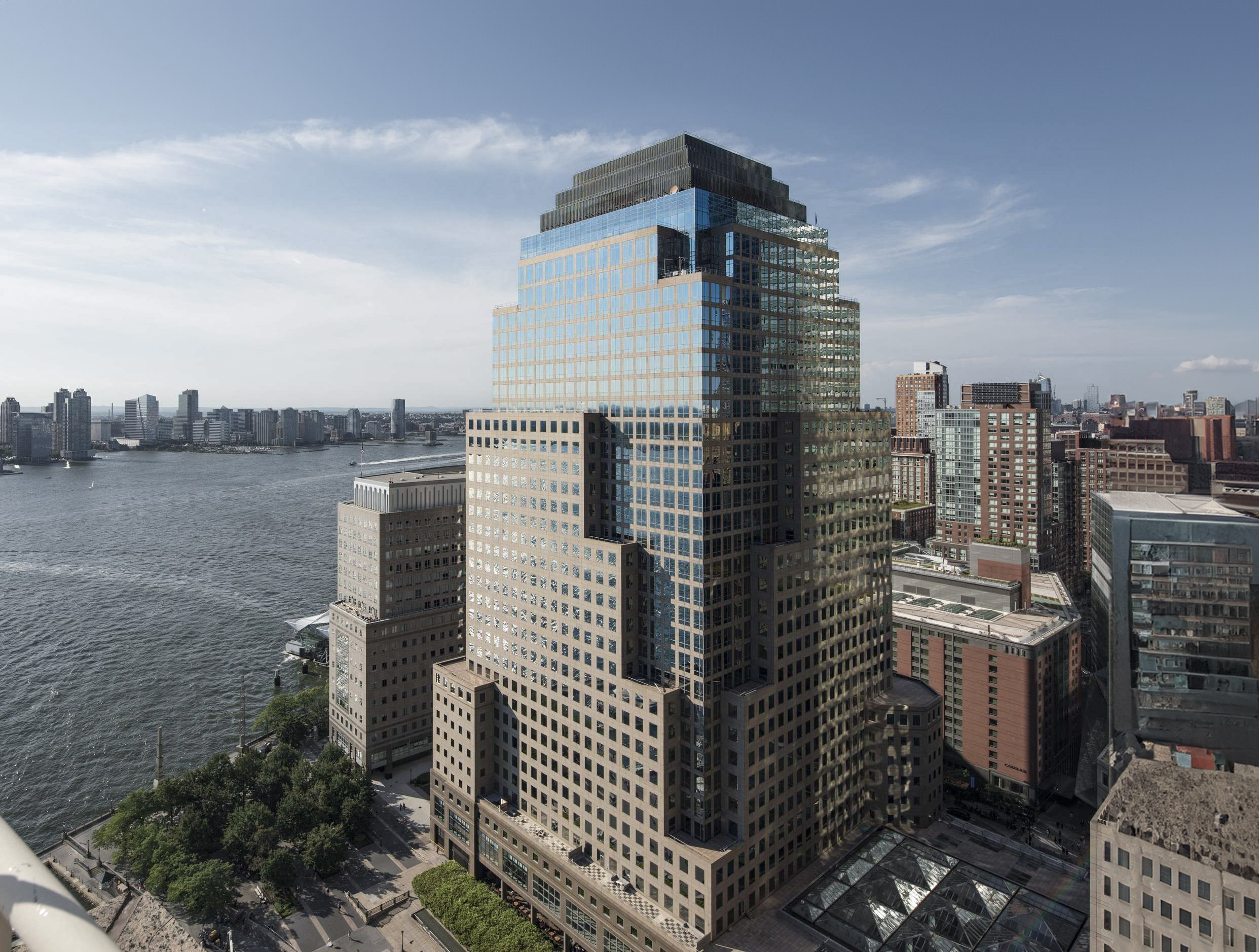
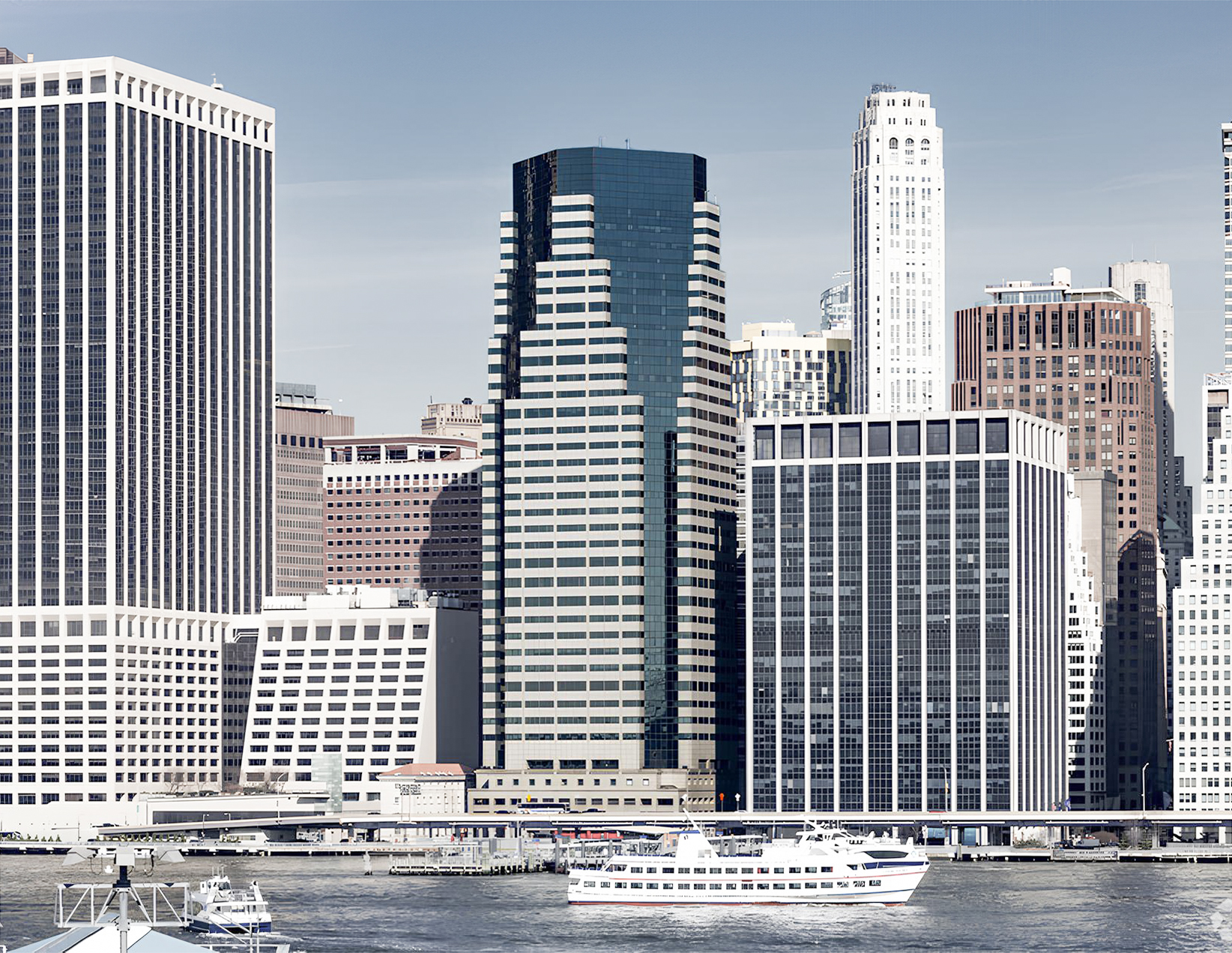
225 Liberty Street, formerly known as One World Financial Center, is a prominent 40-story skyscraper in Lower Manhattan’s Battery Park City. Designed by Cesar Pelli and completed in 1986, the building serves as a cornerstone of the Brookfield Place complex, blending corporate history with modern architectural evolution, resilience after the events of September 11, and ongoing sustainability and leasing transformations.
Introduction to 225 Liberty Street
Standing tall along the Hudson River waterfront, 225 Liberty Street is much more than a standard commercial office building. It represents a vital chapter in the physical and economic revitalization of Lower Manhattan. Originally constructed as part of the four-building World Financial Center complex, the tower was envisioned to anchor a new mixed-use neighborhood on landfill reclaimed from the construction of the original World Trade Center.
Over the decades, the structure has witnessed dramatic economic shifts, weathered catastrophic regional crises, and undergone multi-million-dollar modernizations. Understanding the building requires examining its architectural roots under Cesar Pelli, its pivotal role in the post-9/11 rebuilding era, its strategic transition into Brookfield Place, and its current positioning in the modern commercial real estate landscape of 2026.
Architectural Heritage and Original Construction
The genesis of 225 Liberty Street dates back to the early 1980s, a period when Lower Manhattan was aggressively expanding its commercial footprint. Developed by Olympia & York and designed by master architect Cesar Pelli—working alongside consultant architects Haines Lundberg Waehler—the building was conceived as part of a cohesive urban master plan.
Design Philosophy and Aesthetic
Cesar Pelli approached the World Financial Center with a distinct focus on urban integration and human-scaled public spaces. Unlike the monolithic, dark-glass skyscrapers that dominated corporate architecture in previous decades, 225 Liberty Street utilized a light-colored granite facade, elegant geometric massing, and a distinct copper-clad vaulted roof.
The building's height reaches approximately 577 feet (176 meters) across its 40 stories, offering expansive floor plates that average around 35,000 to 45,000 square feet. These wide, flexible column-free spaces were specifically engineered to accommodate the burgeoning technological needs of financial services firms in the late 20th century.
Connection to the Winter Garden
One of the defining architectural achievements of the complex was its seamless integration with the World Financial Center Winter Garden—a grand, glass-domed public atrium designed by Cesar Pelli and Trinity Architects. 225 Liberty Street directly abuts this public space, providing workers and visitors with immediate access to indoor palm trees, public art exhibitions, retail shopping, and sweeping views of the North Cove Marina. This integration of corporate real estate with accessible civic space set a new benchmark for urban commercial development in the United States.
The World Financial Center Era and Early Tenants
Upon its opening in 1986, 225 Liberty Street quickly attracted premier financial institutions, legal powerhouses, and multinational corporations looking for modern infrastructure outside the congested core of the Financial District.
The building became synonymous with Wall Street’s back-office and executive expansion. Its early tenancy was dominated by financial giants, commodities traders, and professional service firms that required robust telecommunications infrastructure, high-speed elevator banks, and secure trading floors. The proximity to the New York Mercantile Exchange and the Hudson River waterfront made the address a prestigious corporate postal code.
| Building Metric | Specification |
|---|---|
| Height | 577 feet (176 meters) |
| Stories | 40 floors |
| Completion Year | 1986 |
| Architect | Cesar Pelli & Associates |
| Total Rentable Area | Approximately 2.5 million square feet (complex-wide); individual tower details scale accordingly |
| Primary Use | Commercial Office, Retail, Public Atrium |
Resilience and Recovery: The Post-9/11 Era
The history of 225 Liberty Street is inextricably linked to the events of September 11, 2001. Situated directly across West Street from the World Trade Center site, the building sustained significant exterior and interior damage from falling debris, blast waves, and thick clouds of dust. The iconic Winter Garden suffered catastrophic structural damage, with its massive glass barrel vault shattered and its interior severely compromised.
The Immediate Aftermath and Clean-Up
In the days and months following the attacks, the entire World Financial Center complex was evacuated and placed under emergency management. The structural integrity of 225 Liberty Street was closely monitored, and remediation teams undertook massive cleaning, air quality testing, and structural restoration operations.
Remarkably, despite its proximity to Ground Zero, the steel superstructure remained sound. The restoration of the Winter Garden became an early symbol of Lower Manhattan's resilience; it reopened in September 2002, just one year after the attacks, featuring a restored glass roof and renewed landscaping.
Tenant Retention and Re-Tenanting
While some corporate tenants temporarily relocated operations to midtown Manhattan or New Jersey, Brookfield Properties (which acquired Olympia & York's interest over time) launched aggressive leasing incentives and physical upgrades to retain and attract businesses. The successful stabilization of 225 Liberty Street proved critical in convincing major corporations that Lower Manhattan remained a viable, secure, and vibrant place to conduct global business.
Transformation into Brookfield Place
By the early 2010s, ownership initiated a comprehensive repositioning strategy to transform the World Financial Center into a modern, lifestyle-oriented destination. In 2014, the complex was officially rebranded as Brookfield Place, signaling a shift from a purely financial district office park to a dynamic neighborhood hub combining high-end fashion, upscale dining, and cultural programming.
Capital Improvements and Modernization
225 Liberty Street underwent substantial interior and exterior renovations to align with the rebranding:
- Lobby Upgrades: Reimagined lobbies featuring contemporary lighting, high-end stone finishes, and integrated security turnstiles.
- Infrastructure Overhauls: Upgraded HVAC systems, enhanced energy-efficient window glazing, and modernized elevator control destinations.
- The Hub Retail Integration: Enhanced connectivity to the underground concourses connecting to the World Trade Center Transportation Hub (The Oculus), allowing tenants to access multiple subway lines without stepping outside during inclement weather.
Culinary and Cultural Integration
A major driver of the building's contemporary relevance is its culinary destination status. The ground levels surrounding 225 Liberty Street, including the upscale food hall Hudson Eats and the fine dining establishments lining the waterfront, transformed the daily office routine for thousands of employees.
Furthermore, the integration of public art installations, seasonal ice skating rinks at the nearby marina, and community events inside the Winter Garden ensured that 225 Liberty Street maintained a bustling atmosphere well beyond standard corporate working hours.
Sustainability, Energy Efficiency, and Future-Proofing
As commercial real estate enters a new era focused heavily on environmental, social, and governance (ESG) standards, 225 Liberty Street has undergone continuous technical evaluations to improve its carbon footprint and operational efficiency.
Green Building Initiatives
Brookfield Properties implemented rigorous sustainability measures across the Brookfield Place portfolio:
- Energy Management Systems: Utilization of automated building management systems (BMS) to optimize heating, cooling, and lighting based on real-time occupancy data.
- Waste Diversion: Comprehensive recycling and organic waste composting programs across major corporate tenant floors.
- Water Conservation: Installation of low-flow plumbing fixtures and intelligent irrigation systems for surrounding public landscapes.
These upgrades have helped the tower secure high-level environmental certifications, assuring corporate tenants that their office footprint aligns with strict international climate disclosure mandates and internal corporate responsibility goals.
The Modern Leasing Landscape and Future Outlook
In the post-pandemic commercial real estate market, 225 Liberty Street has demonstrated resilience compared to older, unamenitized office stock in Lower Manhattan. Driven by the "flight to quality" trend, modern tenants increasingly demand buildings that offer collaborative indoor-outdoor spaces, robust wellness amenities, seamless transit connectivity, and premier waterfront views.
Strategic Advantages for Tenants
- Transit Access: Direct subterranean connections to the Fulton Center and World Trade Center Oculus provide access to the 1, 2, 3, A, C, E, R, W, J, Z, and PATH trains.
- Waterfront Proximity: Direct views of the Hudson River and proximity to the Manhattan Waterfront Greenway appeal heavily to employee wellness initiatives.
- Floor Plate Flexibility: Large, open-plan layouts allow companies to design hybrid workspaces that balance private executive offices with collaborative team zones.
The future of 225 Liberty Street rests on its ability to continually adapt to changing workplace dynamics, maintaining its status as a premier corporate address while honoring the architectural vision established by Cesar Pelli four decades ago.
Frequently Asked Questions
When was 225 Liberty Street originally built?
The tower was completed in 1986 as part of the original World Financial Center development, designed by architect Cesar Pelli for developer Olympia & York.
What is the former name of 225 Liberty Street?
Before being re-addressed and integrated into the Brookfield Place complex, the building was widely known as One World Financial Center.
How did the events of September 11 affect the building?
The building suffered structural debris damage and broken windows due to its close proximity to the World Trade Center. The adjacent Winter Garden was severely damaged but was fully restored and reopened in September 2002, with the tower undergoing subsequent interior and exterior modernizations.
What subway lines are closest to 225 Liberty Street?
Tenants and visitors have direct indoor access to the World Trade Center Transportation Hub (The Oculus) and Fulton Center, serving the 1, 2, 3, A, C, E, R, W, J, Z, and PATH train lines.
What kind of amenities are available at the building?
The property features direct access to Hudson Eats food hall, upscale waterfront dining, the Winter Garden public atrium, high-end retail shopping, secure bicycle storage, and modern conference facilities.
Conclusion
225 Liberty Street stands as a testament to Lower Manhattan's enduring capacity for renewal. From its inception as part of Cesar Pelli’s groundbreaking waterfront master plan to its survival through the challenges of the 21st century and its modern identity within Brookfield Place, the tower balances historical significance with forward-looking commercial viability. By prioritizing sustainability, architectural integrity, and premier tenant amenities, 225 Liberty Street secures its place as a cornerstone of New York City's architectural and economic future.