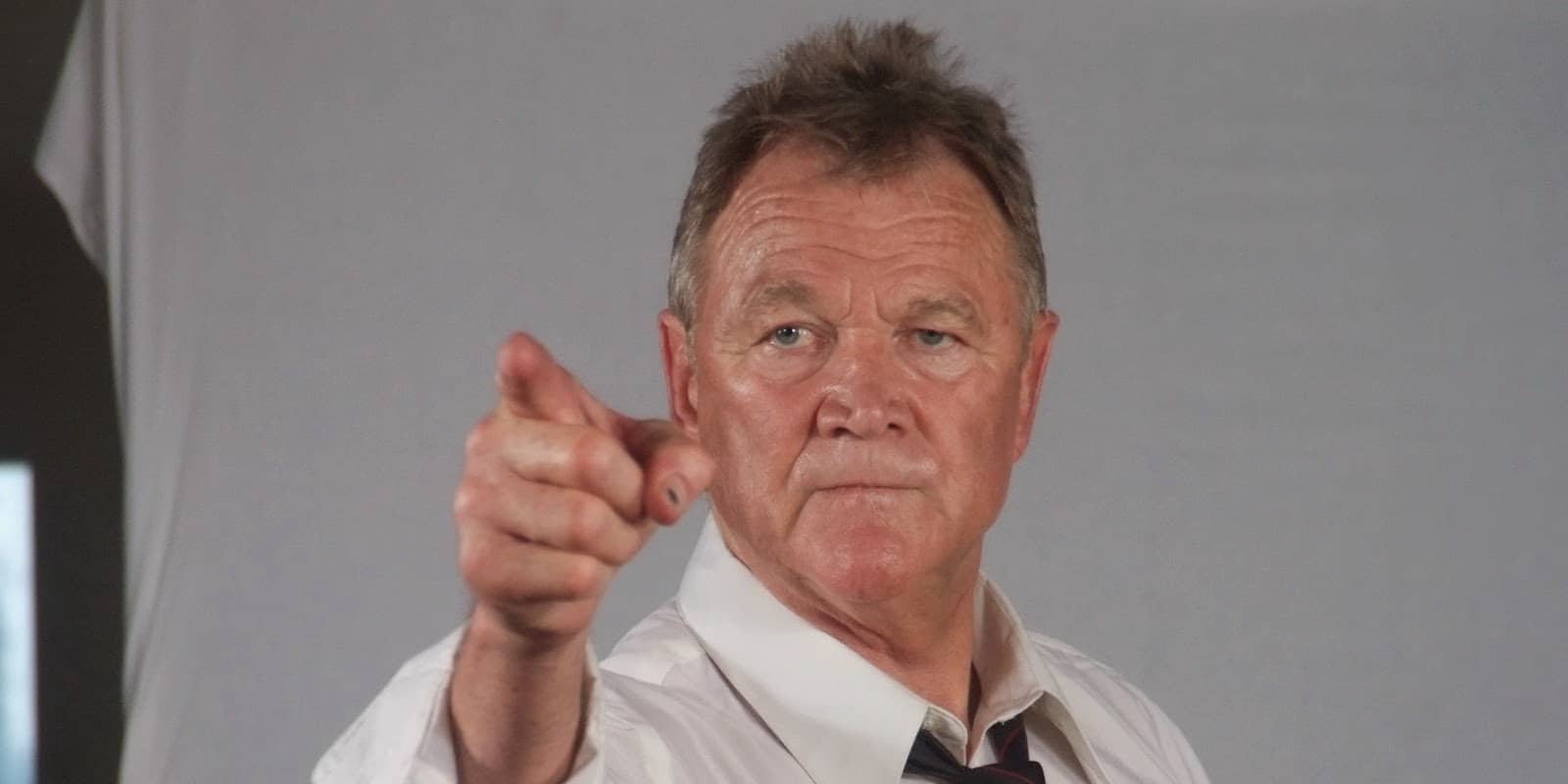
In 2017, Swedish-American actor, director, and producer Bo Svenson had an estimated net worth between $2 million and $5 million. This financial valuation reflected over five decades of continuous work across feature films, network television series, international film productions, directing and screenwriting credits, and long-term SAG-AFTRA residual income.
Understanding the 2017 Bo Svenson Net Worth Estimates
Evaluations of private financial assets for veteran entertainment figures rely on aggregated public data, documented box office figures, known guild minimums, union residual terms, and property records. Around 2017, financial tracking outlets and celebrity earnings databases placed Bo Svenson’s net worth within the $2 million to $5 million range.
| 2017 Financial Valuation Breakdown | Details |
|---|---|
| Estimated Net Worth Range | $2,000,000 – $5,000,000 USD |
| Primary Asset Drivers | Film/TV Acting Salaries, Directing, Production Assets, Cable & Network Residuals, Southern California Real Estate Holdings |
| Industry Tenure | 50+ Years (Active Since 1965) |
To accurately understand this valuation, it is essential to look beyond a single arbitrary figure. Character actors who built their careers during the 1970s and 1980s operated under distinct compensation models compared to modern streaming-era performers. Svenson’s net worth in 2017 was not merely the result of a single blockbuster payout, but rather the cumulative result of diverse revenue streams accumulated over a half-century in the entertainment industry.
Disclaimer: Net worth figures published for public figures represent estimates based on historical compensation data, industry standards, and publicly available records. They do not constitute official financial disclosures or individual tax accounting.
Key Revenue Streams Driving Bo Svenson's Wealth
Bo Svenson's financial stability throughout his career stems from his multi-faceted involvement in the film and television ecosystem. Rather than relying solely on acting contracts, Svenson expanded his earnings potential by taking on roles as a director, producer, writer, and business executive.
1. Major Motion Picture Lead and Supporting Salaries
Svenson transitioned into acting after emigrating from Sweden, serving in the United States Marine Corps, and pursuing higher education. His imposing physical presence (standing 6 feet 5 inches tall) and athletic background made him a sought-after leading man and character actor in action, drama, and western genres during the 1970s and 1980s.
His financial breakthrough occurred in the mid-1970s with several high-profile studio releases:
- The Great Waldo Pepper (1975): Co-starring alongside Robert Redford under Universal Pictures, this studio release provided Svenson with major studio visibility and top-tier co-starring compensation.
- The Walking Tall Franchise (1975, 1977): Svenson took over the iconic role of Sheriff Buford Pusser in Walking Tall Part 2 (1975) and Walking Tall: Final Chapter (1977). Stepping into an established, commercially successful action franchise allowed Svenson to negotiate higher base pay and residual structures tied to theatrical and home video performance.
- North Dallas Forty (1979) and Heartbreak Ridge (1986): Working opposite established stars like Nick Nolte and Clint Eastwood secured Svenson prominent billing in major studio studio projects produced by Paramount Pictures and Warner Bros., ensuring standard SAG-AFTRA theatrical feature compensation rates and global syndication rights.
- Tarantino Collaborations (2004, 2009): In the 2000s, director Quentin Tarantino—a fan of Svenson’s 1978 Italian war classic The Inglorious Basterds (Quel maledetto treno blindato)—cast Svenson as Reverend Harmony in Kill Bill: Volume 2 (2004) and included him in a cameo role in Inglourious Basterds (2009). These high-profile releases renewed public interest in his legacy work and boosted his modern acting residuals.
2. Television Series Regular Roles and Guest Appearances
Television provided a consistent, predictable income base throughout Svenson's career. During the peak of network television, series regulars and recurring guest stars earned substantial episode fees under contract with major television studios.
Svenson appeared in dozens of iconic network television series from the late 1960s onward:
- Series Lead Roles: He starred as Big John Daniels in the CBS series Here Come the Brides (1968–1970) and reprised his film role as Buford Pusser in the 1981 television series adaptation of Walking Tall.
- Guest Appearances: Svenson made episodic guest appearances on hit network shows including The Mod Squad, Kung Fu, The Six Million Dollar Man, Roper, The A-Team, Magnum, P.I., Murder, She Wrote, L.A. Law, and JAG.
Under the SAG-AFTRA Codified Basic Agreement, network prime-time broadcasts generate recurring residual payments when episodes are rebroadcast, sold into domestic television syndication, or licensed to foreign networks.
3. Directing, Producing, and Production Companies
Svenson recognized early in his career that true long-term financial security in Hollywood lies behind the camera. By forming his own production infrastructure, including Motion Picture Group of America, Svenson positioned himself to capture producer fees, international distribution revenue, and copyright equity.
His behind-the-camera work includes:
- Directing: Writing and directing independent feature films, such as The Third Eye and action-dramas produced for domestic and international home video markets.
- Production Management: Overseeing development, financing, and production logistics for independent films, allowing him to collect executive producer fees alongside traditional talent compensation.
- Foreign Distribution Sales: During the 1980s home video boom, independent action films produced for foreign licensing generated high profit margins relative to their production budgets.
4. Publishing, Public Appearances, and Martial Arts Endeavors
Beyond film and television set earnings, Svenson diversified his personal income through related commercial activities:
- Literary Ventures: Svenson authored screenplays, articles, and literary projects, generating royalty streams and option fees.
- Martial Arts & Athletics: A black belt in judo and an accomplished athlete, Svenson engaged in instructional activities, guest lectures, and sports commentary over his long career.
- Conventions and Autograph Signings: Like many classic action stars, Svenson's participation in film festivals, memorabilia conventions, and nostalgia events provided steady direct-to-consumer revenue in his later career years.
Filmography & Financial Performance Matrix
The following table outlines key projects in Bo Svenson’s career, highlighting their market context, box office scale, and contribution to his financial portfolio.
| Project Title | Release Year | Primary Role / Function | Box Office / Distribution Scope | Primary Financial Contribution |
|---|---|---|---|---|
| The Great Waldo Pepper | 1975 | Axel Olsson (Co-Star) | ~$20.6 Million Domestic Box Office | Major Studio Salary & Global Distribution |
| Walking Tall Part 2 | 1975 | Sheriff Buford Pusser (Lead) | ~$20 Million Domestic Gross | Lead Actor Fee & Franchise Residuals |
| Walking Tall: Final Chapter | 1977 | Sheriff Buford Pusser (Lead) | Multi-Million Domestic Theatrical | Franchise Compensation & VHS/DVD Royalties |
| The Inglorious Basterds | 1978 | Lt. Robert Yeager (Lead) | Global Cult / European Distribution | Foreign Production Salary & Long-Tail Royalties |
| North Dallas Forty | 1979 | Jo Bob Priddy (Supporting) | ~$35.7 Million Domestic Gross | Major Studio Paycheck & Cable Syndication |
| Heartbreak Ridge | 1986 | Major Malcolm Powers | ~$48.1 Million Domestic Gross | High-Profile Studio Pay & Prime-Time Residuals |
| Delta Force 2: The Colombian Connection | 1990 | Major John Page | Global Home Video / Theatrical | International Action Market Salary |
| Kill Bill: Volume 2 | 2004 | Reverend Harmony | ~$152 Million Worldwide Box Office | Modern Blockbuster Fee & Global Streaming Residuals |
Structure of Hollywood Wealth: Gross vs. Net Realities
When evaluating an actor's net worth estimates from 2017, it is critical to separate reported gross career earnings from actual net wealth retention. A common misconception in entertainment journalism is equating total contract values or box office earnings directly to personal bank accounts.
- Gross Contract Earnings (100%)
- Agent Commissions (10%)
- Manager Fees (10% - 15%)
- Legal & Business Management (5%)
- Federal & California State Taxes (35% - 50%)
- Net Wealth Retained (~25% - 40%)
Commission and Professional Representation Costs
Throughout an actor’s active working years, gross performance income is immediately subject to mandatory professional commissions:
- Talent Agents: Standard 10% commission on all acting and directing contracts.
- Personal Managers: Typically 10% to 15% of gross earnings for strategic management.
- Legal Counsel and Business Managers: Usually 5% or hourly billing for contract negotiations and tax filings.
Tax Obligations in California
Because much of Svenson's production work and residency was based in California, top-tier earnings throughout the 1970s, 1980s, and 1990s were subject to the highest federal and state marginal income tax brackets. Total tax burdens frequently exceeded 45% to 50% of gross earnings prior to deductions.
Wealth Retention and Real Estate Allocations
Actors who successfully maintain multi-million dollar balance sheets into their 70s and 80s typically do so through sound wealth preservation rather than continuous high salaries. Svenson’s financial baseline in 2017 was bolstered by long-term holdings in Southern California real estate—a key asset class that historically appreciated significantly over his five decades in the region.
SAG-AFTRA Residual Structures and Passive Income Growth
A foundational component of Bo Svenson’s estimated net worth in 2017 was the passive cash flow generated by union residual structures.
How Residuals Work for Character Actors
Under SAG-AFTRA agreements, when a film or television show is reused beyond its original exhibition medium, the performers are entitled to ongoing payments:
- Network Broadcast Reruns: High percentage payouts during initial rerun windows on major broadcast networks (CBS, NBC, ABC).
- Basic Cable Syndication: Steady long-tail payments generated when classic series like The A-Team, Kung Fu, or Magnum, P.I. air on cable networks globally.
- Physical Media (VHS/DVD/Blu-ray): During the physical media boom of the 1980s, 1990s, and 2000s, actors received fixed percentages of home video wholesale sales.
- Digital Streaming Licensing: Transition of classic catalog titles to digital platforms (such as Netflix, Amazon Prime Video, and ad-supported streaming networks) ensured that legacy performances continued to generate micro-residuals into 2017 and beyond.
For an actor with over 100 screen credits, these residual checks—while fluctuating month to month—form an essential financial safety net that preserves capital in retirement.
Frequently Asked Questions
What was Bo Svenson’s estimated net worth in 2017?
In 2017, industry analysts and net worth aggregators estimated Bo Svenson’s wealth to be between $2 million and $5 million. This estimate accounted for his decades of acting earnings, production ventures, union residuals, and real estate assets.
How did the Walking Tall franchise affect Bo Svenson’s wealth?
Taking over the role of Sheriff Buford Pusser in Walking Tall Part 2 (1975), Walking Tall: Final Chapter (1977), and the 1981 television series established Svenson as a viable action lead. This franchise exposure increased his per-film quote, provided backend royalty potential, and secured long-term syndication income.
Did Bo Svenson earn money behind the camera?
Yes. Svenson worked as a director, writer, and producer. Through his company, Motion Picture Group of America, he acquired creative rights, directed independent features, and participated in foreign licensing sales, capturing producer equity beyond standard acting fees.
How do SAG-AFTRA residuals contribute to a veteran actor's financial standing?
Residuals provide ongoing compensation whenever an actor's past work is rebroadcast on television, sold on physical media, or licensed to streaming services. With over 100 film and television credits, Svenson received continuous passive residual income throughout his career.
Are celebrity net worth estimates from 2017 fully accurate?
Celebrity net worth figures published by media outlets are analytical estimates rather than official financial disclosures. They are calculated using public earnings data, contract standards, real estate valuations, and industry benchmarks, and should be viewed as estimated ranges rather than precise financial statements.
Practical Takeaway: Lessons from Multi-Decade Entertainment Careers
Bo Svenson’s financial trajectory offers clear insight into how working character actors build long-term stability in a volatile industry. Single high-paying roles rarely guarantee lifelong financial security. Instead, lasting wealth in Hollywood relies on three strategic pillars:
- Diversification of Skills: Combining acting with directing, writing, and producing to control intellectual property and secure multiple paychecks per project.
- Passive Residual Capture: Building a deep catalog of film and television credits under strong union contracts (SAG-AFTRA) that generate recurring passive income for decades.
- Prudent Asset Management: Reinvesting earnings into stable, non-entertainment assets such as real estate to protect capital against industry cyclicality.
By establishing a diverse portfolio across active performance, behind-the-camera production, and real estate holding, Bo Svenson maintained financial independence across a career spanning more than fifty years.