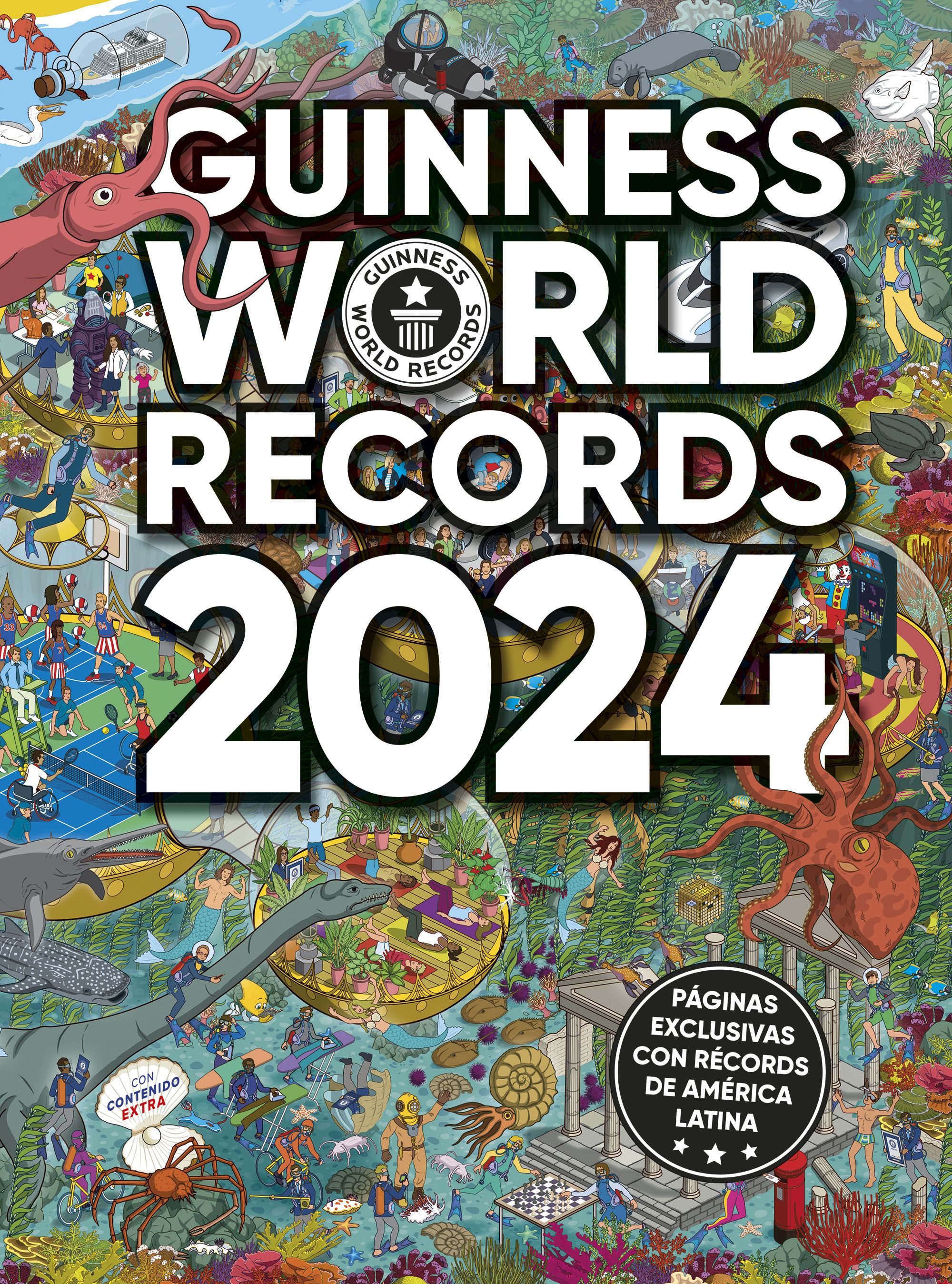
The 2015 Guinness Book of World Records serves as a definitive annual compendium documenting elite human achievements, extraordinary natural phenomena, and unprecedented technological milestones, functioning both as a pop-culture touchstone and a rigorously curated historical archive of global extremes.
Introduction to the 2015 Guinness Book of World Records
The Guinness Book of World Records, first published in 1955, has evolved from a promotional marketing giveaway for a brewing company into one of the most recognized and widely distributed copyrighted intellectual properties in publishing history. The 2015 edition marked the Diamond Jubilee—the 60th anniversary—of the franchise, establishing a symbolic bridge between six decades of verified human ambition and the modern, digitally interconnected era of record-keeping.
For researchers, educators, trivia enthusiasts, and casual readers alike, this specific volume offers a fascinating snapshot of what humanity and the natural world achieved up to the mid-2010s. Understanding how this edition is structured, the rigorous verification processes behind its contents, and the thematic distribution of its records provides a clearer view of its enduring cultural and documentary value.
The Diamond Jubilee Milestone: 60 Years of Record-Breaking
Reaching its 60th anniversary required the 2015 edition to balance nostalgic reflections on past decades with a forward-looking presentation of cutting-edge feats. The Diamond Jubilee edition introduced special retrospective sections, highlighting how records had evolved since the inaugural 1955 hardcover was compiled by Norris and Alan McWhirter in a London office.
Evolution of Categories Over Six Decades
Over sixty years, the taxonomy of records shifted dramatically in response to societal, technological, and environmental changes:
- Early Decades (1950s–1970s): Focused heavily on traditional physical endurance, classical agriculture, heavy industry, and geographical extremes.
- Late 20th Century (1980s–1990s): Expanded rapidly into mass media, video gaming, pop culture, and organized sports milestones.
- Modern Era (2000s–2015): Heavily integrated digital technology, space exploration, massive crowd-sourced achievements, and complex engineering marvels.
This historical continuity allows readers to trace human progress, showing how barriers once thought insurmountable—such as sub-four-minute miles or solo global circumnavigations—became stepping stones for subsequent generations.
Core Structure and Editorial Sections
The 2015 edition is organized into distinct thematic chapters designed to guide the reader through the vast spectrum of human endeavor and planetary diversity. Each chapter aggregates records by domain, pairing dense statistical tables with high-resolution photography and detailed contextual essays.
Major Chapter Breakdown
| Chapter Theme | Primary Focus and Typical Records |
|---|---|
| Human Body | Anatomical extremes, medical anomalies, longevity records, and physical adaptations. |
| Amazing Animals | Zoological wonders, largest/smallest species, pet feats, and behavioral anomalies. |
| Natural World | Geological formations, extreme weather events, botanical specimens, and cosmic phenomena. |
| Modern Society | Infrastructure, business giants, mass gatherings, philanthropy, and cultural phenomena. |
| Science & Technology | Engineering marvels, computing power, transport speeds, and space exploration. |
| Arts & Media | Box office milestones, music charts, television achievements, and publishing giants. |
| Sports & Games | Athletic records across football, track and field, motorsports, and specialized competitive gaming. |
The Record Verification and Adjudication Process
A common misconception among casual observers is that any submitted claim can easily find its way into print. In reality, the integrity of the Guinness Book of World Records relies on a strict, multi-tiered verification framework managed by the Guinness World Records (GWR) organization.
Standards for Acceptance
To be published in the 2015 edition, a record had to satisfy several foundational criteria:
- Measurability: The feat must be quantifiable using standard, universally accepted units of measurement.
- Breakability: The record must be capable of being independently repeated and challenged by others.
- Standardization: The rules governing the attempt must be clear, transparent, and applicable across different jurisdictions.
- Verification: Comprehensive evidence—including independent witness statements, video documentation, and certified measurements by qualified experts—is mandatory.
Official adjudicators often attend high-profile attempts in person to ensure protocol adherence, while standard desk submissions undergo rigorous scrutiny by records management teams.
Landmark Records Featured in the 2015 Edition
The 2015 volume captured numerous milestones that dominated headlines during its compilation window. While some records are perennial fixtures, others represent unique moments in time.
Human and Biological Marvels
The Human Body chapter continually captures public fascination. The 2015 edition documented notable standards in human longevity, such as verified supercentenarians, alongside anatomical milestones. In the animal kingdom, records ranged from the verified lifespan of domestic species to the extreme migratory patterns of marine life, backed by contemporary tracking technologies used by biologists.
Technological and Engineering Feats
Engineering benchmarks in the 2015 book reflected the accelerating pace of global development. This included assessments of the world's tallest operational skyscrapers, deepest subterranean tunneling projects, and advances in renewable energy production capacity. In computing, processing speeds and data storage capacities highlighted the transition toward ubiquitous mobile connectivity and big-data analytics.
Comparison: The 2015 Print Edition Versus Digital Databases
| Feature | 2015 Print Edition | Digital Database (GWR Website) |
|---|---|---|
| Format | Curated physical hardcover book | Dynamic, searchable online repository |
| Update Frequency | Annual release cycle | Continuous, real-time updates |
| Content Scope | Selected highlights and top-tier feats | Comprehensive database of thousands of past and active records |
| Multimedia | High-resolution still photography | Integrated video footage, live-streamed attempts, and interactive media |
| Collector Value | High (commemorative 60th-anniversary branding) | None (transient digital asset) |
Common Misconceptions About Record Publishing
Navigating the ecosystem of world records involves dispelling several widespread myths regarding how titles are earned, reviewed, and published:
- Payment Guarantees Inclusion: Paying for an expedited review service or hiring a private adjudicator accelerates the verification process, but it does not guarantee that a record will be accepted or printed in the annual book. All submissions must pass the same objective evidentiary standards.
- Exhaustiveness: The annual print book contains only a fraction of the total active records maintained by the organization. Space constraints mean thousands of verified records appear exclusively in digital databases or remain archived.
- Permanence: Very few records are permanent. The vast majority are continually broken as training methods improve, technology advances, and human ambition pushes boundaries further.
Frequently Asked Questions
How many records are contained in the 2015 Guinness Book of World Records?
The print edition typically highlights around 3,000 to 4,000 records chosen from a database containing tens of thousands of active titles. The exact count varies each year based on editorial curation, imagery size, and article depth.
Can anyone submit a record attempt for publication?
Yes. Individuals, groups, and corporate entities can submit an application through the official Guinness World Records website. Applicants must either propose a brand-new record category or attempt to break an existing one, followed by adherence to specific guidelines provided by the organization.
Are all records in the book physically checked by an official adjudicator?
No. While high-profile, complex, or high-risk records often feature an on-site GWR adjudicator, the vast majority of records rely on submitted documentary evidence verified by records management teams after the attempt occurs.
Why do some popular records not appear in the 2015 print edition?
Due to strict page limitations and the annual publishing cycle, editors must select the most visually engaging, globally relevant, or heavily contested records. Many specialized or niche records are maintained exclusively in the online database rather than the physical book.
How did the Guinness Book of World Records begin?
The concept originated in the early 1950s during a discussion between Sir Hugh Beaver, then-managing director of the Guinness Brewery, and hunting companions over which game bird was the fastest in Europe. Recognizing the lack of a definitive reference book to settle pub arguments, Beaver commissioned Norris and Alan McWhirter to compile the first volume, published in August 1955.
Conclusion and Recommendations
The 2015 Guinness Book of World Records stands as an essential milestone publication, capturing sixty years of institutional history while cataloging the contemporary limits of human and natural achievement. For collectors, researchers, and enthusiasts, securing a physical copy offers a tangible window into the mid-2010s cultural and technological landscape. When exploring or citing this volume, always verify whether specific athletic, scientific, or demographic milestones have been superseded in subsequent annual editions or digital updates.