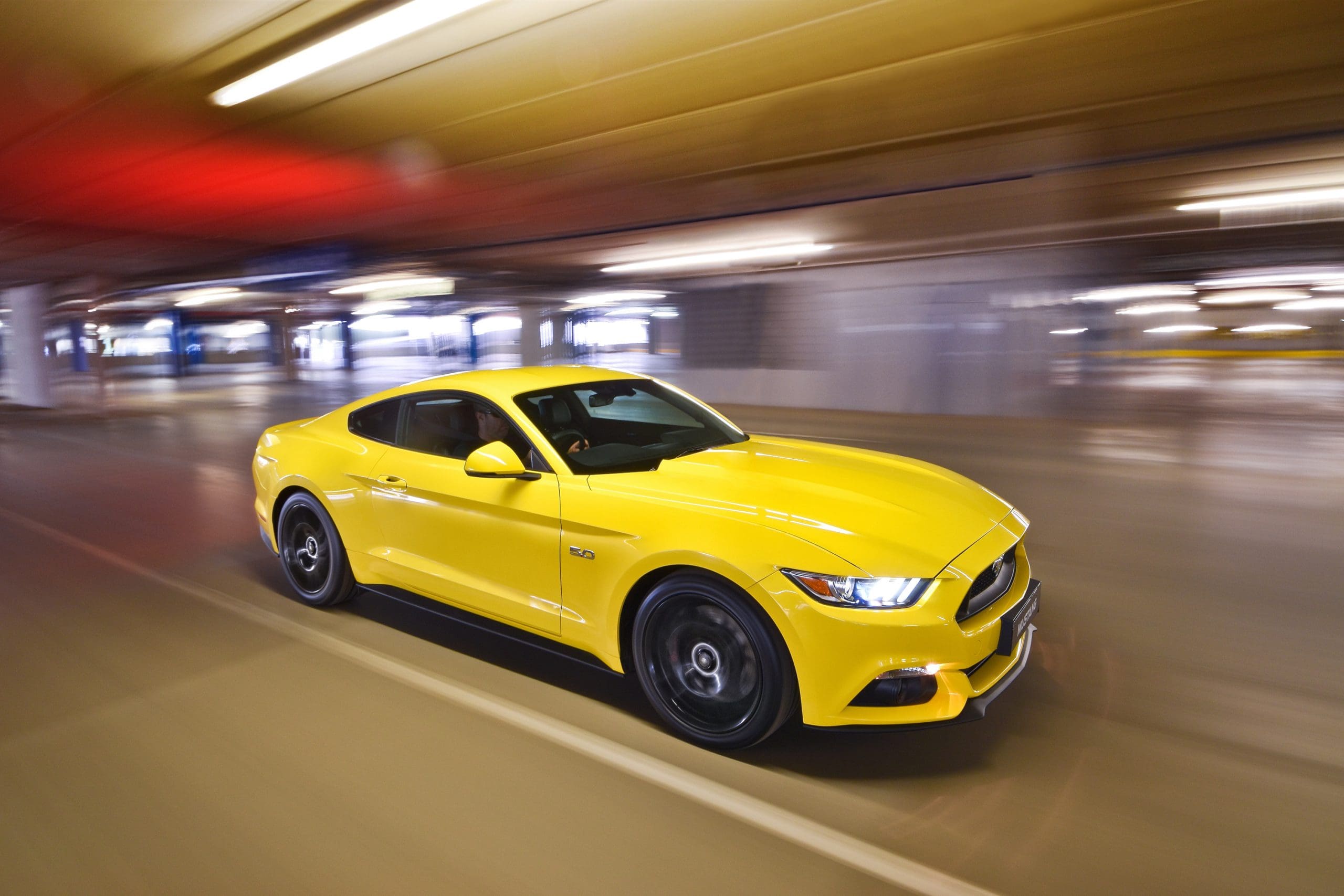
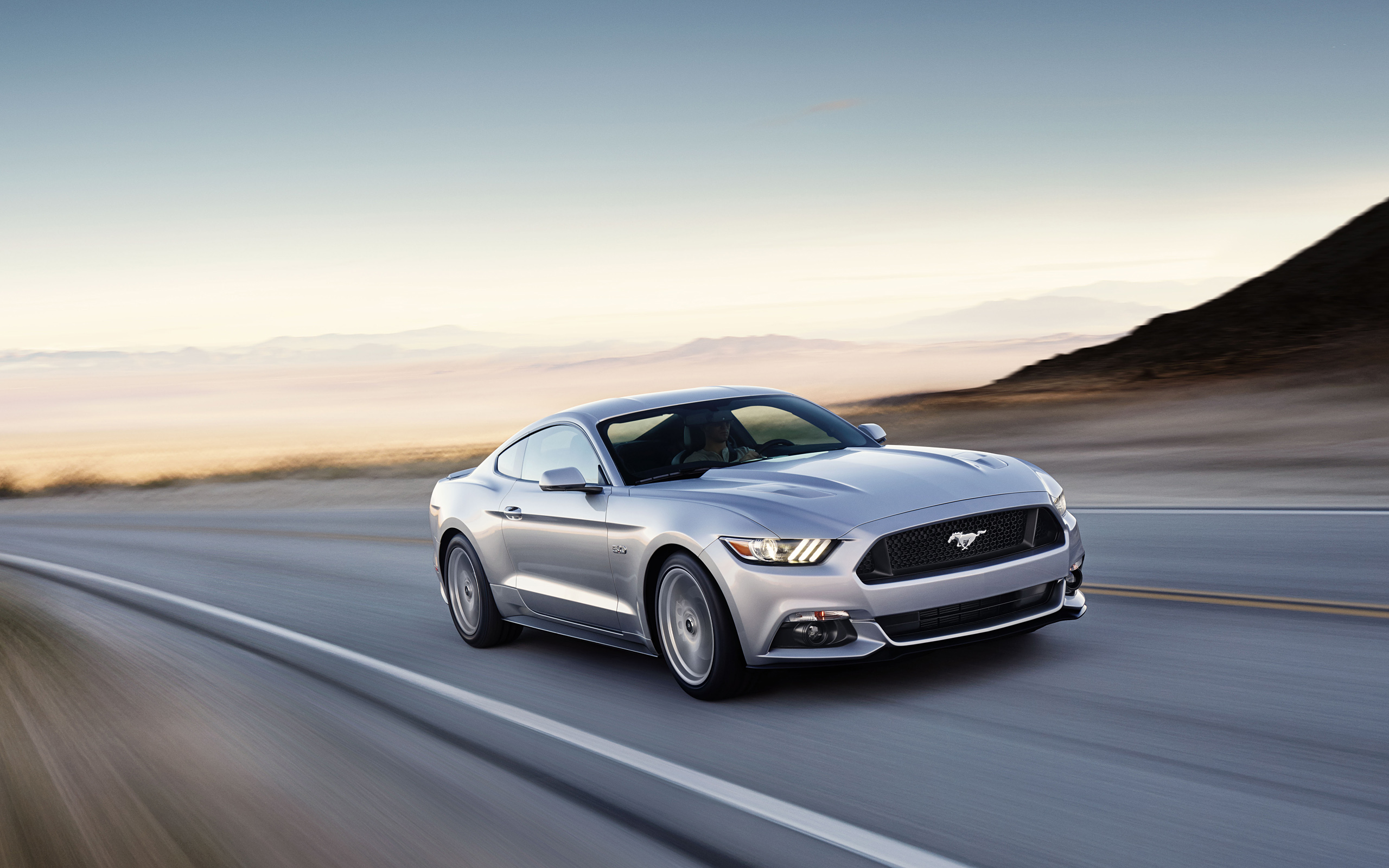
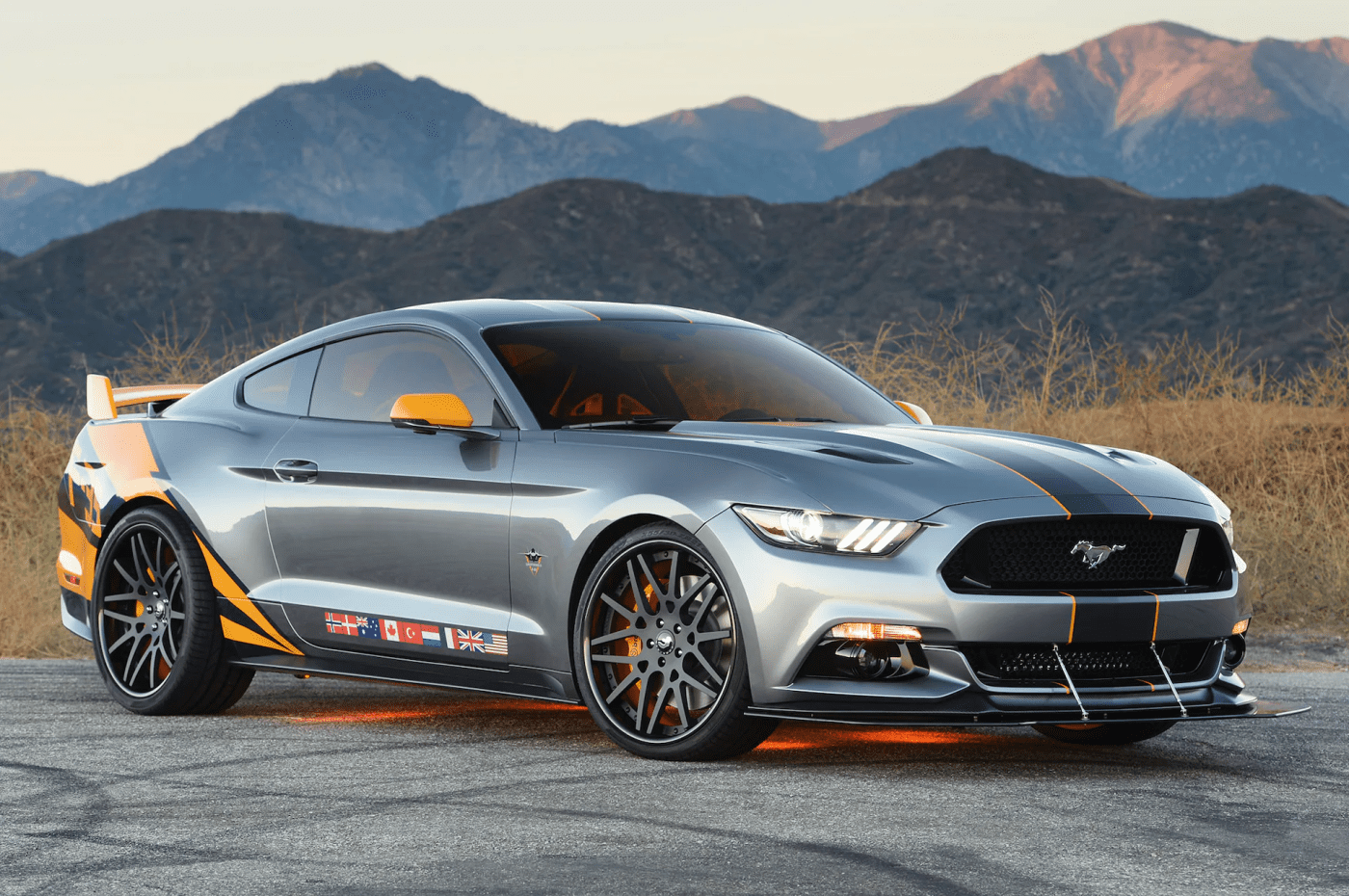
The 2015 Ford Mustang offers three primary engine options with distinct horsepower outputs: the base 3.7-liter V6 producing 300 horsepower, the turbocharged 2.3-liter EcoBoost four-cylinder generating 310 horsepower, and the performance-oriented 5.0-liter Coyote V8 delivering 435 horsepower.
Introduction to the 2015 Ford Mustang Powertrain Lineup
The 2015 model year marked a monumental shift for the legendary Ford Mustang. Celebrating its 50th anniversary, the pony car underwent a total redesign, introducing an independent rear suspension (IRS) across the entire lineup and completely restructuring its powertrain architecture. For automotive enthusiasts, buyers, and collectors, understanding the exact horsepower figures of the 2015 Ford Mustang is essential for evaluating performance capabilities, fuel economy trade-offs, and pricing differences on the used car market.
Unlike previous generations where engine size directly correlated with pecking order, the 2015 lineup introduced a sophisticated turbocharged four-cylinder engine designed to bridge the gap between traditional entry-level V6 models and the high-output V8 GT variants. Navigating these options requires a detailed look at how each engine produces its power, the technology behind the blocks, and how these figures translate into real-world driving dynamics.
The Base Engine: 3.7L V6 Horsepower and Specifications
For decades, the base V6 engine served as the traditional entry point for budget-conscious Mustang buyers who wanted iconic styling without the higher fuel consumption and purchase price of a V8. In the 2015 model year, Ford carried over an updated version of the 3.7-liter Ti-VCT (Twin Independent Variable Camshaft Timing) V6 engine.
- Horsepower: 300 hp at 6,500 RPM
- Torque: 280 lb-ft at 4,000 RPM
- Valvetrain: DOHC, 4 valves per cylinder
- Block/Head Material: Cast aluminum block, aluminum heads
Despite being the base engine, 300 horsepower was a substantial output for an entry-level sports coupe in 2015, outperforming many contemporary rivals. The Ti-VCT system optimizes combustion efficiency across the RPM band, providing responsive low-end acceleration and steady high-end pulling power. However, Ford positioned this engine primarily for fleet sales and entry-level retail buyers, limiting its availability with certain performance packages. By subsequent model years, Ford phased out the V6 entirely, making the 2015 iteration one of the final years to feature a six-cylinder Mustang.
The Mid-Tier Innovation: 2.3L EcoBoost Horsepower and Turbo Dynamics
The most radical addition to the 2015 Mustang lineup was the 2.3-liter EcoBoost four-cylinder engine. Designed to offer a modern blend of forced-induction torque and efficiency, this twin-scroll turbocharged powerplant was engineered specifically to appeal to global markets where large-displacement V8 engines faced steep taxation and fuel penalties.
- Horsepower: 310 hp at 5,500 RPM
- Torque: 320 lb-ft at 3,000 RPM
- Induction: Twin-scroll turbocharger with air-to-air intercooler
- Fuel Delivery: Direct injection
The EcoBoost engine actually eclipses the base V6 in both horsepower (by 10 hp) and torque (by 40 lb-ft), while achieving the peak torque much lower in the RPM range at 3,000 RPM. This creates a punchy, responsive power delivery curve that excels in daily driving and tight canyon roads. The twin-scroll turbocharger separates the exhaust pulses from pairs of cylinders, virtually eliminating turbo lag and ensuring smooth power delivery. While some traditionalists initially scoffed at a four-cylinder Mustang, the EcoBoost quickly established itself as a tuner-friendly platform capable of impressive performance when paired with the optional Performance Package.
The Flagship Powerhouse: 5.0L Coyote V8 GT Horsepower and Performance
At the top of the standard hierarchy sits the Mustang GT, powered by the second-generation 5.0-liter "Coyote" V8 engine. This naturally aspirated powerhouse is the spiritual successor to classic American muscle, offering an intoxicating exhaust note, high-revving capability, and track-ready performance.
- Horsepower: 435 hp at 6,500 RPM
- Torque: 400 lb-ft at 4,250 RPM
- Redline: 7,000 RPM
- Upgrades over 2014: Larger intake and exhaust valves, revised intake camshafts, stiffer valve springs, and a sintered forged connecting rod design.
The second-generation Coyote engine in the 2015 Mustang GT received significant internal revisions compared to its 2011–2014 predecessor. Ford engineers adopted valvetrain geometry and casting improvements derived from the limited-edition Mustang Boss 302, allowing the engine to breathe more efficiently at high RPMs. Pumping out 435 horsepower and 400 lb-ft of torque, the GT delivers blistering straight-line acceleration, pushing the car from zero to 60 mph in the mid-4-second range depending on transmission and gear ratio choices.
Comparative Overview of 2015 Mustang Powertrains
Evaluating the 2015 Ford Mustang horsepower figures side-by-side clarifies how each model serves a distinct buyer persona. The following table outlines the key performance metrics across all three standard engine configurations.
| Engine Option | Configuration | Horsepower (hp) | Torque (lb-ft) | Transmission Options |
|---|---|---|---|---|
| 3.7L V6 | Naturally Aspirated V6 | 300 @ 6,500 RPM | 280 @ 4,000 RPM | 6-speed manual / 6-speed auto |
| 2.3L EcoBoost | Turbocharged Inline-4 | 310 @ 5,500 RPM | 320 @ 3,000 RPM | 6-speed manual / 6-speed auto |
| 5.0L Coyote V8 | Naturally Aspirated V8 | 435 @ 6,500 RPM | 400 @ 4,250 RPM | 6-speed manual / 6-speed auto |
Transmission Impact on Power Delivery and Performance
The raw horsepower figures tell only half the story; how that power reaches the rear wheels depends heavily on the chosen transmission. The 2015 Mustang utilized a Getrag MT82 6-speed manual transmission as standard equipment across all engines, with a 6R80 6-speed SelectShift automatic available as an option.
Manual Transmission Considerations
The Getrag MT82 offers a direct, mechanical engagement that appeals to driving enthusiasts. However, drivers looking to maximize track performance often note that gear ratios differ slightly between the V6, EcoBoost, and GT models to complement each engine's power band. The V8 GT manual features a twin-disc clutch designed to handle the 400 lb-ft of torque without slipping under hard acceleration.
Automatic Transmission Characteristics
The 6-speed automatic transmission comes equipped with steering-wheel-mounted paddle shifters. While modern multi-speed automatics have advanced significantly since 2015, the 6R80 unit is robust and well-matched to the Coyote V8's torque curve. When paired with the EcoBoost or V8, the automatic transmission often achieves comparable or even slightly more consistent quarter-mile times than the manual transmission due to uninterrupted boost pressure and rapid shift mapping.
Factory Performance Packages and Their Effect on Power
While engine tuning remained consistent across standard models, Ford offered a Performance Package for both the EcoBoost and GT variants that altered how that horsepower was utilized on the road and track.
- EcoBoost Performance Package: Added larger brakes with 4-piston front calipers, a Torsen limited-slip differential with a 3.55 axle ratio, 19-inch wheels with summer tires, stiffer suspension tuning, and a larger radiator.
- GT Performance Package: Upgraded the braking system to massive Brembo 6-piston front calipers, installed a Torsen differential with a 3.73 axle ratio, added staggered 19-inch black aluminum wheels, unique chassis tuning, and a larger radiator and oil cooler.
It is vital to note that these packages did not increase engine horsepower. Instead, they focused on thermal management, grip, and final-drive gearing to ensure the engine's factory horsepower could be sustained during aggressive track driving without overheating or losing traction.
Frequently Asked Questions
What is the horsepower of the standard 2015 Ford Mustang?
The standard base engine for the 2015 Ford Mustang is the 3.7-liter V6, which produces 300 horsepower. Buyers who opted for the newly introduced EcoBoost engine received 310 horsepower, while the V8 GT model produced 435 horsepower.
Is the 2015 EcoBoost Mustang faster than the V6?
Yes. Although the 2.3-liter EcoBoost engine produces only 10 more horsepower than the V6 (310 hp vs. 300 hp), it generates significantly more torque (320 lb-ft compared to 280 lb-ft). Furthermore, peak torque arrives much earlier in the RPM range, making the EcoBoost feel quicker and more responsive in everyday driving.
Did the 2015 Mustang GT horsepower change from previous years?
Yes. The 2015 Mustang GT received an updated version of the 5.0-liter Coyote V8, increasing output from 420 horsepower in the 2013–2014 models to 435 horsepower for 2015, alongside an increase in torque from 390 lb-ft to 400 lb-ft.
Do aftermarket tunes void the factory horsepower ratings?
Yes, installing aftermarket engine control unit (ECU) tunes, upgraded turbochargers, or superchargers will alter the stock horsepower figures. Many owners modify the 2015 EcoBoost and GT engines, but doing so alters factory reliability parameters and can impact warranty coverage on used vehicles.
Which 2015 Mustang engine is best for daily driving versus track use?
For daily commuting and fuel efficiency, the EcoBoost offers an ideal balance of low-end torque and modern efficiency. For drivers prioritizing high-performance track days and the classic muscle car experience, the 5.0L V8 GT with the GT Performance Package is the preferred choice.
Conclusion and Next Actions
The 2015 Ford Mustang lineup provides distinct performance tiers, ranging from the efficient 300-hp V6 to the track-capable 435-hp V8 GT. When shopping for or evaluating a 2015 model, verify the exact engine code on the vehicle identification number (VIN) or door jamb sticker to confirm whether you are looking at a V6, EcoBoost, or GT. For buyers prioritizing performance and aftermarket potential, focusing on models equipped with factory Performance Packages will yield the best driving dynamics.