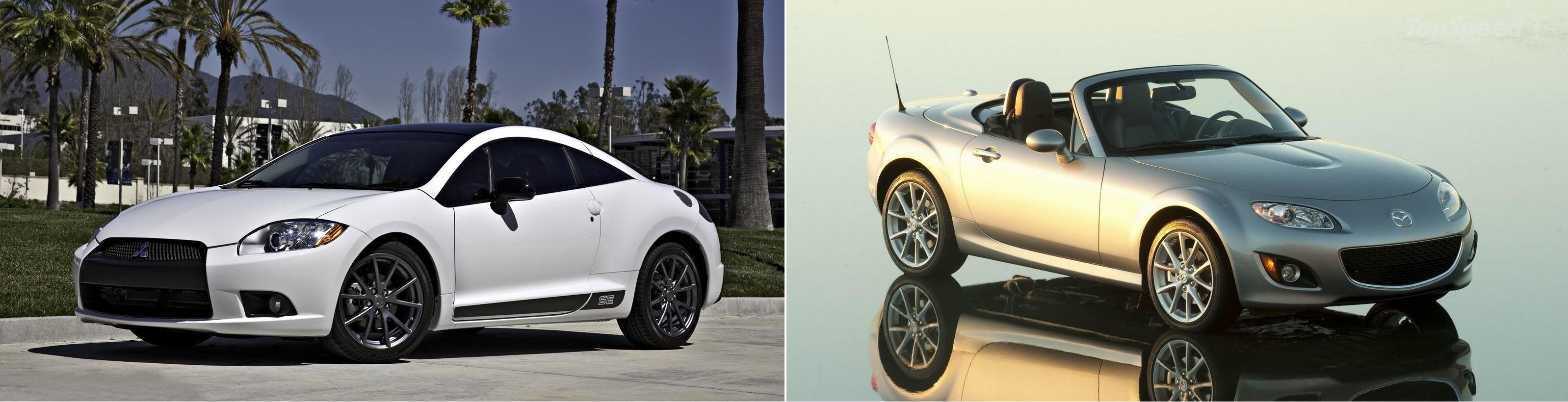
The 2012 Mitsubishi Eclipse SE (Special Edition) serves as the final celebratory trim for the fourth-generation Eclipse, combining the fuel-efficient 2.4L MIVEC four-cylinder engine with the premium styling and interior amenities typically reserved for the high-performance GT model. Producing 162 horsepower and 162 lb-ft of torque, the SE focuses on delivering a "sporty cruiser" experience through its 4-speed Sportronic automatic transmission and high-end Rockford Fosgate audio system.
The Final Chapter: The 2012 Eclipse SE Context
The 2012 model year marked the end of the line for the Mitsubishi Eclipse, a nameplate that had defined the affordable sport compact segment since its debut in 1989. By 2012, the "4G" (fourth generation) Eclipse had transitioned from the turbocharged, all-wheel-drive "tuner" car of the 1990s into a larger, more comfortable front-wheel-drive coupe.
The SE trim was introduced specifically to bridge the gap between the base GS and the V6-powered GT. Mitsubishi recognized that many buyers desired the aggressive aesthetic of the GT—such as the larger wheels, blacked-out accents, and leather interior—but preferred the lower insurance premiums and better fuel economy of the 2.4-liter engine. As we look back from 2026, the 2012 Eclipse SE remains a popular choice on the secondary market for those seeking a stylish, reliable daily driver with a distinct "final edition" pedigree.
Engine and Powertrain Specifications
At the heart of the 2012 Mitsubishi Eclipse SE is the 4G69 engine, a member of the venerable Sirius family. While it lacks the raw power of the GT's 3.8L V6, this four-cylinder powerplant was engineered for durability and consistent torque delivery.
The 2.4L MIVEC Engine
The engine is a 2.4-liter, Single OverHead Cam (SOHC), 16-valve inline-4. It utilizes Mitsubishi Innovative Valve timing Electronic Control (MIVEC) technology. This system varies the timing of the intake valves to optimize performance across the RPM range. At lower speeds, it prioritizes fuel efficiency and smooth idling; at higher RPMs, it adjusts to increase airflow, providing a modest surge in power.
- Horsepower: 162 hp @ 6,000 rpm
- Torque: 162 lb-ft @ 4,000 rpm
- Compression Ratio: 9.5:1
- Bore x Stroke: 87.0 mm x 100.0 mm
Transmission and Drivetrain
Unlike the base GS which offered a manual transmission, the 2012 SE was equipped exclusively with a 4-speed Sportronic® automatic transmission. This gearbox features a manual shift mode, allowing drivers to toggle the gear lever to select gears manually without a clutch. While a 4-speed transmission was considered somewhat dated even in 2012, its simple design has contributed to the vehicle's long-term mechanical reliability. The SE is strictly Front-Wheel Drive (FWD), utilizing an open differential.
Performance Metrics and Driving Dynamics
The performance of the 2012 Eclipse SE is best described as adequate for daily commuting rather than track-focused. Because the fourth-generation chassis is relatively heavy (tipping the scales at approximately 3,274 lbs), the power-to-weight ratio favors steady acceleration over blistering speed.
Acceleration and Speed
In independent testing conducted during its release, the Eclipse SE recorded the following performance figures:
- 0-60 MPH: Approximately 8.2 to 8.6 seconds.
- Quarter Mile: Roughly 16.4 seconds at 85 mph.
- Top Speed: Electronically limited to approximately 120 mph.
Handling and Braking
The SE benefits from a well-sorted suspension geometry that emphasizes stability. It uses MacPherson struts with a stabilizer bar in the front and a multi-link rear suspension with coil springs.
One of the defining features of the SE trim is the upgrade to 18-inch dark finish alloy wheels wrapped in P235/45R18 all-season tires. These larger wheels provide a wider contact patch than the base 17-inch units, slightly improving lateral grip. Braking is handled by 10.3-inch ventilated discs in the front and 10.3-inch solid discs in the rear, supported by a four-channel Anti-lock Braking System (ABS) and Electronic Brakeforce Distribution (EBD).
Fuel Economy and Efficiency
One of the primary reasons buyers opted for the SE over the GT was its operating cost. By 2012 standards, the 2.4L engine provided respectable efficiency for a naturally aspirated sport coupe.
| Driving Condition | EPA Estimated MPG |
|---|---|
| City Driving | 20 MPG |
| Highway Driving | 28 MPG |
| Combined | 23 MPG |
The Eclipse SE features a 17.7-gallon fuel tank. With a highway range of nearly 500 miles per tank, it serves as an excellent long-distance cruiser. It is designed to run on regular 87-octane unleaded gasoline, unlike the GT model which recommended premium fuel for maximum performance.
Exterior Design and Special Edition Features
The 2012 Eclipse SE is easily distinguished from other trims by its "black-out" styling package. Mitsubishi aimed to give the car a more aggressive, aftermarket look straight from the factory.
- SE Side Graphics: Large "SE" decals are located on the lower rocker panels, just ahead of the rear wheels.
- Black Side Mirrors: Regardless of the body color, the SE came with side mirrors finished in gloss black.
- Dark Finish Wheels: The 18-inch 9-spoke alloy wheels feature a distinct dark argent or charcoal finish.
- Rear Spoiler: A prominent rear wing was standard, enhancing the "wasp-waist" styling of the 4G body.
- HID Headlamps: The SE featured High-Intensity Discharge (HID) projector-type headlamps, providing significantly better nighttime visibility than the halogen units on the GS.
Interior Amenities and Technology
The interior of the 2012 SE was a significant step up from the base model, incorporating almost all the luxury features available to the Eclipse line.
Premium Audio and Infotainment
A standout feature of the SE is the 650-watt Rockford Fosgate® premium audio system. This system was specifically engineered for the Eclipse’s cabin acoustics and includes:
- 9 speakers total.
- A 10-inch long-throw subwoofer mounted in the trunk.
- Digital Signal Processing (DSP).
- SiriusXM Satellite Radio capability.
- Steering wheel-mounted audio controls.
Comfort and Cargo
The SE trim included leather seating surfaces with heated front seats as standard equipment. The driver’s seat featured 6-way power adjustments, including height and tilt. Despite being a coupe, the 2012 Eclipse utilized a hatchback design, providing a surprisingly deep cargo area of 15.7 cubic feet, which could be expanded by folding down the 50/50 split rear seats. However, the rear seats themselves are notoriously cramped, suitable primarily for children or short trips.
Comparison of 2012 Mitsubishi Eclipse Coupes
To understand where the SE fits in the lineup, it is helpful to compare its core specifications against the entry-level GS and the top-tier GT.
| Feature | Eclipse GS | Eclipse SE | Eclipse GT |
|---|---|---|---|
| Engine | 2.4L I4 | 2.4L I4 | 3.8L V6 |
| Horsepower | 162 hp | 162 hp | 265 hp |
| Transmission | 5-speed Manual / 4-speed Auto | 4-speed Sportronic Auto | 5-speed Sportronic Auto |
| Wheels | 17-inch Alloy | 18-inch Dark Alloy | 18-inch Alloy |
| Upholstery | Cloth | Leather (Heated) | Leather (Heated) |
| Audio System | 6-Speaker Standard | 9-Speaker Rockford Fosgate | 9-Speaker Rockford Fosgate |
| Sunroof | Optional | Standard | Standard |
Safety and Reliability Ratings
Safety technology in 2012 was robust for the era. The Eclipse SE came standard with six airbags: advanced dual-stage front airbags, front seat-mounted side-impact airbags, and side-curtain airbags. It also featured Active Stability Control (ASC) and Traction Control (TCL), which were critical for managing the car's front-heavy weight distribution in slippery conditions.
In terms of reliability, the 4G69 engine is widely regarded by mechanics as a high-mileage engine. Common maintenance items include the timing belt and water pump, which require replacement every 60,000 to 90,000 miles. Owners in 2026 should ensure these service intervals have been met to avoid catastrophic engine failure, as the 2.4L is an interference engine.
Ownership in 2026: Maintenance and Common Issues
As the 2012 Eclipse SE ages, certain patterns of wear have emerged that prospective owners or current collectors should monitor.
- Dashboard Cracking: The "soft-touch" material used on the 4G Eclipse dashboard is prone to UV damage and cracking over time. Using a sunshade is a mandatory preventative measure.
- Clear Coat Failure: Some of the darker paint colors (like Kalapana Black) may experience clear coat peeling on the roof and spoiler if not regularly waxed.
- Transmission Fluid: The 4-speed Sportronic is reliable, but it requires specific Mitsubishi-spec ATF. Using generic fluid can lead to harsh shifts or solenoid issues.
- Suspension Bushings: Due to the car's weight, front control arm bushings often wear out by the 100,000-mile mark, leading to a "clunking" sound over bumps.
Frequently Asked Questions
Is the 2012 Mitsubishi Eclipse SE fast?
The Eclipse SE is "sporty" rather than "fast." With 162 horsepower and a 4-speed automatic, it provides smooth acceleration for highway merging and city driving, but it will be outpaced by most modern turbocharged sedans. Its strength lies in its visual appeal and cruising comfort rather than raw speed.
Does the 2012 Eclipse SE require premium gas?
No. The SE trim's 2.4-liter four-cylinder engine is designed to run on 87-octane regular unleaded gasoline. Only the GT trim with the 3.8-liter V6 engine requires premium fuel to achieve its rated horsepower.
Can I install a manual transmission in the SE?
While the base GS model came with a 5-speed manual, the SE was only sold with the Sportronic automatic. A manual swap is technically possible because the chassis supports it, but it requires significant electronic and mechanical changes, including the ECU, pedal assembly, and shift linkages.
How many 2012 Eclipse SE models were produced?
While Mitsubishi does not release exact per-trim production numbers for the final year, the 2012 model year had a relatively low production volume overall as the factory in Normal, Illinois, prepared to transition to other models. The SE is rarer than the GS but more common than the GT in the used market today.
What is the difference between the 2012 SE and the earlier SE models?
Mitsubishi used the "SE" designation intermittently. In 2012, the SE was a specific trim that combined the 4-cylinder engine with GT-style aesthetics. In some previous years, the SE was a limited-run version of the V6 model. For 2012, it is strictly a four-cylinder "special edition."
Final Recommendation for Buyers
The 2012 Mitsubishi Eclipse SE represents a unique opportunity for enthusiasts. It captures the bold, "concept car" styling of the fourth-generation Eclipse while maintaining the low maintenance costs of a standard four-cylinder commuter. If you are looking for a vehicle in 2026 that stands out from the sea of modern crossovers, the Eclipse SE offers a compelling blend of reliability, premium audio, and striking aesthetics. Prioritize vehicles with a documented history of timing belt replacements and those that have been garage-kept to avoid the common interior dashboard issues associated with this generation.