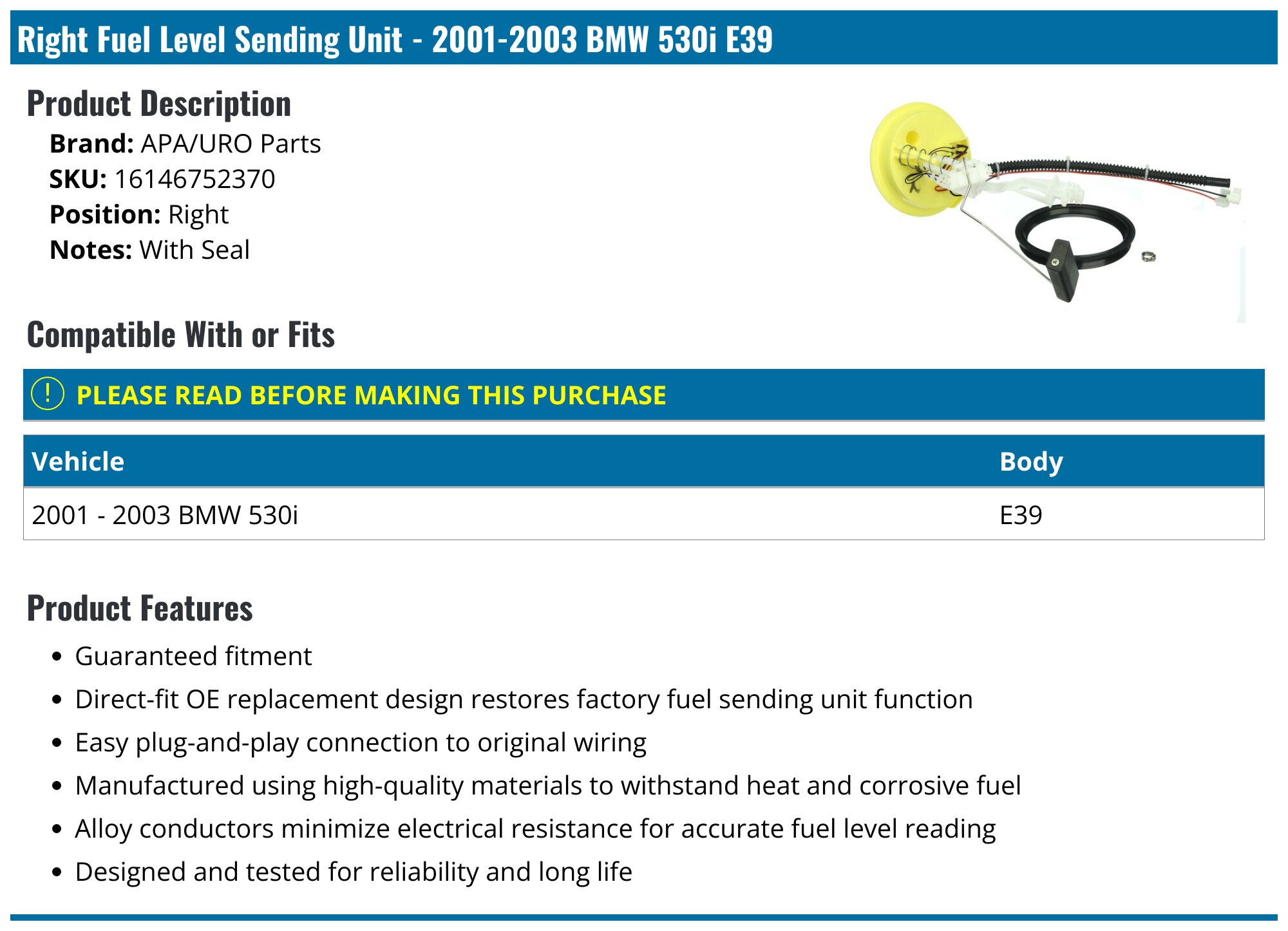
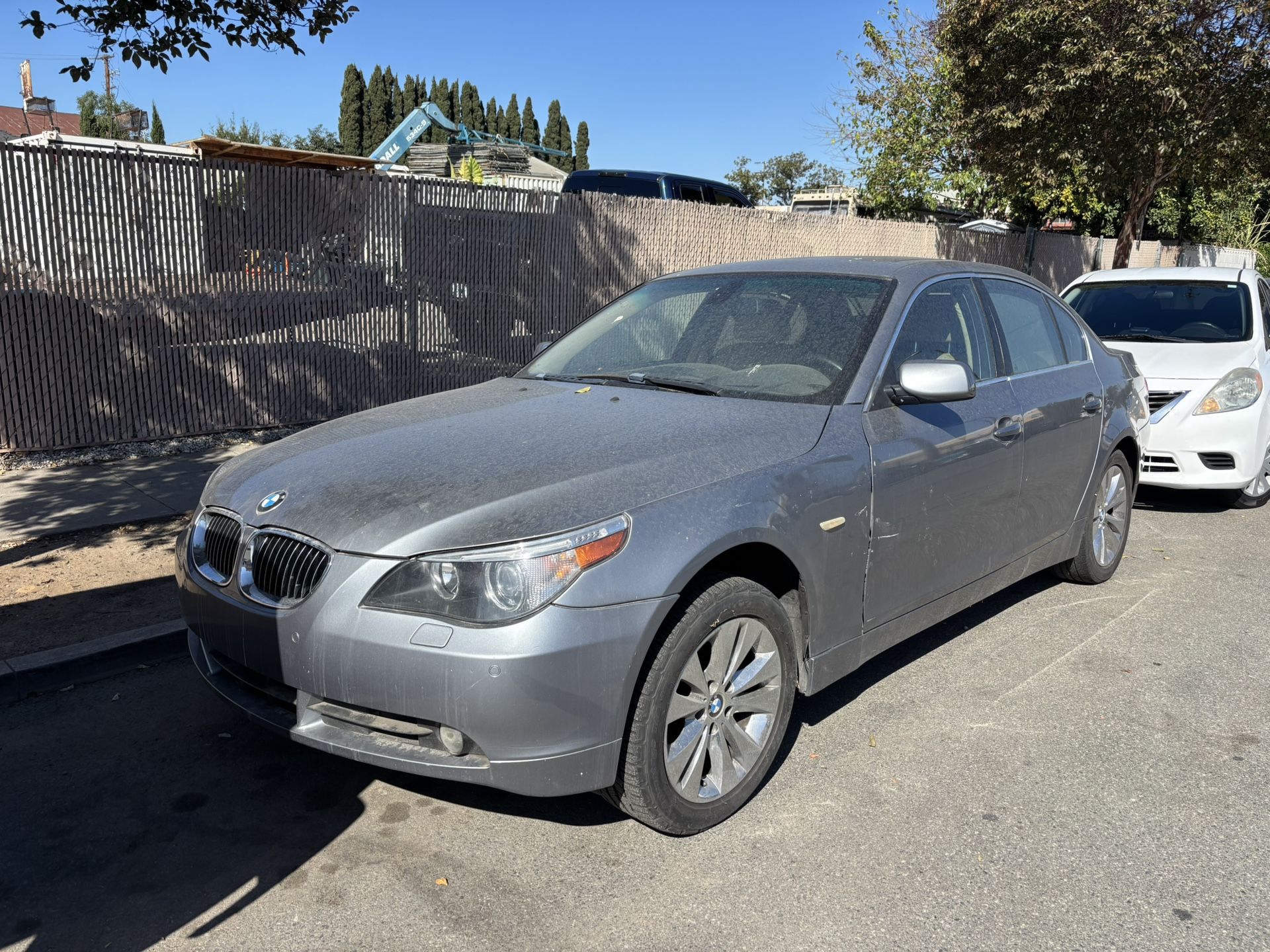
The 2006 BMW 530i delivers an EPA-estimated fuel economy of 18 mpg in the city, 27 mpg on the highway, and 21 mpg combined for the manual transmission model. Automatic transmission variants typically achieve 18 mpg city, 26 mpg highway, and 21 mpg combined. These figures depend heavily on vehicle maintenance, driving conditions, and tire specifications.
The Engineering Behind the 2006 BMW 530i Powertrain
To understand the fuel economy of the 2006 BMW 530i, one must first look at the engine that powered it. This model year marked a significant point in BMW’s engine development, utilizing the N52B30 inline-six engine. This naturally aspirated, 3.0-liter engine was designed to bridge the gap between efficiency and the brand's signature "Ultimate Driving Machine" performance profile.
The N52 engine introduced several lightweight materials, including a magnesium-aluminum composite engine block, which reduced weight compared to previous iterations. Lighter vehicles generally offer better fuel efficiency, but the 2006 530i is a luxury sedan equipped with significant safety features, sound deadening, and creature comforts that add to its curb weight. The fuel consumption is therefore a delicate balance between the power output (approximately 255 horsepower) and the engineering efforts made to reduce internal friction through technologies like Valvetronic variable valve lift and Double-VANOS variable valve timing.
EPA Estimates vs. Real-World Expectations
The Environmental Protection Agency (EPA) provides standardized fuel economy testing, which serves as a baseline for all consumer vehicles sold in the United States. For the 2006 BMW 530i, these numbers were calculated under specific laboratory conditions. However, in 2026, many of these vehicles have high mileage, and modern road conditions—characterized by heavier traffic and lower average speeds—can cause real-world performance to deviate from these historical benchmarks.
When evaluating a 2006 530i, it is common for owners to see slightly lower numbers than the original stickers indicated. This is often due to the aging of engine components. Sensors like the mass airflow (MAF) sensor, oxygen (O2) sensors, and the fuel injectors may have degraded over two decades. While the EPA rating remains the official record, a well-maintained 2006 model should ideally stay within 1–2 mpg of these figures if the engine management systems are operating within factory parameters.
Factors Influencing Fuel Efficiency in Older Luxury Sedans
Several critical variables dictate how efficiently your specific 2006 BMW 530i operates today. Because the vehicle is now a long-term ownership proposition, maintenance is the single most significant factor in fuel economy.
Engine Health and Maintenance
- Oxygen Sensors: The 530i uses multiple oxygen sensors to monitor exhaust gases and adjust the air-fuel mixture. When these sensors become lazy or fail, the engine computer (DME) may default to a "rich" fuel mixture, sacrificing fuel economy for engine safety.
- Air Intake System: A clogged engine air filter restricts airflow, forcing the engine to work harder. Simultaneously, vacuum leaks—common in vehicles of this age due to brittle rubber gaskets—can cause the engine to miscalculate the required amount of fuel.
- Ignition Components: Worn spark plugs or failing ignition coils result in incomplete combustion. When fuel is not burned efficiently, the engine loses thermal energy, and the driver must press the accelerator further to achieve the same speed, leading to increased fuel consumption.
Driving Habits and Environmental Impact
The BMW 5-Series was designed for autobahn-style cruising, where it is most efficient at higher, sustained speeds. Stop-and-go city traffic is the primary enemy of this vehicle's fuel economy. The weight of the vehicle requires significant energy to bring it to a stop and accelerate again, which is why the city mpg rating is notably lower than the highway rating. Aggressive acceleration and braking will deviate further from the official statistics than steady-speed driving.
Comparative Fuel Economy Table
The following table outlines the official EPA-estimated fuel economy ratings for the 2006 BMW 530i lineup.
| Model / Configuration | City (MPG) | Highway (MPG) | Combined (MPG) |
|---|---|---|---|
| 530i Manual (6-Speed) | 18 | 27 | 21 |
| 530i Automatic (6-Speed) | 18 | 26 | 21 |
| 530xi AWD (Automatic) | 17 | 25 | 20 |
Note: Figures provided are historical EPA estimates. Actual fuel economy may vary based on driving style, vehicle condition, and road conditions.
The Role of Transmission Type
The transmission choice—manual versus automatic—was a major decision for buyers in 2006. The 6-speed manual transmission provided more direct power transfer, contributing to its slight edge in highway efficiency. The 6-speed ZF automatic transmission, while highly advanced for its time, utilizes a torque converter that introduces a degree of "slip" during acceleration.
In 2026, the condition of the automatic transmission fluid is paramount. Old, degraded fluid can increase internal drag, potentially lowering fuel economy further. Owners reporting lower-than-average fuel consumption should have their transmission fluid levels checked for leaks and verify that the transmission is not failing to engage top gear or lock the torque converter correctly.
Impact of AWD (530xi)
The 530xi model, which features BMW’s xDrive all-wheel-drive system, inherently carries a fuel economy penalty. The added weight of the transfer case, front driveshaft, and front differential increases the rotational mass the engine must move. Furthermore, the constant power distribution to all four wheels creates more mechanical drag than the rear-wheel-drive 530i. If your primary goal is maximizing efficiency, the rear-wheel-drive configuration is superior, though the 530xi offers increased traction in inclement weather.
Troubleshooting Poor Fuel Economy
If your 2006 BMW 530i is underperforming in terms of fuel efficiency, consider these systematic troubleshooting steps:
- Check for Diagnostic Trouble Codes (DTCs): Even if the "Check Engine" light is not illuminated, there may be "shadow codes" stored in the DME. These can indicate early-stage issues like a failing thermostat (which keeps the engine from reaching optimal operating temperature) or minor misfires.
- Inspect the Cooling System: The N52 engine is designed to run at specific, relatively high temperatures to maximize efficiency. A faulty thermostat that sticks open will cause the engine to run cold, which forces the DME to keep the air-fuel mixture rich, significantly hurting fuel economy.
- Tire Pressure and Alignment: Low tire pressure increases rolling resistance. Furthermore, if the vehicle’s alignment is off, the tires are effectively "scrubbing" against the pavement, which increases the engine load required to maintain speed.
- Fuel Quality: Using lower-octane fuel than recommended can cause the engine to retard ignition timing to prevent knocking. This loss of timing efficiency results in lower power and reduced fuel economy. Always use the manufacturer-recommended premium fuel.
Practical Tips for Optimizing Efficiency in 2026
While you cannot change the inherent design of the 2006 BMW 530i, you can optimize its performance in the current year. Defensive driving is the most effective way to improve fuel economy. Anticipating traffic stops reduces the need for heavy braking and subsequent acceleration. On the highway, using cruise control on flat terrain helps maintain a steady speed, which is where the inline-six engine is most efficient.
Additionally, remove unnecessary weight from the trunk. Many drivers carry items that add 50 to 100 pounds of weight without realizing it. In a mid-sized sedan like the 5-Series, reducing weight improves both acceleration and fuel economy. Finally, keep your windows closed at high speeds. The aerodynamic drag caused by open windows at highway speeds significantly impacts the fuel economy of luxury vehicles designed with wind-tunnel-tested profiles.
Frequently Asked Questions
Does the 2006 BMW 530i require premium gasoline? Yes. The 2006 BMW 530i is designed to run on premium unleaded gasoline (91 octane or higher). Using lower octane fuel can trigger the engine's knock sensors, causing the timing to adjust, which reduces performance and can lead to decreased fuel efficiency.
How does vehicle age affect the fuel economy of this model? As the vehicle ages, components like O2 sensors, the thermostat, and fuel injectors naturally degrade. These components directly control the combustion process. Replacing these items with genuine or high-quality OEM parts can help restore your fuel economy to near-factory levels.
Is there a way to make the 530i more efficient with performance chips? Most aftermarket performance chips or "tunes" are designed to increase power by adjusting air-fuel ratios and ignition timing. These rarely improve fuel economy and often require even higher octane fuel. For a 2006 model, maintaining the factory specifications is the most reliable way to ensure optimal fuel economy.
Why does the 530xi get worse gas mileage than the 530i? The 530xi uses the xDrive system, which adds mechanical weight and complexity. The additional components—such as the transfer case and front-wheel drive shafts—create more drag and rotational mass, requiring the engine to use more fuel to move the vehicle.
Does idling affect my fuel consumption significantly? Yes. Idling for extended periods wastes fuel while achieving zero miles per gallon. If you are stopped for more than a minute, turning off the engine will save fuel, provided the starter and battery are in good condition. However, frequent restarts can add wear to the starter, so balance this with your specific driving context.
Final Recommendations
To get the most efficiency from your 2006 BMW 530i in 2026, prioritize a comprehensive mechanical refresh if one has not been performed recently. Ensure the cooling system is functioning correctly, as this is critical for the N52 engine's efficiency. Use top-tier gasoline and adhere to a strict oil change schedule using the recommended synthetic oil viscosity, as oil friction plays a measurable role in long-term engine efficiency. If you are currently experiencing a significant drop in fuel economy compared to the figures listed in this article, have a technician scan the DME for hidden performance codes.