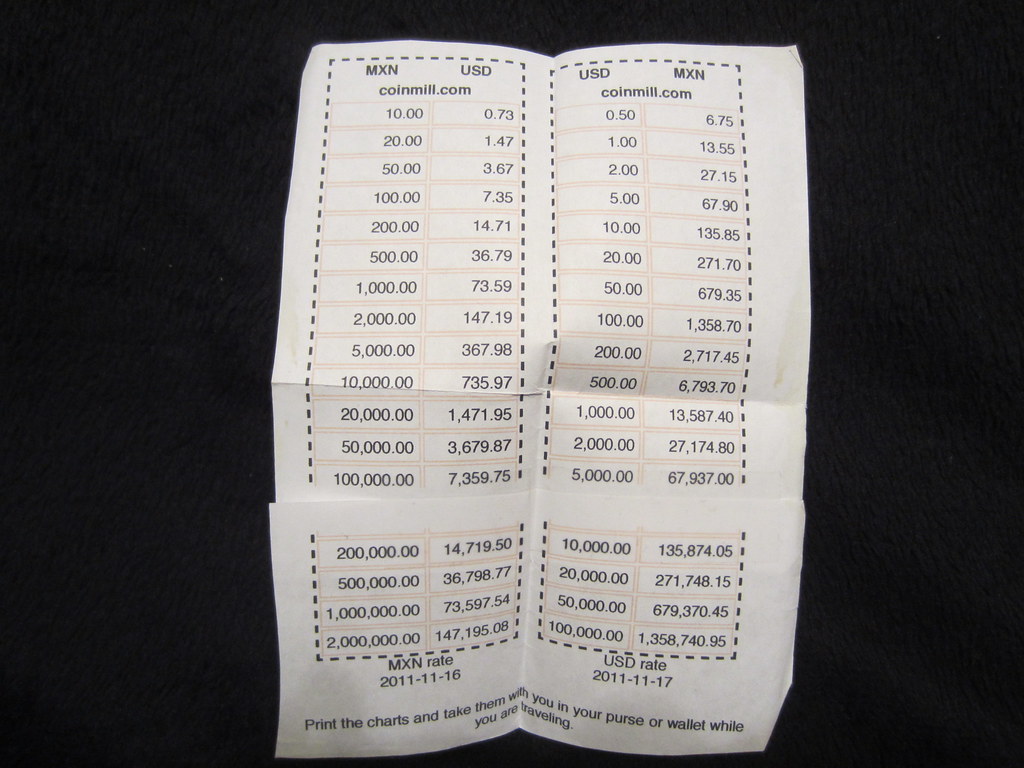
Converting 20 pesos to dollars requires looking at currency codes, live exchange rates, and whether you are converting Mexican, Argentine, Chilean, or Colombian pesos. The total generally ranges from a fraction of a US dollar to about one US dollar depending on the issuing country's specific currency value and current macroeconomic conditions.
Navigating Currency Conversion: The Basics of Peso-to-Dollar Exchange Rates
When individuals look up phrases like "20 pesos to dollars," they are usually initiating a routine currency conversion. However, the global financial landscape features multiple countries that use the "peso" as their official denomination. Without specifying the exact nation, a numeric figure like 20 pesos is fundamentally ambiguous. The Mexican peso (MXN), Argentine peso (ARS), Chilean peso (CLP), and Colombian peso (COP) all trade at vastly different rates against the United States dollar (USD).
Understanding currency conversion demands more than just typing a number into a search bar. It requires an awareness of foreign exchange (forex) market dynamics, mid-market rates, conversion fees, and the distinction between buying and selling currencies. Whether you are planning an international vacation, tracking international trade, or settling a cross-border payment, knowing how to interpret these figures prevents unexpected costs and ensures accurate financial planning.
Disambiguating the Peso: Which Peso Are You Converting?
Before evaluating the mathematical value of 20 pesos, you must identify which country's currency is under consideration. The word "peso" translates literally from Spanish as "weight," a historical reference to the weight of silver coins used during the Spanish colonial era. Today, several independent nations issue currencies bearing this name, each influenced by its own central bank, inflation rate, fiscal policy, and geopolitical standing.
Mexican Pesos (MXN)
The Mexican peso is one of the most heavily traded emerging market currencies in the world. It floats freely against major global currencies like the US dollar, euro, and British pound. Because of high trading volumes and deep liquidity, the Mexican peso reacts swiftly to macroeconomic data, commodity prices (particularly oil), and monetary policy decisions made by both the Bank of Mexico (Banxico) and the US Federal Reserve. When people in North America speak casually of "pesos," they are most frequently referring to the Mexican peso.
Argentine Pesos (ARS)
Argentina's currency history is marked by severe inflationary cycles and complex capital controls. The official exchange rate set by the Central Bank of the Argentine Republic often differs significantly from parallel market rates, such as the blue dollar. Consequently, converting 20 Argentine pesos yields a nominal figure on paper, but accessing that exact value through official banking channels versus informal markets involves distinct rules, restrictions, and transaction costs.
Chilean, Colombian, and Other Regional Pesos
Other nations, including Chile (CLP), Colombia (COP), the Dominican Republic (DOP), Uruguay (UYU), and the Philippines (PHP), also utilize peso-denominated currencies. Each of these currencies maintains a unique purchasing power parity (PPP) and exchange rate trajectory. For instance, the Colombian and Chilean pesos typically trade in the hundreds or thousands per single US dollar, meaning 20 units of these currencies represent a very small fraction of a dollar.
Comparative Overview of Peso Valuations
To grasp how 20 units of various peso currencies stack up against the United States dollar, examining structural differences helps clarify why context matters. The table below outlines key characteristics of the most prominent peso currencies.
| Currency Name | ISO Code | Typical Relative Value vs. USD (Approximate Range) | Nature of Exchange Rate Regime | Primary Driving Factors |
|---|---|---|---|---|
| Mexican Peso | MXN | Moderate (varies around 16–20+ per USD) | Free-floating | US-Mexico trade, remittances, Banxico interest rates |
| Argentine Peso | ARS | Depreciated (managed official vs. parallel rates) | Crawling peg / Managed | Domestic inflation, capital controls, foreign reserves |
| Chilean Peso | CLP | Low nominal unit value (hundreds per USD) | Free-floating | Copper exports, global commodity demand, domestic policy |
| Colombian Peso | COP | Low nominal unit value (thousands per USD) | Free-floating | Oil exports, foreign direct investment, current account balance |
| Philippine Peso | PHP | Moderate (tens per USD) | Floating with intervention | Overseas remittances, business process outsourcing, BPO sector |
Mechanics of Foreign Exchange: How Rates Are Determined
Exchange rates are not static prices fixed by governments; rather, they are dynamic prices determined by supply and demand in the global foreign exchange market. When you convert 20 pesos to dollars, you are participating in a multi-trillion-dollar daily market where currencies are constantly bought and sold by commercial banks, multinational corporations, central banks, and retail speculators.
The Mid-Market Rate
The mid-market rate—often called the interbank rate—is the midpoint between the buy and sell prices of two currencies in the global financial markets. This is the rate you see on financial news platforms like Bloomberg, Reuters, or Google Finance. However, ordinary consumers rarely receive this exact rate when exchanging physical cash or executing digital transfers. Retail providers, banks, and currency exchange kiosks add a markup or spread to generate profit.
Spreads, Fees, and Hidden Costs
When calculating the exact dollar value of a small sum like 20 pesos, transaction fees frequently overshadow the actual exchange rate. If you walk into a physical airport exchange booth to convert a minor amount of foreign currency, flat fees or unfavorable spreads can consume a large percentage of the total value. Digital transfer services and multi-currency accounts typically offer closer alignment to the mid-market rate, but they may still apply percentage-based service fees or minimum transaction thresholds.
Step-by-Step Guide to Calculating and Exchanging Currency
Executing a currency conversion accurately requires a methodical approach. Whether you are managing personal finance, accounting for minor travel expenses, or studying financial mathematics, follow these steps to determine your true conversion value.
- Identify the Exact Currency Code: Check the coin or banknote for symbols and text. Look for "MXN" for Mexico, "ARS" for Argentina, or "COP" for Colombia to ensure you are referencing the correct exchange rate.
- Check a Real-Time Financial Source: Access a reputable live financial data provider to look up the current market conversion rate for 1 unit of that foreign currency to 1 US dollar (or vice versa).
- Apply the Conversion Formula: Multiply your amount (20) by the current exchange rate factor. For example, if 1 Mexican peso equals 0.058 US dollars, multiply 20 by 0.058 to find the gross dollar equivalent ($1.16).
- Account for Retail Markups and Fees: Inquire about or calculate any intermediary charges, wire fees, or exchange margins. For very small amounts like 20 pesos, fixed transaction fees often make physical exchange uneconomical.
- Verify Settlement Terms: Ensure you understand when the rate locks in, especially if you are using a digital platform where rates fluctuate continuously during market open hours.
Common Mistakes and Misconceptions in Currency Conversion
Navigating foreign currencies often leads to common pitfalls, particularly for travelers and casual observers dealing with minor sums.
- Ignoring Regional Disambiguation: Assuming all pesos share the same value is a frequent error. Confusing a Mexican peso with a Colombian or Argentine peso results in massive calculation errors due to vastly different exchange valuations.
- Overlooking Small-Amount Friction: Attempting to exchange physical coins or small banknote denominations (like 20 pesos) at airport kiosks or traditional banks often results in prohibitive minimum fees where the cost of the transaction exceeds the value of the currency being converted.
- Confusing Tourist Rates with Interbank Rates: Relying on outdated or informal conversion rates found on social media rather than checking verified financial institutions leads to inaccurate budgeting.
- Neglecting Exchange Rate Volatility: Floating currencies fluctuate second-by-second during business days. A calculation performed on a weekend when forex markets are closed may not reflect the opening market price on Monday morning.
Frequently Asked Questions
How much is 20 Mexican pesos in US dollars?
Because foreign exchange rates fluctuate constantly based on market conditions, the exact dollar amount for 20 Mexican pesos changes throughout every trading day. You can determine the precise up-to-the-minute value by multiplying 20 by the current live mid-market exchange rate for MXN to USD provided by a recognized financial platform.
Can I exchange a 20-peso banknote at my local bank in the United States?
Most major US commercial banks do not keep Latin American or other regional peso banknotes readily available in branch inventory for walk-up retail exchange, and many charge high administrative fees for foreign currency transactions. For very small amounts like 20 pesos, traditional bank exchange is rarely practical.
Why do different websites show different exchange rates for pesos?
Websites source their data from different liquidity providers and may update their feeds at varying intervals. Furthermore, consumer-facing conversion tools often display the pure mid-market rate, whereas commercial remittance services and currency kiosks display retail rates that include built-in profit margins or service markups.
Is it better to exchange currency before traveling or upon arrival?
For major tourist destinations, obtaining local currency via fee-free ATM withdrawals upon arrival or using specialized travel debit cards usually yields better exchange rates than purchasing foreign cash at domestic banks or airport kiosks before departure. However, carrying a small amount of emergency local cash is always recommended.
Do 20-peso coins still circulate, or are they paper banknotes?
Depending on the country, 20-peso denominations may exist as coins, polymer banknotes, or traditional paper bills. For example, Mexico issues both bimetallic 20-peso coins and commemorative polymer banknotes that circulate alongside lower-denomination currency.
Practical Next Actions
When dealing with small currency amounts like 20 pesos, evaluate whether the administrative effort and transaction fees of formal conversion outweigh the actual monetary value. If you hold physical banknotes from a past trip, consider keeping them as a keepsake, donating them to international charities that accept foreign currency, or saving them for a future return trip rather than paying high conversion fees for a nominal sum. For larger financial transfers, always compare digital transfer providers against traditional wire services to minimize spreads and secure transparent pricing.