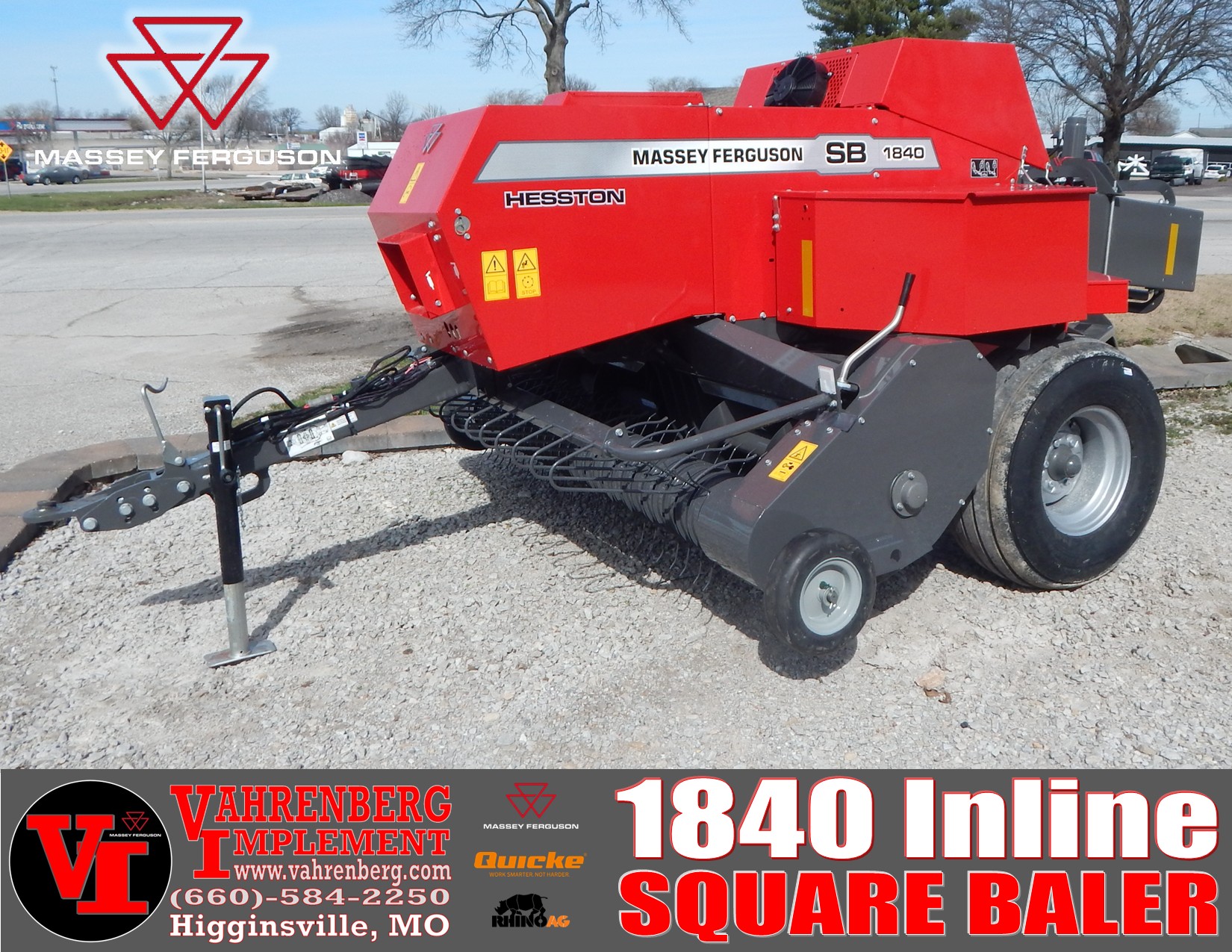
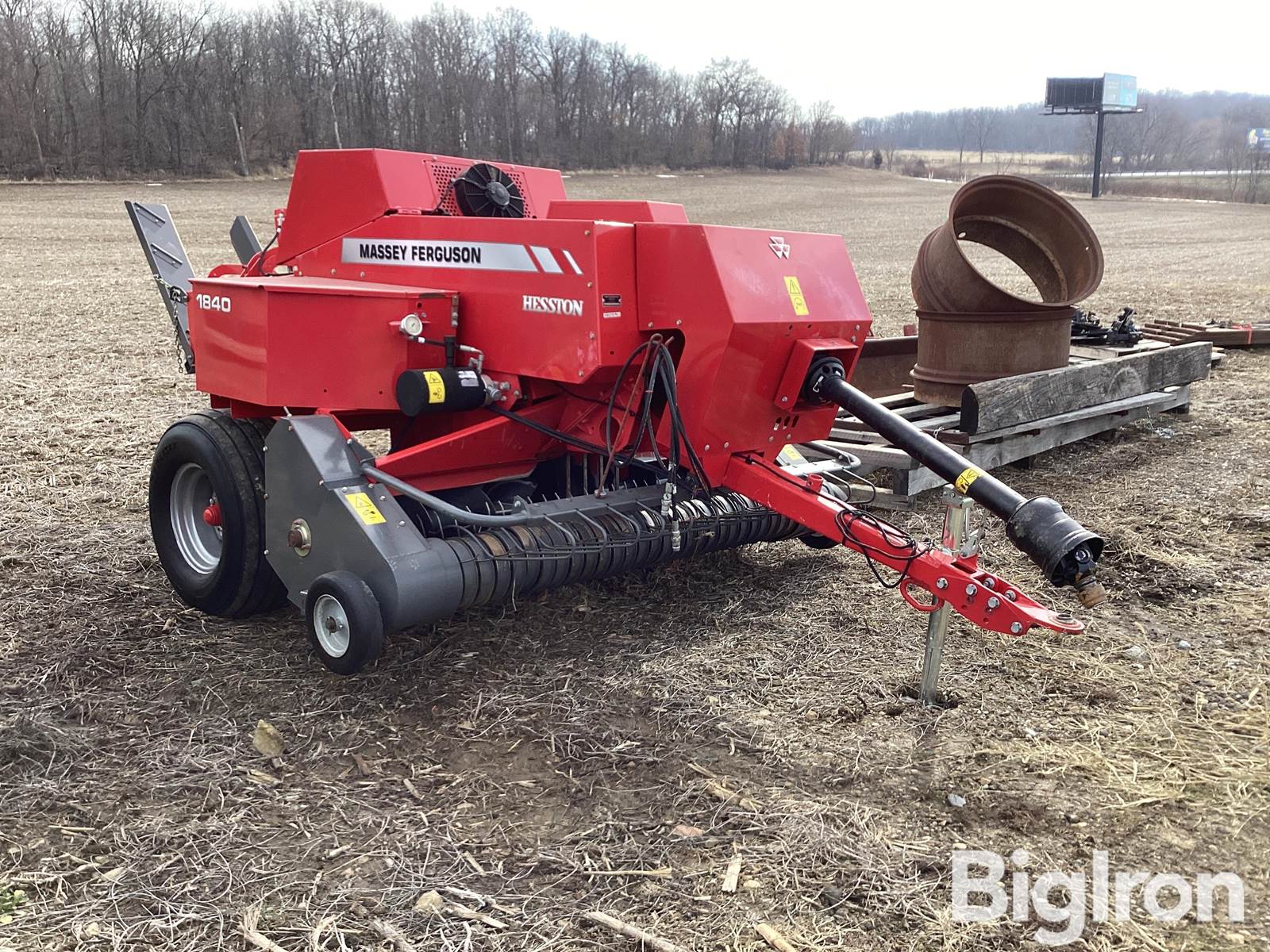
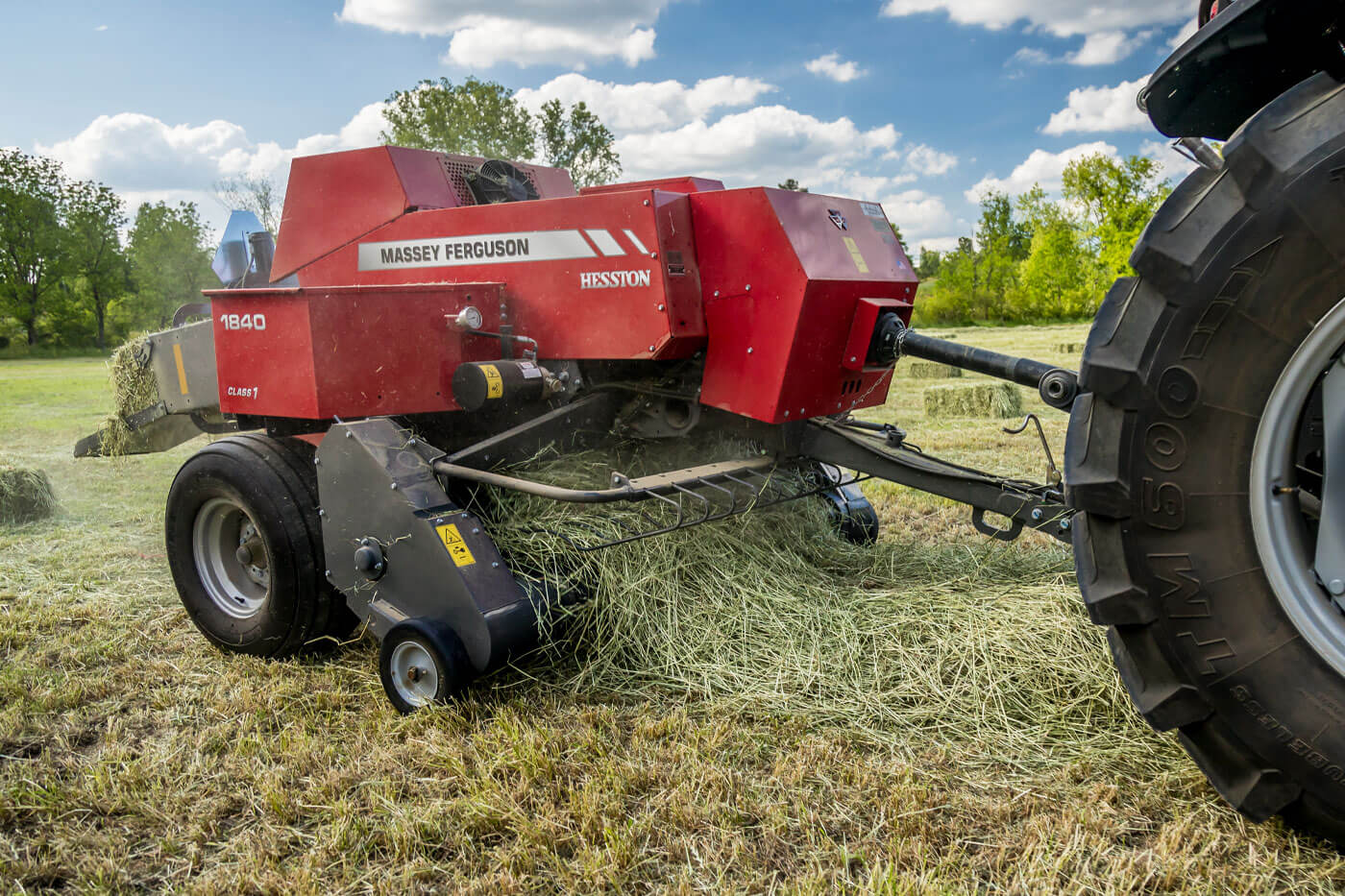
The 1840 Massey Ferguson square baler is a high-capacity inline small square baler designed to produce dense, uniform 14x18-inch bales favored by livestock producers, horse owners, and commercial hay operations. It features an in-line design, reliable knotters, and a wide pickup to handle heavy windrows efficiently.
Introduction and Subject Scope
Selecting the right small square baler is a critical operational decision for forage producers who need to balance throughput, bale density, labor efficiency, and equipment reliability. Within the agricultural machinery landscape, Massey Ferguson has earned a longstanding reputation for engineering durable hay and forage tools. The 1840 Massey Ferguson square baler represents a modern evolution of the classic small square format, engineered to meet the demands of modern commercial hay growers, custom operators, and livestock producers.
Unlike traditional offset balers that pull to one side, the 1840 features a true inline configuration. This design allows the tractor and baler to travel in a straight line directly down the windrow, reducing operator fatigue, minimizing soil compaction, and ensuring even crop flow into the pick-up. This overview examines the core specifications, operational mechanics, key features, maintenance requirements, and practical considerations of the 1840 Massey Ferguson square baler, providing a comprehensive assessment for prospective buyers and current operators alike.
Core Design Philosophy: The Inline Advantage
The defining characteristic of the 1840 Massey Ferguson square baler is its inline architecture. Traditional offset square balers position the pick-up mechanism to one side of the tractor's centerline, forcing the operator to constantly compensate for side draft, particularly in heavy or irregular windrows.
Crop Flow and Feeding Dynamics
In an inline baler, the pick-up, pre-compression chamber, and main bale chamber share a single central axis aligned with the drawbar of the tractor. As the tractor moves forward, the crop is lifted from the windrow by the wide pick-up reel and fed directly into the intake area without needing to be shifted horizontally.
- Reduced Crop Damage: Moving the forage in a straight line minimizes leaf shatter and preserves nutritional value, which is vital for high-quality alfalfa and legume hays.
- Balanced Weight Distribution: The central alignment distributes the weight of the machine more evenly across both wheels, preventing the deep ruts and side-load stress often experienced on sloping terrain with offset models.
- Simplified Transport: Navigating narrow gates, tight laneways, and public roadways is significantly easier with an inline machine because it tracks directly behind the towing tractor without protruding into adjacent lanes.
Operator Ergonomics and Visibility
Because the baler travels centrally behind the tractor, the operator has a clear, unobstructed line of sight to both the pick-up mechanism and the incoming windrows. This visibility allows the operator to adjust ground speed proactively when encountering bunchy windrows or damp spots in the field, preventing slugging and shear bolt failures. Furthermore, the elimination of constant side-draft correction reduces physical fatigue during long days of harvest.
Technical Specifications and Machine Anatomy
Understanding the mechanical dimensions and capacity of the 1840 Massey Ferguson requires examining its major subsystems, from the pick-up reel to the knotter assembly.
Pick-Up and Feeding System
The machine is equipped with a wide pick-up mechanism designed to sweep clean even the widest, fluffiest windrows produced by modern rotary rakes and mergers.
- Pick-up Width: Typically measures around 69 inches (flair-to-flair), ensuring that stray crop at the edges of the windrow is gathered efficiently.
- Tine Configuration: Multiple bars fitted with heavy-duty rubber-mounted or steel tines offer flexibility and durability when striking obstacles or navigating rough terrain.
- Augar and Stuffer Assist: Dual feed augers on either side of the pick-up funnel the crop inward, while a positive fork-type stuffer mechanism actively packs the material into the pre-compression chamber to ensure uniform flake formation.
Bale Chamber and Plunger Dynamics
The heart of any square baler is its plunger and bale chamber. The 1840 features a high-speed, high-stroke plunger that operates at high strokes per minute, slicing cleanly against the stationary knife and packing material tightly into the chamber.
- Bale Dimensions: Produces standard 14-inch high by 18-inch wide bales.
- Bale Length: Adjustable from approximately 12 inches up to 50 inches, allowing operators to tailor bale size to customer preference or weight limits.
- Tension Control: Spring-loaded or hydraulic tension rails on the top and sides of the rear bale case allow the operator to fine-grain bale density, ensuring consistent weights regardless of moisture fluctuations in the crop.
Knotter Reliability and Twine/Wire Options
Knotter performance dictates the overall productivity of a square baler. A machine that constantly drops un-tied bales halts harvest operations and wastes time. The 1840 utilizes dependable Hesston-designed knotters known for their simplicity and reliability.
- Knotter Type: Double-tie or standard loop knotters depending on specific regional configurations, utilizing sisal or plastic twine.
- Lubrication System: Centralized or automatic lubrication options ensure that critical cam gears, bill hooks, and knife arms receive a continuous supply of grease or oil, minimizing wear during high-temperature, high-output summer operations.
Specifications Comparison Table
To evaluate the mechanical profile of the 1840 Massey Ferguson square baler against general industry standards for mid-sized inline balers, review the operational parameters below:
| Feature / Specification | 1840 Massey Ferguson Parameter | Operational Significance |
|---|---|---|
| Bale Cross-Section | 14 x 18 inches | Standard small square size for manual handling and stacking. |
| Pick-Up Width | Approx. 69 inches | Sweeps up wide windrows without scattering crop. |
| Plunger Speed | High-stroke mechanical design | Maximizes throughput and flake consistency. |
| Tractor HP Requirement | 50–60 PTO HP minimum | Provides adequate power for PTO drive and hydraulic demands. |
| Bale Length Range | 12 to 50 inches | Accommodates short custom bales or long, heavy stacking bales. |
| Configuration | Inline design | Eliminates side-draft and improves field visibility. |
Operational Requirements and Tractor Compatibility
Operating the 1840 Massey Ferguson square baler efficiently requires matching it with an appropriate tractor and adhering to proper setup procedures in the field.
Power Take-Off (PTO) and Hydraulics
- PTO Speed: Standard 540 RPM PTO shaft connection. It is vital to maintain a steady engine RPM (usually corresponding to 540 PTO RPM) to ensure the plunger and knotters operate at their synchronized timing.
- Hydraulic Requirements: Requires remote hydraulic SCVs (Selective Control Valves) if equipped with hydraulic bale tension control, hydraulic pick-up lift, or a hydraulic bale chute.
Field Preparation and Windrow Management
Because inline balers feed directly from the center, windrow formation is critical. Windrows should be uniform in size and matched to the pick-up width. Overly wide or lopsided windrows can cause uneven feeding on one side of the pick-up, leading to slanted bales and increased wear on the plunger bearings. Using a rotary rake or a wheel rake that builds a neat, rope-like windrow maximizes the performance of the 1840.
Maintenance Protocols and Common Troubleshooting
Proactive maintenance prevents costly breakdowns during peak haying windows. Small square balers operate under high mechanical stress, making daily inspections mandatory.
Daily Pre-Operation Checklist
- Grease and Oil: Check all grease zerks on the universal joints, pick-up bearings, needle arms, and knotter stack. Fill the automatic oiler reservoir if equipped.
- Knotter Cleaning: Use compressed air or a leaf blower to clear chaff, dust, and short bits of twine from the knotter frame. Accumulating debris is a primary fire hazard and causes knotter jams.
- Shear Bolts: Inspect shear bolts on the flywheel, main drive, and pick-up. Always carry authentic replacement grade bolts; using incorrect hardware can cause catastrophic structural damage if the baler slugs.
- Knife Sharpness: Inspect the plunger knife and stationary knife. A dull knife tears the crop rather than shearing it cleanly, increasing power consumption and straining the drive train.
Troubleshooting Common Field Issues
- Missed Knots (Dropped Bales): Usually caused by worn bill hooks, incorrect twine tension, or debris wrapped around the wiper arm. Inspect the twine fingers and ensure the twine disc holds the twine firmly during the cycle.
- Banana Bales (Curved Bales): Occurs when more crop enters one side of the chamber than the other. Adjust windrow formation, check for worn pick-up tines on one side, or balance the chamber tension springs.
- Plunger Knocking: Indicates excessive clearance between the plunger rollers and the track rails. Shim or adjust the rollers according to the manufacturer service manual to prevent structural fatigue.
Advantages and Operational Limitations
Every agricultural machine involves trade-offs between capital investment, labor requirements, and field performance.
Key Advantages
- High Output: Capable of high-volume bale production per hour when matched with optimal windrows.
- Consistent Bale Density: Hydraulic or heavy spring tension options allow operators to produce tight, square-edged bales that hold their shape during hauling and storage.
- Durability: Heavy-duty gearbox and frame construction withstand years of demanding harvest conditions.
Limitations and Considerations
- Manual Handling Labor: While the baler produces the bales, small square baling inherently requires significant physical labor for stacking, loading, and unloading unless paired with a mechanized accumulator and grapple system.
- Maintenance Complexity: The knotter assembly requires specialized mechanical understanding; improper adjustments can lead to persistent tying failures.
- Windrow Sensitivity: Demands well-formed, uniform windrows to prevent uneven flake formation and bale distortion.
Suitability and Buying Guidance
The 1840 Massey Ferguson square baler is best suited for commercial hay growers, livestock producers, and custom operators who need to produce high volumes of traditional 14x18 small square bales. It bridges the gap between older, lighter-duty utility balers and massive industrial forage equipment.
When evaluating a used 1840 model, prospective buyers should inspect the condition of the bale chamber floor for wear, check the needle alignment and knotter components for excessive play, and examine the gearbox for oil leaks. Ensuring that the machine has been stored indoors away from corrosive fertilizers and weather will significantly impact its remaining operational lifespan.
Summary and Next Actions
The 1840 Massey Ferguson square baler stands out as a dependable, high-capacity inline machine capable of producing dense, uniform small square bales. By combining an inline feed system with robust knotters and a heavy-duty plunger, it addresses the core challenges of forage harvesting. To take the next step, operators should review their tractor horsepower compatibility, assess local dealer parts availability, and inspect mechanical wear points thoroughly before committing to purchase or field deployment.