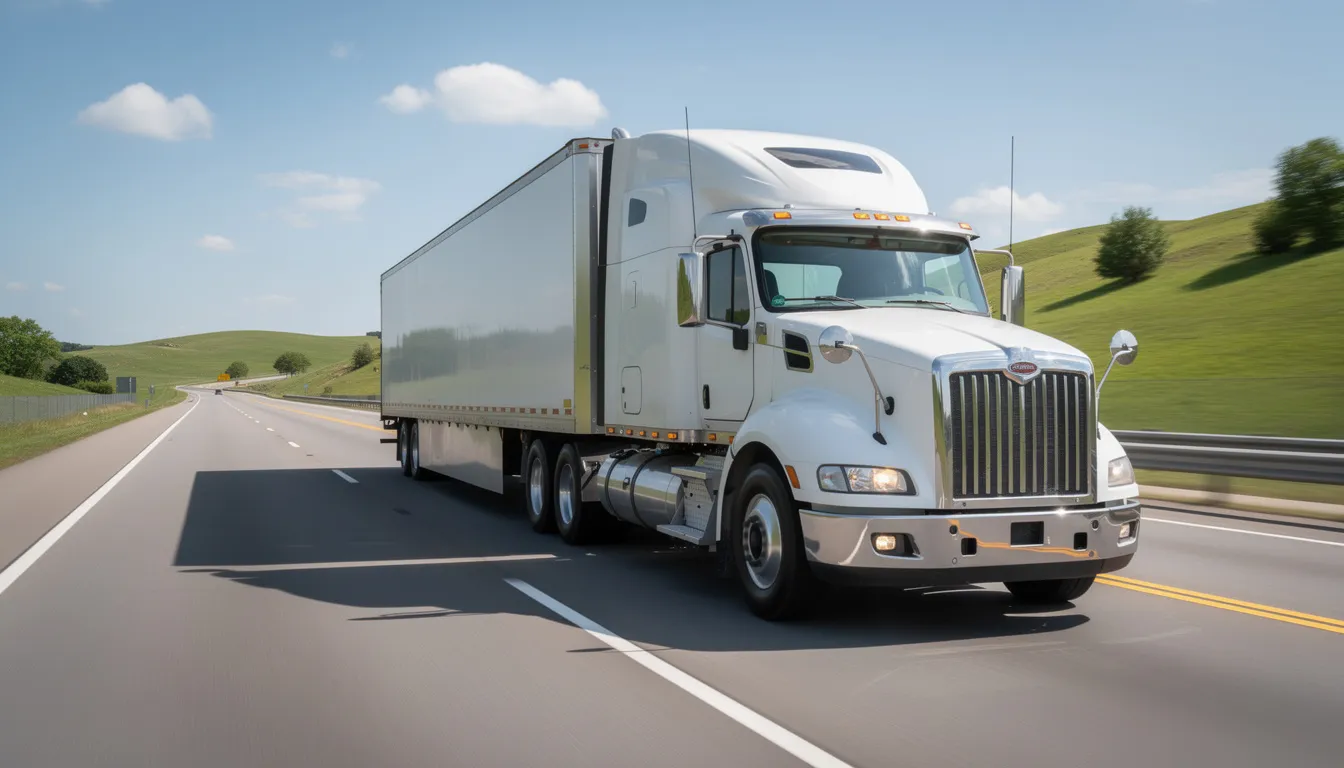
When a commercial semi-truck collides with a passenger vehicle, the resulting devastation often brings life-altering physical injuries, overwhelming medical debt, and complex legal battles against corporate insurers. Securing an experienced 18 wheeler accident attorney in Wichita is essential for navigating Kansas state laws, federal motor carrier safety regulations, and aggressive insurance defense teams to pursue rightful compensation.
Understanding the Scope of Commercial Trucking Accidents in Kansas
Commercial vehicle collisions differ profoundly from standard automobile crashes. Due to the massive size and weight discrepancy between an 80,000-pound semi-truck and a typical passenger car, accidents in Wichita—whether occurring along busy interstate corridors like I-135 and I-235 or commercial routes such as U.S. Route 54—frequently result in catastrophic injuries or fatalities. Victims often face protracted recovery timelines, permanent disabilities, and substantial financial strain.
Navigating the aftermath of these incidents requires an understanding that liability rarely rests solely with the truck driver. Multiple entities can share responsibility for a single crash, including the trucking company, the cargo loader, the maintenance provider, and parts manufacturers. Because of these layers of corporate responsibility, injured parties benefit significantly from retaining legal counsel that understands the intricacies of commercial transportation law.
Why 18 Wheeler Accidents Require Specialized Legal Representation
Handling a commercial truck accident claim differs fundamentally from settling a standard car wreck. Trucking companies and their insurers deploy rapid-response teams to accident scenes immediately, working to minimize their financial liability before the victim has even left the hospital.
The Complexities of Federal and State Regulations
Commercial motor vehicles operating within or through Kansas are governed by strict regulations established by the Federal Motor Carrier Safety Administration (FMCSA), alongside state-level Kansas Department of Transportation (KDOT) statutes. These rules dictate everything from maximum allowable driving hours to mandatory maintenance schedules. An attorney specializing in these cases knows how to identify violations of rules such as:
- Hours-of-Service (HOS) limits designed to combat driver fatigue.
- Mandatory pre-trip and post-trip inspection protocols.
- Weight and cargo securement standards enforced across state lines.
Preservation of Crucial Evidence
Unlike a standard fender-bender, critical evidence in a semi-truck crash can disappear within days or even hours if it is not legally preserved. Electronic Control Modules (ECM)—often referred to as the truck's "black box"—record vital data regarding speed, braking, and engine performance leading up to the impact. Furthermore, driver qualification files, maintenance logs, and dispatch records are held exclusively by the trucking company. A qualified attorney can immediately issue formal spoliation letters to compel companies to preserve these vital pieces of digital and physical documentation.
Steps to Take Following an 18 Wheeler Collision in Wichita
The moments following a major highway collision are chaotic, but the actions taken at the scene and in the subsequent weeks heavily influence the viability of a future personal injury claim.
- Prioritize Immediate Medical Attention: Call 911 immediately. Even if injuries appear minor, adrenaline can mask severe internal trauma. Comprehensive medical records establish an undeniable link between the accident and the physical harm suffered.
- Document the Scene Thoroughly: If physically able, take photographs and videos of vehicle damage, skid marks, road conditions, traffic signs, and visible injuries. Collect contact information from any independent eyewitnesses.
- Notify Law Enforcement: Ensure a formal police report is filed by the Wichita Police Department or the Kansas Highway Patrol. This report provides an official, third-party assessment of the scene.
- Avoid Giving Recorded Statements to Insurance Adjusters: Insurance representatives from the trucking company will likely contact you quickly. Politely decline to provide recorded statements or sign settlement waivers until you have consulted with legal counsel.
- Retain an Attorney Promptly: Contact a specialized truck accident lawyer to handle communications, protect evidence, and manage deadlines.
| Action Item | Recommended Timeline | Primary Purpose |
|---|---|---|
| Emergency Medical Evaluation | Immediately at the scene / Within 24 hours | Protect health and establish official medical documentation |
| Request Police Report | Within 3–7 business days post-accident | Secure official law enforcement narrative and officer observations |
| Send Spoliation Letters | Within 1–2 weeks post-accident | Prevent trucking company from destroying black box data and logs |
| File Formal Lawsuit (if necessary) | Before Kansas statute of limitations expires | Preserve legal right to seek judicial compensation |
Identifying Liable Parties in Commercial Truck Cases
Establishing fault in an 18-wheeler collision requires an exhaustive investigation into the operations of multiple commercial entities. A thorough legal evaluation typically investigates several potential defendants:
- The Truck Driver: Liability may stem from distracted driving, speeding, driving under the influence, or violating fatigue regulations.
- The Trucking Company or Motor Carrier: Companies can be held directly liable for negligent hiring, poor retention practices, inadequate vehicle maintenance, or pressuring drivers to violate federal safety rules to meet tight delivery deadlines.
- Cargo Loaders and Shippers: If improperly secured or overloaded cargo shifts during transit, causing the driver to lose control, the third-party loading facility may share fault.
- Parts Manufacturers: Defective steering components, faulty brake systems, or blown tires caused by manufacturing defects can introduce product liability claims into the lawsuit.
Navigating the Kansas Statute of Limitations and Legal Deadlines
Victims must remain acutely aware of time limits established by Kansas law for filing personal injury or wrongful death lawsuits. Under Kansas Statutes Annotated Section 60-513, the general statute of limitations for filing a personal injury claim is two years from the date of the accident.
Failing to file a lawsuit within this strict window typically bars the injured party from recovering any compensation through the court system. Furthermore, waiting too long to initiate an investigation makes it significantly harder to gather transient evidence, track down witnesses, and retrieve electronic data from the trucking company.
Compensation Available in Wichita Truck Accident Claims
A successful civil claim seeks to make the injured party whole by recovering financial damages covering both economic and non-economic losses. The specific value of a claim depends on the severity of injuries, permanent impairment, and clear proof of liability.
- Medical Expenses: Coverage for past, current, and future anticipated medical treatments, surgeries, physical therapy, prescription medications, and necessary medical equipment.
- Lost Wages and Earning Capacity: Compensation for income lost during recovery, alongside projected future earnings if long-term disabilities prevent the victim from returning to their previous occupation.
- Property Damage: Repair or replacement costs for the damaged vehicle and any personal property destroyed in the crash.
- Pain and Suffering: Non-economic damages accounting for physical pain, emotional distress, loss of enjoyment of life, and psychological trauma such as post-traumatic stress disorder (PTSD).
- Wrongful Death Damages: In tragic cases where a loved one is lost, surviving family members may pursue funeral expenses, loss of financial support, and loss of consortium.
Frequently Asked Questions
How much does it cost to hire an 18 wheeler accident attorney in Wichita?
Most reputable personal injury and truck accident attorneys operate on a contingency fee basis. This means clients pay no upfront or hourly fees out of pocket; instead, the attorney receives an agreed-upon percentage of the final settlement or court award only if they successfully recover compensation for the client.
How long will my truck accident lawsuit take to resolve?
The timeline varies widely based on the complexity of the case, the clarity of liability, and the severity of injuries. Straightforward claims may settle within several months, while complex corporate litigation involving multiple liable parties and catastrophic injuries can take a year or longer to reach trial or a fair settlement.
What should I do if the trucking company's insurance offers a quick settlement?
You should approach early settlement offers with extreme caution. Insurers often make lowball offers shortly after a crash, hoping desperate victims will accept quick cash before the full scope of their medical needs and long-term expenses is known. Consulting an attorney ensures your future medical costs are fully accounted for before signing any release forms.
Can I still recover compensation if I was partially at fault for the accident?
Kansas follows a modified comparative negligence rule (often set at 50% bar rule). Under this doctrine, you can recover damages as long as your assigned percentage of fault is less than 50%. However, your total compensation award will be reduced directly by your percentage of fault.
Next Steps for Injured Victims
If you or a loved one has been injured in a commercial vehicle collision in the Wichita area, securing professional legal guidance is a critical priority. Begin by organizing all available documentation, including medical summaries, police reports, and insurance correspondence. Schedule consultations with qualified attorneys who possess verifiable experience litigating complex commercial trucking cases against major corporate defendants. Taking swift, informed action protects your rights and establishes a strong foundation for your path toward recovery.