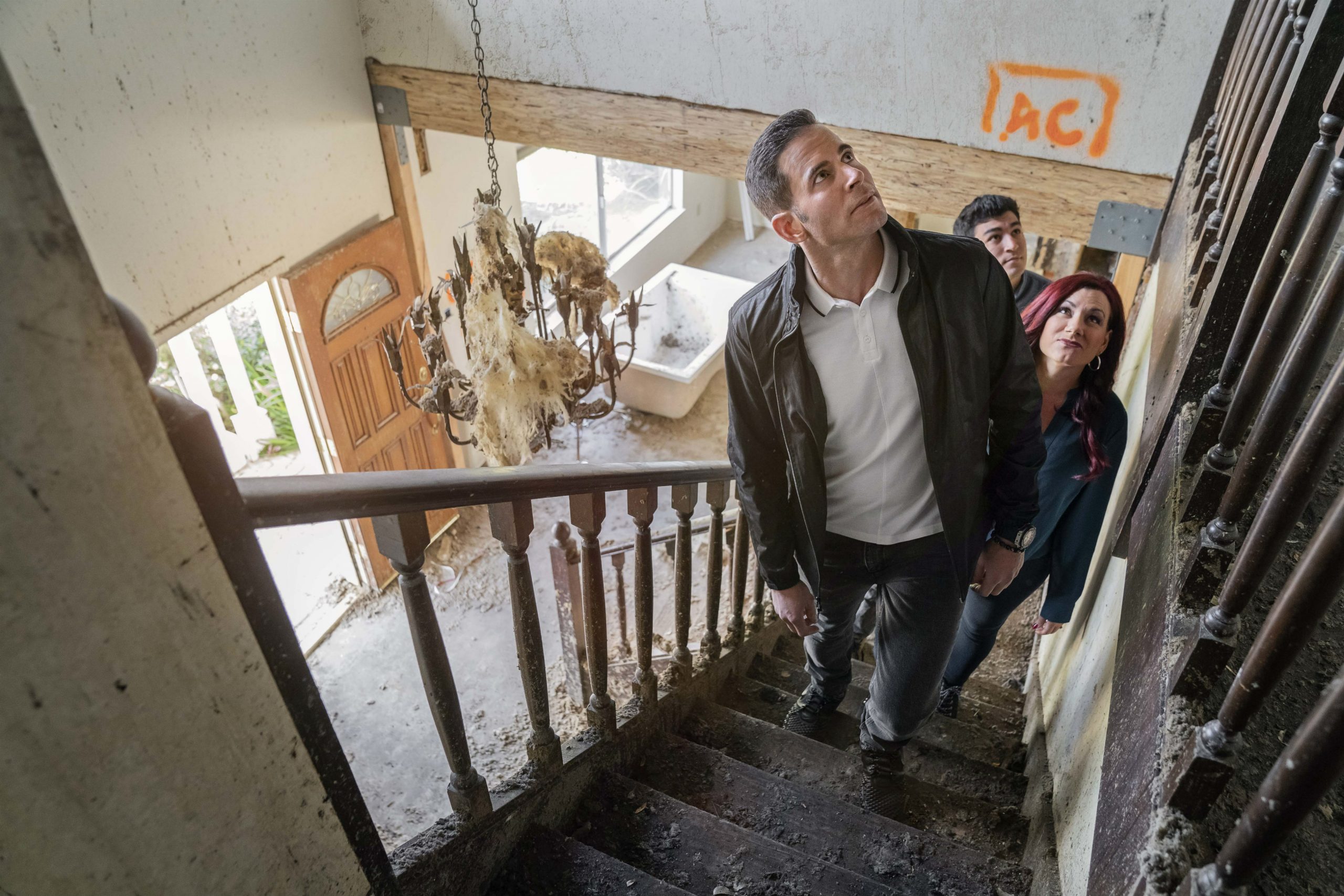
Flipping 101 with Tarek El Moussa Season Two features a 12-episode run where the real estate veteran mentors novice investors through the high-stakes world of property renovation. Premiering in late 2021, this season provides a masterclass in project management, financial risk, and market analysis for aspiring professionals looking to navigate the Southern California market.
The Evolution of Mentorship in Season Two
By the time the second season of Flipping 101 aired, Tarek El Moussa had transitioned from a solo flipper and co-host into a dedicated educator. While his previous work focused on the "how-to" of his own projects, the 12 episodes of Season Two shifted the focus toward the "why" of investment strategy. In 2026, these episodes remain a foundational resource for real estate investors because they document a specific period of market volatility and the timeless principles of risk mitigation.
The core premise of these 12 episodes is the mentor-student dynamic. Unlike traditional renovation shows where the host manages the budget and contractors, Tarek acts as a consultant. The "students" in Season Two are responsible for their own capital, which significantly raises the stakes. When a mistake is made—whether it is an over-budget kitchen or a structural oversight—the financial loss belongs to the novice flipper, not the production company. This transparency offers a realistic look at the "hidden" costs of real estate that are often glossed over in entertainment-heavy programming.
Breakdown of the 12 Episodes: Lessons and Locations
Season Two is characterized by its diversity of projects, ranging from desert properties to high-end coastal renovations. Each episode functions as a specific module in Tarek’s flipping curriculum.
Episode 1: The $100,000 Mistake
This episode sets the tone for the season by highlighting the dangers of poor foundation inspections. Tarek works with a pair of novice flippers who underestimate the costs of structural stabilization. The lesson here is the contingency fund, which Tarek insists should be at least 10% to 15% of the total renovation budget.
Episode 2: Real Estate Agent to Real Estate Flipper
Professional background does not always equate to flipping success. This episode demonstrates that knowing how to sell a house is different from knowing how to build one. Tarek focuses on the "buy-in" price, emphasizing that profit is made at the purchase, not just the sale.
Episode 3: Flipping the High Desert
Venturing into the High Desert region, this episode covers the importance of comparable sales (Comps). In rural or semi-rural areas, finding accurate comps is difficult. Tarek teaches the students how to adjust their expectations based on neighborhood limitations rather than their personal tastes.
Episode 4: One Stop Shop
This episode explores the "all-in-one" contractor model. While convenient, Tarek warns about the lack of oversight when one person manages every aspect of the build without third-party verification.
Episode 5: High End, High Risk
Focusing on a luxury flip, this episode highlights the diminishing returns of high-end finishes. Tarek demonstrates where to splurge (countertops and curb appeal) and where to save (secondary bedroom flooring and lighting fixtures) to maximize ROI.
Episode 6: Thrown into the Deep End
This episode deals with a property featuring significant drainage and pool issues. It serves as a technical guide on how exterior problems can be more expensive than interior cosmetics.
Episode 7: Success is a Stretch
A lesson in project scaling. Tarek mentors a team trying to flip multiple properties simultaneously. He introduces the concept of burn rate—the amount of money being spent daily on interest and carrying costs.
Episode 8: The Abandoned Flip
This episode covers the legal and technical hurdles of taking over a "zombie" property—a house where the previous owner or flipper walked away mid-renovation.
Episode 9: A Family Affair
Interpersonal dynamics are the focus here. Tarek acts as a mediator as much as a mentor, proving that business partnerships require clear contracts and defined roles, even among relatives.
Episode 10: 12-Foot-High Hedges
Focusing on privacy and landscaping, this episode shows how external "vibe" can add 5-10% to a property's value. Tarek emphasizes that buyers often decide to buy a house before they even step through the front door.
Episode 11: Building a Dream
This episode follows a "ground-up" or near-total rebuild. It covers the permitting process and the delays associated with city inspections—a critical hurdle for any 2026 investor.
Episode 12: Midcentury Modern Mishap
The season finale deals with architectural integrity. Tarek helps the flippers maintain the "soul" of a midcentury home while updating its systems for modern living, balancing aesthetic value with market demand.
Technical Real Estate Metrics Used in Season Two
To understand the depth of the 12 episodes, one must look at the technical metrics Tarek applies to every deal. He consistently pushes his students to calculate their ARV (After Repair Value) with extreme conservatism.
| Metric | Definition in Flipping 101 | Importance for the Flipper |
|---|---|---|
| ARV | The estimated value of the property after all renovations are complete. | Determines the ceiling for the entire project budget. |
| Hard Costs | Physical construction costs (lumber, labor, plumbing). | The most volatile part of the budget during Season Two. |
| Soft Costs | Permits, architectural fees, and insurance. | Often forgotten by novices, leading to "budget creep." |
| Holding Costs | Interest payments on loans, taxes, and utilities during the flip. | Encourages speed; every day the house isn't sold, profit drops. |
| The 70% Rule | Buying a property at 70% of the ARV minus repair costs. | Tarek’s "Gold Standard" for ensuring a safe profit margin. |
The Financial Reality of the Season Two Market
Filmed during a period of rising material costs and shifting interest rates, the 12 episodes of Season Two offer a unique look at inflationary pressure in construction. Many students found that the quotes they received at the start of the episode were no longer valid by the time they reached the "rough-in" phase of plumbing and electrical work.
Tarek’s advice throughout the season focuses on "fast-flipping." In a volatile market, the goal is to get the property back on the market as quickly as possible. He frequently critiques students who spend weeks agonizing over tile patterns, reminding them that holding costs are the silent killers of a real estate deal. For a standard $500,000 loan, daily interest and tax costs can exceed $100–$150, depending on the terms. Over a six-month delay, that is $27,000 in lost profit—often the entire margin for a first-time flipper.
Design Strategy: The Tarek El Moussa Signature
A recurring theme across the 12 episodes is Tarek's "neutral-plus" design strategy. He advocates for a palette that appeals to the widest possible demographic while adding one or two "wow" factors to differentiate the property from "cookie-cutter" flips.
- The Kitchen Island: In almost every episode, Tarek emphasizes the kitchen as the heart of the home. He pushes for large islands, often with waterfall edges, even if it requires moving structural walls.
- Open Concept: Season Two consistently features the removal of non-load-bearing walls to create a flow between the kitchen, dining, and living areas.
- Primary Suite Upgrades: Tarek teaches that the person buying the house is usually the person sleeping in the primary bedroom. Therefore, the "spa-like" bathroom is a non-negotiable for high-end flips.
- Curb Appeal: The 12 episodes frequently show how $5,000 in paint, sod, and a new front door can yield a $15,000 increase in perceived value.
Common Pitfalls Identified in Season Two
Through the 12 episodes, several recurring mistakes act as a warning to viewers:
- Over-improving for the Neighborhood: Tarek often has to stop students from putting "Beverly Hills" finishes in a "Starter Home" neighborhood. If the highest sale in the area is $600,000, spending $150,000 on a renovation that pushes the price to $800,000 is a recipe for disaster.
- Hiring Unlicensed Labor: To save money, some students attempt to use "handymen" for specialized tasks like electrical panels. Tarek’s intervention usually highlights that "cheap labor is the most expensive labor" when it fails inspection and must be redone.
- Emotional Attachment: Novices often choose colors or layouts they personally like rather than what the market demands. Tarek’s role is to remove the emotion and treat the house as a financial product.
Troubleshooting and Structural Surprises
A significant portion of the technical depth in Season Two involves what Tarek calls "opening the walls." In several episodes, the 12-episode arc is nearly derailed by what is found behind the drywall.
- Knob and Tube Wiring: Found in older California homes, this requires a full rewire to meet 2026 safety standards and insurance requirements.
- Galvanized Pipe Corrosion: Tarek explains that while these pipes may look fine on the outside, their internal diameter is often restricted by rust, leading to poor water pressure and eventual leaks.
- Unpermitted Additions: A common issue in the season involves previous owners building "bonus rooms" without permits. Tarek guides the students through the process of either legalizing the square footage or demolishing it to avoid liability.
Frequently Asked Questions
Where can I watch all 12 episodes of Flipping 101 Season Two?
As of 2026, the 12 episodes are primarily available on the Max streaming platform (formerly Discovery+) and via HGTV’s on-demand services. Some episodes may also be available for purchase through digital retailers like Amazon Prime Video or Apple TV.
Does Tarek El Moussa actually invest his own money in these flips?
In the 12 episodes of Season Two, the students provide the capital or secure their own financing. Tarek acts as a mentor and consultant. However, his advice is designed to protect their capital, and in some cases, he provides connections to his preferred lenders or contractors.
How long does a typical flip take in Season Two?
While the episodes are edited into 60-minute segments, the actual timeline for the 12 projects ranges from four months to over a year. Delays in Season Two were frequently caused by supply chain issues and city permitting backlogs.
Is the "Flipping 101" curriculum applicable to markets outside California?
Yes. While the specific prices in Southern California are higher than the national average, the principles of ARV, the 70% rule, and the importance of inspections are universal to real estate investment in any market.
What happened to the students after the show?
Many students from the 12 episodes of Season Two continued their real estate careers. Some transitioned into full-time developers, while others remained in their primary professions, using flipping as a secondary income stream. Tarek often features updates on these students through his social media channels.
How can I apply to be mentored by Tarek?
While Season Two was filmed years ago, Tarek continues to offer mentorship through his private coaching programs and "The Flipping El Moussas" projects. Aspiring flippers typically apply through production casting calls or his official business website.
Practical Recommendation for Aspiring Flippers
If you are using the 12 episodes of Flipping 101 Season Two as an educational tool, the most important takeaway is the pre-purchase inspection. Almost every financial loss depicted in the season could have been avoided or mitigated by a more thorough "due diligence" period. Before closing on any investment property in 2026, ensure you have a specialized inspection for the foundation, sewer line, and roof. As Tarek demonstrates throughout the season, it is better to lose a "good" deal during inspection than to buy a "bad" house that consumes your entire net worth.