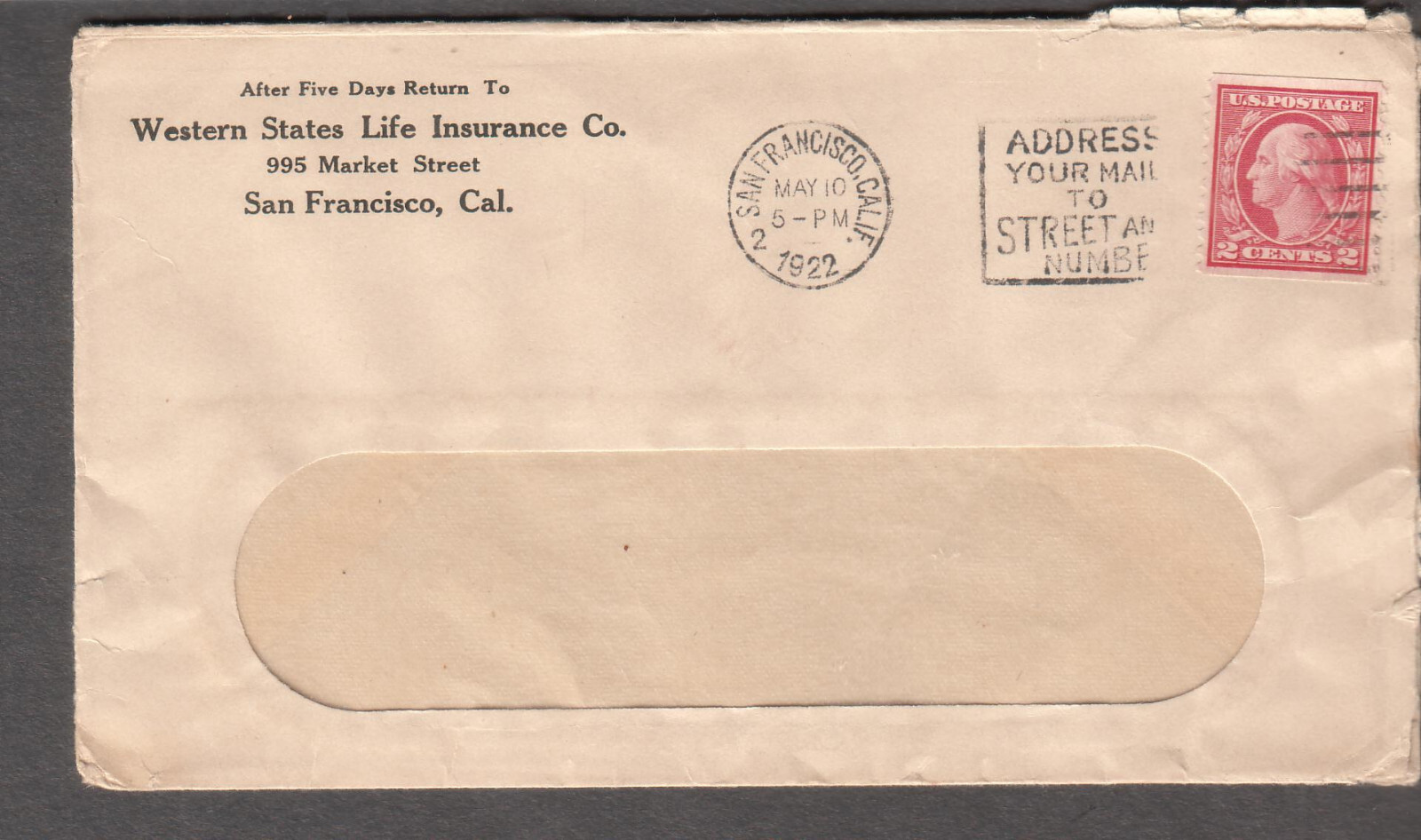
The life insurance landscape in 1922 was defined by face-to-face field underwriting, rapidly expanding industrial debit agencies, and agents who served as both trusted community advisors and rigorous financial investigators. Operating before the advent of digital medical records, computerized actuarial tables, and modern regulatory frameworks, the turn-of-the-decade insurance agent played a foundational role in building household financial security across the United States.
The Historical Context of Life Insurance in the Early 1920s
To understand the role of insurance agents circa 1922, one must examine the broader socio-economic environment of the post-World War I era. The United States was experiencing a complex transition from a wartime economy to a bustling, urbanized consumer society, shadowed by the impending agricultural depression and the eventual financial crash of the decade. Life insurance had evolved from a fringe burial society concept into a multi-million-dollar pillar of American commerce, largely thanks to aggressive agency systems pioneered in the late 19th century.
During this period, life insurance was not merely a financial product; it was viewed as a moral obligation for the head of a household. Families faced stark economic vulnerability upon the death of a primary breadwinner, as government safety nets like Social Security did not yet exist. Private life insurance was the primary shield against destitution. Consequently, agents carried immense social weight. They were viewed with a mixture of respect for their financial foresight and skepticism due to high-pressure sales tactics employed by some rogue firms.
The Impact of the 1918 Influenza Pandemic and WWI
The collective psyche of the American public in 1922 was still heavily influenced by the devastation of the 1918 Influenza Pandemic and the casualties of World War I. These monumental events fundamentally reshaped how life insurance was perceived and sold. Millions of policyholders had seen healthy young adults succumb to illness or conflict overnight, proving that mortality was unpredictable. Insurance agents leveraged this stark reality in their pitches, emphasizing that life insurance was an urgent necessity rather than a deferred luxury.
Furthermore, the United States government's involvement in War Risk Insurance during World War I introduced millions of young servicemen to the concept of large-scale term insurance. When these veterans returned home, private insurance agents capitalized on this familiarity, transitioning them into permanent commercial policies.
Types of Insurance Agents and Their Operational Models
The insurance distribution system in 1922 was rigidly structured, divided primarily into distinct sales channels that dictated how an agent operated, whom they targeted, and how they were compensated.
Ordinary Life Agents
Ordinary agents generally catered to the middle and upper-middle classes, selling larger face-value policies—typically starting at $1,000 or more, which represented a substantial sum at the time. These agents operated on a commission-only basis and were affiliated with major mutual or stock companies based in financial hubs like New York, Hartford, and Boston. An ordinary agent’s daily routine involved cold-calling prospective clients at their offices, following up on personal referrals, and setting evening appointments in the parlors of family homes.
Industrial Agents and the "Debit" System
For working-class families, the industrial insurance agent was the primary financial contact. These agents managed a specific geographical route known as a "debit." Every week, the industrial agent would physically walk door-to-door to collect small premium payments—often just a few cents—directly from the policyholder.
- Weekly Collection: Unlike ordinary life policies paid annually, semi-annually, or quarterly, industrial policies required weekly collections to match working-class wage cycles.
- Burial Insurance Focus: These policies were primarily designed to cover immediate final expenses and modest burial costs, ensuring families did not resort to pauper's graves.
- High Turnover and Surveillance: Debit agents faced immense pressure from district managers. They were strictly audited weekly on their collection totals and policy lapses.
| Agency Type | Target Demographic | Typical Policy Size | Premium Payment Frequency | Primary Distribution Method |
|---|---|---|---|---|
| Ordinary Agents | Middle and Upper-Class Families, Business Owners | $1,000 to $10,000+ | Annually, Semi-Annually, Quarterly | Office visits, home parlor appointments, referrals |
| Industrial Agents | Working-Class and Immigrant Urban Households | $50 to $500 | Weekly (Collected in cash door-to-door) | Door-to-door neighborhood canvassing along a "debit" |
| Fraternal Agents | Lodge Members, Cultural and Ethnic Associations | Variable ($500 to $2,000) | Monthly through lodge treasurers or collectors | Lodge meetings, community events, fraternal networks |
The Daily Life and Responsibilities of a 1922 Agent
The life of an insurance agent in 1922 required remarkable stamina, persuasive communication skills, and deep local roots. Without automobiles being universally standard for working-class salesmen, many agents relied on public transit, bicycles, or a great deal of walking to cover their territories.
Prospecting Without Modern Tools
Today, agents rely on CRM databases, targeted digital advertising, and phone leads. In 1922, prospecting was entirely analog. Agents scanned local newspaper columns for announcements of marriages, births, promotions, and real estate purchases—each signaling a new financial responsibility that required life insurance protection. Local directories, church rosters, and active participation in civic organizations like the Masons, Rotary Club, or chambers of commerce were essential for building a book of business.
Field Underwriting and Medical Examination Coordination
In 1922, the agent was the company’s first line of defense against fraud and adverse selection. While a medical director ultimately approved or denied a policy, the agent conducted the initial physical and character assessment.
- Agents inspected the applicant's home environment, general cleanliness, and neighborhood reputation.
- They coordinated appointments with contracted local physicians who conducted stethoscopic heart exams, urinalyses, and family medical history interviews.
- They completed lengthy handwritten applications that required detailed disclosures about personal habits, occupation hazards, and past illnesses.
Life Insurance Products Available in 1922
Insurance portfolios of the early 1920s were less complex than modern financial instruments, but they featured robust guarantees and traditional structures that prioritized stability.
Whole Life (Straight Life)
Whole life insurance was the cornerstone of the industry. It offered level premiums that remained constant throughout the insured's life, combined with a guaranteed cash surrender value. For families in 1922, this product functioned simultaneously as a death benefit and a rudimentary long-term savings account, often tapped during periods of unemployment or medical crisis.
Limited Payment Life
Policies such as the 20-Payment Life or Paid-Up at Age 65 were extraordinarily popular. These contracts allowed policyholders to pay higher premiums for a finite period (e.g., 20 years), after which the policy became fully paid-up, requiring no further out-of-pocket payments while maintaining lifetime coverage. This appealed strongly to manual laborers and artisans who anticipated a decline in earning capacity in their later years.
Term Insurance
Term insurance existed in 1922—often sold as renewable or convertible term—but it was frequently viewed by conservative actuaries and agents as temporary protection. Because many people associated insurance with eventual death rather than temporary risk management, permanent forms of cash-value insurance were heavily favored in sales pitches.
Regulatory Environment and Industry Ethics
The insurance industry of 1922 operated under the long shadow of the Armstrong Investigation of 1905 in New York, which had exposed widespread financial corruption, excessive lobbying, and mismanagement among major life insurance companies.
State-Level Oversight
By 1922, state insurance commissioners held sweeping regulatory powers. The National Convention of Insurance Commissioners (now the NAIC) actively worked to standardize reserve requirements, policy language, and investment practices. Companies were heavily restricted in how they could invest their reserves, heavily favoring conservative municipal bonds, first mortgages on real estate, and government securities.
Agent Licensing and Ethics
Licensing requirements varied significantly by state, but the era marked a transition toward greater professionalization. Companies began investing heavily in standardized training manuals to weed out incompetent agents who engaged in "twisting"—the unethical practice of convincing a policyholder to drop an existing policy to buy a new one simply to generate a fresh commission.
Common Challenges Faced by Agents and Policyholders
Operating a life insurance business a century ago presented distinct operational hurdles that modern professionals rarely encounter.
- Cash Flow Volatility: Economic downturns immediately spiked policy lapses. If a factory worker lost their job, the weekly or quarterly premium could not be paid, leading to the cancellation of coverage unless the policy had accumulated sufficient cash surrender value for automatic premium loans.
- Geographical Isolation: Rural agents faced vast distances, poor road infrastructure, and limited communication channels. Servicing a policyholder miles away required a dedicated horse and buggy or an unreliable early-model automobile.
- Actuarial Limitations: Mortality tables were less sophisticated, relying heavily on historical data that did not always account for rapid industrialization, occupational hazards in factories, or emerging infectious diseases.
Frequently Asked Questions
How much did a typical life insurance policy cost in 1922?
While costs varied wildly based on age, health, and policy type, a standard $1,000 ordinary life policy for a healthy 30-year-old male typically cost between $20 and $25 annually in premiums. For industrial policies, weekly premiums might range from 5 cents to 25 cents, reflecting the smaller face values and higher administrative costs of weekly collections.
Did life insurance companies in 1922 exclude dangerous occupations?
Yes. Policies from this era contained strict clauses regarding hazardous professions. Coal miners, railroad brakemen, structural steel workers, and early aviators often faced steep extra premium charges—known as occupational loadings—or complete exclusions for accidental death related to their employment.
How did agents verify the health of an applicant without digital records?
Agents relied entirely on physical examinations performed by local doctors hired by the insurance company. These exams included testing reflexes, listening to heart and lung sounds, and analyzing urine samples for sugar and albumin, which indicated potential diabetes or kidney disease.
What happened if a policyholder could not pay their premium during the 1920-1921 recession?
Many standard policies of the era included non-forfeiture provisions. If a policy had been in force for a minimum period (usually three years) and accumulated cash value, the policyholder could opt for extended term insurance, reduced paid-up insurance, or take out a policy loan to cover the unpaid premium.
Were women able to purchase life insurance independently in 1922?
Women could purchase life insurance, but underwriting standards were often restrictive. Many companies required proof of an independent income or restricted married women to smaller face values, as the cultural assumption was that only wage-earning breadwinners required income replacement upon death.
Conclusion and Historical Legacy
Insurance agents circa 1922 operated at the intersection of rigorous financial science and grassroots community engagement. Through the ordinary agency system or the weekly grind of the industrial debit route, these professionals laid the groundwork for modern financial planning. Examining their methods reveals an era defined by personal accountability, face-to-face trust, and an unwavering commitment to protecting American families against economic uncertainty.