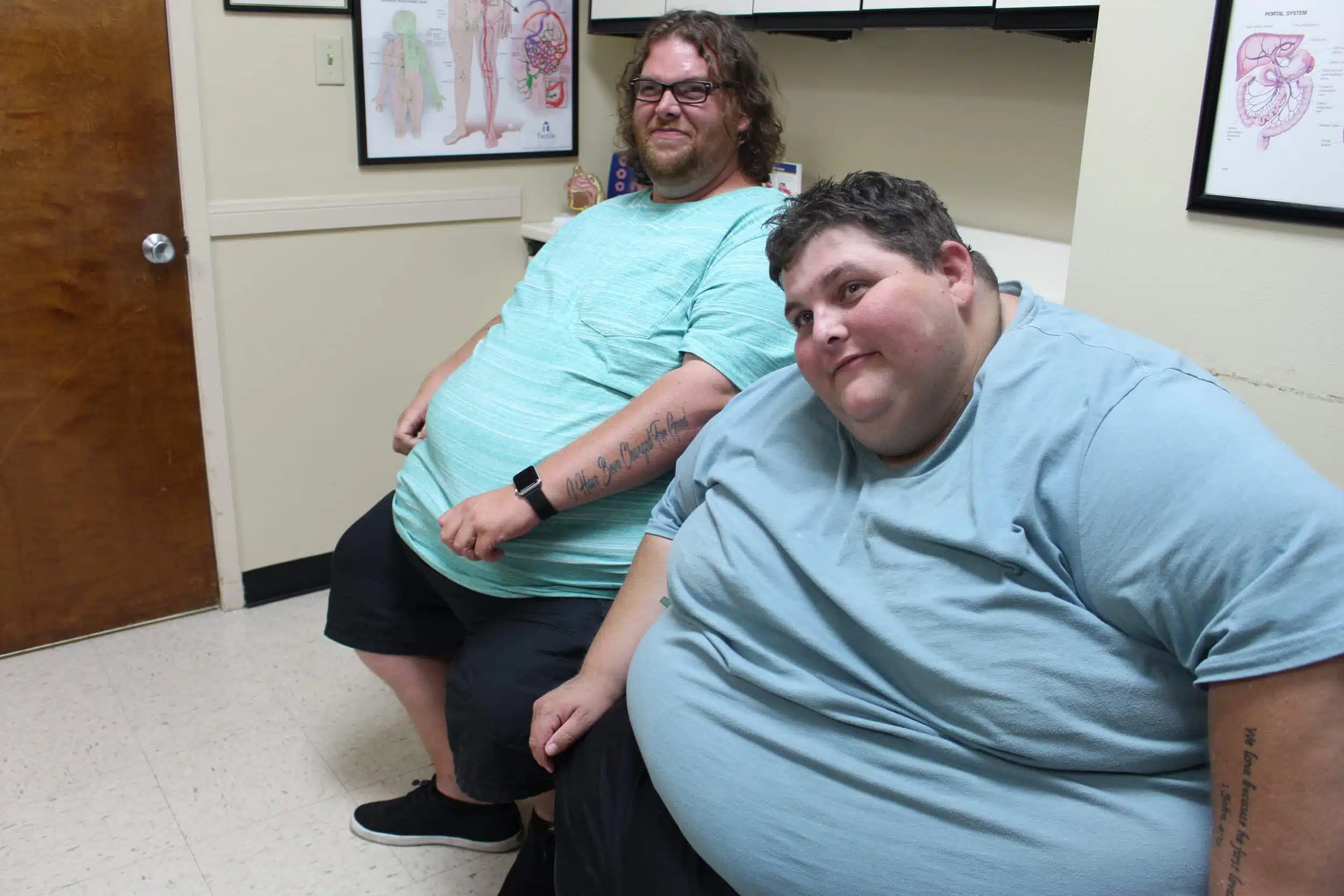
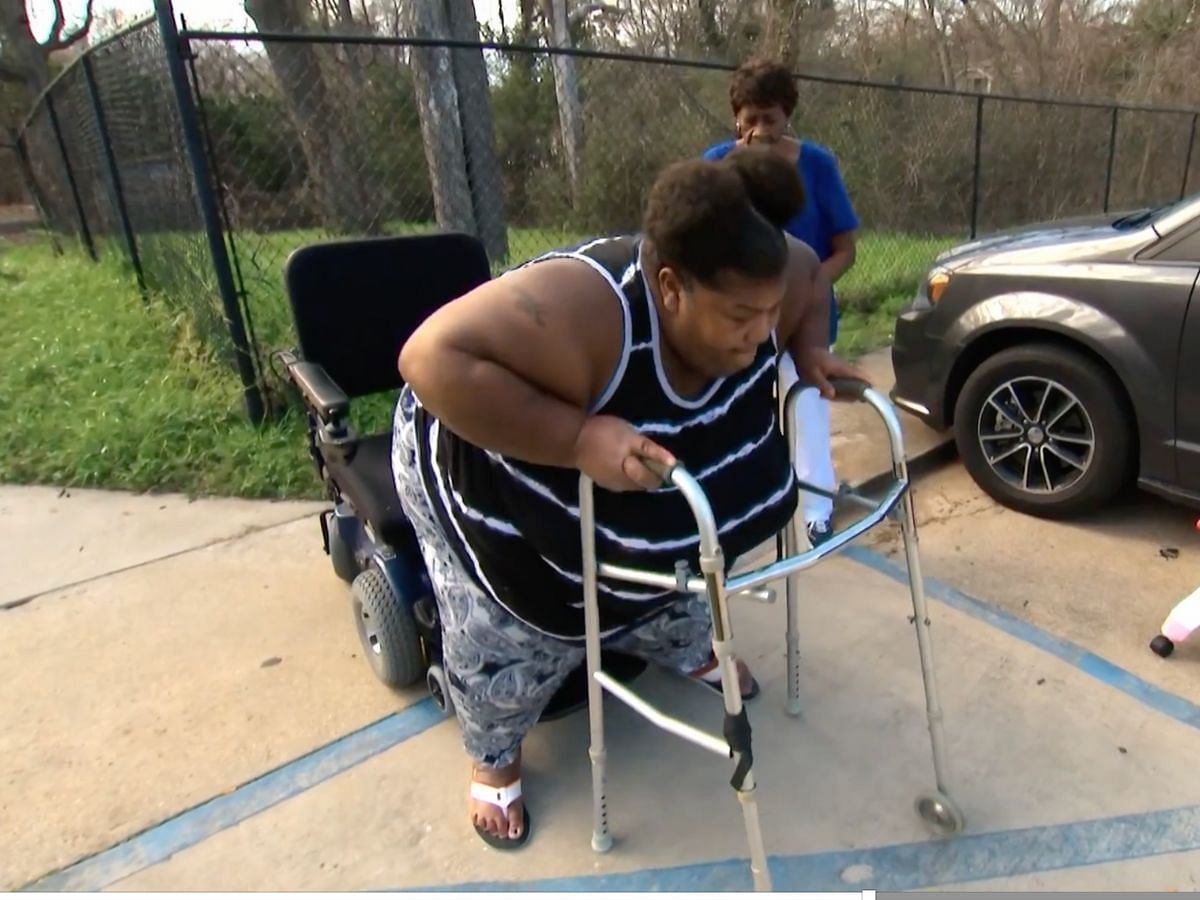
Henry Foots appeared in the very first season of the TLC reality series My 600-lb Life, marking a pivotal moment in the show’s history as one of the inaugural patients treated by Dr. Younan Nowzaradan. His journey serves as a significant case study in the complexities of extreme weight loss, the psychological hurdles of morbid obesity, and the long-term medical challenges associated with surgical intervention and lifestyle modification.
In the debut season of My 600-lb Life, Henry Foots reached a peak weight of approximately 715 pounds. Living in Texas, he sought out Dr. Nowzaradan for bariatric surgery in an attempt to reclaim his mobility and improve his quality of life. His episode documented his struggles with diet adherence, his eventual weight loss progress, and the tragic medical complications that interrupted his recovery, ultimately leading to his passing in 2013.
The Context of Early My 600-lb Life Episodes
When My 600-lb Life premiered, it provided viewers with an unprecedented look at the life-threatening realities of super-morbid obesity. Unlike later seasons that focused heavily on the drama of patient defiance, the early episodes—including that of Henry Foots—often centered on the raw medical necessity of the procedures.
For patients like Henry, the process began with a strict supervised diet. The objective of this preliminary phase was to shrink the liver and prove the patient's commitment to the required lifestyle changes. Failure to lose the mandated weight before surgery often meant the procedure would be delayed. For Henry, the stakes were high; his size caused him to be effectively homebound, placing immense strain on his cardiovascular system and joints.
The Medical Procedure and Weight Loss Progress
Henry Foots underwent gastric bypass surgery after successfully meeting Dr. Nowzaradan’s initial weight loss requirements. The surgery was physically transformative. Post-operation, Henry experienced significant weight loss, dropping down to roughly 275 pounds. This period represented a major victory for the patient, as he gained newfound independence, the ability to walk more freely, and an improved baseline for his overall health.
However, the journey for a patient at Henry’s starting weight does not end with the surgery. The surgical procedure is merely a tool; long-term success requires lifelong adherence to nutritional supplements, high-protein intake, and behavioral health support to manage the emotional triggers associated with overeating. The episode chronicled these successes, but also highlighted the inherent risks of such dramatic bodily shifts.
Understanding the Complications in Henry’s Journey
The history of Henry Foots is often cited when discussing the risks of bariatric surgery. Post-surgery, Henry faced several health challenges. While he was successful in losing a substantial amount of weight, his physical health eventually deteriorated due to complications that were not directly related to the surgery itself but rather the culmination of years of systemic stress on his body.
In 2013, Henry Foots passed away. His death was a somber reminder that patients who struggle with severe obesity often deal with underlying conditions that persist long after the primary weight issue is addressed. For those watching the show, Henry’s story emphasized that morbid obesity is not just a weight issue but a multi-faceted medical condition requiring continuous monitoring and care.
Clinical Realities of Bariatric Surgery
For individuals considering or studying the impact of bariatric surgery as seen on My 600-lb Life, it is essential to understand the clinical requirements and the reality of the post-operative period. Dr. Nowzaradan’s protocol typically includes several non-negotiable steps:
- Psychological Evaluation: Assessing the relationship between the patient and food to prevent relapse.
- Supervised Diet: A low-calorie, high-protein regimen to prepare the body for surgical stress.
- Physical Therapy: Gradually increasing movement to address muscle atrophy and joint damage.
- Long-term Micronutrient Supplementation: Preventing malnutrition, which is common when the body’s ability to absorb vitamins is surgically limited.
Comparative Overview of Weight Loss Milestones
The following table illustrates the typical phases of a patient’s journey similar to the one documented in early seasons of the show.
| Phase | Primary Focus | Goal |
|---|---|---|
| Pre-Surgery | Diet and Psychological Prep | Achieve initial weight loss/liver reduction |
| Surgery | Gastric Bypass/Sleeve | Restrictive/Malabsorptive intake |
| Recovery | Wound care and mobility | Prevent infection and blood clots |
| Long-Term | Nutritional maintenance | Sustain weight loss and address excess skin |
Addressing Misconceptions About the Show
A common question among viewers is why certain patients experience different outcomes. The reality of the program is that surgery is a tool, not a cure. The success of the surgery depends on the patient's ability to fundamentally change their lifestyle. In Henry’s case, his initial success with the surgery demonstrated that he was capable of following the protocol, but the body’s recovery from such extreme obesity is never guaranteed.
Medical professionals caution that "success" in these cases is measured not just by the number on the scale, but by the cessation of obesity-related comorbidities like Type 2 diabetes, hypertension, and sleep apnea. Many patients who appear on the show have lived with these conditions for decades, leading to irreversible damage in organs or skeletal structures.
Frequently Asked Questions
Did Henry Foots maintain his weight loss?
Henry Foots was highly successful in his initial weight loss journey, reaching a low of approximately 275 pounds. He demonstrated that with medical intervention, significant weight reduction is possible for patients at his starting weight.
What was the cause of death for Henry Foots?
Henry Foots passed away in 2013. Reports indicated that his health complications were related to the long-term strain of his previous morbid obesity and subsequent medical issues, rather than a failure of the bariatric procedure itself.
Why is Henry’s story considered important to the series?
As one of the earliest participants in the first season of My 600-lb Life, Henry’s journey helped establish the show’s format. His story highlighted both the life-saving potential of weight loss surgery and the profound health risks inherent in severe obesity.
Are there risks associated with the surgery shown on the program?
Yes. Bariatric surgery is a major medical procedure. Risks include nutritional deficiencies, surgical complications, blood clots, and the psychological difficulty of adjusting to a smaller stomach capacity.
Is the diet used in the show safe for everyone?
The diet shown on the program is a medically supervised, highly restrictive plan designed specifically for people in life-threatening states of obesity. It should never be attempted without the direct oversight of a qualified bariatric surgeon or healthcare provider.
Next Steps for Those Seeking Guidance
If you or a loved one are struggling with morbid obesity and considering bariatric intervention, the most critical step is to consult with a board-certified bariatric surgeon. Do not attempt to replicate the procedures or diets seen on television without professional medical screening.
Start by obtaining a referral from a primary care physician who can evaluate your overall health, including cardiac function, endocrine health, and psychological readiness. Bariatric centers provide comprehensive support teams, including nutritionists and therapists, who are essential for long-term success. Focus on sustainable, evidence-based lifestyle changes that prioritize your health over rapid results.