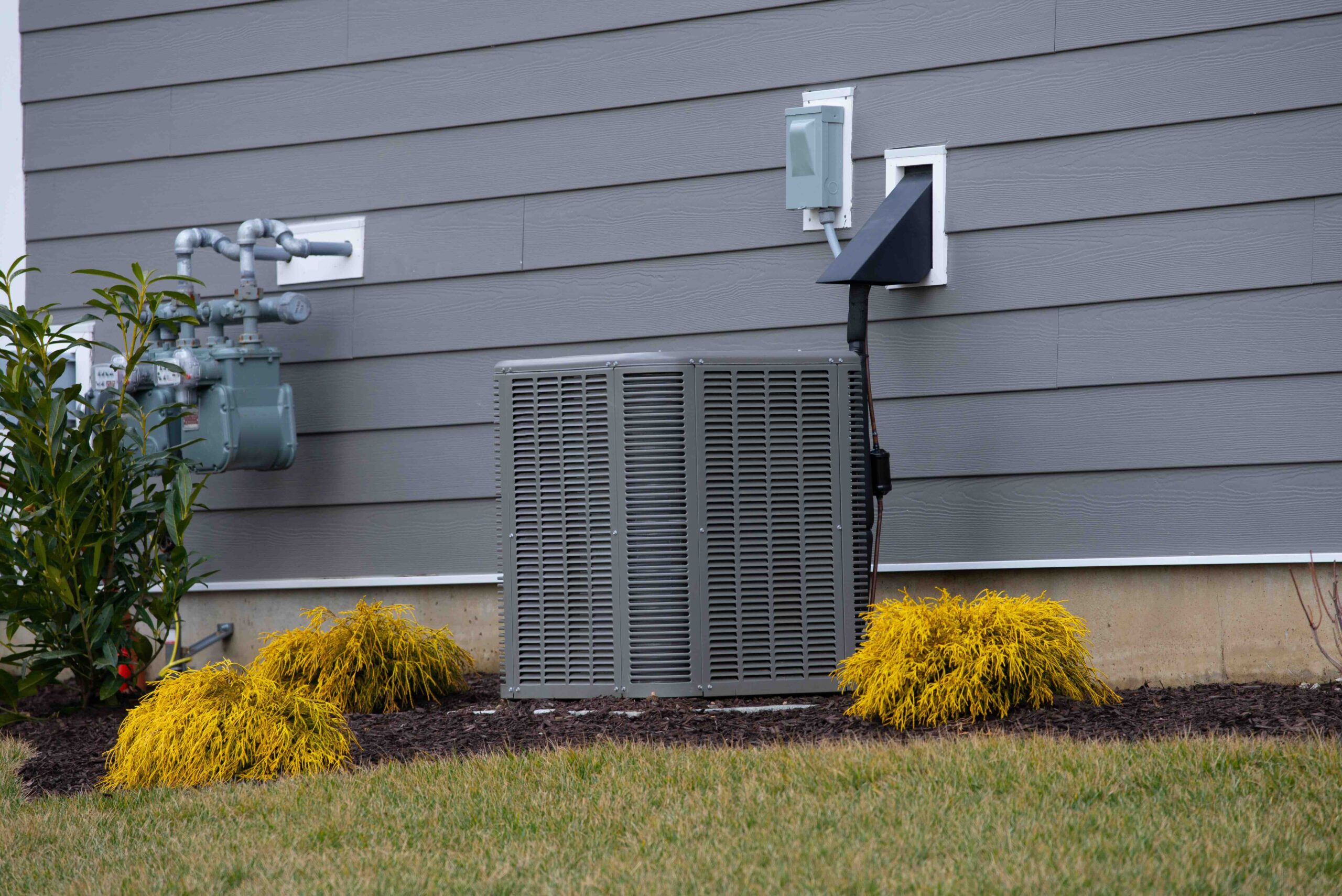
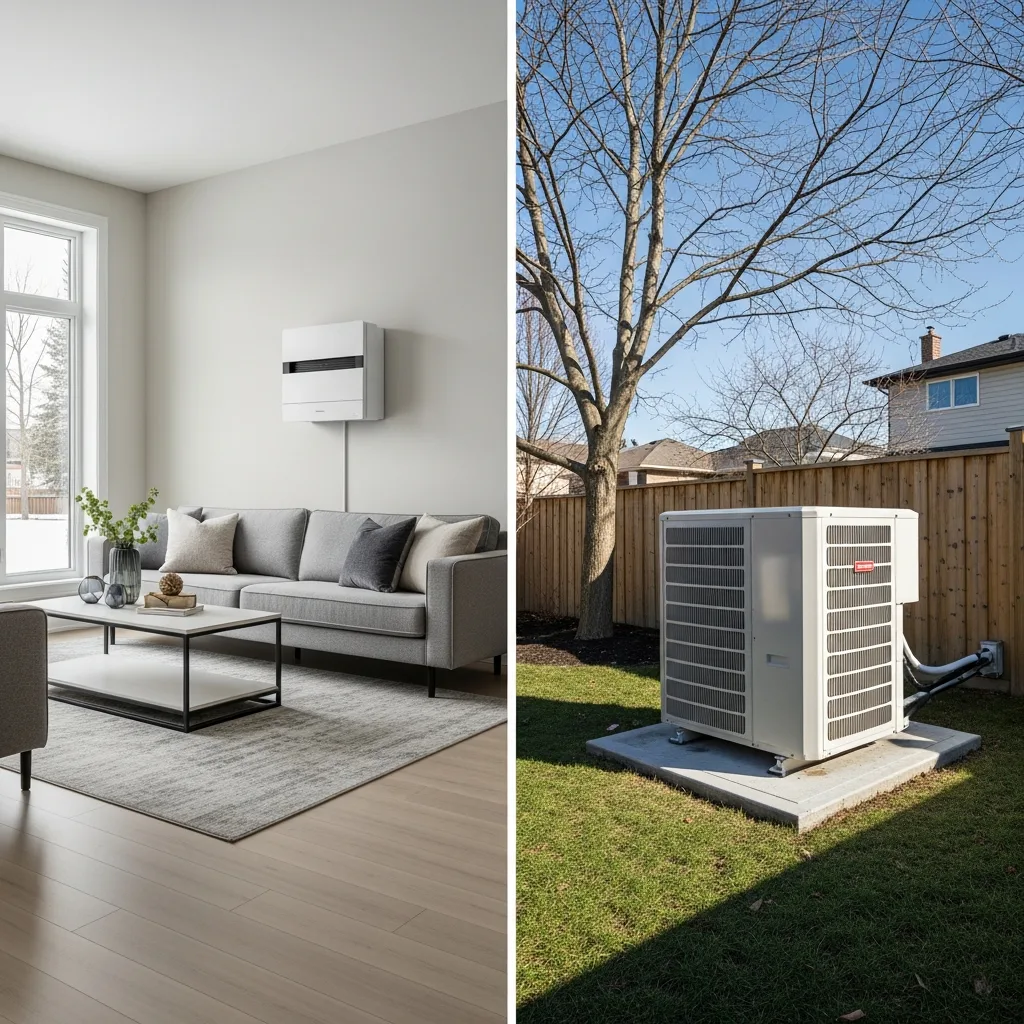
For a typical 2000 square foot house, you will generally require a central air conditioning unit with a cooling capacity of 3.5 to 4 tons. This equates to approximately 42,000 to 48,000 BTUs per hour. However, the precise size depends on your home’s insulation, local climate, and window efficiency, which must be verified through a professional Manual J load calculation.
Installing a central air conditioning system is one of the most significant investments a homeowner will make. When cooling a 2000 square foot space, the goal is to balance initial equipment costs with long-term energy efficiency and indoor comfort. In 2026, advancements in compressor technology and stricter federal efficiency standards mean that simply picking a unit based on square footage is no longer sufficient. This guide provides a comprehensive breakdown of how to select, size, and budget for a central AC system tailored to a 2000 square foot residence.
Understanding Tonnage and BTU Requirements
The cooling capacity of central air conditioners is measured in British Thermal Units (BTUs) or "tons." One ton of air conditioning is defined as the ability to remove 12,000 BTUs of heat from a home in one hour. For a 2000 square foot home, the "rule of thumb" often suggests 1 ton for every 500 to 600 square feet. This leads to the common recommendation of a 3.5-ton (42,000 BTU) or 4-ton (48,000 BTU) system.
However, the "rule of thumb" is a dangerous metric for modern HVAC design. If you install a 4-ton unit in a highly energy-efficient 2000 square foot home with spray-foam insulation and triple-pane windows, the unit will likely be oversized. An oversized unit "short cycles," meaning it turns on and off too frequently. This prevents the system from running long enough to remove humidity, leading to a "cold and clammy" environment and premature compressor failure. Conversely, a 3.5-ton unit in an older home with poor insulation and high solar gain (many south-facing windows) will struggle to maintain the set temperature during a peak summer afternoon in 2026.
The Necessity of the Manual J Load Calculation
To ensure you are purchasing the correct "1 central air conditioning unit for a 2000 square foot house," your HVAC contractor must perform a Manual J Load Calculation. This is the industry-standard protocol developed by the Air Conditioning Contractors of America (ACCA). Unlike simple square footage estimates, a Manual J calculation accounts for:
- Climate Zone: A 2000 square foot home in Phoenix, Arizona, requires significantly more cooling power than the same size home in Portland, Maine.
- Orientation: Homes with large windows facing south or west receive much more solar heat gain.
- Insulation Levels: The R-value of your wall and attic insulation directly affects how much heat enters the home.
- Airtightness: The "leakiness" of the home, often measured by a blower door test, determines how much conditioned air escapes.
- Occupancy: The number of people living in the home, as the human body generates heat.
- Heat-Generating Appliances: Large kitchens with commercial-grade ranges or server rooms can increase the cooling load.
By 2026, most reputable contractors use specialized software to generate these reports. Requesting a copy of this calculation is the best way to verify that the 3.5 or 4-ton unit being quoted is actually the correct fit for your specific structure.
SEER2 Ratings and Efficiency Standards in 2026
Efficiency is measured by the Seasonal Energy Efficiency Ratio 2 (SEER2). This metric represents the cooling output of a system divided by the total electric energy input during the same period. As of 2026, the Department of Energy (DOE) has maintained the rigorous testing standards introduced in 2023, which better reflect real-world external static pressure on ductwork.
For a 2000 square foot home, choosing between a base-model SEER2 and a high-efficiency model is a matter of calculating the "payback period."
- Minimum Standards: In northern climates, the minimum SEER2 is typically around 13.4 (roughly equivalent to the old 14 SEER). In southern and southwestern regions, the minimum is 14.3 (roughly 15 SEER).
- High Efficiency: Premium units now reach SEER2 ratings of 20 to 25. While these units have a higher upfront cost, they can reduce monthly cooling bills by 30% to 50% compared to a 10-year-old unit.
For a mid-sized home of 2000 square feet, a 16 to 18 SEER2 unit often represents the "sweet spot" of value, providing excellent dehumidification and lower operating costs without the extreme price tag of ultra-high-end inverter systems.
Compressor Types: Single-Stage, Two-Stage, and Variable-Speed
The heart of your central air conditioning unit is the compressor. The type of compressor technology you choose will dictate the comfort levels in your 2000 square foot home.
Single-Stage Compressors
These units operate at one speed: 100% capacity. They stay on until the thermostat is satisfied and then shut off completely. In a 2000 square foot home, this can lead to temperature swings of 2 to 3 degrees and higher humidity levels. They are the most affordable option but the least efficient.
Two-Stage Compressors
These units have two levels of operation: high (100%) for the hottest days and low (typically around 65-70%) for milder weather. Because they run for longer periods at a lower speed, they are much better at removing humidity and maintaining a consistent temperature across all rooms of a 2000 square foot house.
Variable-Speed (Inverter) Compressors
Variable-speed units can adjust their output in tiny increments, ranging from 25% to 100%. They are the quietest and most efficient units available in 2026. For a 2000 square foot home, a variable-speed unit provides the most precise climate control, effectively eliminating hot and cold spots that often occur in split-level or ranch-style layouts of this size.
Estimated Costs for a 2000 Sq. Ft. Home in 2026
The cost of a 3.5 to 4-ton central air conditioning system varies based on the brand, efficiency rating, and complexity of the installation. The following table provides estimated price ranges for the unit and professional installation, assuming existing ductwork is in good condition.
| System Type | SEER2 Rating | Capacity (Tons) | Estimated Installed Cost (2026) |
|---|---|---|---|
| Standard (Single-Stage) | 13.4 - 14.3 | 3.5 - 4.0 | $5,500 – $7,500 |
| Mid-Range (Two-Stage) | 16.0 - 18.0 | 3.5 - 4.0 | $8,000 – $11,000 |
| High-End (Variable-Speed) | 20.0+ | 3.5 - 4.0 | $12,000 – $16,500+ |
Note: Prices include the outdoor condenser, indoor evaporator coil, refrigerant lines, and basic labor. Costs can increase if duct repair, electrical upgrades, or new thermostats are required.
Critical Factors Beyond the Unit Itself
When installing 1 central air conditioning unit for a 2000 square foot house, the "system" involves more than just the box sitting outside.
Ductwork Integrity
A 4-ton unit requires a specific volume of airflow (typically 400 Cubic Feet per Minute or CFM per ton). This means your ductwork must be able to handle roughly 1,400 to 1,600 CFM. If your ducts are undersized, leaking, or poorly insulated, even the most expensive 2026 model AC unit will fail to cool your home efficiently. A ductwork inspection should always precede a unit replacement.
Indoor Coil Matching
The indoor evaporator coil (usually located in your furnace or air handler) must be compatible with the outdoor condenser. In 2026, it is standard practice to replace both simultaneously. An unmatched system can lead to lower efficiency, reduced capacity, and a voided manufacturer warranty.
Refrigerant Lines
Most systems today use R-410A or newer low-GWP (Global Warming Potential) refrigerants like R-454B or R-32, which have become standard in the mid-2020s. If you are upgrading from a very old system, your copper refrigerant lines may need to be flushed or replaced to handle the higher pressures and different oil types used by modern refrigerants.
Common Installation Mistakes to Avoid
- Oversizing the Unit: As mentioned, a 5-ton unit is not "better" than a 4-ton unit for a 2000 square foot home if the load calculation doesn't call for it. Over-sizing leads to short-cycling and humidity problems.
- Reusing an Old Thermostat: Modern high-efficiency units, especially two-stage or variable-speed models, require "communicating" or multi-stage thermostats to function correctly.
- Ignoring the Air Filter: A 2000 square foot home moves a lot of air. Using a filter that is too restrictive (high MERV rating on a system not designed for it) can "choke" the new unit, leading to a frozen evaporator coil or a burned-out blower motor.
- Improper Refrigerant Charge: Research by Energy.gov indicates that a significant percentage of new systems are charged incorrectly at the time of installation. Ensure your technician uses digital gauges and measures "subcooling" or "superheat" to confirm the charge is exact.
Frequently Asked Questions
Can I cool a 2000 sq. ft. house with a 3-ton unit?
In some cases, yes. If your 2000 square foot home was built to modern "Passive House" standards or has undergone extensive energy retrofits (high-performance windows, attic air sealing, and R-60 insulation), a 3-ton unit may be sufficient. However, for the average American home built between 1970 and 2010, 3 tons is usually inadequate for this square footage.
Is it better to have one large unit or two smaller ones for 2000 sq. ft.?
For a single-story 2000 square foot ranch, one 4-ton unit is typically the most cost-effective solution. However, for a two-story home, a "zoned" system or two separate units (e.g., two 2-ton units) often provides better comfort, as heat rises and the upstairs usually requires more cooling than the downstairs.
How long should a new central AC unit last in 2026?
A well-maintained central air conditioning unit installed in 2026 should last between 15 and 20 years. Regular maintenance, such as cleaning the outdoor coils and changing air filters, is essential to reaching this lifespan.
Does a 2000 sq. ft. house require a permit for AC installation?
Yes, in almost all jurisdictions, a mechanical and/or electrical permit is required. This ensures that the installation is inspected for safety, proper drainage of condensate, and correct electrical wiring. Failure to obtain a permit can complicate a future home sale.
Will a 4-ton unit increase my electricity bill significantly?
If you are replacing a 15-year-old 4-ton unit with a new 2026 SEER2-compliant 4-ton unit, your electricity bill will almost certainly decrease. Modern units use far less energy to produce the same amount of cooling. However, if you are adding central AC to a home that previously used window units, your total electricity consumption will likely rise.
Final Recommendation
When selecting 1 central air conditioning unit for a 2000 square foot house, the most critical step is to find a contractor who insists on a Manual J load calculation rather than a "rule of thumb" guess. For most homeowners, a 3.5 to 4-ton unit with a 16 or 17 SEER2 rating provides the best balance of initial cost and monthly savings. If your budget allows, opting for a two-stage compressor will significantly improve humidity control and comfort, making your 2000 square foot living space much more enjoyable during the peak of summer.