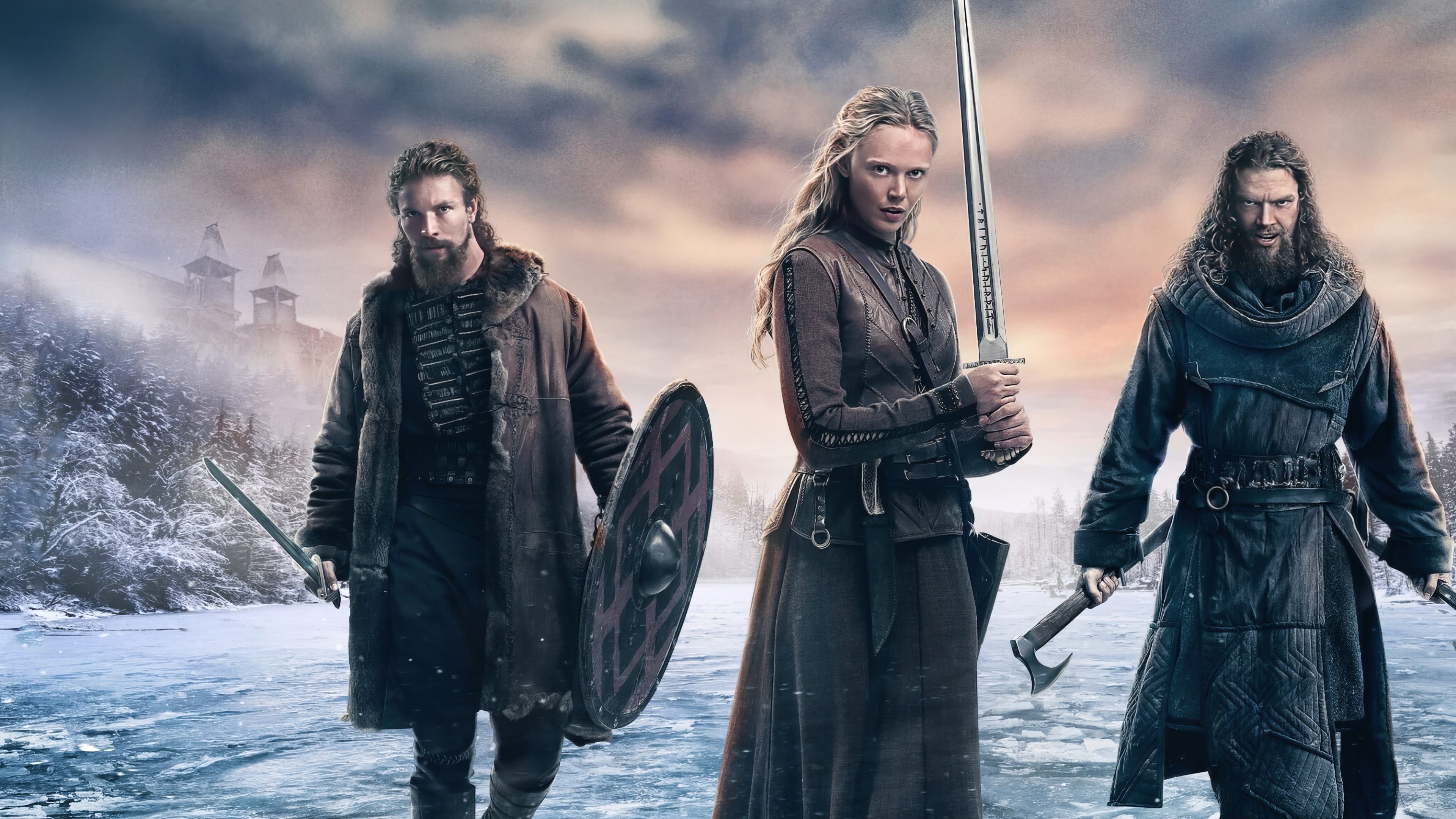
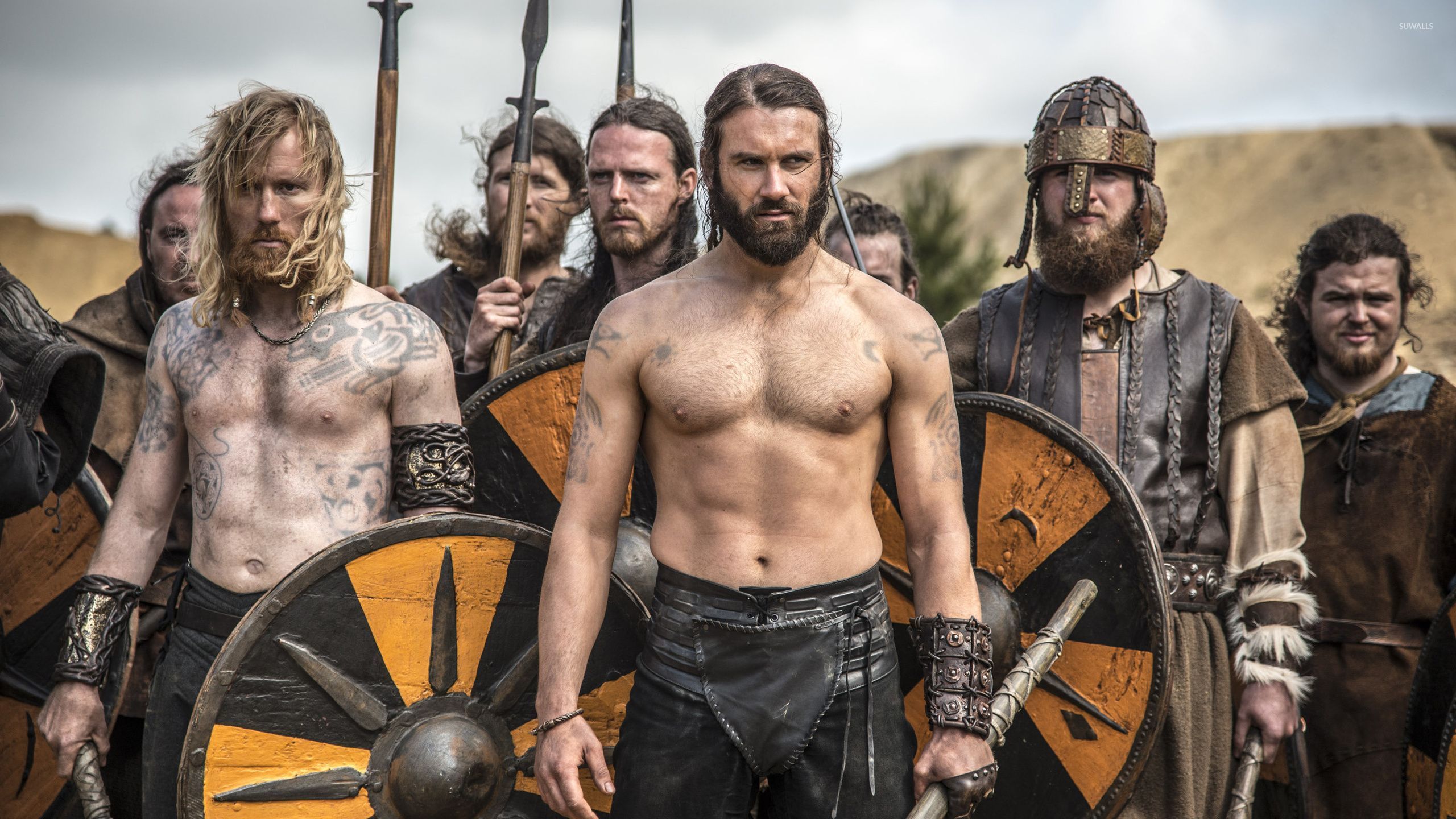
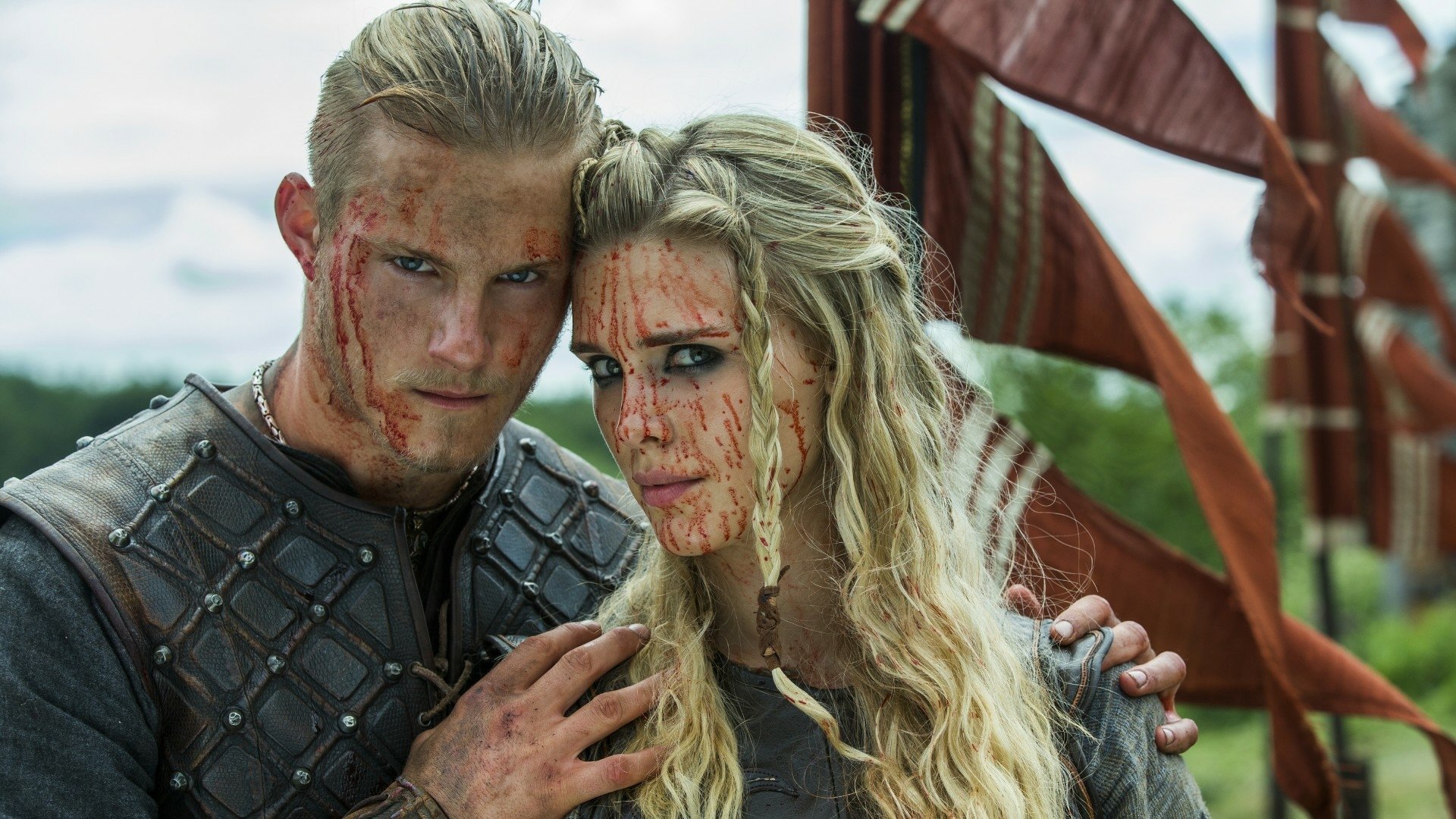
Finding a high-quality TV show about Vikings requires distinguishing between historical dramas that prioritize archaeological accuracy and those that lean into high-fantasy elements or legendary sagas. The landscape of Viking-themed television has expanded significantly over the last decade, offering viewers a mix of intense character studies, sweeping political intrigue, and stylized portrayals of Norse culture.
The Evolution of the Viking Genre on Screen
The representation of Vikings in television has shifted from the one-dimensional, marauding antagonists often seen in 20th-century cinema to complex, multifaceted characters. Historically, the Viking Age—spanning roughly from 793 AD to 1066 AD—was defined by exploration, trade, complex social hierarchies, and shifting religious landscapes. Modern television producers now leverage these nuances to create long-form narratives that track the rise and fall of specific dynasties, the transition from paganism to Christianity, and the intricate legal systems of the medieval Scandinavian world.
When selecting a show to watch, it is essential to identify the production's primary objective. Some series aim for a gritty, "real-world" aesthetic, utilizing practical effects and grounded fight choreography to simulate the hardships of early medieval life. Others prioritize the mythological framework of the period, incorporating the influence of the Norse pantheon as perceived by the people of that era. Understanding these creative choices helps viewers align their expectations with the content provided.
Key Series and Their Narrative Approaches
The most prominent series within this niche often serve as the entry point for viewers. While there are many sub-genre variants, the following productions represent the most established pillars of the current television catalog.
Vikings (2013–2020)
Created by Michael Hirst, this series is widely credited with the current resurgence of interest in the genre. It focuses on the legendary figure Ragnar Lothbrok and his family, tracing their journey from farmers in Scandinavia to raiders and rulers in England and France. Its narrative strength lies in its exploration of the clash between Norse belief systems and the expanding influence of Christianity in Europe.
Vikings: Valhalla (2022–2024)
Serving as a sequel set approximately one hundred years after the conclusion of the original series, this production moves into the late Viking Age. It captures a more volatile political era, marked by the tension between converted Christians and those who maintained the old ways. The series centers on historical figures such as Leif Erikson, Freydis Eriksdottir, and Harald Hardrada, reflecting a period where the Viking identity was being subsumed into the evolving nation-states of Europe.
The Last Kingdom (2015–2022)
Based on Bernard Cornwell's The Saxon Stories, this series approaches the Viking era from the perspective of the Anglo-Saxon kingdoms. It features Uhtred of Bebbanburg, a man of Saxon blood raised by Danes. This series is particularly noted for its focus on the formation of "England" as a concept and the tactical realities of 9th-century warfare.
Comparative Analysis of Viking-Themed Productions
| Series Title | Primary Setting | Focus Area | Narrative Style |
|---|---|---|---|
| Vikings | Early 9th Century | Clan/Family Dynamics | Mythic/Historical Blend |
| The Last Kingdom | 9th Century England | Political Consolidation | Character-Driven/Action |
| Vikings: Valhalla | 11th Century | Geopolitics/Legacy | High-Stakes/Expansive |
| Norsemen | Viking Age Norway | Satire/Dark Comedy | Comedic Subversion |
Understanding Historical Accuracy vs. Creative License
A frequent point of debate for viewers is the level of historical accuracy in these shows. It is important to note that television production inherently requires "dramatization." This involves compressing timelines, combining multiple historical figures into one, and speculative reconstruction of clothing, weaponry, and social rituals.
For instance, the visual portrayal of Viking combat often favors intense, close-quarters fighting. While actual historical combat involved complex shield-wall formations and strategic positioning, television productions often favor dynamic, smaller-scale altercations to maintain pacing. Similarly, the "Viking look"—often associated with leather armor, intricate tattoos, and specific hairstyles—is heavily influenced by modern aesthetic trends rather than purely forensic evidence. While archaeologists have identified various burial sites providing insight into Scandinavian dress, many stylistic elements remain subject to creative interpretation.
Production and Technical Considerations for Viewers
When consuming these series, viewers should consider the production quality and distribution models. Most major Viking-themed series have high production budgets, utilizing location shooting in environments that mimic the rugged landscapes of Scandinavia or the coastlines of the North Sea.
- Language: While the shows are primarily in English, many series incorporate Old Norse or archaic linguistic flourishes to provide atmospheric depth.
- Geographical Scope: Note that these stories often span vast distances, from the fjords of Norway to the rivers of Kievan Rus and the shores of North America.
- Violence and Maturity: These shows typically carry high age ratings due to the graphic nature of the content. They are generally aimed at mature audiences, as they explore themes of power, religious conflict, and survival through explicit depictions.
Common Pitfalls and Troubleshooting
New viewers often ask if they need to watch these shows in a specific order. Generally, most series are self-contained or have a logical entry point. However, skipping seasons can lead to confusion regarding character alliances and the geopolitical state of the narrative. If you find the pacing slow in the early episodes of an epic, consider that these shows often prioritize world-building; the conflict usually scales significantly as the season progresses.
Troubleshooting "accessibility" is another factor. Ensure your streaming platform supports high-definition or 4K playback, as the cinematography in these productions—which relies heavily on natural lighting and shadow—can appear muddy or poorly rendered on lower-quality screens.
Frequently Asked Questions
Are these shows based on true stories? They are historical dramas. While they utilize real figures (like Ragnar Lothbrok or King Alfred) and events (like the Great Heathen Army's invasion), the dialogue, secret meetings, and many interpersonal conflicts are fictionalized to facilitate a coherent narrative.
What is the best show to start with if I like political intrigue? The Last Kingdom is frequently recommended for viewers who prefer political maneuverings and the shifting loyalties between kingdoms, as it balances personal drama with the strategic complexities of nation-building.
Is knowledge of Norse mythology necessary to enjoy these shows? No, though it provides added context. Most shows introduce the gods (Odin, Thor, Freya) within the narrative context of the characters' beliefs, so prior knowledge is not a requirement to understand the plot.
Why do the characters often appear to be in conflict over religion? The Viking Age was a transition period. The tension between the traditional Norse paganism and the encroaching influence of Christianity is a central driver of the conflict in these shows, reflecting the real societal fractures of the era.
Can I watch these shows with my family? Most Viking-themed series contain significant amounts of violence, complex political themes, and adult situations. They are typically intended for a mature audience; check your local streaming service’s maturity rating before viewing.
Next Steps for Enthusiasts
If you enjoy the television depictions of the Viking Age, your next step should be to look into the primary historical sources that inspired them, such as the Saga of the Volsungs or the Anglo-Saxon Chronicle. These documents offer the original, often mythologized accounts that screenwriters use as a foundation for their scripts. Watching these shows with a critical eye toward both their production values and their historical inspirations will provide a much richer viewing experience. To start, pick one of the established series mentioned above and view the first three episodes; this will provide sufficient time to gauge whether the narrative style aligns with your personal preferences for drama and pacing.