Smart pillows provide a measurable improvement in sleep quality for specific users, particularly those struggling with snoring, temperature regulation, or chronic neck pain. While the data-tracking features offer valuable insights, their true worth lies in active intervention technologies—like automatic height adjustment and thermal regulation—rather than passive data collection alone.
The landscape of sleep technology has shifted dramatically. In 2026, the question is no longer whether a pillow can track your sleep, but whether the physical adjustments it makes are worth the premium price tag. For many, a high-quality ergonomic pillow suffices, but for those seeking a data-driven approach to wellness, the smart pillow has moved from a novelty gadget to a legitimate health tool.
Defining the Modern Smart Pillow
To understand if these devices are worth the investment, we must first define what a "smart pillow" is in the current market. Unlike traditional pillows made of down, feathers, or memory foam, a smart pillow integrates electronic components designed to monitor, analyze, and improve sleep.
In 2026, these devices generally fall into three categories:
- Biometric Trackers: These focus on capturing data. They use embedded sensors to monitor heart rate, respiratory patterns, and movement.
- Active Intervention Systems: These pillows do more than watch; they react. If the pillow detects snoring, it may gently inflate an internal air chamber to shift the sleeper's head position.
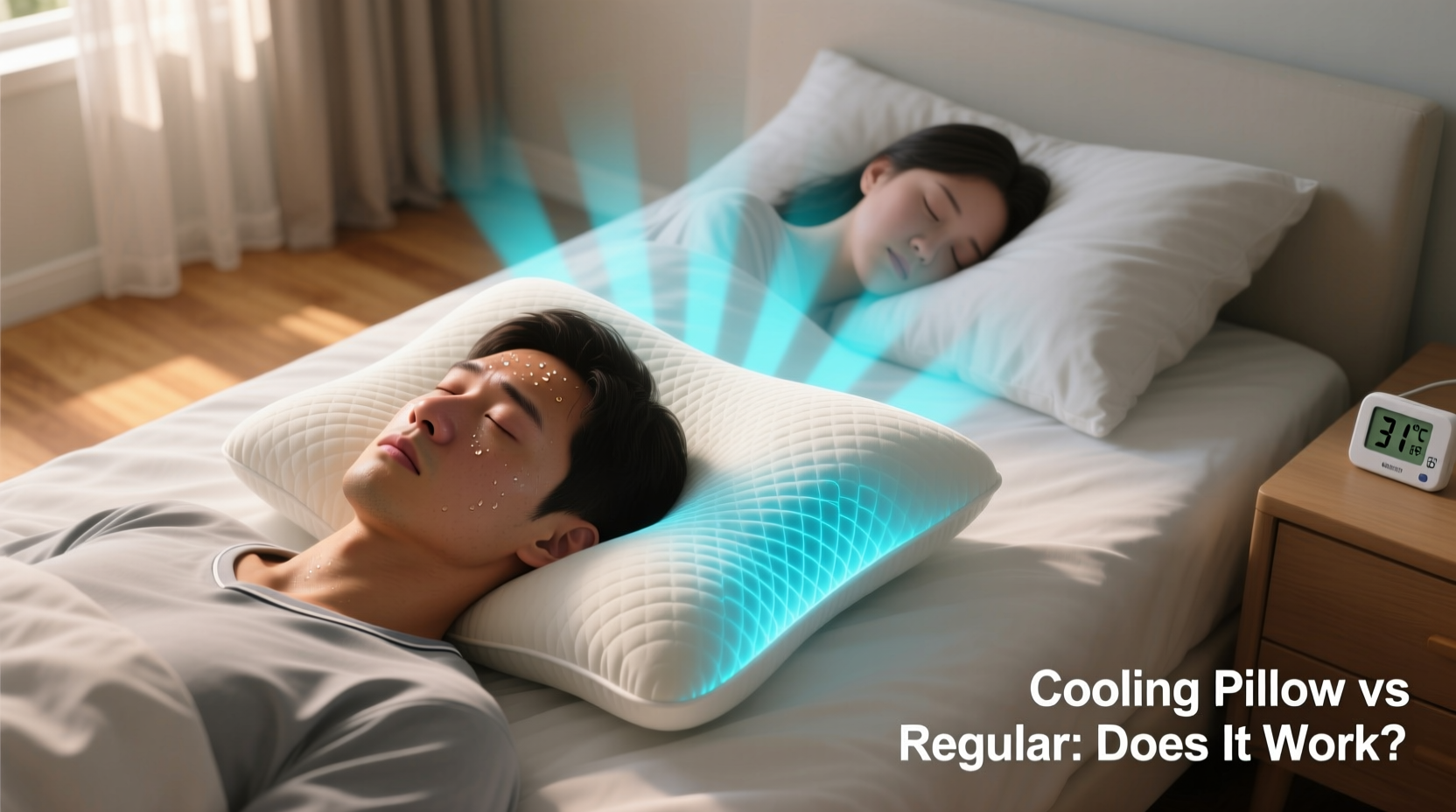
- Climate-Controlled Units: These address one of the most common sleep disruptors: thermoregulation. Using either water-circulating tubes or thermoelectric cooling, they maintain a precise temperature throughout the night.
The shift toward "active" technology is what differentiates 2026 models from the early prototypes of five years ago. We are seeing a move away from simple smartphone connectivity toward edge-computing AI that processes sleep data locally to make real-time physical adjustments.
Core Technologies: How Smart Pillows Function
The "hype" surrounding these products is often built on technical jargon. Understanding the underlying hardware is essential for determining if the device will actually perform as advertised.
Sensor Integration
Most high-end smart pillows utilize ballistocardiography (BCG). This is a non-invasive method of measuring the mechanical activity of the heart. Every time your heart beats, it causes a slight recoil in your body. Sensitive accelerometers within the pillow can detect these micro-movements, allowing the device to calculate heart rate and respiratory rate without the need for a wearable chest strap or watch.
Microphones and Snore Detection
Snore-canceling or snore-mitigating pillows use acoustic sensors to identify the specific frequency of snoring. In 2026, these are sophisticated enough to distinguish between a partner's snoring and the user's own. Once detected, the pillow utilizes a small, silent internal pump to adjust the loft (height) of the pillow, which can help open the sleeper’s airway.
Thermal Regulation
Temperature is a primary driver of sleep architecture. Research from the National Institute of General Medical Sciences suggests that a drop in core body temperature is a prerequisite for falling asleep. Smart pillows often use Peltier chips—small electronic components that transfer heat from one side of the device to the other—to create a "cool side" that never warms up.
The Benefits: Why Consumers Seek Smart Pillows
The primary draw of smart pillows is the promise of "optimized" sleep. In a society where sleep deprivation is linked to cognitive decline and cardiovascular issues, the value of an extra hour of deep sleep is high.
Addressing Obstructive Sleep Apnea and Snoring
For mild cases of snoring, smart pillows offer a non-invasive alternative to CPAP machines or mandibular advancement devices. By detecting the vibration of a snore and subtly changing the neck angle, the pillow can prevent the soft tissues in the throat from collapsing. This doesn't just benefit the sleeper; it significantly improves the sleep quality of their partner.
Data-Driven Sleep Hygiene
For the "Quantified Self" community, the data provided by a smart pillow is the main attraction. These devices offer detailed reports on sleep stages: Light, Deep, and REM. By correlating this data with external factors—like caffeine intake or exercise—users can identify patterns that are harming their rest.
Personalized Comfort
Traditional pillows are "one size fits all" or at best "one firmness fits all." Smart pillows with adjustable air chambers allow users to change the firmness and height via an app. This is particularly useful for "combination sleepers" who move from their back to their side during the night, as the pillow can theoretically detect the position change and adjust its height to maintain spinal alignment.
The Drawbacks: Why the Hype Often Falls Short
Despite the technological leaps, there are significant reasons to be cautious. The "worth" of a smart pillow is frequently undercut by several recurring issues.
The "Orthosomnia" Risk
A growing concern among sleep specialists is orthosomnia—an unhealthy obsession with achieving "perfect" sleep data. When users check their sleep scores every morning and see "poor" results, the resulting anxiety can actually make it harder to sleep the following night. The pillow becomes a source of stress rather than a tool for relaxation.
Hardware Limitations and Maintenance
Electronic components require power. This means your pillow either needs to be plugged into a wall outlet or recharged frequently. Cables near the bed can be a nuisance and a tripping hazard. Furthermore, cleaning a smart pillow is significantly more difficult than cleaning a standard one. While most have removable, washable covers, the internal electronic "core" cannot be laundered, leading to concerns about long-term hygiene and the accumulation of allergens.
Privacy and Data Security
In 2026, biometric data is incredibly valuable. Smart pillows collect intimate information: when you are in bed, your heart rate, and even recordings of sounds in the bedroom. Consumers must scrutinize the privacy policies of manufacturers. Is the data encrypted? Is it being sold to third-party insurance companies or advertisers? For many, the risk of a data breach in the bedroom is not worth the benefit of a sleep report.
Comparative Analysis: Smart Pillows vs. Traditional Solutions
To help decide if a smart pillow is right for you, it is helpful to compare the features of different tiers of sleep technology available in 2026.
| Feature | Standard Ergonomic Pillow | Mid-Range Smart Pillow | Premium Smart Pillow (2026) |
|---|---|---|---|
| Material | Memory Foam / Latex | Memory Foam / Sensors | Hybrid Foam / AI-integrated |
| Tracking | None | Movement & Heart Rate | Full Biometrics & Snore Detection |
| Intervention | Passive support | None (Manual adjustment) | Active Air-Chamber Adjustment |
| Temperature | Passive cooling gel | None | Active Thermoelectric Cooling |
| Connectivity | N/A | Bluetooth (App required) | Wi-Fi / Matter / Smart Home Sync |
| Price Range | $50 - $150 | $200 - $400 | $500 - $900+ |
| Lifespan | 2-3 years | 3-5 years | 5+ years (Replaceable parts) |
Is the Cost Justifiable?
The financial investment is perhaps the biggest hurdle. A premium smart pillow in 2026 can cost upwards of $600. To determine if this is "worth it," one should calculate the cost per night over a projected three-year lifespan. At $600, you are paying roughly $0.55 per night for the technology.
If that $0.55 per night results in:
- Reduced morning grogginess.
- Fewer headaches from neck misalignment.
- A partner who isn't woken up by snoring.
- Better management of a health condition through biometric monitoring.
Then, for many, the investment is justifiable. However, for a sleeper who already wakes up feeling refreshed and has no specific complaints, the technology offers "diminishing returns." The data becomes "noise" rather than actionable intelligence.
Common Mistakes When Buying a Smart Pillow
If you decide to proceed with a purchase, avoid these frequent pitfalls that lead to buyer's remorse:
- Ignoring the Physical Profile: People often get so caught up in the "smart" features that they forget the "pillow" part. If you are a side sleeper and buy a smart pillow that is too thin, no amount of sleep tracking will fix the neck pain caused by poor loft.
- Buying for Features You Won't Use: Do not pay for a pillow with built-in speakers if you prefer sleeping in silence or use high-quality earplugs.
- Underestimating the Learning Curve: Smart pillows require setup. You need to calibrate the sensors, connect to Wi-Fi, and often "train" the AI to recognize your snoring. If you aren't tech-savvy, the setup process can be frustrating.
- Neglecting the Return Policy: Sleep is highly subjective. A pillow that feels great for one person may be uncomfortable for another. Only purchase from manufacturers that offer a 30-to-90-day "sleep trial."
Frequently Asked Questions
Do smart pillows require a subscription?
In 2026, many manufacturers have moved toward a "hardware-as-a-service" model. While the basic tracking features are usually free, advanced AI analysis, long-term data trends, and cloud backups often require a monthly subscription fee, typically ranging from $5 to $15. Always check for hidden recurring costs before purchasing.
Are the electronics inside the pillow safe?
Yes, the electronics in modern smart pillows are designed with safety in mind. They use low-voltage DC power and are shielded to minimize Electromagnetic Field (EMF) exposure. Furthermore, materials are rigorously tested for flame retardancy, especially since the devices contain small batteries or power connectors.
Can a smart pillow replace a medical sleep study?
No. While smart pillows provide high-quality data, they are not medical-grade diagnostic tools. They can indicate "potential" issues like sleep apnea, but they cannot provide a clinical diagnosis. If you suspect you have a sleep disorder, you should consult a medical professional who may use findings from organizations like the American Academy of Sleep Medicine to guide your treatment.
How loud are the "active" features, like the air pumps?
In 2026, the internal pumps in high-end pillows are nearly silent, operating at sub-20 decibel levels. Most users find that the sound is masked by ambient room noise or white noise machines. However, extremely light sleepers may notice a subtle vibration or hum when the pillow adjusts.
Will a smart pillow work for all sleeping positions?
Most are designed to be "position-agnostic," but some models excel in specific areas. For example, pillows with active loft adjustment are particularly beneficial for side and back sleepers. Stomach sleepers may find the internal hardware of some smart pillows too firm or bulky for their preference.
Practical Recommendation: Who Should Buy?
The hype around smart pillows is justified only if you have a specific problem to solve.
Buy a smart pillow if: You are a chronic snorer, you consistently wake up because you are too hot, or you have a medical need to monitor your resting heart rate and respiratory patterns. In these cases, the active intervention technology provides a tangible return on investment that improves daily cognitive function and long-term health.
Skip the smart pillow if: You already sleep well and are simply curious about your "sleep score." For the average sleeper, a high-quality, non-electronic latex or memory foam pillow paired with a free or low-cost smartphone sleep-tracking app will provide 90% of the benefit at 10% of the cost.
Before committing, ensure you have a stable Wi-Fi connection in your bedroom and are comfortable with the privacy trade-offs inherent in 24/7 biometric monitoring. The "perfect" sleep of 2026 is attainable, but it requires as much savvy consumerism as it does advanced technology.