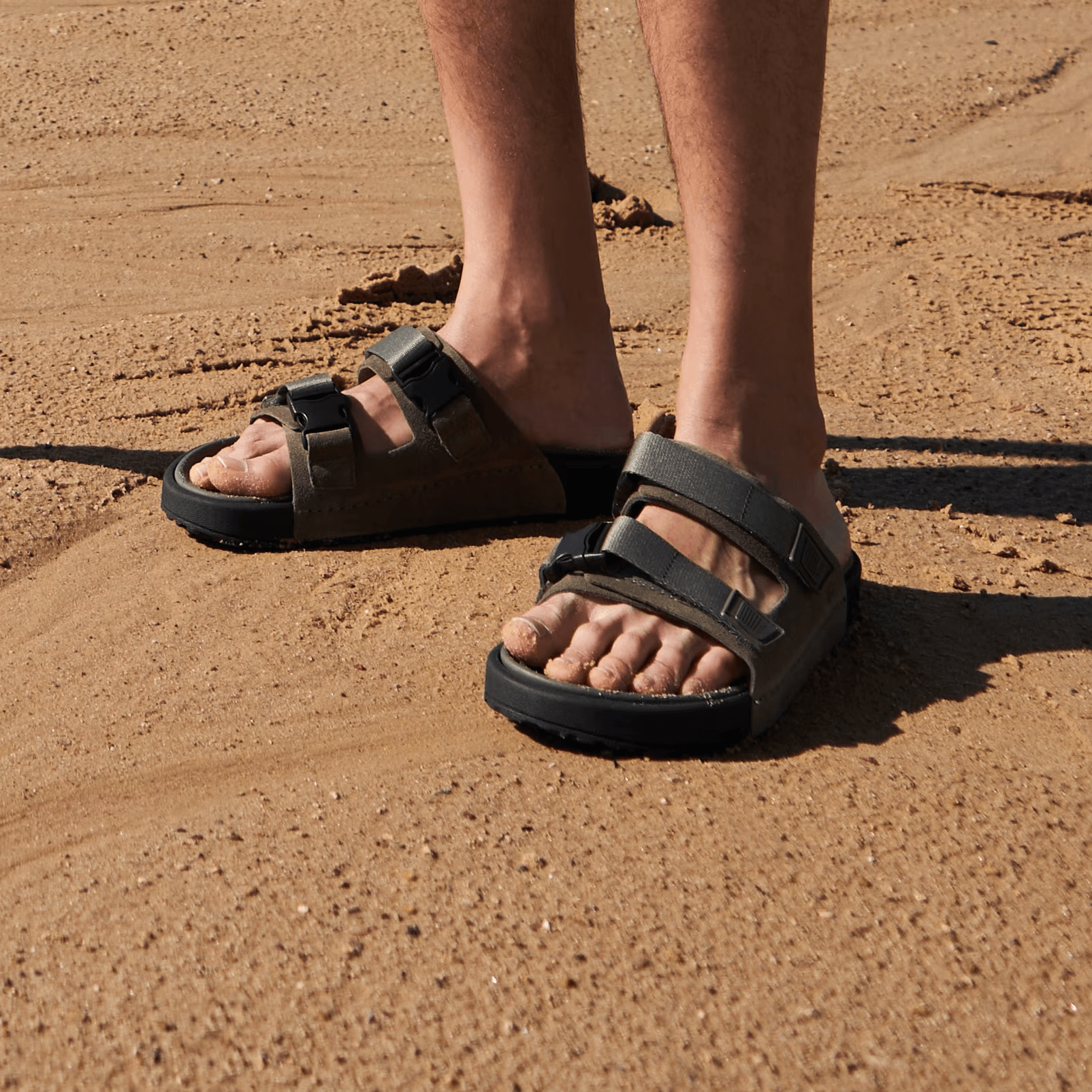
Skechers sandals are widely considered an excellent choice for individuals with bunions due to their focus on flexible materials, wide-toe box designs, and podiatrist-certified arch support. Collections like the Arch Fit and Relaxed Fit series specifically address the pressure and alignment issues that cause bunion pain, making them a top-tier footwear solution in 2026.
Bunions, or hallux valgus, are more than just a cosmetic concern; they are a structural deformity of the foot that can make finding comfortable summer footwear a significant challenge. The bony protrusion at the base of the big toe is highly sensitive to pressure, friction, and poor foot mechanics. For years, Skechers has positioned itself as a leader in comfort-focused footwear, but the question remains: do their sandals provide the specific medical and structural benefits required to manage bunion discomfort?
This comprehensive guide examines the technical aspects of Skechers sandal technology, evaluates specific collections for their bunion-friendliness, and provides expert advice on selecting the right pair for your foot health needs.
Understanding the Relationship Between Footwear and Bunions
To determine if Skechers sandals are "good" for bunions, we must first understand what a bunion requires from a shoe. A bunion occurs when the long bone (first metatarsal) shifts toward the inside of the foot, while the big toe moves toward the second toe. This creates a painful bump that can become inflamed when squeezed into narrow footwear.
For a sandal to be considered bunion-friendly, it must satisfy four primary criteria:
- Width in the Forefoot: There must be enough room so the sandal does not compress the metatarsophalangeal (MTP) joint.
- Flexible Upper Materials: Soft fabrics like engineered knits or soft leathers prevent "hot spots" and friction against the bony protrusion.
- Arch Support: Proper support helps redistribute weight away from the forefoot, reducing the pressure on the big toe joint.
- Strap Placement: Straps should either avoid the bunion entirely or be made of a stretchy material that accommodates the shape of the foot without digging in.
Skechers addresses these needs through several proprietary technologies developed in collaboration with podiatrists and based on decades of foot-scan data.
Key Skechers Technologies for Bunion Relief
As of 2026, Skechers has refined several key technologies that make their sandals particularly suitable for those suffering from bunions. Understanding these terms will help you navigate their vast catalog.
Arch Fit Technology
The Arch Fit system is perhaps the most significant advancement for bunion sufferers. Developed with over 20 years of data and 120,000 unweighted foot scans, this podiatrist-certified support system features a removable or integrated insole that molds to your foot. For someone with bunions, arch support is critical because it helps correct overpronation—the inward rolling of the foot that often accelerates bunion progression. By stabilizing the arch, the pressure is more evenly distributed across the entire foot rather than being concentrated on the big toe joint.
Relaxed Fit and Wide Fit Options
One of the most common mistakes bunion sufferers make is wearing shoes that are too narrow. Skechers' "Relaxed Fit" design maintains a medium width in the heel but provides a roomier, wider toe box. This "extra room" is often exactly what is needed to accommodate a bunion without the need to size up (which can lead to other issues like blisters from a loose heel). Furthermore, many Skechers sandal models are available in true "Wide Fit" (D for women, 2E/4E for men), ensuring that even severe bunions have adequate space.
Stretch Fit and Engineered Knit Uppers
Many Skechers sandals, such as the On-the-GO and GoWalk lines, utilize "Stretch Fit" technology. These uppers are made from woven fabrics that behave like a sock. Unlike rigid leather or synthetic straps that can cut into a bunion, these materials expand and contract with the foot's movement. This elasticity is vital for managing the fluctuating swelling that often accompanies bunion pain throughout a long day of walking.
Max Cushioning and Hyper Burst
While support is vital, cushioning provides the immediate relief many seek. The Max Cushioning platform and Hyper Burst midsoles offer high-rebound response. This minimizes the impact force on the MTP joint during the "toe-off" phase of your stride. By softening the ground impact, these technologies reduce the inflammatory response in the bunion area.
Top Skechers Sandal Collections for Bunions in 2026
Not every Skechers sandal is created equal. Some fashion-forward models with thin, rigid straps may still cause discomfort. To find the best options, focus on these specific collections.
1. Skechers Arch Fit Sunshine and City Catch
These models are often the "gold standard" for bunion-friendly sandals. They typically feature a soft, stretchable fabric upper that covers the forefoot without restrictive seams. The integration of the Arch Fit footbed ensures that your foot remains aligned, preventing the "splaying" that can make bunion pain worse.
2. Skechers GoWalk Sandals
Designed for high-performance walking, GoWalk sandals use Goga Mat technology (inspired by yoga mats) for the footbed. They are incredibly lightweight and flexible. The "Arch Fit GoWalk" hybrids are particularly effective because they combine the flexibility of a sports sandal with the structural integrity of a corrective orthotic.
3. Skechers Reggae and Reggae Slim
For those who need an outdoor or "sport" sandal, the Reggae line offers adjustable straps. The "Reggae Slim" models often feature multiple thin, stretchy straps. This is advantageous because the straps can move independently to accommodate the unique contours of a bunion. Additionally, the contoured footbed provides a deep heel cup, which aids in stabilizing the foot.
4. Skechers Foamies
While traditionally seen as casual beachwear, the modern Foamies line (specifically those with Arch Fit) provides a waterproof solution for bunion sufferers. The EVA material is soft and forgiving, though users should ensure they choose models with adjustable straps to avoid any rubbing on the big toe joint.
Technical Comparison of Bunion-Friendly Features
The following table compares the primary Skechers sandal lines based on the features most relevant to bunion management.
| Collection | Primary Benefit | Support Level | Upper Material | Adjustable? |
|---|---|---|---|---|
| Arch Fit | Podiatrist-certified alignment | High | Stretch Knit / Leather | Often No (Slip-on) |
| GoWalk | Lightweight flexibility | Medium | Engineered Mesh | Some models |
| Relaxed Fit | Wide toe box / Roomy forefoot | Medium | Various | Yes |
| Reggae | Stability and trail-ready | High | Webbing / Synthetic | Yes (Highly) |
| Max Cushioning | Maximum shock absorption | Medium/High | Textile | Some models |
Potential Drawbacks and Considerations
While Skechers sandals are generally excellent for bunions, there are a few caveats to keep in mind.
Lateral Stability: Some of the most cushioned models (like Max Cushioning) have a high stack height. If you have severe bunions and also suffer from weak ankles or significant overpronation, the high cushion can sometimes feel unstable. In these cases, a firmer Arch Fit or Reggae model might be preferable to a GoWalk model.
Strap Placement: Always inspect where the straps cross the foot. Even in a comfort brand like Skechers, some designs may have a buckle or a seam that sits directly atop the bunion. If you cannot try them on in person, look for "Stretch Fit" labels, as these are the most likely to be forgiving of the joint's shape.
Durability: Because many bunion-friendly Skechers use soft, knitted materials, they may wear out faster than traditional leather sandals if used for heavy hiking or in rough terrain. They are optimized for urban walking and casual wear.
Professional Advice Limitation: While Skechers sandals provide significant relief, they are not a "cure" for bunions. Bunions are a progressive deformity. If you experience numbness, severe pain that prevents walking, or signs of infection, you must consult a podiatrist or orthopedic surgeon. Footwear can manage symptoms and slow progression, but it cannot reverse the underlying bone structure.
How to Choose the Correct Size
When shopping for Skechers sandals for bunions in 2026, the sizing strategy is slightly different than for standard feet.
- Don't automatically size up: Many people buy a size too large to get more width. This leads to the arch support being in the wrong place, which can actually worsen foot pain.
- Look for the "Wide" tag: Skechers is very consistent with their Wide Fit (D for women). If your bunion is prominent, a Wide Fit in your true length is always better than a Medium Fit in a larger size.
- Check the "Stretch" factor: If a sandal is labeled "Stretch Fit," you can usually stick to your standard size, as the fabric will expand specifically around the bunion while staying secure at the heel.
Expert Tips for Managing Bunions in Sandals
Wearing the right sandals is the first step, but you can enhance your comfort with these additional strategies:
- Toe Spacers: Many Skechers sandals have enough room to accommodate a small silicone toe spacer. This helps keep the big toe aligned while you walk, further reducing the strain on the joint.
- Gradual Break-in: Even though Skechers are known for "out-of-the-box comfort," if you have sensitive bunions, wear your new sandals for 2-3 hours at a time for the first few days to ensure no hidden friction points emerge.
- Ice After Long Walks: If you've been on your feet all day, even in supportive sandals, the bunion joint may become inflamed. Icing the area for 15 minutes can reduce swelling and pain.
Frequently Asked Questions
Do Skechers sandals come in wide widths?
Yes, many Skechers sandal models, particularly in the GoWalk and Arch Fit lines, are available in Wide Fit. For women, this is a 'D' width, and for men, it can range from '2E' to '4E'. Choosing a wide width is often the most effective way to ensure the sandal does not put pressure on a bunion.
Can I wear orthotics with Skechers sandals?
Most sandals are not designed to hold a separate orthotic. However, the Skechers Arch Fit collection features a podiatrist-designed footbed that is intended to function like an orthotic. In some closed-back sandal models, the insole may be removable, but for most open sandals, the built-in support is designed to be sufficient on its own.
Which Skechers technology is best for big toe pain?
The Arch Fit combined with Stretch Fit uppers is the best combination for big toe (MTP joint) pain. The Arch Fit stabilizes the foot to prevent excessive pressure on the big toe, while the Stretch Fit ensures the material doesn't rub against the sensitive joint.
Are Skechers sandals durable enough for all-day walking?
Generally, yes. Skechers designs their GoWalk and Arch Fit sandals specifically for high-mileage walking. However, sandals with knit uppers are more prone to stretching over time compared to leather. For maximum durability during all-day use, look for models with synthetic or webbing straps, like the Reggae series.
How do I know if a specific Skechers sandal will rub my bunion?
Look at the "strap geometry." Avoid sandals with a single, thick, non-adjustable strap that crosses directly over the widest part of your foot. Instead, look for sandals with "criss-cross" straps or those made of "Stretch Fit" fabric, as these are designed to move with your foot rather than resist it.
Final Recommendation
For most individuals dealing with bunions in 2026, Skechers Arch Fit sandals with Stretch Fit uppers represent the best balance of medical-grade support and daily comfort. The Arch Fit system addresses the mechanical causes of bunion pain by supporting the arch and heel, while the Stretch Fit fabric accommodates the physical deformity without the pain of friction.
If you require a sandal for active outdoor use, the Skechers Reggae line is a superior choice due to its adjustability and rugged outsole. However, for general walking, travel, and daily errands, the GoWalk Arch Fit series remains the most recommended option for its lightweight construction and pressure-relieving footbeds. Always prioritize the "Wide Fit" option if available to ensure your foot has the necessary space to function naturally.