Spotify Premium is widely considered worth the investment for active music listeners because it eliminates intrusive advertisements, enables high-quality 320kbps audio, and allows for unlimited offline downloads across multiple devices. For users who rely on algorithmic discovery and seamless cross-device playback, the subscription provides a level of control and audio fidelity that the restricted Free tier cannot match.
The landscape of music streaming has shifted significantly by 2026. While the basic premise of streaming remains the same, the competition for your monthly subscription fee has intensified. Deciding whether "Spotify Premium songs"—meaning the access and quality afforded by the paid tier—are worth the cost requires a look at technical specifications, user experience benefits, and the financial reality of modern digital subscriptions.
The Technical Reality: Bitrate and Audio Quality
One of the most immediate justifications for a Spotify Premium subscription is the leap in audio quality. While the casual listener using basic earbuds might not notice a massive difference, anyone with mid-range headphones or a decent home audio system will find the Free tier lacking.
Spotify uses the Ogg Vorbis format for its streaming. On the Free tier, web player bitrates are typically capped at 128kbps, while the mobile app defaults to "Standard" (96kbps) or "High" (160kbps). Premium users, however, have access to "Very High," which streams at 320kbps.
Why 320kbps Matters
At 160kbps, audio compression often results in a loss of high-frequency detail and a "muddied" soundstage. Percussive elements like cymbals may sound "crunchy" or digitized. By upgrading to 320kbps, the audio becomes much closer to CD quality. In 2026, as more users adopt high-fidelity (Hi-Fi) Bluetooth codecs like LDAC and aptX Lossless, the limitations of lower-bitrate streams become even more apparent. If you are paying for premium hardware, feeding it low-quality audio from a free account is a bottleneck to your listening experience.
The Cost of "Free": Advertisements and Interruption
The primary "price" of Spotify Free is not money, but your time and attention. Spotify’s advertising model is designed to be disruptive enough to encourage upgrading. These interruptions usually occur every 15 to 30 minutes and often include multiple back-to-back spots.
Beyond the sheer annoyance, advertisements break the immersion of curated listening. For users who utilize Spotify for deep work, meditation, or high-energy workouts, a loud advertisement for a local car dealership can ruin the flow state. Premium removes these interruptions entirely, allowing for a continuous stream of music. In 2026, Spotify's ad-insertion technology has become even more targeted, but for many, the psychological relief of an ad-free environment is the single greatest reason to pay the monthly fee.
Offline Listening and Data Management
The ability to download songs is a cornerstone of the Premium value proposition. For commuters, travelers, or those with limited data plans, the "worth" of Premium is often measured in gigabytes saved.
How Offline Downloads Work
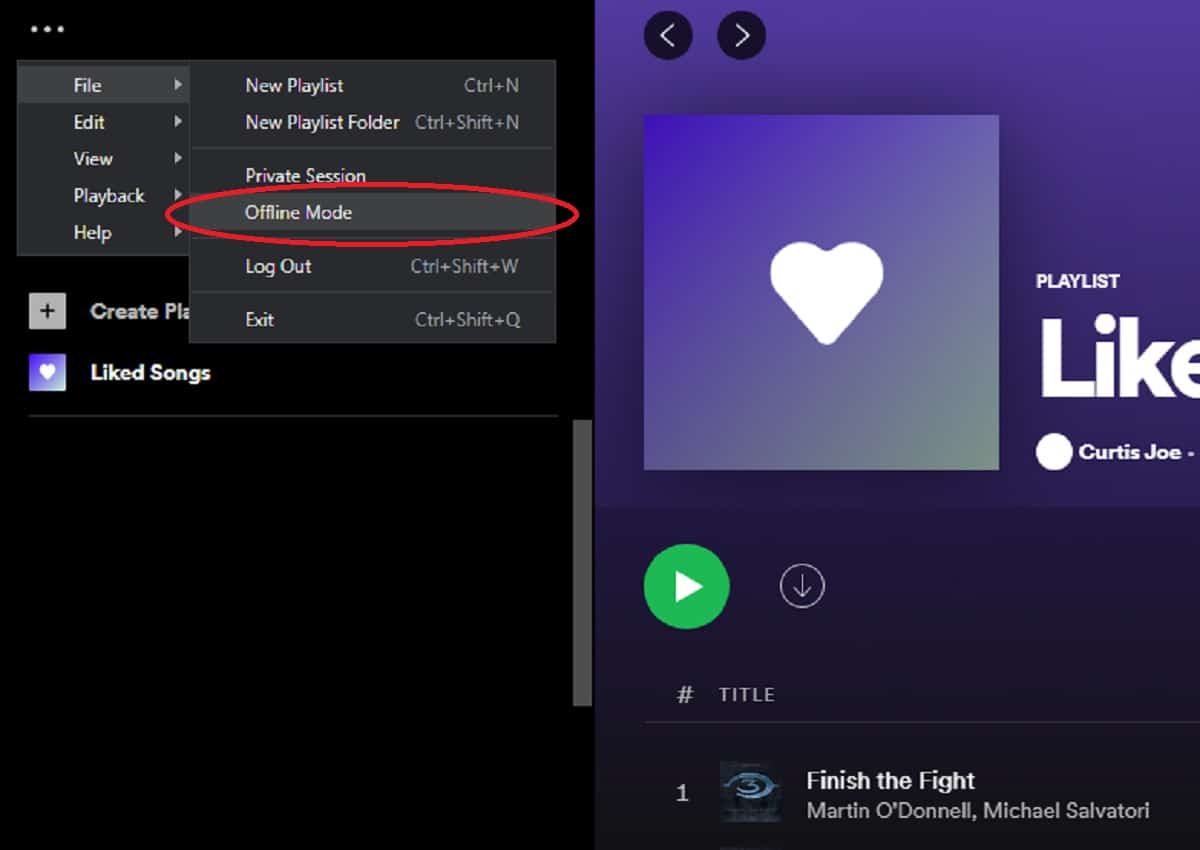
Premium allows users to download up to 10,000 songs on each of up to five different devices. These aren't permanent files you can move to an MP3 player; they are encrypted cache files that stay on your device as long as you have an active subscription and connect to the internet at least once every 30 days.
This feature is essential for:
- Air Travel: Accessing your entire library at 35,000 feet without paying for expensive in-flight Wi-Fi.
- Rural Areas: Maintaining playback in "dead zones" where cellular signals drop.
- Data Savings: Downloading your favorite playlists over home Wi-Fi to avoid high mobile data overage charges.
In a world where unlimited high-speed data is common but not universal, the reliability of offline "Premium songs" remains a top-tier feature.
User Control: The End of Forced Shuffle
On the Spotify Free mobile app, users are largely restricted to "Shuffle Play" for most playlists and albums. You cannot pick a specific song and play it instantly; instead, you must shuffle the collection and hope your desired track appears, or use your limited number of "skips."
Premium grants Total Playback Control. This means:
- On-Demand Playback: You can tap any song, anywhere, and it plays instantly.
- Unlimited Skips: If you aren't feeling a particular track, you can skip as many times as you like.
- Custom Sequencing: You can reorganize the "Play Queue" on the fly, a feature that is severely limited on the Free tier.
For album enthusiasts who believe a record should be heard in the order the artist intended, the mobile Free tier is essentially unusable. Premium restores the intended artistic experience.
The 2026 Pricing Structure: Is the Price Right?
As of 2026, Spotify has adjusted its pricing several times to account for inflation and expanded content offerings like audiobooks and high-end podcasts. The "worth" of the subscription depends heavily on which plan you qualify for.
| Plan Type | Estimated Monthly Cost (2026) | Best Suited For | Key Value Driver |
|---|---|---|---|
| Individual | $11.99 - $12.99 | Single users | Ad-free, 320kbps audio, offline mode. |
| Duo | $16.99 - $17.99 | Couples/Roommates | Two independent accounts for a discounted bulk price. |
| Family | $19.99 - $21.99 | Households (up to 6) | Lowest per-user cost; includes Spotify Kids app. |
| Student | $5.99 - $6.99 | Verified Students | Massive discount; often bundled with other services. |
When analyzing these costs, consider your usage. If you listen for 40 hours a month (roughly 1.3 hours a day), an Individual plan at $11.99 costs you about $0.30 per hour. For many, this is a negligible price for unlimited, high-quality entertainment.
Comparison with Competitors (Apple Music, YouTube Music, Tidal)
To determine if Spotify Premium is worth it, one must look at the alternatives available in 2026.
- Apple Music: Often includes Lossless and Spatial Audio (Dolby Atmos) at no extra cost. If you are an audiophile with high-end wired equipment, Apple Music may offer more technical value.
- YouTube Music: This is often bundled with YouTube Premium (ad-free video). If you watch a lot of YouTube, the "worth" of Spotify Premium diminishes because you can get an ad-free video and music experience for one price elsewhere.
- Tidal: Continues to target the "pro" audio market. While Spotify is the king of discovery and social features, Tidal often pays higher royalties to artists, which may be a deciding factor for ethically-minded consumers.
Spotify’s primary edge in 2026 remains its algorithm. "Discover Weekly," "Release Radar," and the "AI DJ" are generally considered superior to competitor offerings. If you value finding new music that matches your taste perfectly, the Spotify subscription fee is essentially a payment for a highly sophisticated personal music curator.
The Social and Ecosystem Factor
Spotify is more than just a music player; it is a social network for audio. Features like Spotify Wrapped, Jam (real-time collaborative listening), and Shared Blends create a sense of community.
While some of these features are available to Free users, the experience is significantly degraded by ads and playback restrictions. For example, participating in a "Jam" session at a party is much more seamless when you have Premium, as you don't have to worry about your "vote" for the next song being interrupted by a 30-second ad on your own device.
Furthermore, Spotify Connect allows Premium users to switch playback between speakers, TVs, and computers with zero latency. While this exists on Free, it is often more stable and feature-rich for Premium subscribers, making it the "remote control" for your home’s audio ecosystem.
Common Limitations and "Deal-Breakers"
Despite the benefits, Spotify Premium isn't for everyone. Here are reasons why it might not be worth it for you:
- The "Casual" Listener: If you only listen to the radio in your car and occasionally put on a "Top 50" playlist while cleaning the house, the Free tier’s shuffle mode may be perfectly acceptable.
- The Lossless Debate: Even in 2026, Spotify has been slower than Apple or Amazon to roll out widespread, affordable Lossless audio to all users. If your ears are trained to hear the difference between 320kbps and 1411kbps (CD quality), and Spotify hasn't updated your specific region/tier, your money might be better spent elsewhere.
- Subscription Fatigue: With the rise of numerous streaming services for video, gaming, and software, adding another $12/month can be a burden. If you already pay for YouTube Premium, the incremental benefit of Spotify Premium may not justify the cost.
Summary of Benefits: Why Most Users Say "Yes"
For the vast majority of users, the transition from Free to Premium is a "one-way street"—once you experience the lack of ads and the freedom of choice, going back feels restrictive. The "worth" of Spotify Premium songs is found in the frictionless experience. You are paying for the removal of barriers between you and your music.
Whether it's the higher bitrate providing a richer sound, the ability to download a 500-song playlist before a flight, or the simple joy of playing a specific song on your phone without it being shuffled into a "similar artists" queue, the utility of Premium remains high in 2026.
Frequently Asked Questions
Does Spotify Premium sound better than Spotify Free?
Yes. Spotify Premium allows for a "Very High" quality setting of 320kbps, which is double the maximum 160kbps offered on the mobile Free tier. This higher bitrate results in clearer audio, better bass definition, and more detail in the high frequencies.
Can I keep my downloaded songs if I cancel Premium?
No. Downloaded songs are part of the Spotify Premium subscription. If your subscription ends or lapses, the encrypted files on your device will become inaccessible, and your account will revert to the Free, ad-supported tier with shuffle-only playback on mobile.
Is the Spotify Student discount still worth it in 2026?
Absolutely. The Student plan remains one of the best values in the streaming industry. It typically offers the full Premium experience at roughly half the price, and in many regions, it still includes bundled access to other entertainment services like Hulu or specialized 2026 partner apps.
How much data does streaming "Very High" quality use?
At the 320kbps setting, Spotify uses approximately 2.4 MB of data per minute of music. This translates to about 144 MB per hour. If you have a limited data plan, using the "Download" feature on Wi-Fi is highly recommended to avoid high usage.
Does Spotify Premium include Hi-Fi or Lossless audio?
As of 2026, Spotify has introduced various "Supremium" or Hi-Fi tiers in specific markets. While standard Premium offers 320kbps (which is high-quality compressed audio), true Lossless audio often requires an additional add-on or a specific higher-tier subscription depending on your current region's offerings.
Can I share my Spotify Premium account with someone else?
If you have an Individual plan, you can only stream on one device at a time. Sharing your login with another person will cause your music to stop when they start theirs. To share legally and simultaneously, you should look into the Spotify Duo or Spotify Family plans, which provide separate accounts for each person.
Practical Recommendation
If you spend more than 30 minutes a day listening to music or podcasts, Spotify Premium is likely worth the cost. To maximize your value, check if you qualify for a Student discount or if you can split a Family or Duo plan with members of your household. For those who prioritize audio quality above all else, ensure you navigate to your app settings and manually toggle "Streaming Quality" to Very High, as the app often defaults to "Automatic" to save data.