The status of Prince Andrew, Duke of York, and Sarah Ferguson, Duchess of York, remains one of the most enduring subjects of public fascination within the British Royal Family. While they have been officially divorced since 1996, the couple maintains a uniquely close, non-traditional relationship, continuing to live together at the Royal Lodge in Windsor as of 2026.
The Historical Context of the Relationship
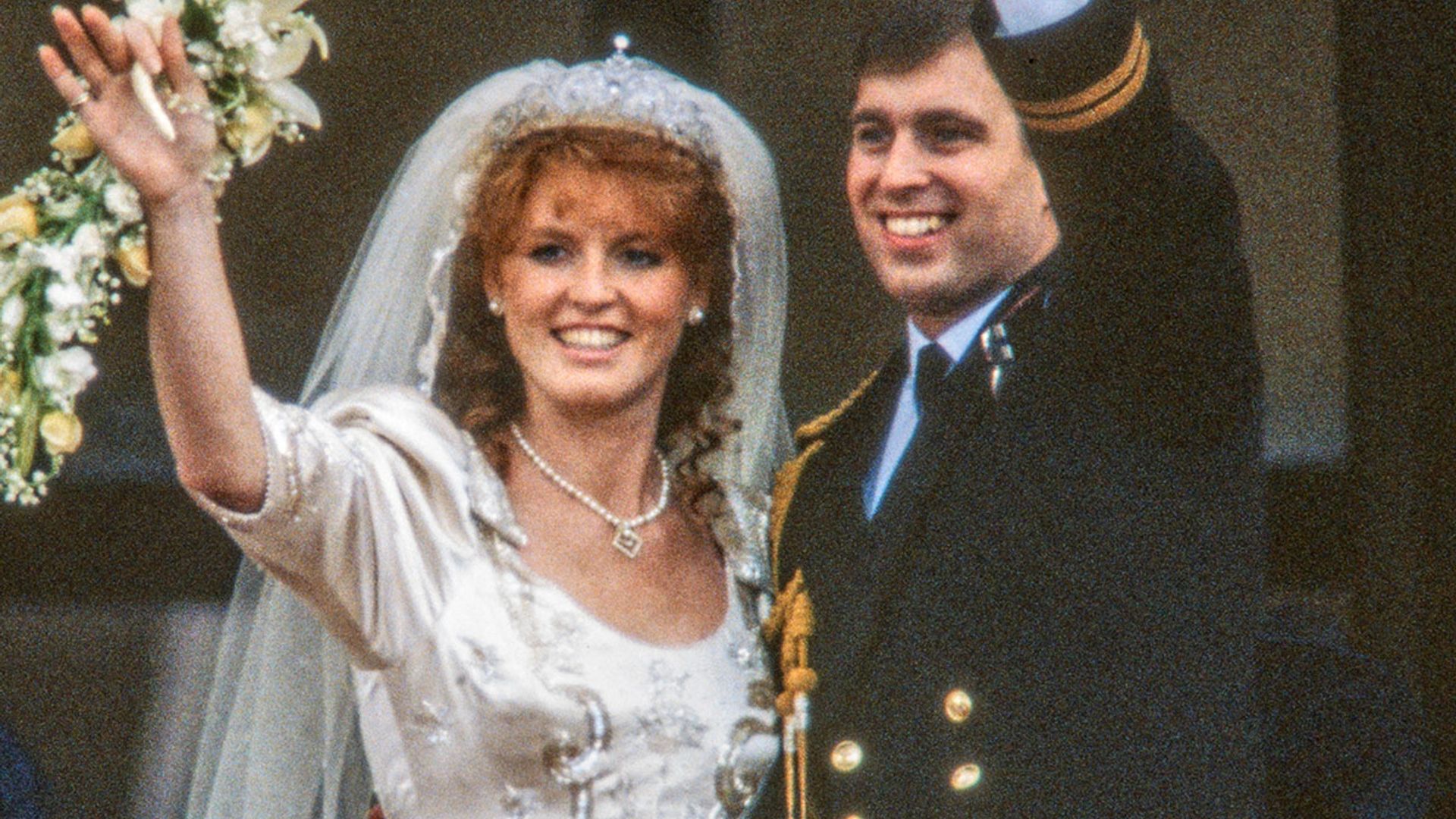
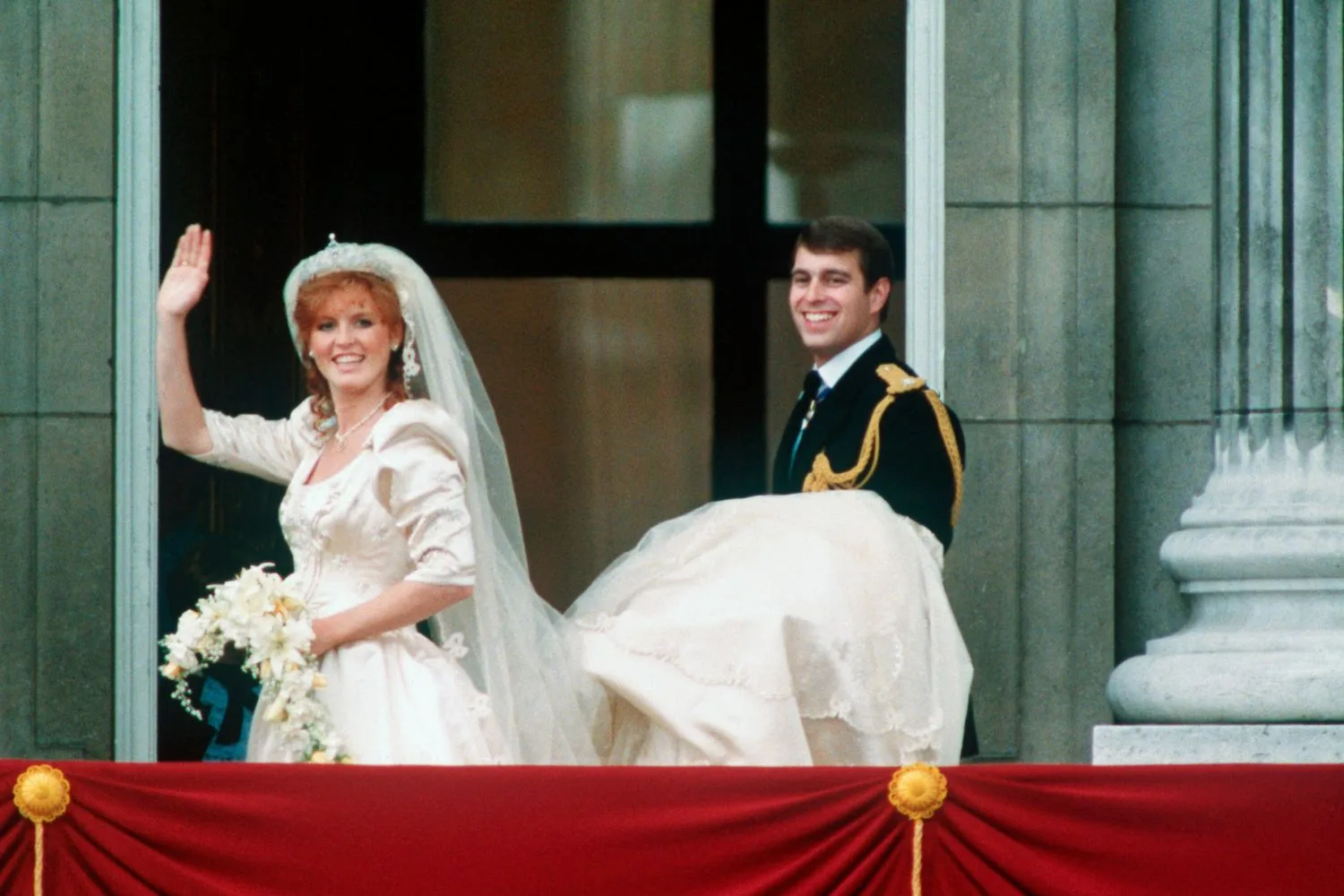
To understand the current status of Prince Andrew and Sarah Ferguson, one must examine the timeline of their union and subsequent separation. Married in a high-profile ceremony at Westminster Abbey on July 23, 1986, the couple was once considered the vibrant, modern face of the monarchy. They welcomed two daughters, Princess Beatrice and Princess Eugenie, in 1988 and 1990, respectively.
The pressures of public life, combined with the intense scrutiny of the British press and the demands of Prince Andrew’s naval career, placed significant strain on the marriage. By 1992, the couple announced their separation, and after four years of living apart, they finalized their divorce in May 1996. Unlike many royal separations, however, the divorce was notably amicable. Both parties frequently emphasized their commitment to co-parenting and mutual support. In the decades that followed, they remained constants in each other's lives, often appearing together at royal events, sporting engagements, and family gatherings.
Defining Their Current Living Arrangements
As of 2026, the central point of interest regarding their relationship is their cohabitation. Prince Andrew has held a long-term lease on the Royal Lodge, a sprawling property on the Crown Estate in Windsor. Sarah Ferguson, despite their divorce, has remained a fixture at the residence.
Public discourse often attempts to categorize their living situation into binary definitions—either "reconciled" or "separated"—but their dynamic defies such labels. They have frequently described themselves in interviews as "the happiest divorced couple in the world." This arrangement is built upon a foundation of shared parenting responsibilities and a deep, platonic companionship that has persisted through the various controversies surrounding Prince Andrew's public life. Their cohabitation is largely viewed by royal observers as a reflection of their shared commitment to family stability, particularly for their daughters and their growing group of grandchildren.
The Role of Co-Parenting and Family Unity
A significant driver behind their sustained bond is their dedication to their roles as parents and grandparents. Even in the years following the official dissolution of their marriage, they presented a united front. This strategy was not merely a matter of private preference; it was an exercise in maintaining a stable environment for Princess Beatrice and Princess Eugenie.
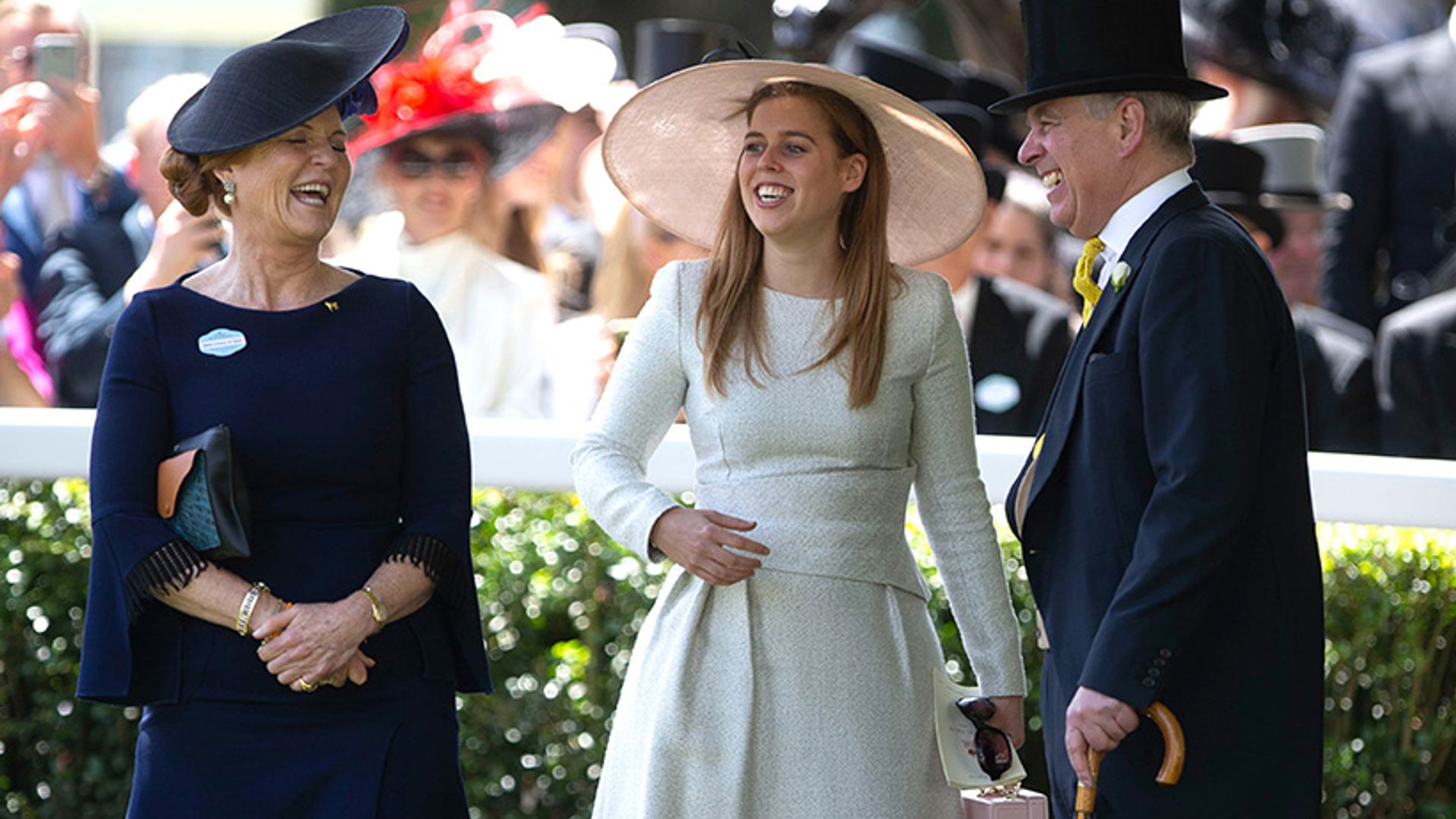
Throughout the 2010s and into the mid-2020s, this unity became increasingly public. Whether attending the Royal Ascot or marking milestones for their children, they consistently functioned as a pair. This cohesion has extended to their wider family circle, including their sons-in-law and grandchildren. For the Duchess of York, supporting Prince Andrew has remained a consistent theme, even during periods when the Duke faced severe reputational challenges and was stripped of his honorary military titles and patronages. She has consistently defended his character in the media, reinforcing a narrative of unwavering loyalty that has characterized their post-divorce era.
Comparative Analysis of Royal Marital Dynamics
The relationship between the Duke and Duchess of York stands in stark contrast to the traditional outcomes of royal divorces. Historically, when a royal marriage ends, the parties typically separate their estates and public lives entirely.
| Feature | Typical Royal Divorce Model | The York Model |
|---|---|---|
| Living Situation | Separate residences | Cohabitation (Royal Lodge) |
| Public Appearances | Rare or strictly managed | Frequent joint appearances |
| Media Stance | Formal distance | Active mutual defense |
| Family Focus | Individual parenting | Collaborative family unit |
This comparison highlights why the public remains captivated by the question of their status. While most divorced couples move toward independent social circles, the Yorks have effectively created a lifestyle that keeps their lives inextricably linked. This "York Model" is characterized by a high degree of transparency regarding their affection for one another, yet a firm insistence that they are not "remarried" in any formal or romantic sense.
Understanding the "Divorced but Together" Label
The fascination with whether they are "together" stems from a societal expectation that divorce necessitates a clean break. However, the Duke and Duchess have operated under the premise that their partnership is distinct from the legal contract that bound them in 1986.
Sociologists and royal biographers often point to the concept of the "conscious uncoupling" or, in this case, a deliberate maintenance of the family unit. Because both parties remain deeply rooted in the institutional orbit of the House of Windsor—despite the Duke’s reduced public role—their shared residence serves as a base of operations for their continued professional and personal activities. For the Duchess, who has pursued a successful career as an author and philanthropist, the stability offered by the Royal Lodge appears to provide the necessary structure to balance her independent pursuits with her responsibilities as a grandmother.
Key Factors Supporting Their Ongoing Bond
Several practical and emotional factors contribute to the longevity of their connection:
- Shared History and Shared Adversity: Both have weathered intense media scrutiny for decades. This shared experience creates a bond that is difficult for outsiders to replicate or fully comprehend.
- Financial and Estate Stability: The Royal Lodge is a large, historically significant estate that requires ongoing management. Their partnership allows for the continuity of the household’s maintenance and administrative requirements.
- Internal Family Dynamics: Within the broader Royal Family, the Yorks operate as a distinct unit. By maintaining their bond, they simplify logistics for holiday gatherings and family ceremonies.
- Resilience to Public Opinion: Neither the Duke nor the Duchess has allowed public speculation about their relationship status to dictate their personal decisions. This independence from outside pressure has allowed them to continue their arrangement regardless of shifts in public favor.
Addressing Misconceptions and Speculation
It is essential to clarify that "being together" in the context of the Duke and Duchess of York does not equate to a traditional, romantic relationship. The term "together" is used by them to describe a profound, enduring friendship that survives the legal and social constraints of divorce.
Many onlookers search for clues of an imminent remarriage, yet there has been no official indication or desire to return to the legal state of matrimony. The current arrangement provides the benefits of companionship and familial support without the complexities of a formal union. This nuance is often missed in tabloids that prioritize a "will-they-or-won't-they" narrative, which fails to account for the reality that they have already established a durable, non-traditional status that works for them.
Frequently Asked Questions
Are Prince Andrew and Sarah Ferguson currently married? No, they are officially divorced. Their marriage was dissolved in 1996, and they have remained divorced for three decades.
Why do they continue to live together at the Royal Lodge? They have both stated that they maintain a very close friendship and have chosen to continue living under the same roof to support their family and maintain a stable environment for their children and grandchildren.
Have they ever considered remarrying? They have not publicly pursued remarriage. They often describe their relationship as being in a unique position where they are no longer married but remain deeply connected, which they seem to prefer over the traditional legal boundaries of marriage.
Does the King approve of their living arrangement? The residence at the Royal Lodge is a private leasehold arrangement. While the specifics of internal royal family discussions are private, the couple has remained at the residence for many years, suggesting that their living situation is generally managed within the context of their status and the family's broader estate requirements.
How do their children, Beatrice and Eugenie, view the relationship? Princess Beatrice and Princess Eugenie have frequently spoken about their parents' close bond. They have characterized their parents' relationship as supportive and loving, emphasizing that the family unit remains strong despite the divorce.
Is their relationship purely platonic? Both Prince Andrew and Sarah Ferguson have framed their relationship as one of deep friendship and support. They have not labeled it in romantic terms since their divorce, preferring the description of being a committed, cooperative, and close-knit family unit.
Recommendation for Further Understanding
To fully grasp the dynamics at play, one should distinguish between the legal reality—a finalized divorce—and the personal reality—a life of shared residence and mutual support. For those observing royal life, the case of the Duke and Duchess of York serves as a primary example of how family structures can evolve and persist beyond the parameters of a legal union. If you are seeking to track the latest developments, rely on primary announcements regarding the Crown Estate’s property management and verified statements from the Duchess’s public relations representatives, rather than speculative media commentary.