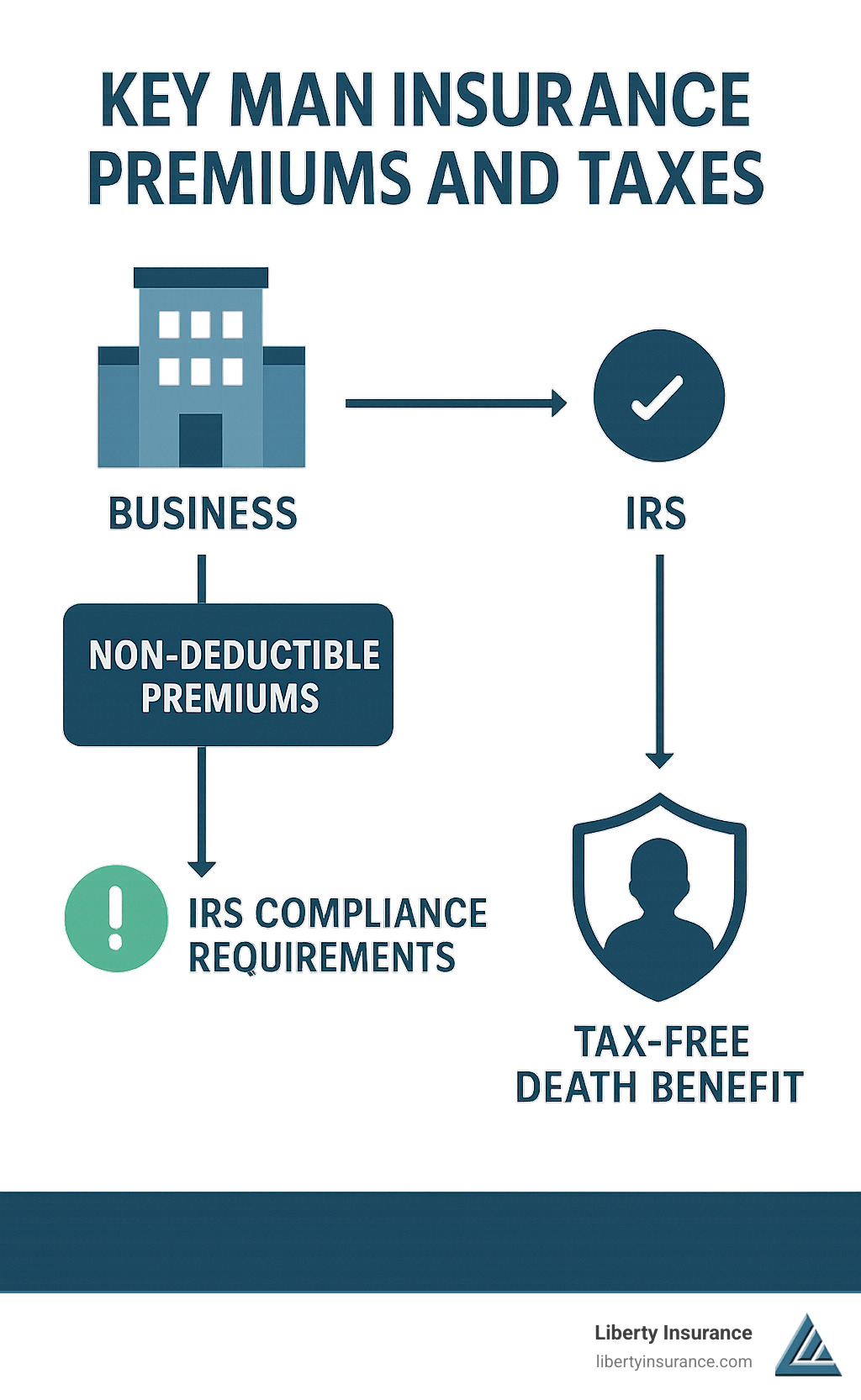
Medical insurance premiums and workers' compensation costs are generally tax-deductible, but the eligibility depends strictly on your status as an employer, an employee, or a self-employed individual. For the 2026 tax year, business owners can deduct workers' compensation premiums as a necessary business expense, while health insurance deductibility varies based on how the premiums are paid and whether you itemize deductions.
Understanding the Tax Treatment of Medical Insurance Premiums
The tax treatment of medical insurance premiums is one of the most complex areas of the U.S. tax code because it changes significantly depending on your employment structure. For most Americans in 2026, health insurance represents a significant annual expenditure, making the pursuit of tax relief a high priority.
For the Self-Employed and Business Owners
If you are self-employed, a partner in a partnership, or a more-than-2% shareholder in an S-Corporation, you may be eligible for the self-employed health insurance deduction. This is a particularly powerful tax tool because it is an "adjustment to income" rather than an itemized deduction. This means you can claim the deduction regardless of whether you take the standard deduction or itemize on Schedule A.
To qualify for this deduction in 2026, you must meet two primary criteria:
- Net Profit Requirement: You must have a net profit from your business for the year. If your business records a loss, you generally cannot claim this specific deduction. The deduction is limited to the amount of net income the business earns.
- No Other Coverage: You cannot claim this deduction for any month in which you were eligible to participate in a subsidized health plan maintained by your employer or your spouse's employer.
This deduction covers premiums for medical insurance, dental insurance, and qualified long-term care insurance for yourself, your spouse, and your dependents.
For Employees Paying Premiums
For typical W-2 employees, the deductibility of premiums depends on how those premiums are paid.
Most modern employers offer "Section 125" or "Cafeteria Plans." Under these plans, your portion of the health insurance premium is deducted from your paycheck before federal income taxes, Social Security, and Medicare taxes are calculated. Because this money is never counted as taxable income, you cannot "deduct" it again on your tax return. Doing so would constitute a "double tax benefit," which the IRS strictly prohibits.
However, if you pay premiums with after-tax dollars (meaning the money was already taxed before you paid the premium), you may be able to deduct these costs as an itemized medical expense on Schedule A. In 2026, the threshold for medical expense deductions remains at 7.5% of your Adjusted Gross Income (AGI). This means you can only deduct the portion of your total qualified medical expenses (including premiums) that exceeds 7.5% of your AGI. For many taxpayers, this high threshold makes it difficult to benefit from the deduction unless they have significant medical needs throughout the year.
The Tax Status of Workers' Compensation Premiums
Workers' compensation is a mandatory form of insurance in most states, designed to provide wage replacement and medical benefits to employees injured in the course of employment. The tax rules for these premiums are much more straightforward than those for health insurance, but they differ fundamentally for the payer versus the recipient.
Deductibility for Employers
For business owners, workers' compensation premiums are a fully deductible business expense. Under the Internal Revenue Code, these payments are considered "ordinary and necessary" costs of doing business. Whether you are a sole proprietor filing Schedule C, a partnership, or a corporation, the premiums paid to provide coverage for your employees are subtracted from your gross income to determine your taxable business profit.
It is important to note that if you are a sole proprietor or a partner, you generally cannot deduct workers' compensation premiums paid for yourself. Workers' compensation is designed to cover employees. In many states, business owners are exempt from covering themselves, and if they choose to buy personal disability or "owner-only" workers' comp policies, the tax treatment may shift toward the rules governing personal disability insurance rather than business liability insurance.
The Employee Perspective
Employees do not pay for workers' compensation premiums; by law in nearly every jurisdiction, the employer must bear the full cost of this insurance. Consequently, there is no "deduction" for an employee to take regarding premiums.
However, a critical tax advantage exists on the benefit side: Workers' compensation benefits received for a work-related sickness or injury are generally fully tax-exempt at the federal and state levels. This is a distinct advantage over other forms of disability payments, which may be taxable depending on who paid the premiums.
Comparing Health Insurance and Workers' Comp Tax Rules
While both involve medical care and insurance premiums, their roles in a tax strategy differ. The following table summarizes the deductibility and tax status for the 2026 tax year.
| Category | Medical Insurance Premiums | Workers' Comp Premiums | Workers' Comp Benefits |
|---|---|---|---|
| Business Owners | Deductible (Self-employed health insurance deduction) | Fully deductible as a business expense | N/A (Benefits go to employee) |
| W-2 Employees | Deductible only if paid after-tax and exceeding 7.5% AGI | N/A (Employer pays premium) | Generally 100% Tax-Free |
| Tax Form Used | Form 1040 (Schedule 1) or Schedule A | Schedule C, Form 1065, or Form 1120 | Not reported as income |
| Key Limitation | Cannot deduct if eligible for employer-subsidized plan | Cannot deduct premiums for self (for most owners) | Benefits may reduce Social Security disability payouts |
Nuances for Self-Employed Individuals in 2026
If you operate as a freelancer or a small business owner, the intersection of health insurance and workers' compensation requires careful accounting. In 2026, the IRS continues to scrutinize the "reasonable compensation" of S-Corp officers. If you are an officer of your own S-Corporation, your health insurance premiums must be reported as wages on your W-2 to be eligible for the self-employed health insurance deduction on your personal 1040. Although they are reported as wages, they are not subject to Social Security or Medicare taxes if the plan is established by the S-Corp.
Handling Workers' Comp for Subcontractors
If you hire subcontractors, you might be tempted to deduct the cost of workers' compensation insurance you provide for them. While this is a deductible business expense for you, it can have implications for the subcontractor’s status. If you are paying for their workers' comp, the IRS or state labor boards may use this as evidence that the worker is an employee rather than an independent contractor. Always ensure that your tax deductions align with your worker classifications to avoid costly misclassification audits.
Common Pitfalls and Audit Risks
Errors in deducting medical expenses and insurance premiums are common triggers for IRS correspondence. To remain compliant in 2026, avoid these frequent mistakes:
- Double-Dipping on Pre-Tax Premiums: As mentioned earlier, if your employer takes money out of your check before taxes to pay for your health plan, that money is already tax-free. You cannot list it again as a medical expense on Schedule A.
- Deducting Life Insurance as Health Insurance: Many people bundle health, life, and disability insurance. Only the portion of the premium specifically allocated to medical care (including dental and vision) is deductible. Life insurance premiums are almost never tax-deductible for individuals or business owners.
- COBRA Premiums: Premiums paid for COBRA coverage are considered qualified medical expenses. If you are between jobs and paying high COBRA premiums, these can be included in your itemized deductions on Schedule A, subject to the 7.5% AGI floor.
- Health Savings Accounts (HSAs): Contributions to an HSA are deductible (or made pre-tax), and the funds can be used tax-free for medical expenses. However, you cannot use HSA funds to pay for health insurance premiums and then also claim a tax deduction for those same premiums. The only exceptions where HSA funds can pay for premiums include COBRA, long-term care insurance, and health coverage while receiving unemployment compensation.
State-Specific Considerations
While federal tax law provides a general framework, state tax treatments in 2026 can vary significantly. For instance, some states do not allow the 100% self-employed health insurance deduction, or they may have different thresholds for itemizing medical expenses.
Regarding workers' compensation, some states have "monopolistic" funds (like Ohio, Washington, North Dakota, and Wyoming) where premiums are paid directly to the state. These payments remain deductible as business expenses, but the documentation required (such as state-specific tax forms) may differ from states where insurance is purchased through private carriers.
Interactions with the Affordable Care Act (ACA)
Even in 2026, the Premium Tax Credit (PTC) remains a factor for those purchasing insurance through the Health Insurance Marketplace. If you receive a subsidy (advance premium tax credit) to lower your monthly premium, you can only deduct the portion of the premium that you actually paid out of pocket. You cannot deduct the portion of the premium covered by the federal government.
If you are self-employed and qualify for both the PTC and the self-employed health insurance deduction, you must perform a specific calculation (often called the "Iterative Calculation" or "Simplified Calculation" provided in IRS Publication 974) to ensure you are not claiming a deduction for the same dollars that provided you a tax credit.
Frequently Asked Questions
Is workers' compensation insurance mandatory for all business owners?
Most states require workers' compensation insurance as soon as you hire your first employee. Some states have exceptions for very small teams (e.g., fewer than three employees) or specific industries like domestic work or agriculture. Even if not legally mandated in a specific niche, the premiums remain tax-deductible if you choose to carry the coverage to protect your business from liability.
Can I deduct medical insurance premiums if I am a part-time freelancer?
Yes, provided you have a net profit from your freelancing activities. You do not need to work full-time to claim the self-employed health insurance deduction. However, the same rule applies: if you are eligible for a health plan through a "day job" or a spouse's employer, you lose the eligibility for the self-employed deduction for those months.
Are premiums for disability insurance deductible like workers' comp?
Generally, no. For individuals, premiums for personal disability insurance are not tax-deductible. The trade-off is that if you ever need to collect disability benefits, those benefits are usually tax-free. If an employer pays for an employee's disability insurance and deducts it as a business expense, the benefits received by the employee will typically be taxable income.
What happens if I receive a refund on my workers' comp premiums?
Because workers' compensation premiums are often based on estimated payroll, many businesses undergo a "premium audit" at the end of the year. If your actual payroll was lower than estimated, the insurance company may issue a refund. In this case, you must report the refund as "Other Income" on your tax return or reduce your deduction for the year the refund is received, assuming you previously deducted the full estimated amount.
Can I deduct the cost of medical exams required for work?
If your employer requires a physical exam or a specific medical test as a condition of employment and does not reimburse you for it, that cost is considered a qualified medical expense. It can be included in your Schedule A itemized deductions, subject to the 7.5% AGI threshold.
Strategic Recommendations for 2026
To maximize your tax benefits regarding insurance, consider the following actions:
- For Business Owners: Ensure all workers' compensation payments are clearly categorized in your accounting software. Do not lump them in with general "Insurance" or "Health Insurance" accounts, as they are handled differently during audits and for different tax lines on your return.
- For the Self-Employed: If your business is seasonal, remember that the "eligibility for other coverage" rule is applied month-by-month. If you only had access to a spouse's plan for half the year, you can still deduct the premiums you paid for your own plan during the other six months.
- For Employees: If your medical expenses are high, track everything. In addition to premiums paid with after-tax dollars, include prescriptions, dental work, vision care, and even mileage to and from medical appointments. These can all help you cross the 7.5% AGI threshold for itemization.
Navigating the tax landscape of 2026 requires a clear distinction between what is an insurance premium (an expense) and what is a benefit (income). By correctly identifying your filing status and the nature of your payments, you can ensure you are capturing all available tax breaks while remaining fully compliant with IRS regulations.