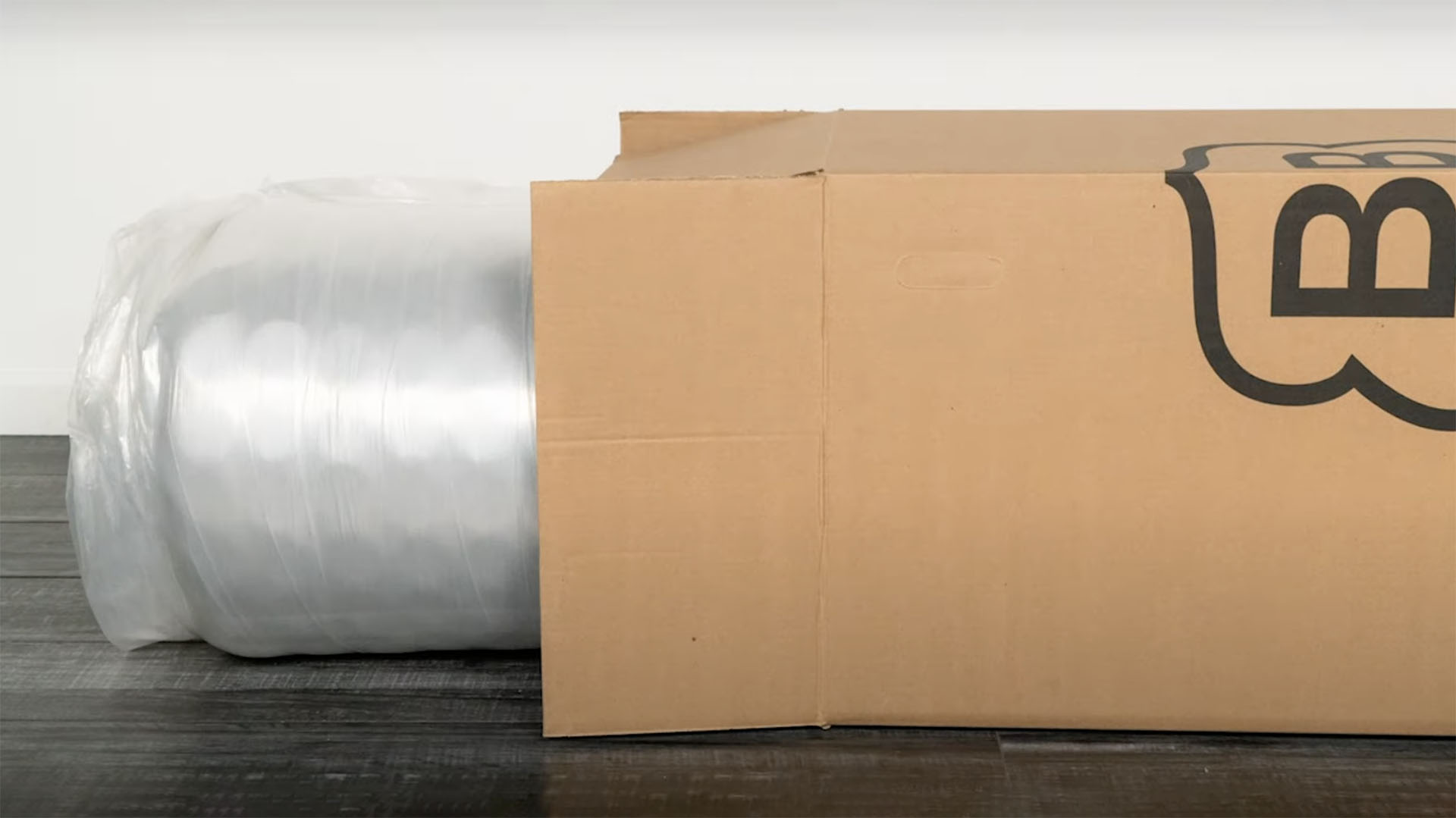
Mattress-in-a-box models are highly effective, offering comparable—and often superior—support and comfort to traditional showroom beds at a significantly lower price point. By utilizing advanced compression technology, brands deliver high-quality foam and hybrid designs directly to consumers, though success depends heavily on choosing the correct material density and construction for your specific body type and sleep position.
Understanding the "Bed-in-a-Box" Revolution
The mattress industry underwent a seismic shift over the last decade, transitioning from a showroom-heavy model to a direct-to-consumer (DTC) powerhouse. In 2026, the "mattress in a box" is no longer a niche alternative; it is the industry standard. The primary question for modern shoppers is no longer whether these mattresses are "good," but rather which specific construction method provides the longevity and support required for a decade of use.
A mattress in a box is exactly what it sounds like: a full-sized mattress—ranging from Twin to California King—that has been compressed using a massive hydraulic press, vacuum-sealed in plastic, and rolled into a manageable cardboard box. This process is made possible by advancements in material science, specifically in the resiliency of polyurethane foams and the flexibility of high-tensile steel coils.
The Science of Compression
Critics often wonder if squashing a mattress under tons of pressure damages its internal structure. In reality, modern high-density foams are designed with "open-cell" structures that allow air to be pushed out without snapping the polymer chains that provide support. For hybrid models, the development of "pocketed coils" was the breakthrough. These individual springs are not wired together in a continuous grid; instead, they are encased in fabric sleeves, allowing them to be compressed and rolled without permanent deformation.
However, the quality of the materials determines how well the mattress "recovers" once the seal is broken. Lower-quality foams may struggle to reach their full height or may develop permanent soft spots if left in the box for too long after purchase. Most manufacturers recommend unboxing within 30 to 90 days of delivery to ensure the materials retain their structural integrity.
Material Composition: What’s Inside the Box?
To determine if a boxed mattress is "any good," one must look past the marketing and into the layers. The performance of these beds is dictated by the density, chemistry, and arrangement of their components.
Memory Foam and Poly-Foams
Most boxed mattresses rely heavily on foam. Memory foam (viscoelastic foam) is prized for its pressure-relieving properties, as it contours to the body in response to heat and weight.
- Density Matters: The single most important metric for foam quality is density, measured in pounds per cubic foot (PCF). A "good" mattress in a box should have a comfort layer with a density of at least 3.0 to 4.0 PCF. High-end models often go up to 5.0 PCF, providing better durability and a more "substantial" feel.
- Response Time: Some modern foams are engineered to be "active," meaning they snap back quickly, preventing the feeling of being "stuck" in the mattress—a common complaint with early memory foam models.
Latex: The Natural Alternative
Latex mattresses are also frequently sold in boxes. Derived from the sap of rubber trees, latex is naturally cooling, hypoallergenic, and extremely durable. There are two primary types:
- Dunlop Latex: Denser and firmer at the bottom, making it excellent for support layers.
- Talalay Latex: More consistent in feel and generally softer, ideal for comfort layers.
Latex is significantly heavier than poly-foam, which can make the unboxing process more difficult, but it often lasts 15 years or more, outperforming almost all other boxed materials.
Hybrid Designs
Hybrids combine the pressure relief of foam or latex with the traditional "bounce" and airflow of springs. These are generally considered the "best of both worlds." In a boxed hybrid, the coil gauge (the thickness of the wire) is crucial. A lower gauge number indicates a thicker, firmer wire. Look for reinforced coils around the perimeter to address the common "edge support" issues found in all-foam boxed beds.
Performance Metrics: Support, Cooling, and Edge Strength
A practical overview must address how these mattresses actually perform in a bedroom environment compared to traditional innerspring units.
Spinal Alignment and Support
Support is not the same as firmness. A mattress is supportive if it keeps your spine in a neutral position. For side sleepers, this means the shoulders and hips sink in enough to keep the spine straight. For back and stomach sleepers, it means the hips do not sink too far, which would cause an arch in the lower back. Boxed mattresses excel here because they often use multi-layered "zonal" support, where the foam is firmer under the midsection and softer under the shoulders.
Temperature Regulation
Early foam mattresses were notorious for "sleeping hot." Because foam is an insulator, it traps body heat. To combat this, 2026-era boxed mattresses utilize several technologies:
- Gel Infusions: Swirls of cooling gel designed to pull heat away from the body.
- Phase Change Material (PCM): Micro-encapsulated waxes that absorb and release heat to maintain a constant temperature.
- Open-Cell Structure: Larger "pores" in the foam that allow for better air circulation.
- Copper Infusion: Copper is highly conductive and can help dissipate heat while providing antimicrobial benefits.
Motion Isolation vs. Edge Support
One area where mattress-in-a-box models—particularly all-foam ones—routinely outperform traditional beds is motion isolation. If you sleep with a partner who tosses and turns, foam absorbs that energy locally, meaning you won't feel them moving.
Conversely, edge support is often the "Achilles' heel" of the boxed bed. Because the mattress must be flexible enough to roll up, it cannot have a rigid wire border. This can lead to a "rolling off" sensation when sitting or sleeping near the edge. High-quality boxed beds solve this by using higher-density foam "rails" or firmer coils around the perimeter.
The Practicalities of Buying and Setup
The "goodness" of a mattress in a box is also measured by the consumer experience, which differs significantly from the traditional furniture store.
The Trial Period and Returns
The most significant advantage of the boxed mattress industry is the sleep trial. Since you cannot test the bed in a store, most companies offer a 100-night to 365-night trial. This is actually superior to a 5-minute "lie down" in a showroom, as it takes the body roughly 21 to 30 days to adjust to a new sleeping surface.
However, the return process is a critical factor. You should verify if the company offers "no-hassle" returns. In most cases, you cannot get the mattress back into the original box. Reputable companies will coordinate a local charity pickup or a junk removal service to take the mattress away and then issue a full refund.
Off-Gassing and "The Smell"
When you unseal a vacuum-packed foam mattress, it often releases a chemical odor known as off-gassing. This is the release of Volatile Organic Compounds (VOCs) that were trapped during the manufacturing and packaging process. While generally harmless, it can be unpleasant. To minimize this, look for certifications like CertiPUR-US, which ensures the foam is made without ozone depleters, heavy metals, or formaldehydes.
Foundation Compatibility
Not all "boxed" mattresses work on all frames. Most require a flat, rigid surface.
- Slatted Bases: Slats should be no more than 3 inches apart to prevent the foam from sagging between them.
- Platform Beds: These provide the best support for boxed mattresses.
- Box Springs: Traditional coil-based box springs are often not recommended for foam mattresses, as they don't provide a stable enough surface. Many manufacturers suggest using a "bunkie board" if you insist on keeping your old box spring.
Comparison of Mattress Types in a Box
| Feature | All-Foam (Memory/Poly) | Hybrid (Foam + Coils) | Natural Latex |
|---|---|---|---|
| Pressure Relief | Excellent; deep contouring | Good; balanced feel | Moderate; "buoyant" feel |
| Cooling | Low to Moderate (depends on gel) | High (airflow through coils) | High (naturally breathable) |
| Durability | 6–8 years | 7–10 years | 12–15+ years |
| Motion Isolation | Best | Good | Moderate |
| Edge Support | Fair | Very Good | Good |
| Price Point | Budget to Mid-Range | Mid-Range to Luxury | Luxury |
Addressing Common Concerns (FAQ)
1. How long do mattress-in-a-box models actually last?
A high-quality boxed mattress typically lasts between 7 and 10 years. The lifespan is primarily determined by the density of the base foam and the gauge of the coils. All-foam mattresses at lower price points may begin to show significant sagging after 5 years, whereas premium hybrids or latex models can remain supportive for over a decade.
2. Can heavy sleepers use a mattress in a box?
Yes, but they must be selective. Individuals weighing over 230 pounds should generally avoid all-foam mattresses under 10 inches thick. Instead, they should look for "Big and Tall" specific boxed models that feature 12–15 inch profiles, high-density transition layers, and reinforced 12-gauge or 13-gauge pocketed coils to prevent "bottoming out."
3. Do I need to wait 24 hours before sleeping on it?
Most manufacturers recommend waiting 24 to 48 hours for the mattress to fully expand and off-gas. However, many modern foams reach 90% of their volume within the first few hours. While sleeping on it early won't necessarily damage the mattress, it may feel significantly firmer or softer than intended until it has reached its full structural equilibrium.
4. Are the warranties actually useful?
Mattress warranties (typically 10 years to "Lifetime") generally cover manufacturing defects and "permanent indentations" greater than a certain depth (usually 1 inch to 1.5 inches). They do not cover a change in comfort preference or normal softening over time. To keep a warranty valid, you must use the mattress on a manufacturer-approved foundation.
5. Why are they so much cheaper than store-bought mattresses?
The lower price is usually not a reflection of lower quality, but rather a reflection of a leaner business model. By cutting out showroom rent, commissioned salespeople, and middleman distributors, brands can pass significant savings to the consumer. A $1,200 hybrid mattress online would often retail for $2,500+ in a traditional brick-and-mortar store.
Final Verdict: Is a Mattress in a Box Worth It?
For the vast majority of consumers in 2026, a mattress in a box is an excellent investment. The convenience of front-door delivery combined with the risk-mitigation of long sleep trials makes it a more practical choice than the traditional shopping experience.
To ensure you get a "good" one, prioritize the following:
- Check the weight: Heavier mattresses usually indicate higher-density, more durable foams.
- Verify Certifications: Look for CertiPUR-US or OEKO-TEX Standard 100 to ensure safety and low emissions.
- Choose Hybrids for Longevity: If your budget allows, a hybrid model offers better edge support and temperature regulation than all-foam alternatives.
- Confirm the Return Logistics: Ensure the company handles the removal of the mattress if you decide to return it.
By focusing on material density and construction rather than brand hype, you can find a boxed mattress that provides restorative sleep for many years to come.