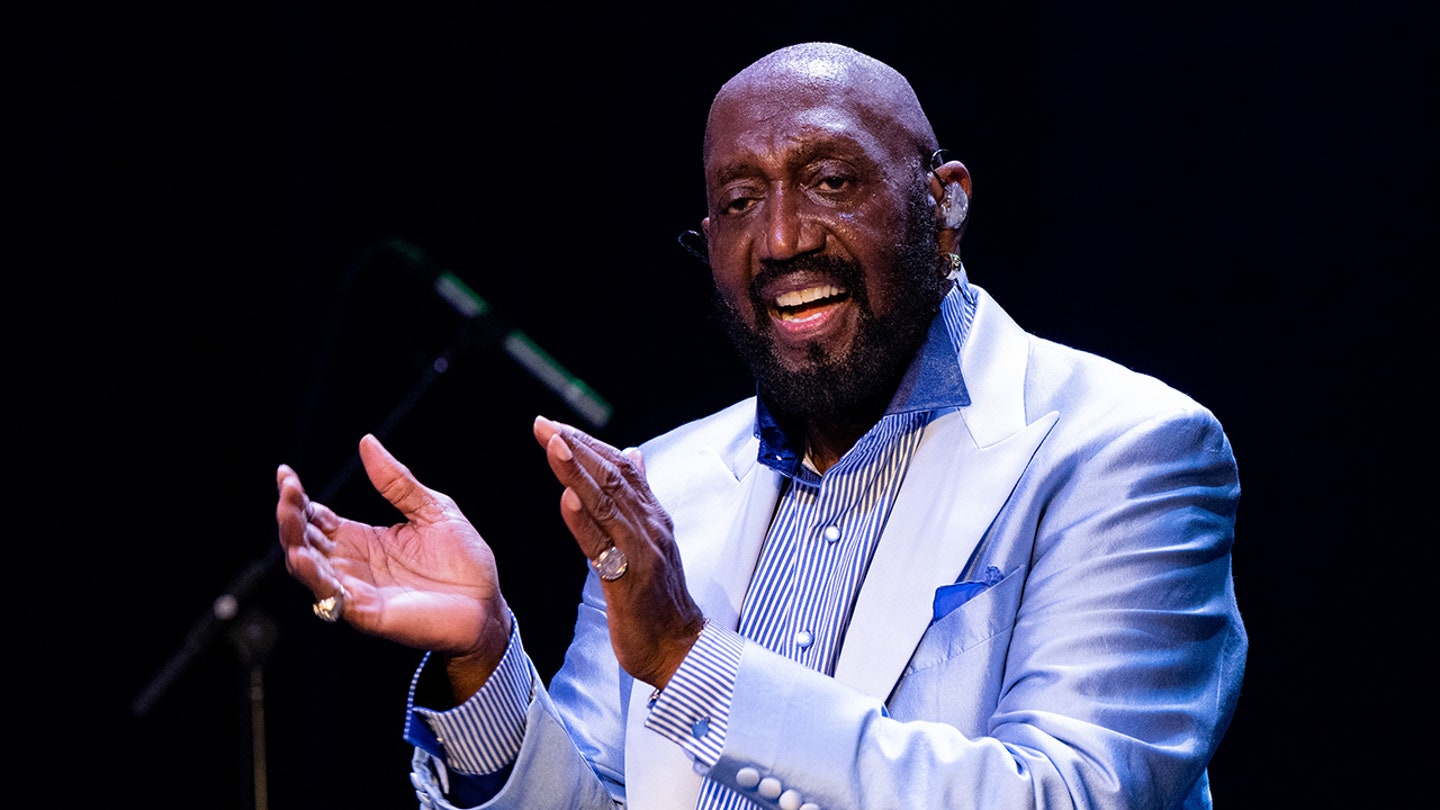
When exploring visual archives of Otis Williams, researchers, music historians, and fans encounter a rich chronicle spanning over six decades of American popular music history. As the last surviving founding member of Motown’s legendary vocal group, The Temptations, Williams' photographic record spans from sharp 1960s mod suits and classic choreography stances to mature portraits of a recognized music industry elder statesman.
Introduction to Otis Williams and His Photographic History
The visual journey of Otis Williams offers a fascinating window into the evolution of American rhythm and blues, soul music, and pop culture fashion. Born in 1941, Williams formed The Temptations in Detroit, Michigan, in 1960, bringing together a powerhouse lineup that would define the classic Motown sound. Because visual media played an increasingly central role in the music industry throughout the 1960s, 1970s, and beyond, a vast array of photographs documents his life both on and off the stage.
Searching for pictures of Otis Williams brings up a diverse range of imagery. Viewers encounter vintage publicity stills from the classic "Five Temptations" era, candid backstage shots at the Apollo Theater or television variety shows, album cover outtakes, and contemporary red-carpet appearances. Understanding these visual artifacts requires examining the historical contexts in which they were captured, the stylistic shifts of Black popular music, and the archival stewardship that preserves music history today.
The Early Motown Era: 1960s Publicity and Performance Photography
The earliest and most iconic photographs of Otis Williams date back to the formation and meteoric rise of The Temptations at Motown Records. During the mid-1960s, under the guidance of Berry Gordy and the strict visual standards of Motown's artist development department, the group's presentation was meticulously curated.
Characteristics of 1960s Temptations Imagery
- Matching Wardrobe: Early photographs prominently feature the group in identical, expertly tailored slim-cut suits, crisp white shirts, and narrow ties.
- Choreographic Poses: Photographers frequently captured Williams alongside Eddie Kendricks, David Ruffin, Paul Williams, and Melvin Franklin mid-dance step, showcasing the precision routines developed by Cholly Atkins.
- Studio Portraits: Black-and-white and early color publicity shots highlighted the group's polished, approachable demeanor, designed to appeal to crossover audiences on programs like The Ed Sullivan Show.
Prominent photographers of the era documented the grueling tour schedules of the Motown Revue, capturing candid moments on tour buses and backstage holding areas. These images reveal the sharp contrast between the glamorous stage persona and the behind-the-scenes reality of young Black artists navigating the segregated touring circuits of the American South and Midwest during the Civil Rights movement.
Transition into the 1970s: Funk, Fashion, and Lineup Shifts
As the 1960s bled into the 1970s, popular culture underwent a dramatic shift in aesthetics. The sleek, corporate-adjacent look of early Motown gave way to the bold, expressive styles of the funk and soul era. Photographs of Otis Williams from this period reflect these broader cultural changes.
Visual documentation from albums like Cloud Nine (1969) and All Directions (1972) shows Williams and his changing group members adopting longer hairstyles, wider lapels, colorful patterned shirts, and occasionally facial hair. These images capture a turbulent yet creatively fertile period for the group as they integrated psychedelic soul and socially conscious lyricism into their repertoire.
Lineup changes also heavily influenced the photographic record of this decade. With members leaving and new vocalists like Dennis Edwards and Richard Street joining, publicity photos served a practical purpose: introducing the new faces of the franchise to the public. Otis Williams, as the enduring anchor and de facto leader of the group, remained the consistent focal point across these successive photographic eras.
Archival Sources and Where to Find Verified Images
Locating authentic, high-quality photographs of Otis Williams requires knowing which repositories and collections maintain proper historical archives. Because internet searches can yield low-resolution, misattributed, or heavily filtered images, researchers and fans often turn to verified institutional and commercial photo archives.
| Archive Type | Primary Focus | Examples of Content | Access & Licensing |
|---|---|---|---|
| Music Industry Archives | Motown Records historical collections, album art outtakes. | Studio sessions, recording booths, promotional press kits. | Restricted; managed by Universal Music Group and legacy estates. |
| Editorial Photo Agencies | Press photography, red carpets, television appearances. | Getty Images, Michael Ochs Archives, Associated Press. | Commercially licensed for publication; watermarked previews available. |
| Museum Collections | Cultural preservation, biographical exhibits. | Rock and Roll Hall of Fame, Motown Museum (Detroit). | Publicly viewable on-site or via curated digital museum galleries. |
| Authorized Biographies | Personal memoirs and authorized media. | The Temptations (autobiography) and official documentary companions. | Published print and authorized digital promotional releases. |
Utilizing these official channels ensures that the images examined are correctly dated and attributed, avoiding common internet mix-ups where other members of The Temptations are misidentified as Williams.
Evolution of Style: A Visual Timeline
To appreciate the breadth of Otis Williams' photographic record, it is helpful to trace his visual evolution across distinct decades of his career. Each era brought specific fashion trends, technological shifts in photography, and changes in personal presentation.
The 1960s: Classic Mod and Motown Elegance
Photographs from this decade emphasize uniformity, precision, and youthful exuberance. Williams is almost exclusively captured in dark wool suits, thin ties, and immaculate hairstyles. The photography style relies heavily on sharp contrast, clean studio lighting, and dynamic action shots that freeze choreography in motion.
The 1970s and 1980s: Evolution and Adaptation
During the 1970s, photographs display a transition toward more individual expression within the group framework. Brighter colors, turtlenecks, leather jackets, and velvet blazers dominate. By the 1980s, as the group experienced commercial revivals and lineup shifts, Williams' personal style adapted to contemporary adult contemporary and R&B fashion trends, featuring sleek trench coats, modern tailoring, and refined casual wear.
The 1990s to the Present: Elder Statesman and Legacy Preservation
Following the success of the 1998 NBC television miniseries The Temptations—for which Williams served as an executive producer and consultant—photographs from the late 1990s onward capture him in a new light. Images from this era frequently feature Williams receiving honors, attending the opening of Broadway's Ain't Too Proud: The Life and Times of The Temptations, and posing alongside newer generations of touring group members. His look settles into dignified maturity, characterized by sophisticated eyewear, well-tailored blazers, and a calm, reflective demeanor.
Frequently Asked Questions
Where can I find authentic, high-resolution pictures of Otis Williams?
Authentic, high-resolution photographs are best sourced from reputable editorial agencies such as Getty Images or the Michael Ochs Archives. Additionally, official museum portals like the Rock and Roll Hall of Fame and the Motown Museum feature verified historical imagery.
How has Otis Williams' appearance changed in photographs over the decades?
Williams' photographic record mirrors the broader stylistic evolution of Black popular music. He transitioned from the sharp, matching mod suits of 1960s Motown to the expressive, looser fashions of the 1970s funk era, ultimately settling into a sophisticated, distinguished style as an elder statesman of soul music.
Are all historical photos of The Temptations correctly labeled online?
No. Due to the frequent lineup changes throughout the group's history and the visual similarities among various members during the 1960s and 1970s, misattributions are common in unverified online galleries. Cross-referencing with official album credits and professional photo agencies is recommended.
What role did Otis Williams play in preserving the group's visual legacy?
As the sole surviving founding member, Williams maintained ownership of the group's name and actively preserved its history through archival donations, his autobiographical book, and his involvement in television and theatrical adaptations of The Temptations' story.
How did Motown's artist development influence early photographs of Otis Williams?
Motown enforced strict guidelines on dress, deportment, and public presentation. Early publicity photos were carefully staged to project an image of elegance, accessibility, and high professionalism to appeal to mainstream American television and print media audiences.
Conclusion and Next Actions
Examining pictures of Otis Williams provides far more than a nostalgic look at vintage fashion; it offers a visual documentary of perseverance, cultural adaptation, and musical excellence. To explore these archives further, enthusiasts should consult established photo licensing libraries or visit museum collections dedicated to the history of Motown Records and soul music. When reviewing historical images online, always cross-reference captions with official biographical records to ensure accurate identification and context.