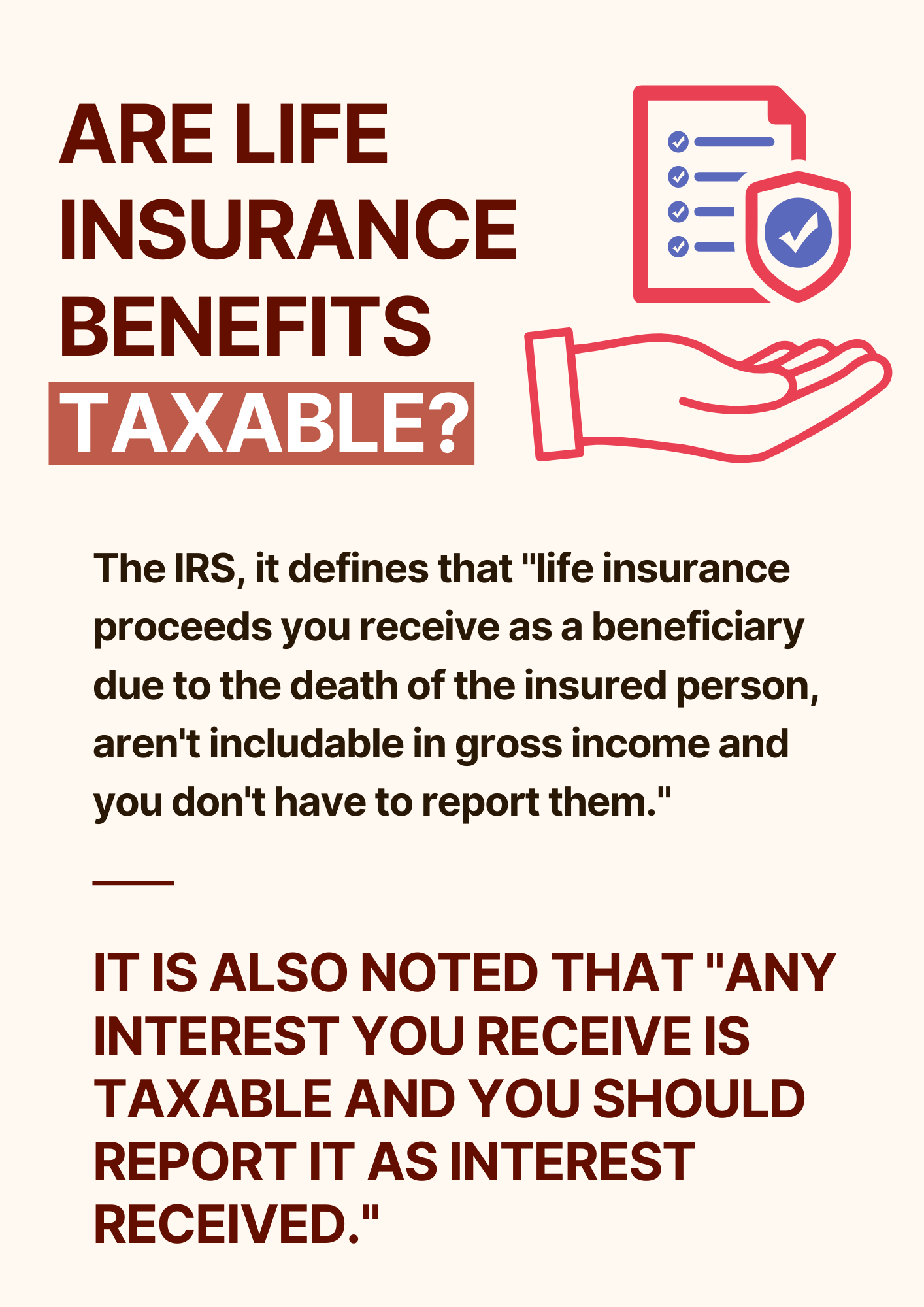
In the vast majority of cases, life insurance payouts are not considered taxable income in Australia. When a policyholder passes away, the lump sum payment received by the beneficiaries is generally exempt from income tax and Capital Gains Tax (CGT), provided the recipient is the original beneficial owner of the policy or a dependent under Australian taxation law.
Understanding the tax implications of life insurance is a critical component of estate planning and financial security. While the general rule is one of tax-free receipt, specific circumstances—such as ownership structures, superannuation-held policies, and the relationship between the policyholder and the beneficiary—can introduce complexities that require careful navigation.
The General Principle of Tax-Exemption
For most Australians, a life insurance payout is viewed by the Australian Taxation Office (ATO) as a capital receipt rather than assessable income. When an individual takes out a policy on their own life and names their spouse or children as beneficiaries, the payout is typically treated as a non-taxable event. This ensures that the financial support intended for grieving families is not diminished by income tax obligations.
The rationale behind this exemption is that the life insurance payout is intended to provide financial stability during a period of significant transition. Taxing these funds would effectively reduce the safety net at the precise moment it is most needed. However, this tax-free status relies on the policy being structured correctly from its inception.
Ownership Structure and Its Impact
The tax treatment of a payout is fundamentally linked to who owns the policy. There are three common ways life insurance is held in Australia, each carrying different potential tax consequences:
1. Individual Ownership
When you take out a policy in your own name and pay the premiums with your personal, after-tax income, the death benefit is almost always tax-free for the recipient. Because the premiums were not tax-deductible, the ATO does not view the payout as a taxable gain.
2. Superannuation-Held Policies
Many Australians hold life insurance through their superannuation fund (often called "insurance inside super"). In this scenario, the super fund is the owner of the policy, and you pay the premiums using your super balance. If you die, the life insurance benefit is paid to the super fund, which then distributes the money to your beneficiaries.
The taxation of these payouts depends on who receives the money:
- Death Benefits to Dependents: Under Australian tax law, a "death benefits dependent" (which includes a spouse, former spouse, or children under 18) usually receives the superannuation payout (including the life insurance component) tax-free.
- Death Benefits to Non-Dependents: If the beneficiary is an adult child or another person who is not financially dependent on the deceased, the taxable component of the superannuation payout may be subject to a tax rate of up to 15% (plus the Medicare levy). This is a critical distinction for estate planning.
3. Business or Key-Person Insurance
If a business owns a life insurance policy on a key employee or a director, the tax treatment changes significantly. If the business receives the payout, it may be considered assessable income for the company. Professional tax advice is mandatory in this context, as the intended use of the funds (e.g., covering business debt versus compensating a family) dictates the tax outcome.
The Role of Capital Gains Tax (CGT)
Generally, life insurance payouts do not trigger Capital Gains Tax because the payout is not considered a "CGT event" for the beneficiary. Specifically, under the Income Tax Assessment Act 1997, if you are the original beneficial owner of the policy, any capital gain you make from the receipt of a sum under an insurance policy is disregarded.
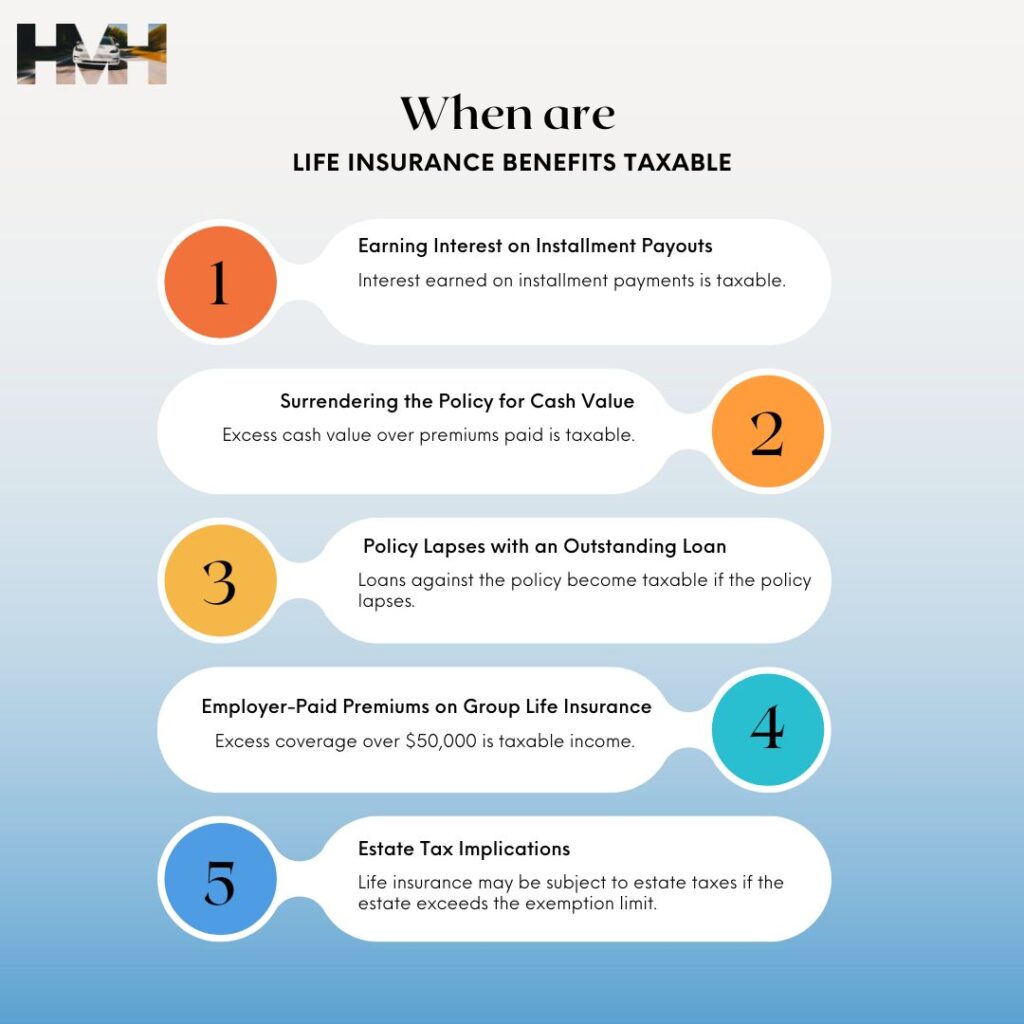
Problems arise, however, if you have acquired an interest in a policy from someone else for money or other property. If you purchased a policy from another person and then receive a payout upon their death, you might be classified as an "assignee" for consideration. In these cases, the payout could technically be considered assessable income, as the ATO may view the transaction as an investment rather than a protective mechanism.
Comparison of Payout Tax Treatment
| Ownership Structure | Recipient Relationship | Tax Status |
|---|---|---|
| Personal Policy | Spouse/Dependent | Usually Tax-Free |
| Personal Policy | Estate (via Will) | Usually Tax-Free |
| Superannuation Fund | Spouse/Dependent | Usually Tax-Free |
| Superannuation Fund | Adult Child (Non-dependent) | Taxable component may apply |
| Business Owned | Company/Business Entity | Often Assessable Income |
Note: This table serves as a general guide. Tax laws are subject to specific legislative interpretation based on your unique financial situation.
When Does Tax Become an Issue?
While the standard personal policy is tax-free, you should be aware of "traps" that could lead to unexpected tax liabilities:
The "Assignment for Consideration" Trap
If you take over a policy from another person and provide them with payment (or some form of value) to do so, the tax-free status is likely lost. If you are the owner of a policy you didn't originally initiate, the ATO may treat the final payout as income earned from the disposal of an asset.
The Estate and the Will
Sometimes, the payout is directed to the "Estate" rather than a specific individual. When the money enters the estate, it is distributed according to the deceased’s will. While the payout itself is not taxed, the subsequent distribution of estate assets might have its own tax implications, particularly if the assets are generating income (like interest or dividends) before they are transferred to the beneficiaries.
Superannuation Binding Nominations
Because insurance inside super can be subject to tax if it passes to non-dependents, ensure your binding death benefit nominations are current and reflect your tax intentions. A well-constructed estate plan often involves balancing assets held inside and outside of super to maximize tax efficiency for your heirs.
Navigating the Complexity of Claims
The process of receiving a payout involves verifying the policy terms and the legal status of the beneficiaries. Following a death, the insurance provider will require a certified copy of the death certificate and proof of identity from the beneficiaries.
If the policy is held within a superannuation fund, the trustee of the fund has a legal obligation to determine who is eligible to receive the benefit under the rules of the trust deed and the Superannuation Industry (Supervision) Act 1993. This process can sometimes cause delays compared to a personal policy, where the payout is made directly to the named individual.
If you are a beneficiary, your priority should be contacting the policy provider or the superannuation fund as soon as the death certificate is issued. They will provide the necessary forms to trigger the claim. It is rarely necessary to involve a tax accountant during the application phase, but it is highly recommended to consult with one after receiving the payout, especially if the sum is large or if there are multiple beneficiaries.
Frequently Asked Questions
Are life insurance payouts considered part of my taxable income?
No, in most cases, a lump sum payout from a personal life insurance policy is not considered assessable income by the ATO and does not need to be declared on your tax return.
What if I receive a payout from a policy held in my superannuation?
If you are a tax-law dependent (such as a spouse or child under 18), the payout is generally tax-free. If you are not a dependent, the taxable component of the superannuation benefit may be taxed at up to 15% plus the Medicare levy.
Do I pay Capital Gains Tax (CGT) on a life insurance payout?
No, provided you are the original beneficial owner of the policy. If you acquired the policy from someone else for value, you may be liable for CGT on the difference between what you paid for the policy and the payout amount.
Does the ATO tax the interest earned on the payout after I receive it?
Yes. While the payout itself is tax-free, any interest or investment returns generated by the money once it is sitting in your personal bank account or an investment portfolio are considered assessable income and must be declared for tax purposes.
Should I get professional advice before the payout is processed?
If the insurance is held within a business structure or a self-managed superannuation fund (SMSF), you should consult a financial adviser or tax accountant before the claim is finalized to ensure the distribution is structured to minimize tax liabilities.
Professional Advice Limitations
The information provided here is for educational purposes as of 2026 and does not constitute personal financial or legal advice. Australian tax law is subject to change, and individual circumstances—such as your residency status, the specific trust deed of your superannuation fund, and the history of your policy ownership—can drastically alter the tax treatment of insurance proceeds. Always verify your specific policy documentation and consult a qualified tax professional before making significant decisions regarding your estate or insurance claims.
Next Actions
If you are currently reviewing your life insurance arrangements, take these three steps:
- Check Policy Ownership: Confirm whether your insurance is held personally or through your superannuation.
- Review Beneficiary Nominations: Ensure that your nominations align with your current family situation and tax goals.
- Consult a Professional: If you hold high-value policies, particularly those within a business or SMSF, speak with a financial adviser to perform a "tax health check" on your current structure.