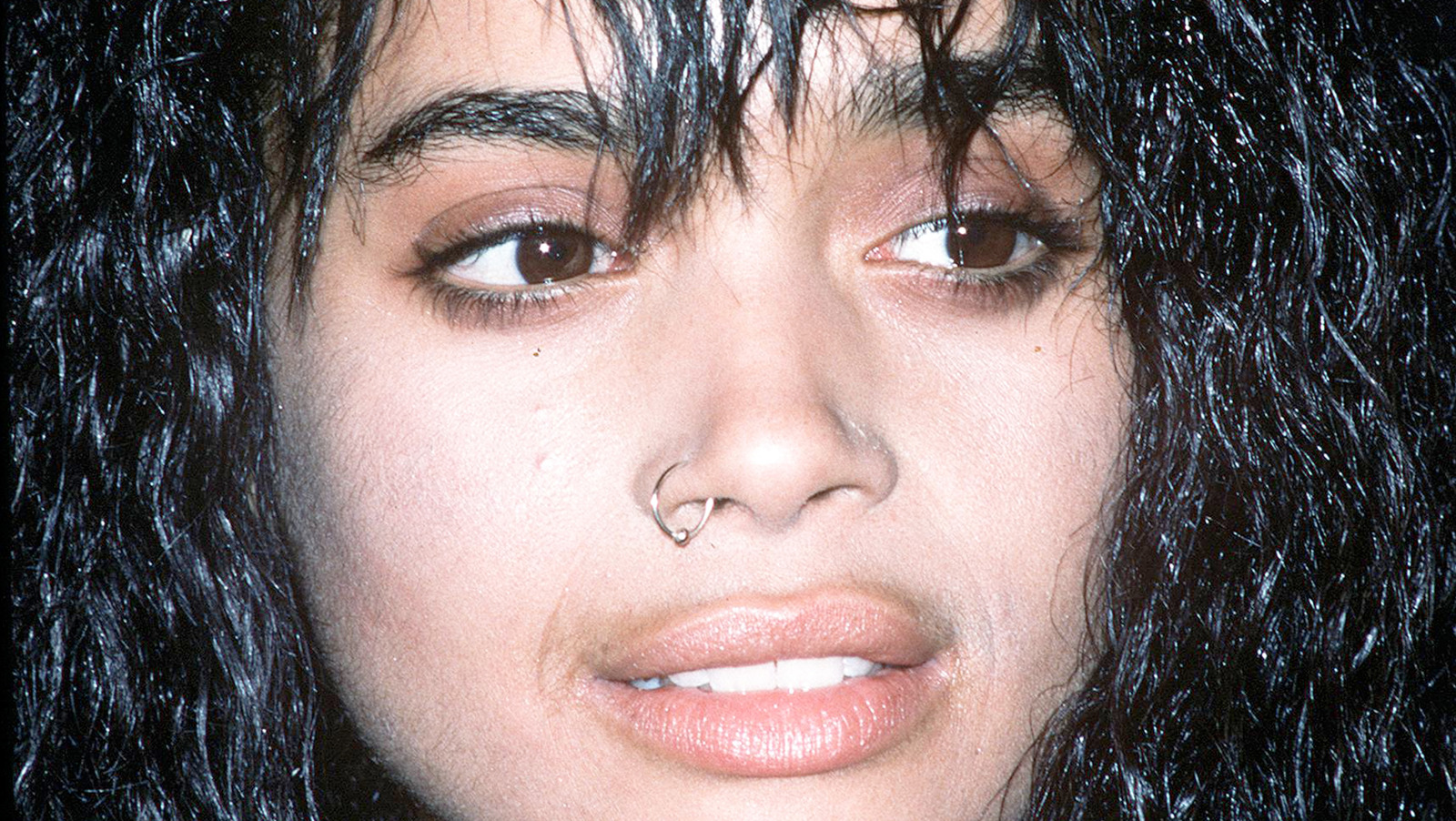
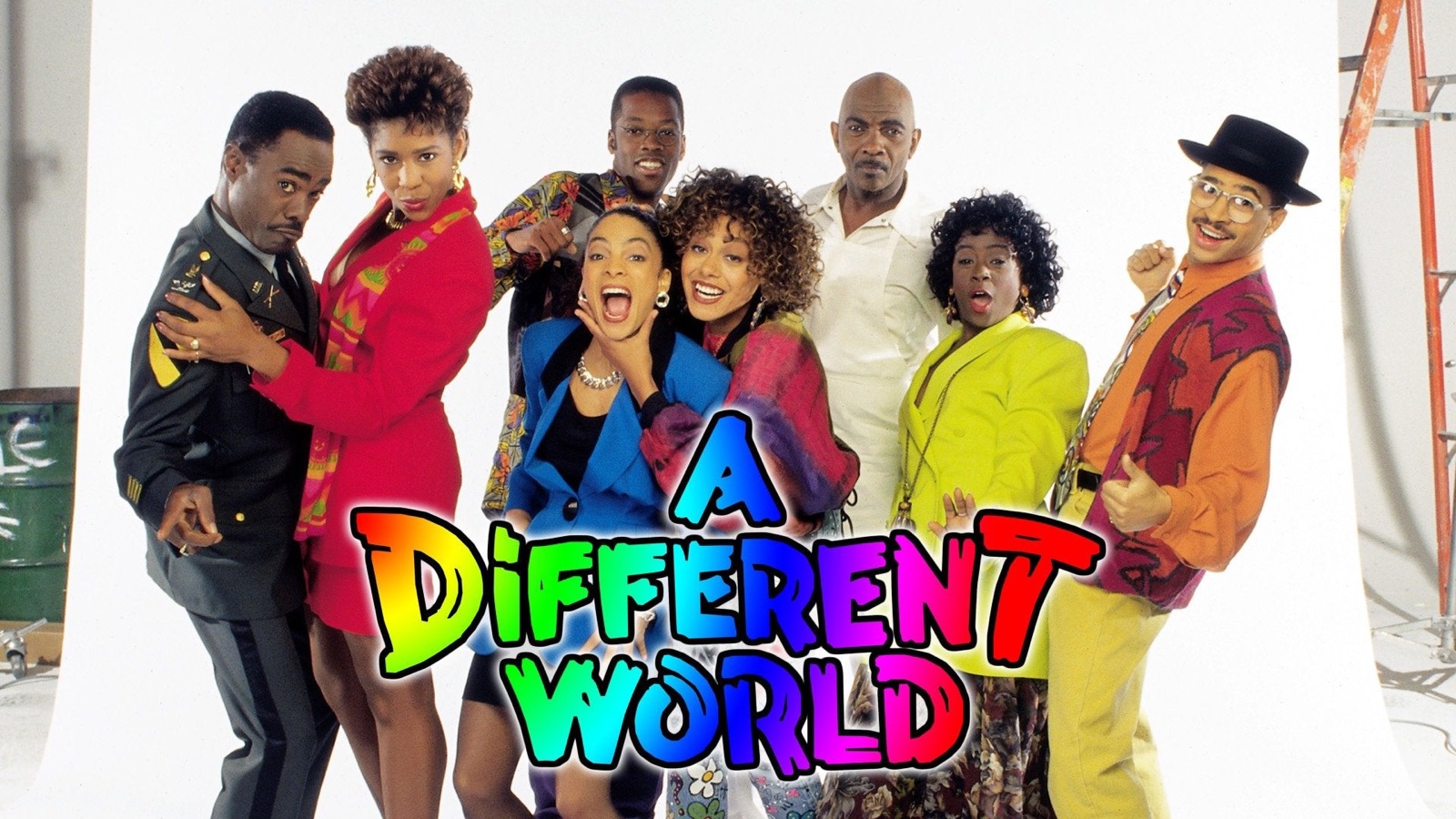
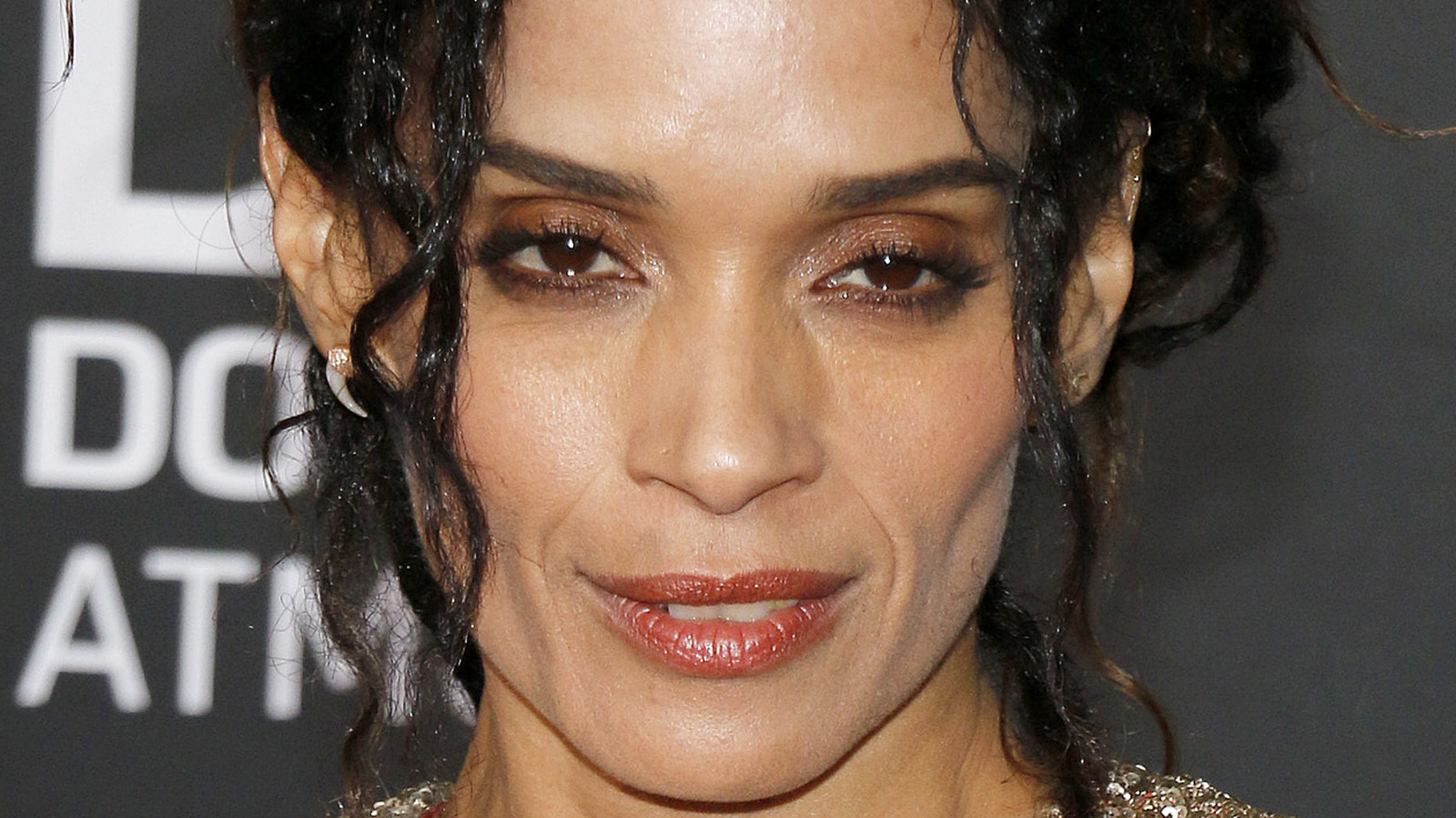
Denise Huxtable, portrayed by Lisa Bonet, was the original protagonist of the 1987 sitcom A Different World, a spin-off of The Cosby Show. While she was the central figure during the show’s first season at Hillman College, her character departed before the second season began. This transition allowed the series to evolve into a groundbreaking exploration of the Black collegiate experience under the direction of Debbie Allen.
The Origin Story: From Brooklyn to Hillman College
In the mid-1980s, The Cosby Show was a television juggernaut, redefining the portrayal of the Black nuclear family on American screens. As the Huxtable children grew up, the creative team, led by Bill Cosby, sought to expand the "Cosby Universe." The obvious candidate for a spin-off was the second-oldest daughter, Denise Huxtable. Known for her eclectic fashion, free-spirited personality, and occasional academic struggles, Denise represented a segment of youth that was both relatable and aspirational.
A Different World premiered on September 24, 1987, on NBC. The premise was straightforward: Denise leaves the comforts of her upper-middle-class Brooklyn home to attend Hillman College, a fictional Historically Black College (HBCU) in Virginia. This setting was significant, as Hillman was the alma mater of her father, Cliff Huxtable, and her grandfather, Russell Huxtable. The show was designed to navigate the growing pains of a young woman trying to find her identity away from the shadow of her famous family.
The early episodes focused heavily on the culture shock Denise experienced. Despite being a Huxtable, she found that the academic and social rigors of Hillman required more than just a recognizable surname. This phase of the character’s journey was essential in grounding her, moving her away from the "cool older sister" trope she occupied in the parent series and into a more vulnerable, three-dimensional protagonist.
Denise Huxtable’s Character Arc in Season 1
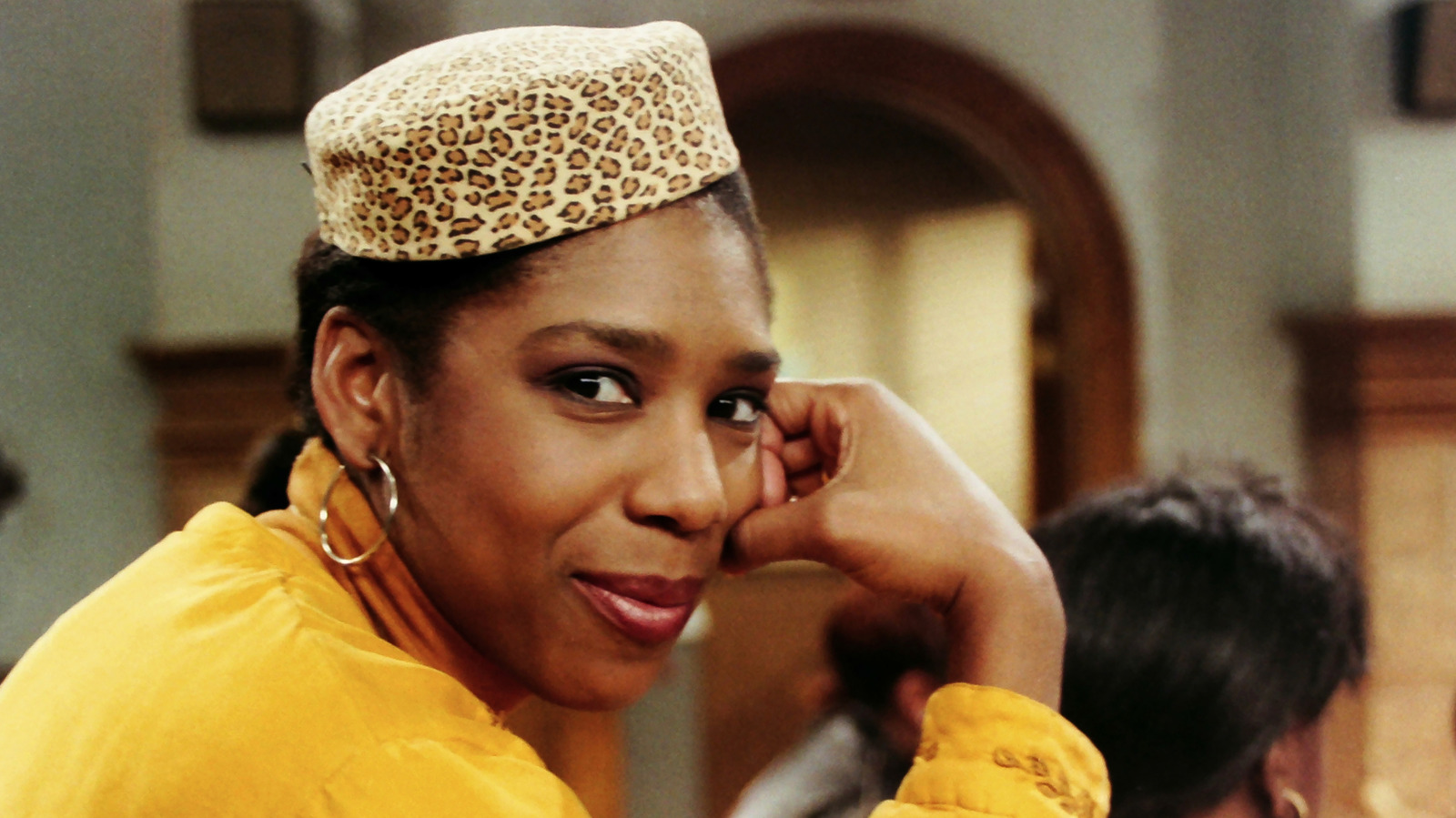
During the first season, Denise Huxtable functioned as the audience's surrogate. Through her eyes, viewers were introduced to the diverse ecosystem of an HBCU. Her roommates were pivotal to this exploration: Jaleesa Vinson (Dawnn Lewis), a mature, divorced student returning to college, and Maggie Lauten (Marisa Tomei), a white student who provided a fish-out-of-water perspective.
Denise’s arc in Season 1 was defined by three primary themes:
- Academic Pressure: Unlike her older sister Sondra, who was a high achiever, Denise often struggled with focus and discipline. Episodes frequently dealt with her procrastination and the realization that college-level coursework required a higher level of commitment than high school.
- Social Navigation: Denise had to learn how to live with people from vastly different backgrounds. Her interactions with Jaleesa often highlighted the generational and class divides within the Black community, while her friendship with Maggie addressed the nuances of interracial dynamics in a predominantly Black space.
- The Quest for Independence: A recurring motif was Denise’s desire to be seen as an individual. This often put her at odds with her father’s expectations. Her journey was about reconciling the values she was raised with—excellence, family loyalty, and pride—with her own bohemian inclinations.
While the first season was a ratings success, largely due to its plum time slot between The Cosby Show and Cheers, critics often felt the show hadn't yet found its "soul." It felt like a standard sitcom that happened to be set at a college, rather than a show that truly captured the essence of the HBCU experience.
The Departure: Why Lisa Bonet Left the Series
The departure of Lisa Bonet from A Different World after only one season remains one of the most discussed "what ifs" in television history. The transition was prompted by Bonet’s real-life pregnancy with her daughter, Zoë Kravitz.
When Bonet informed Bill Cosby of her pregnancy, she reportedly suggested that Denise Huxtable should also become pregnant on the show. This would have been a radical narrative shift, exploring the challenges of a young, unmarried Black woman navigating college and motherhood. However, Cosby—who maintained strict control over the image of the Huxtable family—rejected the idea. He felt that a pregnant, unwed Denise would contradict the wholesome, aspirational image of the characters he had built.
Consequently, Denise Huxtable was written out of the show. The narrative explanation provided was that Denise spent the summer in Africa working as a photographer’s assistant and eventually decided to drop out of Hillman College to continue her travels. This exit allowed the character to return to The Cosby Show as a recurring cast member later on, but it left a void at the center of A Different World.
While the departure was initially seen as a potential death knell for the spin-off, it actually became the catalyst for the show’s greatest era of growth.
A Different World’s Evolution Without Denise
With the departure of its lead, NBC and the producers faced a choice: cancel the show or reinvent it. They chose the latter, hiring Debbie Allen as the new director and producer. Allen, an alumna of Howard University, was determined to inject the show with authentic HBCU culture, from the step shows and Greek life to the intense political and social debates characteristic of Black campus life.
The focus shifted from Denise to an ensemble cast, with the "odd couple" dynamic of Whitley Gilbert (Jasmine Guy), a spoiled Southern belle, and Dwayne Wayne (Kadeem Hardison), a math whiz from Brooklyn, taking center stage. This shift transformed the show from a "Denise Huxtable vehicle" into a complex tapestry of Black life.
| Feature | Season 1 (Denise Era) | Season 2-6 (Post-Denise Era) |
|---|---|---|
| Primary Protagonist | Denise Huxtable | Ensemble (Whitley & Dwayne) |
| Tone | Traditional Family Sitcom Spin-off | Socially Conscious Dramedy |
| HBCU Representation | Minimal/Surface Level | Deeply Integrated (Step shows, Greek life) |
| Key Themes | Personal Independence, Roommate Friction | Racism, Apartheid, AIDS, Gender Politics |
| Lead Producer | Anne Beatts | Debbie Allen |
The "new" A Different World tackled heavy-hitting issues that The Cosby Show often avoided. By moving past the singular focus on Denise, the show was able to explore different socioeconomic backgrounds, skin-color politics (colorism), and the tension between tradition and modernity in the Black community.
Denise Huxtable as a Fashion Icon
Even decades after the show aired, Denise Huxtable’s influence remains palpable in the world of fashion. Lisa Bonet worked closely with costume designers to create a look that was entirely unique for the time. Her style was a blend of "bohemian chic," "grunge," and "afrocentrism," characterized by:
- Layering: Oversized blazers over vintage vests and flowing skirts.
- Accessories: Round spectacles, bowler hats, nose rings, and eclectic jewelry.
- Prints: A mix of African mud cloth, floral patterns, and plaid.
In 2026, the "Denise Huxtable aesthetic" continues to trend among Gen Z and Millennial fashionistas who embrace thrifting and sustainable style. Her look was a visual representation of her character’s refusal to conform to the polished, "preppy" look typically associated with the 1980s upper class. Denise's clothes told the story of a young woman who was an artist at heart, viewing the world through a creative and unconventional lens.
Cultural Impact and the HBCU Experience
The most lasting legacy of A Different World—and by extension, Denise Huxtable’s entry into that world—was its impact on real-world education. For many Black American youth in the late 80s and early 90s, the show served as their first introduction to the concept of an HBCU.
Statistical data from the era showed a significant "A Different World effect." Enrollment at HBCUs across the United States saw a marked increase during the show’s run. By portraying college life as a place of intellectual rigor, social awakening, and cultural celebration, the show demystified higher education for a generation.
Denise Huxtable served as the initial bridge. Her character’s journey from a sheltered home to the broader world of Hillman College reflected the path of many first-generation and legacy college students alike. Even though she didn't finish her degree at Hillman, the character’s presence in that environment validated the HBCU experience for a national television audience.
Denise’s Return and the Final Huxtable Chapter
After her exit from A Different World, Denise eventually returned to The Cosby Show in Season 6. Her return was as unconventional as her departure; she arrived back in Brooklyn from Africa, having married a Navy lieutenant named Martin Kendall and becoming a stepmother to his young daughter, Olivia (Raven-Symoné).
This transition completed Denise's character arc within the Huxtable family dynamic. She was no longer the wandering student but a woman who had found her own unconventional path to adulthood. While fans of A Different World often wondered what the show would have been like had she stayed, most media historians agree that her departure was a "happy accident" that allowed two distinct, highly successful legacies to exist: the continuation of her story on the parent show and the evolution of A Different World into a legendary cultural institution in its own right.
Frequently Asked Questions
Why did Denise Huxtable leave A Different World? The character was written out because the actress, Lisa Bonet, became pregnant. Producer Bill Cosby did not want to include a pregnancy storyline for the character, as he felt it did not align with the family-friendly image of the Huxtables. Consequently, Bonet left the show after Season 1.
What happened to Denise Huxtable after she left Hillman? Narratively, Denise dropped out of Hillman College to travel to Africa as a photographer’s assistant. She later returned to Brooklyn on The Cosby Show as a married woman with a stepdaughter, Olivia. She eventually attempted to go back to school to become a teacher but remained a free spirit throughout the series.
Who replaced Denise Huxtable as the lead? While no single character replaced her, the show shifted to an ensemble format. The primary focus moved to Jasmine Guy (Whitley Gilbert) and Kadeem Hardison (Dwayne Wayne). This shift allowed the series to explore a wider range of personalities and social issues.
Did Denise Huxtable ever graduate from college? Within the timeline of both A Different World and The Cosby Show, Denise never officially graduated from Hillman College. Her academic journey was characterized by a search for passion rather than a traditional degree, though she did pursue further education in later seasons of the parent series.
Where can I watch Denise Huxtable’s episodes of A Different World in 2026? As of 2026, A Different World is available for streaming on various platforms, typically including Max (formerly HBO Max) and Amazon Prime Video. It also remains a staple in syndication on networks like TV One and Aspire TV.
Final Recommendation
To fully appreciate the impact of Denise Huxtable, viewers should start by watching the first season of A Different World to see the character’s initial growth. However, it is equally important to continue into Season 2 and beyond to understand how her departure allowed the show to broaden its cultural lens. Whether you are interested in 80s fashion, television history, or the social impact of HBCUs, the legacy of Denise Huxtable remains a vital touchstone in American pop culture.