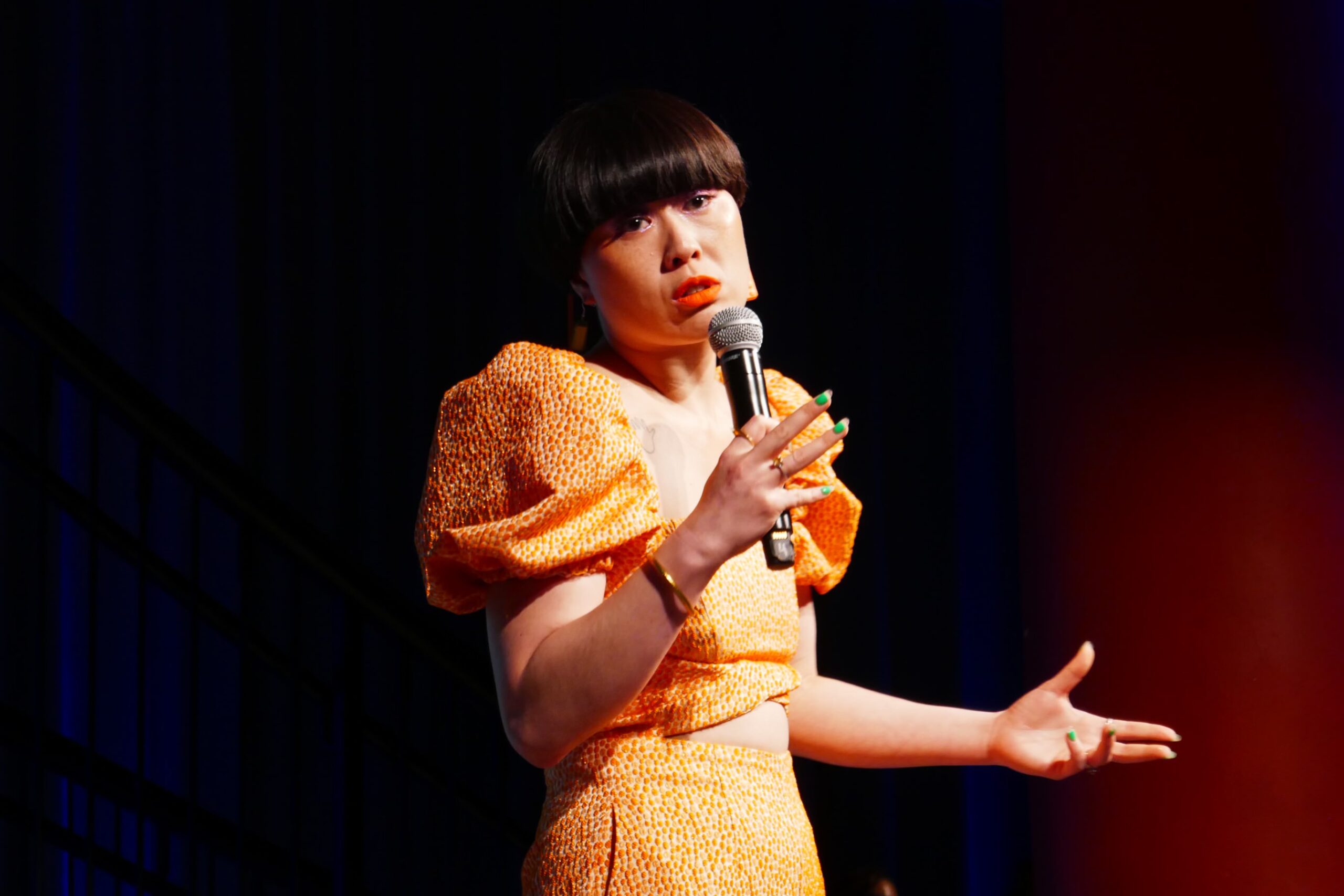
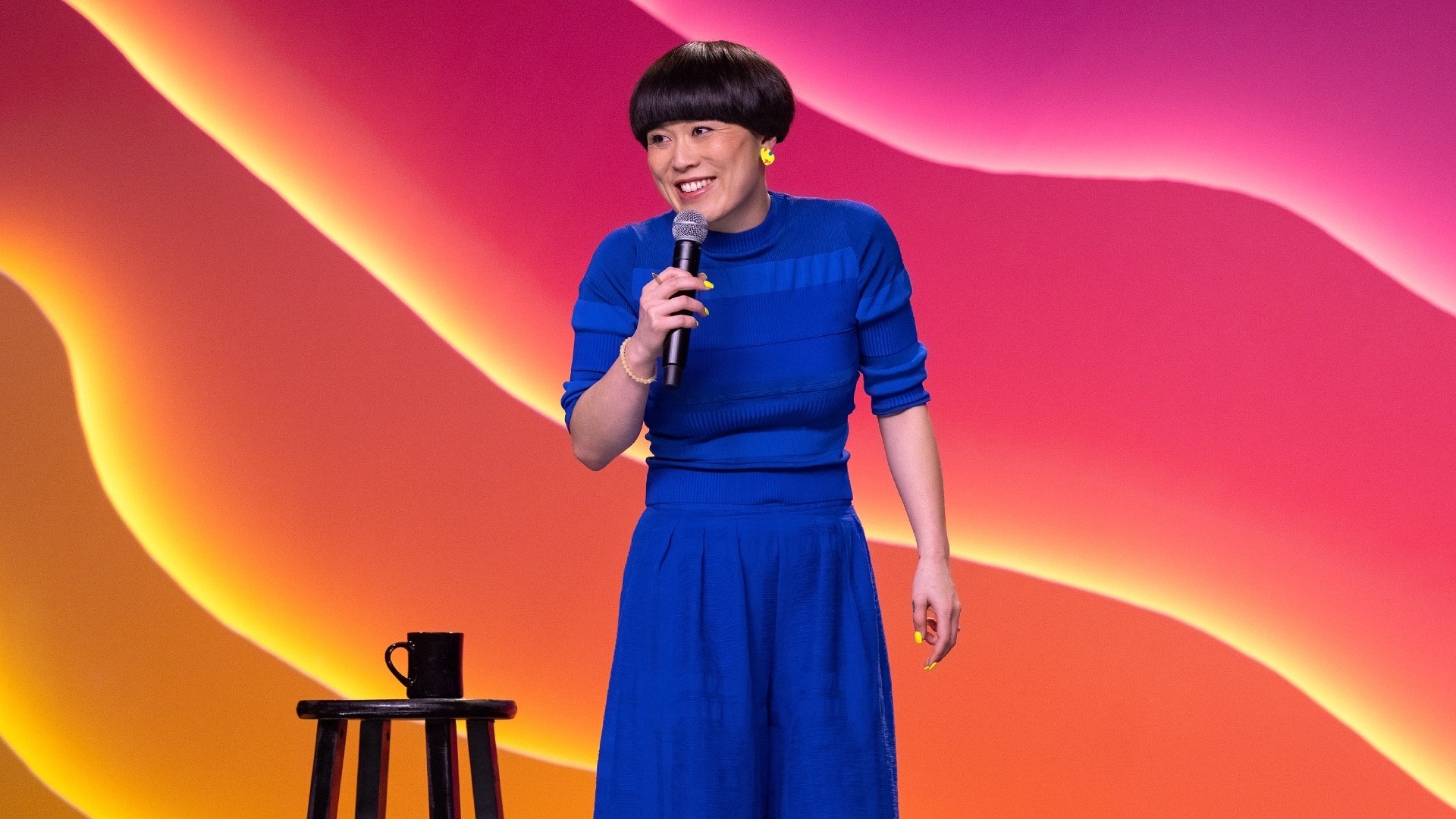
Atsuko Okatsuka’s emergence as a rising producer reflects her multifaceted expansion from acclaimed stand-up comedy into television development, executive production, and creative direction. While widely recognized for her breakout HBO comedy special The Drop and her unique comedic voice, her behind-the-scenes contributions to scripted and alternative media underscore a growing industry footprint as a creator steering her own narrative and championing distinct artistic visions.
The Evolution of Atsuko Okatsuka in Entertainment
The trajectory of Atsuko Okatsuka within the entertainment industry mirrors a broader shift in how contemporary comedians leverage multi-hyphenate capabilities. Traditionally, performers built careers strictly within the confines of acting or touring. However, the modern media landscape demands a higher degree of vertical integration, where artists actively participate in the development, packaging, and producing of their own intellectual property.
Okatsuka’s work extends far beyond performing on stage. By taking on key production and creative development roles, she participates directly in shaping the tone, casting, visual aesthetic, and thematic core of her projects. This transition from talent-for-hire to foundational architect allows her to maintain creative integrity in an industry historically prone to diluting distinct cultural perspectives. Her involvement as a producer highlights a deliberate choice to control her artistic output, ensuring that narratives focusing on immigrant experiences, unconventional family dynamics, and distinct personal observations are brought to the screen without compromise.
Breakthrough Success: Stand-Up as a Production Foundation
Every significant producing venture requires an established brand and a proven ability to connect with audiences. For Okatsuka, her critically acclaimed HBO comedy special The Drop, directed by Kristian Mercado, served as a crucial turning point. The special was celebrated not only for its sharp writing and physical comedy—notably addressing topics like family history, societal expectations, and the absurdities of everyday life—but also for its cinematic presentation.
Producing a stand-up special involves far more than stepping up to a microphone; it requires managing a complex logistical pipeline that includes venue curation, director collaboration, lighting design, audio engineering, and post-production editing oversight. By executing a high-profile special with such precision, Okatsuka demonstrated the executive and creative oversight necessary to manage larger-scale television and film projects. This foundational success proved to network executives and streaming platforms that her artistic vision could translate seamlessly into high-value broadcast assets, opening doors to broader development deals and executive production opportunities.
| Project / Milestone | Primary Role | Core Contribution | Industry Impact |
|---|---|---|---|
| The Drop (HBO Special) | Performer / Executive Contributor | Conceptualization, performance, and creative oversight | Established high-profile industry viability and distinct comedic brand identity. |
| Television Development Deals | Creator / Producer | Script development, pitching, and creative packaging | Expanded presence into scripted television and long-form narrative formats. |
| Digital & Indie Content | Director / Writer / Producer | Independent production, DIY distribution, and audience building | Cultivated a loyal, direct-to-consumer audience and proved self-starting execution. |
Expanding into Scripted Television and Executive Producing
Moving from stand-up specials to scripted television development represents a major leap in a producer's career. This phase involves navigating writers' rooms, optioning material, collaborating with network executives, and managing the intricate budgeting and scheduling requirements of television production.
As a rising producer, Okatsuka’s development slate focuses on centering authentic characters and cross-cultural narratives that defy traditional Hollywood tropes. In the modern television ecosystem, networks and streaming services actively seek out creators who bring built-in audiences alongside distinct creative viewpoints. Okatsuka’s background in alternative comedy positions her well to bridge the gap between niche, critically adored humor and broader commercial appeal. Her approach to production emphasizes collaboration with diverse writers and directors, fostering creative environments where unconventional storytelling can thrive.
Navigating the Challenges of Modern Production
Transitioning into a powerhouse producer involves overcoming distinct structural and logistical hurdles within the entertainment industry. Independent and rising producers often face a competitive landscape characterized by shifting streaming metrics, shorter series orders, and fluctuating greenlight budgets.
Key Operational Challenges
- Financing and Packaging: Securing early-stage development funding and attaching bankable talent to unproven concepts.
- Creative Control vs. Network Notes: Balancing a distinct artistic vision with studio expectations and broad market appeal.
- Logistical Scaling: Managing the transition from lean, independent web and stage projects to large-scale, union-regulated television sets.
Navigating these challenges requires a deep understanding of both the creative and business mechanics of Hollywood. For Okatsuka, maintaining a firm anchor in her core comedic voice while mastering the language of deal-making, pitch framing, and budget allocation has been essential to sustaining momentum as a producer.
Cultural Impact and Representation Behind the Camera
The significance of Atsuko Okatsuka’s rise as a producer extends beyond individual credits; it contributes to a wider, much-needed shift in who holds decision-making power in entertainment. Historically, Asian American women have faced severe underrepresentation not only in front of the camera but especially in executive, writing, and producing suites.
By taking on active producing roles, Okatsuka helps dismantle narrow industry stereotypes, demonstrating that diverse narratives are commercially viable and culturally resonant. Her work normalizes seeing multifaceted, idiosyncratic experiences on screen without requiring those stories to serve as monolithic representations of an entire demographic. This behind-the-camera influence ensures that future generations of creators from marginalized backgrounds have structural templates and supportive pathways for bringing their own stories to life.
Frequently Asked Questions
What projects established Atsuko Okatsuka as a rising producer?
Her major breakthrough was her HBO stand-up special The Drop, which showcased her capacity to execute high-value, cinematic comedy. This success paved the way for her transition into television development and executive producing roles for scripted series.
How does Okatsuka’s comedy background influence her producing style?
Her background in stand-up and alternative comedy provides her with a strong sense of pacing, audience connection, and distinct character voice. This perspective allows her to evaluate scripts and creative direction with a sharp focus on authenticity and comedic timing.
What are the primary responsibilities of a rising producer in television?
A rising producer typically engages in pitching concepts, developing scripts in collaboration with writers' rooms, overseeing casting, managing production logistics, and working alongside network executives to shepherd a project from initial concept to final broadcast.
Why is behind-the-camera representation important in modern media?
Having diverse creators in producing and executive roles ensures that stories are told with cultural accuracy and depth, reducing reliance on outdated tropes and expanding the range of narratives brought to mainstream audiences.
What is next for Atsuko Okatsuka in her production career?
While specific production slates evolve through ongoing studio developments and option agreements, her career trajectory points toward continued expansion into scripted television series, feature films, and narrative projects that showcase her unique comedic and storytelling sensibility.
Practical Next Actions and Industry Engagement
For aspiring creators, media students, and industry observers tracking the career paths of modern multi-hyphenate talents, observing Okatsuka’s trajectory offers valuable lessons. To better understand the mechanics of independent-to-mainstream production, consider exploring the following steps:
- Study Multi-Hyphenate Blueprints: Analyze how contemporary comedians leverage self-produced content on digital platforms to secure network development deals.
- Examine Industry Trade Reports: Follow trades like Variety, The Hollywood Reporter, and Deadline to track deal announcements, development executive moves, and shifting network commissioning strategies.
- Analyze Special Production Craft: Rewatch The Drop with a focus on directorial choices, lighting, stage design, and editing to understand the technical elements required to elevate live performance into premium media product.