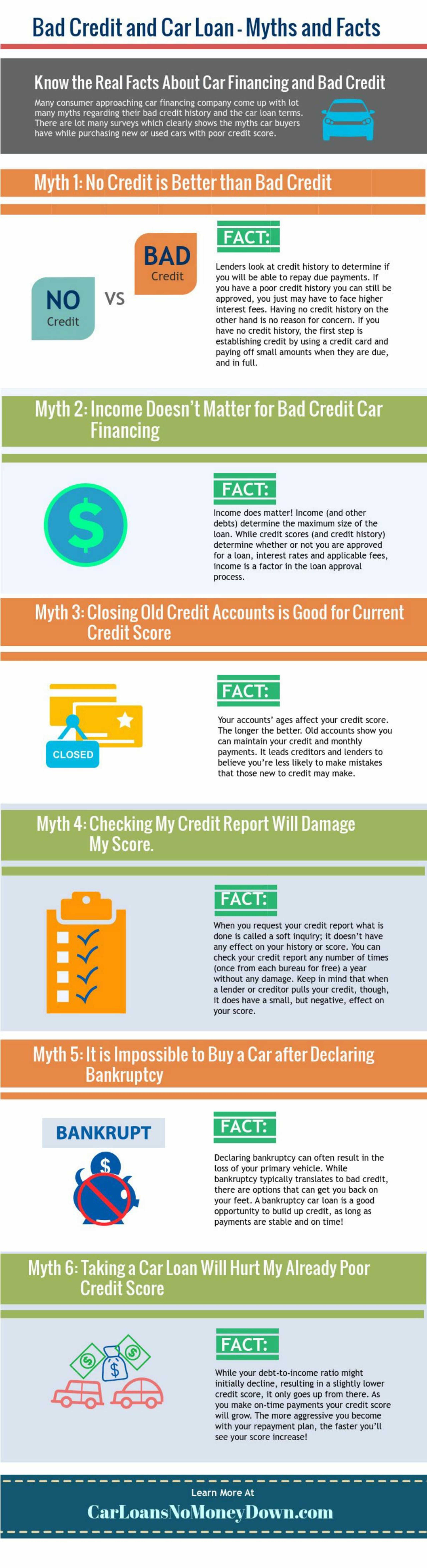
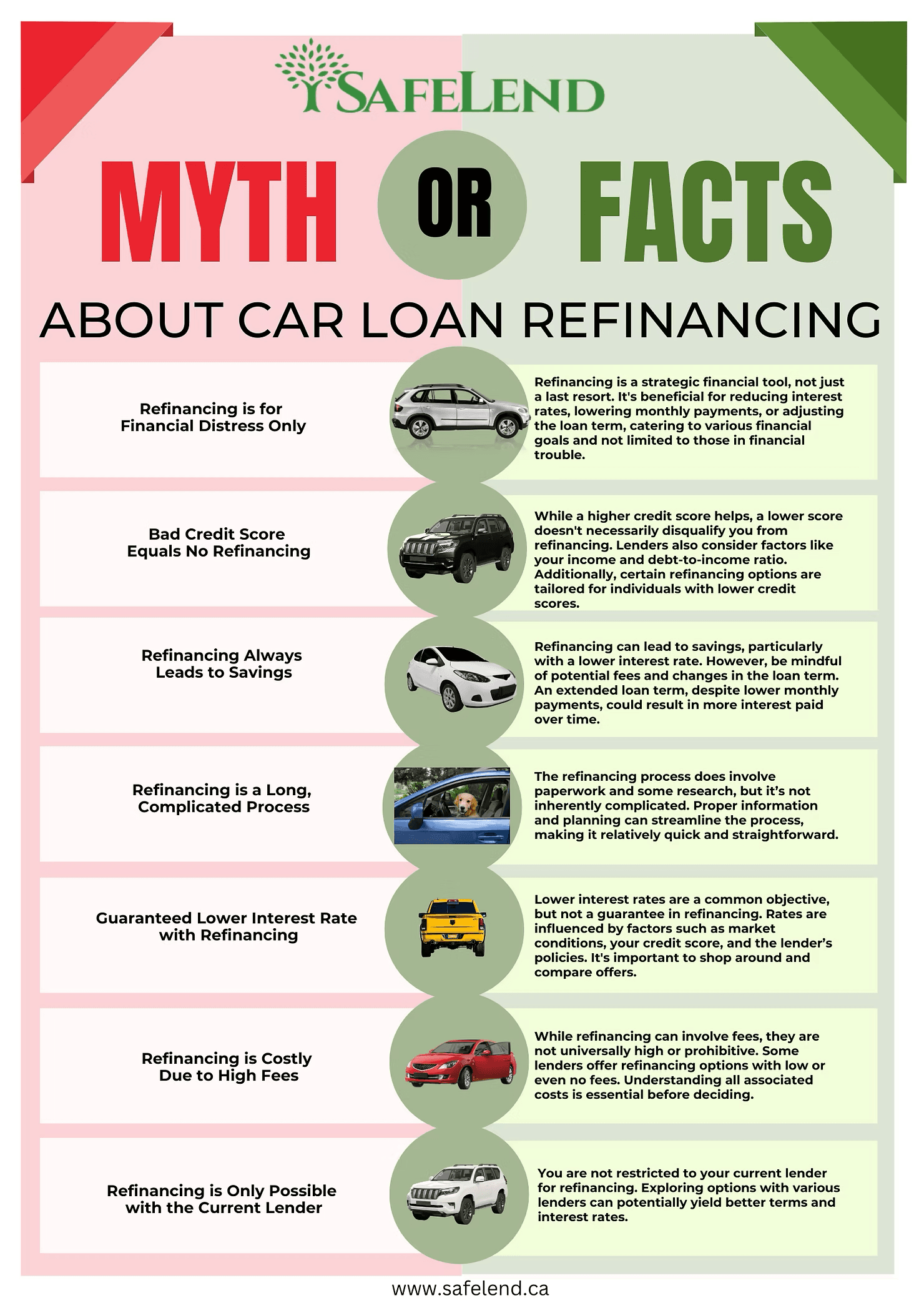
Debunking common misconceptions about Arvest Bank auto loans helps buyers make smarter financing decisions. Many consumers assume regional financial institutions require flawless credit, charge hidden prepayment penalties, or cannot compete with dealership financing. In reality, Arvest offers flexible lending tiers, competitive auto-pay rate discounts, transparent pre-qualification options, and penalty-free early payoff schedules on standard consumer vehicle loans.
Myth 1: You Need Perfect Credit to Secure an Arvest Auto Loan
One of the most persistent myths surrounding regional bank financing is that institutions like Arvest Bank only lend to applicants with tier-one, prime credit scores (typically 740 and above). This misconception leads many potential car buyers to assume they will be automatically rejected if they have a fair credit score or a thin credit file.
Arvest Bank employs a risk-based pricing model that evaluates a spectrum of credit profiles rather than relying on a strict pass/fail cutoff. While applicants with higher FICO scores benefit from the lowest advertised Annual Percentage Rates (APR), borrowers with moderate or rebuild-stage credit can still secure approval.
Underwriters evaluate creditworthiness through several interconnected factors:
- Debt-to-Income (DTI) Ratio: Lenders measure your monthly debt obligations against your gross monthly income. A lower DTI ratio can balance out a mediocre credit score by demonstrating that you have sufficient cash flow to manage a new car payment.
- Loan-to-Value (LTV) Ratio: The relationship between the loan amount and the actual market value of the vehicle plays a crucial role. Providing a larger cash down payment or trading in a vehicle with positive equity reduces the bank’s financial exposure, making approval much easier for non-prime borrowers.
- Employment and Income Stability: A continuous work history—typically two years or more in the same line of work—reassures lenders of your ongoing ability to repay the obligation.
- Co-signers: Applicants with damaged or limited credit can add a qualified co-signer to their application. The co-signer assumes joint responsibility for the loan, allowing the applicant to leverage the co-signer’s stronger credit profile to secure approval and a lower interest rate.
Believing that perfection is required stops many qualified buyers from applying for competitive bank rates, often driving them toward high-interest subprime lenders unnecessarily.
Myth 2: Pre-Approval Guarantees a Fixed Rate and Locks You into Buying
Another widespread misunderstanding involves how auto loan pre-approvals function. Borrowers frequently confuse pre-qualification with formal pre-approval, or they worry that securing a pre-approval letter legally binds them to purchase a vehicle.
A pre-approval from Arvest Bank is a conditional commitment to lend up to a specified maximum amount based on a preliminary review of your credit and financial background. It serves as a budgeting tool and negotiation leverage, not a binding sales agreement.
The Pre-Approval Timeline
- Apply Online/Branch
- Conditional Approval Issued
- Vehicle Selection (Rate Lock Window: ~30 Days)
- Final Underwriting / LTV
- Loan Funding & Purchase
Key facts to keep in mind regarding pre-approvals:
- No Obligation to Purchase: Obtaining a pre-approval letter does not obligate you to buy a car or use Arvest’s financing. If you decide not to buy, or if you choose an alternative financing option at the dealership, the pre-approval simply expires without penalty.
- Rate Lock Limitations: Rates quoted in a pre-approval are typically locked for a specific period—usually 30 days. If interest rates fluctuate or if your application remains inactive beyond the expiration window, the rate must be re-evaluated.
- Vehicle-Specific Final Approval: Pre-approval is subject to final vehicle verification. The bank must review the vehicle's year, mileage, condition, title status, and wholesale market value (via National Automobile Dealers Association or Kelley Blue Book guides) to ensure the collateral meets underwriting guidelines. If the chosen car has a salvage title or excessive mileage, final funding may be denied regardless of your credit strength.
Myth 3: Dealership Financing Is Always Cheaper Than Bank Loans
Car dealerships frequently market promotional financing rates, such as 0% or 1.9% APR, leading buyers to believe that direct bank financing is always more expensive. While promotional dealer rates can be attractive, assuming dealership financing is inherently superior is a costly error.
Dealership finance departments act as intermediaries between buyers and networks of third-party lenders, including captive finance companies owned by auto manufacturers (such as Ford Credit or Toyota Financial Services). When a dealership handles your financing, several dynamics come into play:
Captive Finance Restrictions vs. Rebates
Manufacturer promotional rates (like 0% APR) are often mutually exclusive with cash-back rebates. For example, a manufacturer might offer a choice between a $3,000 cash rebate or 0% APR financing. If you choose the 0% financing, you forfeit the cash rebate.
In many scenarios, taking the cash rebate to lower the purchase price and securing a competitive auto loan rate from Arvest yields a lower total cost of ownership over the life of the loan.
Dealer Interest Rate Markups
For standard loans outside of specialized factory promotions, dealerships often engage in rate markups. The lender provides the dealer with an approved "buy rate" (e.g., 5.5%). The dealer may then present the buyer with a "contract rate" of 6.5% or 7.0%, keeping the difference as profit. By securing a direct rate quote from Arvest Bank beforehand, you establish a firm baseline that prevents dealer markups.
Relationship Discounts
Arvest Bank offers relationship rate reductions that dealerships cannot replicate. For example, borrowers who set up recurring automatic loan payments from an active Arvest checking account often qualify for an interest rate discount (typically 0.25% to 0.50% off the standard APR). Over a 60-month loan term, this discount significantly reduces overall interest costs.
Myth 4: Arvest Charges Expensive Penalties for Paying Off Loans Early
Borrowers cautious about debt often worry about prepayment penalties—fees charged by lenders when a borrower pays off a loan ahead of the agreed schedule. A common myth is that paying off an Arvest auto loan early triggers lump-sum penalty charges to make up for the bank's lost interest.
Arvest Bank auto loans are structured as standard simple-interest consumer loans. Under a simple-interest loan agreement, interest accrues daily based on the outstanding principal balance. There are no prepayment penalties on standard Arvest consumer auto loans.
Understanding how simple interest works demonstrates the financial advantage of early payoff:
- Daily Interest Calculation: Each day, interest is calculated by multiplying the daily rate by the remaining principal balance.
- Early Payment Impact: When you make extra payments toward your principal or pay off the entire balance early, you instantly shrink the base balance on which daily interest is calculated.
- Zero Extra Fees: Whether you pay off a 60-month loan in 24 months through monthly overpayments or refinance the loan down the road, Arvest does not levy penalty fees for settling the balance ahead of schedule.
Borrowers can make bi-weekly payments, add an extra $50 to their monthly payment, or apply an annual tax refund directly to the loan principal to shorten the repayment period and save hundreds of dollars in cumulative interest.
Myth 5: You Cannot Finance Older Used Vehicles or High-Mileage Cars
Another widespread assumption is that banks only fund brand-new vehicles or certified pre-owned cars that are less than three to five years old. Borrowers looking to buy affordable, reliable older vehicles often assume they must rely on high-interest personal loans or buy-here-pay-here car lots.
While financial institutions maintain risk parameters regarding vehicle age and mileage, Arvest Bank does offer financing solutions for used and older vehicles. However, the loan terms, interest rates, and loan-to-value limits adapt to the vehicle’s profile.
Vehicle Age & Financing Impact
- New Vehicles: Lowest APRs | Longest Terms (up to 72-84 mos)
- Used (1-5 Yrs): Competitive APRs | Standard Terms (36-72 mos)
- Older / High-Mi: Higher APRs | Shorter Terms (24-48 mos)
Key operational guidelines for used vehicle financing include:
- Maximum Age Caps: Arvest typically finances vehicles up to 7 to 10 model years old, depending on the applicant's credit profile and overall loan structure.
- Mileage Thresholds: Vehicles with under 100,000 miles qualify for standard used-car financing tiers. Vehicles exceeding 100,000 to 125,000 miles may still qualify, but they require stricter LTV checks and may be capped at shorter repayment terms.
- Valuation Standards: The maximum loan amount for an older used vehicle is strictly anchored to its wholesale or clean trade-in value (evaluated via industry guides like NADA or Kelley Blue Book), rather than the seller's asking price. If a seller lists an older car above market value, the buyer must cover the difference out-of-pocket as a down payment.
- Term Adjustments: Older vehicles carry shorter maximum loan terms (e.g., 36 or 48 months instead of 72 months) to ensure the vehicle’s operational life outlasts the loan contract and to prevent the borrower from falling into negative equity.
Myth 6: Submitting an Arvest Online Application Will Ruin Your Credit Score
Fear of damaging credit scores stops many consumers from shopping around for auto loans. A common myth claims that submitting an online application to Arvest causes a massive, long-lasting drop in your credit score.
While submitting a formal loan application does generate a hard credit inquiry, the actual impact on your credit score is minor and temporary—provided you understand how credit scoring models handle auto loan rate shopping.
Soft vs. Hard Inquiries
Checking your rates via preliminary pre-qualification tools often involves a "soft inquiry," which has zero impact on your credit score. When you proceed to a full, formal loan application, Arvest performs a "hard inquiry" to pull your official credit report. A single hard inquiry typically reduces a FICO score by fewer than five points.
The Rate-Shopping Window
Consumer protection rules under the Fair Credit Reporting Act (FCRA) and modern credit scoring models (FICO and VantageScore) recognize that consumers need to shop for the best financing terms.
Scoring models treat multiple hard inquiries for auto financing within a specific timeframe as a single credit inquiry:
- FICO Score Window: Depending on the specific FICO version used by the lender, all auto loan inquiries made within a 14-day to 45-day window are grouped together and counted as one single inquiry.
- VantageScore Window: VantageScore groups all auto loan inquiries occurring within a rolling 14-day window into a single event.
This built-in grace period allows you to apply for pre-approval with Arvest Bank and compare it against quotes from other lenders or dealerships within a two-week span without compounding negative impacts on your credit score.
Arvest Auto Loan Parameters & Guidelines Overview
To help evaluate vehicle financing options, the following table summarizes key terms, conditions, and requirements across common loan categories.
| Loan Category | Typical Maximum Term | Rate Discount Eligibility | Prepayment Penalty | Primary Underwriting Requirements |
|---|---|---|---|---|
| New Vehicle Financing | Up to 72–84 Months | Yes (0.25%–0.50% via Auto-Pay) | None | Proof of income, valid state ID, full coverage insurance, MSRP invoice |
| Used Vehicle (1–5 Years Old) | Up to 60–72 Months | Yes (0.25%–0.50% via Auto-Pay) | None | Proof of income, vehicle NADA value check, mileage under 100k preferred |
| Older Used Vehicle (>5 Years Old) | 36 to 48 Months | Yes (0.25%–0.50% via Auto-Pay) | None | Stricter LTV limits, clean title (no salvage/rebuilt), lower mileage caps |
| Auto Loan Refinance | Matches remaining term (up to 72 mos) | Yes (0.25%–0.50% via Auto-Pay) | None | Existing loan pay-off statement, vehicle registration, current income proof |
Note: Specific rates, terms, and approval criteria depend on individual creditworthiness, collateral evaluation, and regional market conditions. Contact an Arvest loan officer for personal rate lock figures.
How to Apply for an Arvest Car Loan: Step-by-Step Guide
Navigating the auto loan process efficiently requires clean documentation and clear execution. Following a structured step-by-step approach ensures you secure optimal rates while avoiding common financing bottlenecks.
- Step 1: Check Credit & DTI
- Step 2: Gather Required Documents (Pay stubs, ID, Insurance)
- Step 3: Submit Arvest Online/Branch Application
- Step 4: Receive Pre-Approval Letter & Establish Budget
- Step 5: Select Vehicle & Verify NADA/KBB Collateral Value
- Step 6: Execute Loan Documents & Set Up Auto-Pay Discount
Step 1: Review Your Credit and Budget
Before submitting an application, pull your credit reports from AnnualCreditReport.com to check for errors or outdated collection accounts. Calculate your gross monthly income and existing debt obligations to determine your target monthly vehicle payment. Aim to keep total vehicle expenses (loan payment, fuel, and insurance) below 15% to 20% of your net monthly income.
Step 2: Gather Documentation
Streamline underwriting by gathering necessary paperwork ahead of time:
- Identification: Valid driver's license or government-issued ID.
- Proof of Income: Recent pay stubs (covering the last 30 days) or complete tax returns (W-2s/1099s for self-employed applicants).
- Proof of Residence: Utility bill or lease agreement if your current address differs from your credit report.
- Vehicle Documentation: For private sales or refinancing, obtain the vehicle identification number (VIN), exact mileage, and current title/lienholder details.
Step 3: Submit Your Application
Submit an auto loan application online via the Arvest Bank portal, over the phone, or in person at a local branch. Specify your desired loan amount and loan term. Arvest’s underwriting system will perform a credit review and evaluate your financial information.
Step 4: Receive Pre-Approval and Shop for Vehicles
Once conditionally approved, you will receive a pre-approval letter outlining your maximum loan amount, approved interest rate, and term length. Take this letter with you when shopping at franchised dealers, independent car lots, or meeting with private sellers.
Step 5: Finalize Vehicle Verification and Underwriting
After selecting a vehicle, submit the vehicle details (purchase agreement, bill of sale, and VIN) to Arvest. The bank verifies that the purchase price aligns with the vehicle’s market value (LTV review) and confirms the vehicle title is clean (free of salvage, flood, or lemon designations).
Step 6: Sign Closing Documents and Set Up Auto-Pay
Complete the final loan agreements. To maximize interest savings, enroll in automatic payments from an active Arvest checking account to secure available relationship rate discounts. Once signed, Arvest issues a cashier's check or directly disburses funds to the seller, allowing you to take delivery of your vehicle.
Common Auto Loan Pitfalls to Avoid
Even informed buyers can fall into financial traps during the vehicle purchasing process. Avoiding these mistakes ensures long-term financial health:
- Focusing Only on Monthly Payments Instead of Total Cost: Sales representatives often stretch loan terms (e.g., to 72 or 84 months) to lower the monthly payment. While the monthly obligation drops, extending the term drastically increases total interest paid over the life of the loan and raises the risk of negative equity (owing more on the car than it is worth).
- Ignoring Taxes, Title, and Registration Fees: Loan pre-approvals cover the principal cost of the car, but state sales tax, title transfer fees, and registration costs can add 5% to 10% to the total purchase price. Make sure your loan amount or cash down payment accounts for these out-of-pocket expenses.
- Forgetting Vehicle Insurance Requirements: Financed vehicles require full coverage auto insurance (comprehensive and collision coverage) with maximum deductible limits set by the lender (typically $500 or $1,000). Verify insurance premium costs for your prospective vehicle before finalizing the loan, as sports cars or luxury models can significantly increase monthly insurance costs.
- Skipping GAP Insurance Evaluation: Guaranteed Asset Protection (GAP) insurance covers the financial gap between what insurance pays out if your car is totaled and what you owe on the loan. If you make a down payment of less than 20%, evaluate whether adding low-cost GAP insurance makes sense for your risk tolerance.
Frequently Asked Questions
Does Arvest Bank charge an application fee for auto loans?
No, Arvest Bank does not charge an upfront application fee to apply or request a pre-approval for a consumer auto loan. Fees associated with loan closing typically relate to state title transfer fees, registration, or filing fees required by local government agencies.
Can I use an Arvest car loan to buy a vehicle from a private seller?
Yes, Arvest provides financing for private-party sales in addition to dealership purchases. The transaction requires additional documentation, including the seller's title, a formal bill of sale, and a VIN verification to ensure there are no unrecorded liens on the vehicle.
How long does the Arvest auto loan approval process take?
Online and in-branch auto loan applications often receive conditional approval within a few hours to one business day. Final funding depends on how quickly you provide proof of income, insurance verification, and vehicle documentation.
How do I qualify for the Arvest automatic payment interest rate discount?
To receive the relationship rate discount (typically 0.25% to 0.50% off your APR), you must set up automatic monthly loan payments drawn directly from an eligible Arvest checking account. If the automatic payment schedule is canceled during the loan term, the interest rate may revert to the standard non-discounted rate.
Can I refinance an existing car loan from another bank with Arvest?
Yes, Arvest offers auto loan refinancing. If your credit score has improved since you originally bought your car or if general interest rates have dropped, refinancing your loan through Arvest can lower your monthly payment, reduce your interest rate, or shorten your overall loan term.
What happens if I am upside down on my current trade-in vehicle?
If you owe more on your current vehicle than its market trade-in value (known as negative equity), Arvest may allow you to roll a portion of that negative equity into your new loan, subject to maximum Loan-to-Value (LTV) limits. However, doing so increases your new principal balance and total interest costs, so providing a cash down payment to absorb the negative equity is generally recommended.
Smart Next Steps for Car Buyers
Navigating vehicle financing successfully comes down to preparation and clearing away myths. Before stepping onto a car lot, check your credit reports, calculate an accurate monthly budget that includes insurance and maintenance, and gather your proof-of-income documents.
Applying for a pre-approval directly through Arvest Bank establishes a clear spending limit and creates a benchmark interest rate. By leveraging auto-pay relationship discounts and selecting a manageable loan term, you can secure affordable financing while maintaining long-term financial flexibility.
Disclaimer: This article is for informational purposes only and does not constitute formal financial, legal, or credit counseling advice. Specific interest rates, loan terms, and eligibility requirements vary based on individual creditworthiness, vehicle age, collateral valuation, and regional guidelines. Contact an official Arvest Bank representative or loan officer for personalized underwriting details.