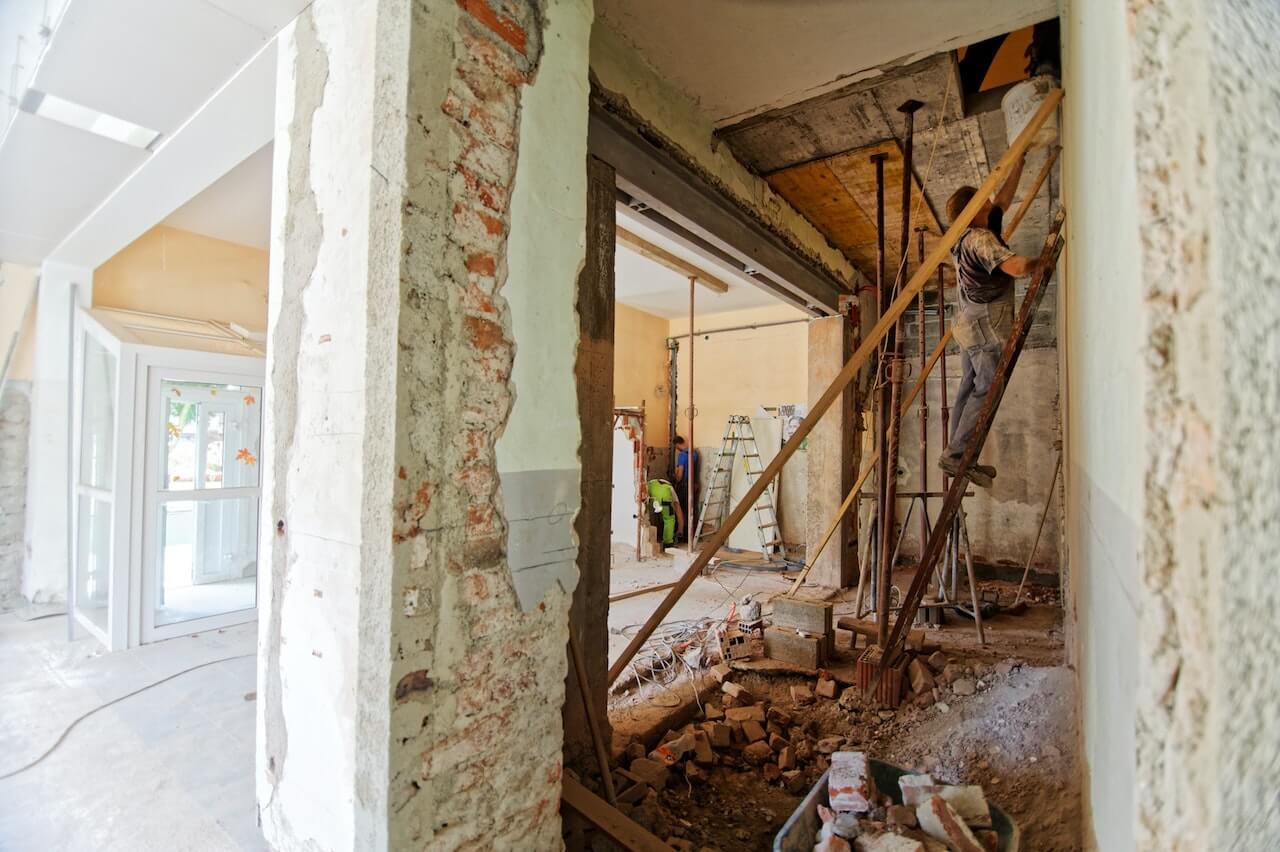
The acronym ARV stands for After Repair Value in real estate, representing an asset's estimated market value after undergoing complete renovation. In medicine, ARV primarily denotes Antiretroviral drugs used to treat retroviral infections like HIV, or Anti-Rabies Vaccine used for rabies prevention. The meaning depends entirely on the professional context.
Disambiguation Overview: What Does ARV Stand For?
Because three-letter acronyms are frequently recycled across industries, ARV carries critical meanings in finance, clinical healthcare, defense, and property investment. Understanding the specific definition within your field prevents costly miscommunications—whether managing an investment portfolio or interpreting clinical treatment protocols.
| Industry / Domain | Full Name / Meaning | Primary Application | Core Function / Purpose |
|---|---|---|---|
| Real Estate Investment | After Repair Value | Property valuation, flipping, underwriting | Estimates a property's prospective market price post-renovation |
| Medicine (Infectious Disease) | Antiretroviral (Drug / Therapy) | HIV/AIDS treatment protocols | Suppresses viral replication, preserves immune function |
| Medicine (Immunization) | Anti-Rabies Vaccine | Rabies pre- and post-exposure prophylaxis | Induces immunity against the rabies virus |
| Defense & Military | Armored Recovery Vehicle | Combat engineering and logistics | Extracts and repairs damaged or mired armored vehicles |
| Finance & Taxation | Annual Rental Value / Average Resale Value | Property taxation, fleet asset valuation | Assesses baseline rental yield or historical asset depreciation |
ARV in Real Estate: After Repair Value Explained
In real estate investing, After Repair Value (ARV) is the cornerstone metric used to evaluate distressed properties, fix-and-flip projects, and wholesale opportunities. ARV represents the estimated fair market value of a home after all planned repairs, modernizations, and structural improvements have been completed.
Accurate ARV calculations prevent investors from overpaying for property acquisitions, exceeding renovation budgets, or failing to secure adequate financing from hard money lenders.
- ARV Calculation Flow:
- Distressed Property + Scope of Repairs = Completed Project
- Completed Project + Comparable Sales (Comps) + Adjustments = FINAL ARV
How to Calculate Real Estate ARV
Determining a property’s ARV is both a quantitative and comparative process. Investors and licensed real estate appraisers evaluate recently sold properties (known as "comps" or comparable properties) that share similar characteristics with the target property in its fully renovated state.
To compute an accurate ARV, follow these core steps:
- Identify Comparable Properties (Comps): Locate 3 to 5 properties that have sold within the last 90 to 180 days. Comps must be located within a tight geographic radius (typically within 0.5 to 1 mile in suburban areas, or a few blocks in dense urban settings).
- Filter by Property Specifications: Ensure comps closely match the subject property’s target physical attributes:
- Square footage (ideally within +/- 10% to 15%)
- Number of bedrooms and bathrooms
- Lot size and topography
- Architectural style, age, and construction type
- Assess Finish Levels: Comps must reflect the same level of interior and exterior updates that your planned rehab will deliver (e.g., quartz countertops, modern HVAC systems, updated flooring, and roof replacements).
- Apply Feature Adjustments: Adjust the sale prices of comparable properties to account for unalterable differences. For example, if a comp has a two-car garage and your subject property only has a carport, subtract the market value of a garage from that comp's sale price.
- Calculate Average Adjusted Value: Average the adjusted sales prices of your chosen comps to derive the final ARV baseline.
The 70% Rule and Maximum Allowable Offer (MAO)
Real estate investors rely heavily on the 70% Rule to establish safe purchase thresholds. The rule dictates that an investor should pay no more than 70% of the property's estimated ARV, minus the projected renovation costs.
The resulting baseline is called the Maximum Allowable Offer (MAO).
$$\text{MAO} = (\text{ARV} \times 0.70) - \text{Estimated Repair Costs}$$
Example Calculation:
Suppose a distressed property is identified in a suburban market:
- Estimated ARV (based on comps): $400,000
- Estimated Rehab Costs: $60,000
Applying the MAO formula:
$$\text{MAO} = ($400,000 \times 0.70) - $60,000$$ $$\text{MAO} = $280,000 - $60,000 = $220,000$$
In this scenario, the investor should offer no more than $220,000 to purchase the property. The remaining 30% margin accounts for holding costs (taxes, insurance, utility bills during construction), lender interest rates, closing fees, real estate agent commissions, and target profit margins.
Critical Pitfalls in Estimating ARV
- Selecting Overly Distant Comps: Relying on sales outside the immediate neighborhood can distort values, as school districts, municipal boundaries, and natural barriers (such as major highways or rivers) significantly impact market demand.
- Ignoring Market Shifts: Real estate markets fluctuate based on interest rates and local inventory. Relying on comps from a period of lower mortgage rates can artificially inflate your estimated ARV.
- Underestimating Rehab Scope: Scope creep and unanticipated structural repairs (e.g., foundation stabilization, electrical rewiring) reduce profit margins if the initial ARV estimate was too tight.
ARV in Medicine: Antiretroviral Therapy and Vaccines
In healthcare, ARV refers to two entirely distinct clinical topics: Antiretroviral medications used in managing viral infections like HIV, and Anti-Rabies Vaccines used in preventative emergency medicine.
| Antiretroviral (HIV/AIDS) | Anti-Rabies Vaccine (PEP) |
|---|---|
| Suppresses viral load | Administered post-exposure |
| Restores immune function | Prevents rabies virus entry |
| Daily lifetime compliance | Strict multi-dose schedule |
1. Antiretrovirals (ARVs) in HIV/AIDS Management
In viral oncology and infectious disease, ARV stands for Antiretroviral. These specialized pharmacological agents inhibit the replication cycles of retroviruses—most notably Human Immunodeficiency Virus type 1 (HIV-1).
When multiple ARVs are combined into a daily treatment regimen, the protocol is called Antiretroviral Therapy (ART) or Combination Antiretroviral Therapy (cART).
Drug Classes and Mechanisms of Action
Antiretroviral agents target specific stages of the viral replication cycle:
- Nucleoside/Nucleotide Reverse Transcriptase Inhibitors (NRTIs): Block the viral enzyme reverse transcriptase, preventing HIV from converting its single-stranded RNA into double-stranded viral DNA.
- Non-Nucleoside Reverse Transcriptase Inhibitors (NNRTIs): Bind directly to the reverse transcriptase enzyme, altering its structural form and rendering it inactive.
- Protease Inhibitors (PIs): Block viral protease, preventing newly formed viral particles from maturing into infectious virions.
- Integrase Strand Transfer Inhibitors (INSTIs): Prevent HIV DNA from integrating into the CD4 host cell genome, halting viral DNA transcription.
- Entry/Fusion Inhibitors & Coreceptor Antagonists: Prevent HIV from binding to or entering human CD4 cells.
Clinical Goals of ARV Treatment
Modern clinical practice guided by organizations like the World Health Organization (WHO) and the U.S. Department of Health and Human Services (HHS) emphasizes early ARV initiation upon HIV diagnosis.
- Clinical Impact of ART:
- ARV Initiation
- Viral Load Suppression
- CD4 Gain
- U=U Status Achieved
Primary clinical outcomes include:
- Viral Suppression: Reducing plasma HIV RNA levels below the limit of detection (typically <20 to <50 copies/mL).
- Immune Reconstitution: Allowing host CD4+ T-lymphocyte counts to recover, restoring immunocompetence and preventing opportunistic infections.
- Prevention of Transmission (U=U): Individuals maintaining an undetectable viral load on ARVs carry zero risk of sexually transmitting HIV to HIV-negative partners—a concept clinically validated as Undetectable = Untransmittable (U=U).
2. Anti-Rabies Vaccine (ARV) in Emergency Medicine
In emergency medicine and epidemiology, ARV serves as an acronym for Anti-Rabies Vaccine. Rabies is an almost uniformly fatal viral encephalomyelitis transmitted through animal bites or saliva contact with broken skin.
Post-Exposure Prophylaxis (PEP) Guidelines
When an individual is exposed to a potentially rabid animal, immediate Post-Exposure Prophylaxis (PEP) is required. Guidance from the Centers for Disease Control and Prevention (CDC) and WHO mandates a combined immunologic approach:
- Wound Cleansing: Thorough washing of all bite wounds with soap, clean water, and povidone-iodine for a minimum of 15 minutes.
- Rabies Immune Globulin (RIG): Administered once on Day 0 to previously unvaccinated individuals to provide immediate passive antibody protection at the wound site.
- Anti-Rabies Vaccine (ARV) Series: Administered as a series of intramuscular injections (typically in the deltoid muscle for adults, or anterolateral thigh for young children) on specified schedule days:
- Unvaccinated Individuals: 4 doses given on Days 0, 3, 7, and 14.
- Immunocompromised Patients: 5 doses given on Days 0, 3, 7, 14, and 28.
- Previously Vaccinated Individuals: 2 doses given on Days 0 and 3 (RIG is omitted).
3. Disambiguation: ARV vs. AVR in Clinical Terminology
A common point of confusion in medical records is the transposition of letters between ARV and AVR:
- ARV: Antiretroviral or Anti-Rabies Vaccine.
- AVR: Aortic Valve Replacement (a cardiac surgical procedure to repair or replace a dysfunctional aortic heart valve).
Cardiovascular care notes will typically use AVR, whereas infectious disease charting relies on ARV. Always verify the surgical or pharmacological context to ensure correct transcript interpretation.
Secondary Meanings of ARV: Defense, Finance, and Law
While medicine and real estate represent the primary search volume for ARV, the abbreviation is actively utilized across several specialized technical disciplines.
| Defense & Military | Finance & Tax | Law / Geography |
|---|---|---|
| Armored Recovery Vehicle | Annual Rental ValueAverage Resale Value | Autonomous Region of Valencia |
1. Armored Recovery Vehicle (Military Technology)
In military engineering, an Armored Recovery Vehicle (ARV) is a specialized heavy armored fighting vehicle built to repair, tow, and extract damaged, mired, or disabled combat vehicles (such as Main Battle Tanks) under fire or in challenging terrain.
ARVs are equipped with high-capacity winches, heavy-duty cranes, stabilizing blades, and specialized field-repair equipment. Prominent historical and operational examples include the American M88 Recovery Vehicle and the German Bergepanzer Büffel.
2. Finance and Taxation: Annual Rental Value & Average Resale Value
Within international tax structures and corporate fleet administration, ARV carries two distinct financial definitions:
- Annual Rental Value: Used by municipal taxing authorities (notably in Commonwealth jurisdictions and local property rating systems) to estimate the gross annual rent a real property could reasonably command in an open market. This figure serves as the tax base for local rates and assessments.
- Average Resale Value: Used in corporate asset management and auto fleet leasing to calculate expected capital return when retiring fixed assets or vehicles after a specified depreciation lifecycle.
Technical Comparison Across Domains
To clearly illustrate how ARV is applied across sectors, consider the following structural breakdown:
| Metric / Aspect | Real Estate (After Repair Value) | Medicine (Antiretroviral Therapy) | Defense (Armored Recovery Vehicle) |
|---|---|---|---|
| Primary Domain | Property Valuation & Investing | Infectious Disease Treatment | Military Logistics & Engineering |
| Key Formula / Standard | $\text{ARV} = \text{Base Comp Price} \pm \text{Adjustments}$ | Combination Regimens (2 NRTIs + INSTI/PI) | NATO Heavy Recovery Specifications |
| Primary Risk Factor | Incorrect comps, rehab cost overruns | Viral resistance, non-adherence | Field recovery under opposing fire |
| Governing Bodies | Appraisals (USPAP), Fannie Mae / HUD | WHO, CDC, NIH, FDA | Department of Defense, NATO |
| Primary Metric Output | Estimated currency value ($/€/£) | Plasma HIV RNA viral load (copies/mL) | Tonnage tow capacity / Winch pull |
Frequently Asked Questions
What does ARV stand for in real estate?
In real estate, ARV stands for After Repair Value. It represents the estimated fair market value of a property after all planned renovations, repairs, and updates have been completed. Investors use ARV to determine maximum purchase offer prices and secure financing.
How is ARV used to calculate a property's MAO?
ARV is used in the 70% Rule formula to determine the Maximum Allowable Offer (MAO). The formula is:
$$\text{MAO} = (\text{ARV} \times 0.70) - \text{Estimated Repair Costs}$$
This ensures the investor maintains an adequate margin for holding costs, transaction fees, and profit.
What is the difference between ARV and AVR in healthcare?
ARV stands for Antiretroviral (drugs used to treat retroviruses like HIV) or Anti-Rabies Vaccine. AVR stands for Aortic Valve Replacement, a cardiac surgical procedure. They are distinct medical terms that should not be used interchangeably.
What are ARV drugs used for?
ARV (Antiretroviral) drugs are used to control HIV infections. They suppress the replication of the virus in the body, lower viral loads to undetectable levels, protect the CD4 cell count, and prevent progression to AIDS and sexual transmission of the virus.
How do real estate appraisers calculate ARV?
Appraisers calculate ARV by conducting a Comparative Market Analysis (CMA). They identify recently sold properties ("comps") within a close geographic radius that match the subject property’s intended size, layout, condition, and finish level, making line-item financial adjustments for minor physical differences.
Summary and Practical Recommendations
When reading or drafting technical documents, clarify the operational context of ARV:
- For Real Estate Investors & Lenders: Always base ARV estimates on recent, verified sales data (comps) within the past 3–6 months. Apply conservative estimates to repair budgets and calculate the Maximum Allowable Offer (MAO) to maintain appropriate risk margins.
- For Healthcare Professionals & Medical Writers: Ensure clear distinction between Antiretroviral medications, Anti-Rabies Vaccines, and surgical terms like Aortic Valve Replacement (AVR). For HIV management, adhere strictly to established clinical guidelines provided by the World Health Organization and the Centers for Disease Control and Prevention.
- For Defense & Fleet Operations: Specify whether ARV refers to physical support armor (Armored Recovery Vehicle) or financial resale models (Average Resale Value) within operational documentation.
By anchoring the abbreviation to its correct industry framework, you ensure precise communication, whether evaluating a real estate asset, prescribing clinical treatment, or managing technical operations.