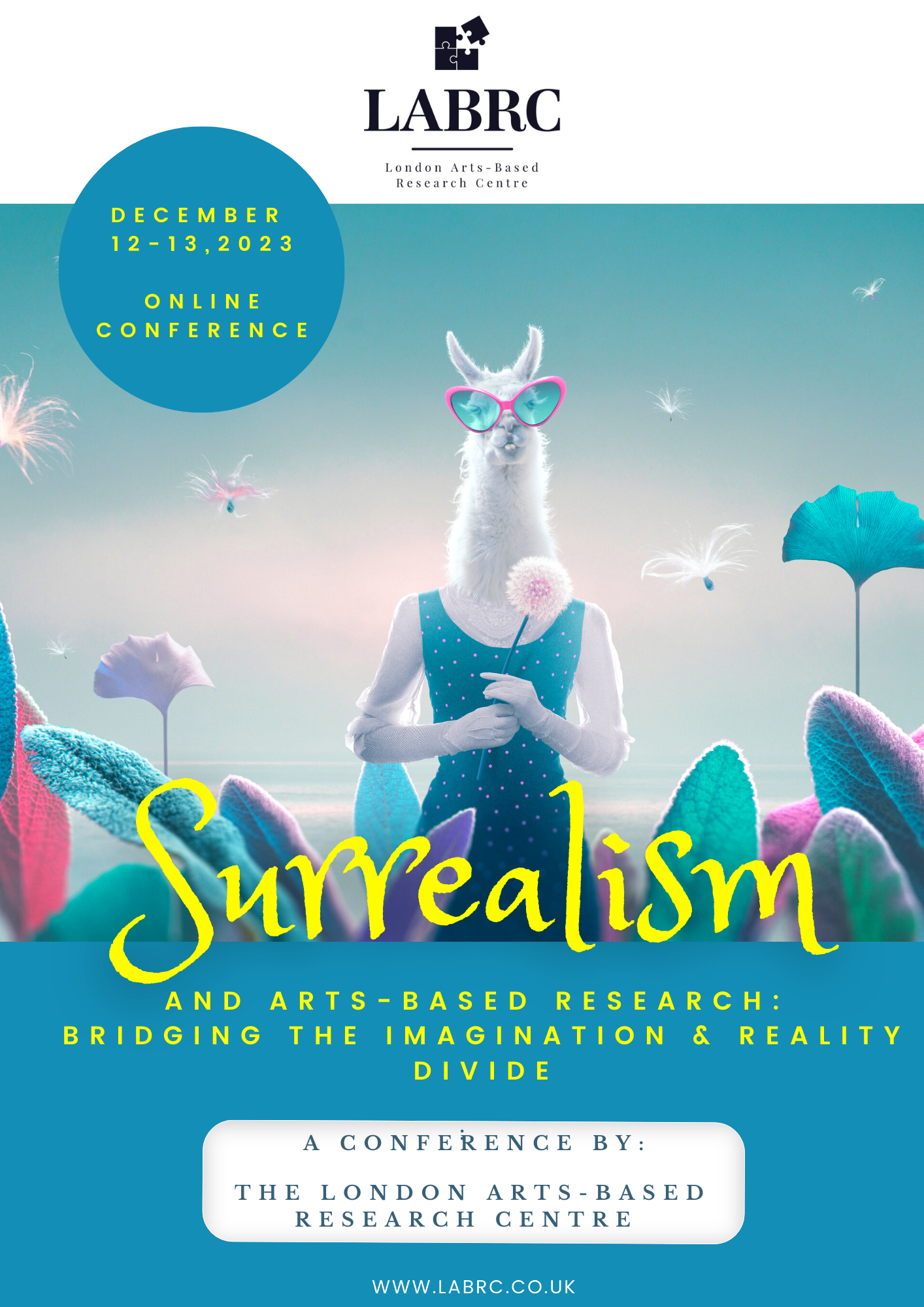
Arts based research (ABR) is a transdisciplinary approach to inquiry that uses the creative arts—including visual arts, performance, literary forms, and music—as a primary mode of investigation and dissemination. It allows researchers to explore complex human experiences and social phenomena that are often inaccessible through traditional quantitative or purely linguistic qualitative methods.
Understanding the Landscape of Arts Based Research in 2026
By 2026, arts based research has moved from the periphery of academic inquiry to a central position within social sciences, education, healthcare, and community development. This paradigm shift acknowledges that human knowledge is not only propositional or digital but also sensory, emotional, and relational. ABR operates on the premise that the creative process itself is a way of "knowing."
Unlike traditional research that might use art simply as a tool for data collection (such as asking a participant to draw a picture during an interview), true ABR treats the artistic practice as the research methodology. In this framework, the researcher is often an artist-practitioner, and the "data" is generated, analyzed, and shared through artistic medium. This approach is particularly effective for addressing the "ineffable"—those aspects of life like grief, joy, identity, and structural oppression that words often fail to fully capture.
The evolution of ABR has been fueled by the need for more inclusive and democratized research practices. Because artistic outputs—like a documentary film, a public mural, or a theatrical performance—are more accessible to the general public than a 300-page dissertation, ABR serves as a powerful bridge between the academy and the community.
Core Methodologies and Artistic Forms
Arts based research is not a monolithic method but a broad umbrella encompassing various artistic genres. Each genre offers unique "affordances"—specific qualities that make a medium suitable for certain types of inquiry.
Literary Inquiry and Poetic Inquiry
Literary inquiry uses the written word as an artistic medium. Poetic inquiry is perhaps the most common sub-type, where researchers distill interview transcripts or field notes into poems. This process, often called "found poetry," helps to highlight the emotional essence of a participant’s experience. By 2026, narrative inquiry has also expanded into "fiction-based research," where researchers write novels or short stories to explore "what if" scenarios or to protect the anonymity of participants in sensitive studies.
Visual Arts-Based Research
Visual methods include painting, photography, collage, and digital media. Photovoice is a well-established technique where participants document their own lives through photography, which then serves as the basis for critical dialogue and social change. In more contemporary ABR, researchers might use "visual journaling" or "mapping" to track the spatial and emotional dimensions of a project over time. The visual medium is particularly adept at revealing patterns and relationships that remain hidden in linear text.
Performance and Dance-Based Research
Performance-based research (including ethnodrama and ethnotheatre) involves turning research findings into scripts and staged performances. This allows the audience to witness the embodied reality of the research subjects. Similarly, dance-based research uses movement to explore physical experiences, such as the impact of chronic illness on the body or the dynamics of power in social interactions. These methods prioritize the body as a site of knowledge, challenging the Cartesian dualism that privileges the mind over physical experience.
Music and Sound-Based Research
Music-based research utilizes rhythm, melody, and soundscapes to investigate human phenomena. This might involve songwriting as a way to process trauma or using "sonic ethnography" to capture the acoustic environment of a specific community. Sound is uniquely capable of evoking memory and emotion, making it a vital tool for researchers working in psychology and sociology.
The Arts Based Research Process: A Step-by-Step Framework
Conducting ABR requires a rigorous marriage of artistic craft and systematic inquiry. The process generally follows a non-linear but structured path.
1. Identifying the Research Question and Artistic Match
Not every research question is suitable for ABR. The first step is to determine if the inquiry requires the sensory or emotional depth that the arts provide. Once the question is established (e.g., "How do refugees navigate the emotional landscape of displacement?"), the researcher must select the artistic medium that best matches the intent. For the displacement example, a "visual mapping" or "poetic inquiry" might be more effective than a statistical survey.
2. Deep Engagement and Data Generation
In ABR, the creative process is the data generation phase. If a researcher is using painting, the act of selecting colors, textures, and forms is part of the inquiry. If working with participants, the researcher facilitates their engagement with the medium. It is essential to document this process through "process notes" or "reflective journaling," which provide a trail of how the artistic decisions were made.
3. Analysis through Aesthetics
Analysis in ABR often happens within the art-making process rather than after it. A researcher might find that a certain recurring motif in their sketches represents a core theme in their study. This is known as "aesthetic intersubjectivity." However, many researchers also use traditional qualitative coding (thematic analysis) alongside their artistic analysis to provide a multi-layered interpretation of the work.
4. Representation and Dissemination
The final stage is the "showing" of the work. In ABR, the "report" is the art itself—the exhibit, the performance, or the book of poetry. In 2026, digital platforms and immersive VR (Virtual Reality) galleries have become common ways to disseminate ABR, allowing global audiences to interact with the research findings in a multisensory environment.
Evaluating Rigor: How Do We Know ABR is "Good"?
A common critique of ABR is that it is "too subjective" or "not scientific." However, ABR does not seek to meet the criteria of traditional science (validity, reliability, generalizability). Instead, it uses a different set of evaluative standards developed by scholars like Patricia Leavy and Elliot Eisner.
| Criterion | Description | Goal in ABR |
|---|---|---|
| Aesthetic Merit | The quality of the artistic craft and its ability to engage the senses. | Does the work move the audience or evoke a response? |
| Verisimilitude | The "truth-likeness" or feeling of authenticity in the work. | Does the work "ring true" to those who have lived the experience? |
| Resonance | The capacity of the work to impact the audience emotionally or intellectually. | Does the audience find a connection to their own lives? |
| Catalytic Validity | The degree to which the research motivates social change or self-reflection. | Does the work inspire action or new ways of thinking? |
| Ethical Engagement | The sensitivity and care shown toward participants and the subject matter. | Was the creative process respectful and non-extractive? |
Ethical Considerations in Artistic Inquiry
Ethics in ABR are complex because the "data" (the art) is often highly personal and visible. Unlike a transcript where names can be changed, a photograph or a performance might make participants identifiable.
Researchers must practice relational ethics, which involves ongoing consent and collaboration. If a researcher is writing a play based on interviews, they should ideally share the script with the participants to ensure their voices are represented accurately and safely. There is also the "ethics of the aesthetic"—ensuring that the art does not sensationalize or "beautify" trauma in a way that diminishes the lived reality of the subjects.
In 2026, the use of AI in ABR has introduced new ethical layers. When using generative AI to create visual representations of research data, researchers must be transparent about the source of the imagery and the potential biases inherent in the AI models used.
Common Challenges and How to Overcome Them
The "Artist vs. Researcher" Identity Crisis
Many academics feel they are not "talented enough" to do ABR, while many artists feel they lack the "academic rigor" for formal research. The solution lies in focusing on artistic sensibility rather than professional mastery. The goal is not to produce a masterpiece for a museum but to use the creative process to uncover knowledge.
Institutional Resistance
Institutional Review Boards (IRBs) and funding agencies may still struggle to categorize ABR. To overcome this, researchers should clearly articulate their "methodological justification," citing established ABR theorists and explaining how their chosen medium specifically answers the research question in a way that traditional methods cannot.
Data Overload
The creative process can be messy and produce vast amounts of "data" (sketches, recordings, drafts). Maintaining a systematic research journal is the best way to keep track of the evolution of ideas and ensure that the final artistic output remains grounded in the research intent.
Frequently Asked Questions
Can I do arts based research if I am not a trained artist?
Yes. ABR is about the process of inquiry through the arts, not necessarily the production of high-level professional art. While some level of "artistic sensibility" is needed to use the medium effectively, the focus is on what the art reveals about the research topic. Many researchers collaborate with professional artists to ensure the aesthetic quality of the final dissemination.
Is arts based research considered qualitative or quantitative?
ABR is almost exclusively situated within the qualitative paradigm, though it is often described as "performative" or "aesthetic" inquiry. It shares qualitative research's interest in meaning-making and context but differs in its use of non-linguistic data and its emphasis on sensory experience.
How do I cite arts based research in a bibliography?
Citing ABR can be unique because the "source" might be a performance or an exhibition. You should follow the standard APA, MLA, or Chicago style for the specific medium (e.g., citing a film or a live performance). When the ABR is published in a journal (like the Journal of Applied Arts & Health), use the standard journal citation format.
How is AI affecting arts based research in 2026?
AI is being used as a collaborative tool in ABR for data visualization, sound synthesis, and even generating poetic structures from large datasets. However, the core of ABR remains human-centered, as the "meaning" of the art depends on human experience and interpretation. AI is seen as an "extender" of the researcher's creative capacity rather than a replacement.
Where can I find examples of successful ABR projects?
Excellent examples can be found through the International Association of Creative Arts in Education and Therapy (IACAET) and in academic journals such as Qualitative Inquiry and the International Journal of Education & the Arts. University repositories often house dissertations that utilize ABR methodologies.
Practical Recommendations for Starting Your ABR Project
If you are looking to integrate arts based research into your work, start by identifying a "persistent tension" in your field—a question that traditional data has failed to answer fully. Begin a reflective practice by keeping a visual or narrative journal for one month, noting how the act of creating changes your perception of your research topic.
Seek out a community of practice. By 2026, many universities have "Arts-Based Research Labs" or interdisciplinary working groups. Collaborating with someone from a different discipline (e.g., a sociologist working with a dancer) is often the most effective way to ensure both methodological rigor and aesthetic depth. Finally, always keep the "audience" in mind; the ultimate power of ABR lies in its ability to make research felt, not just read.