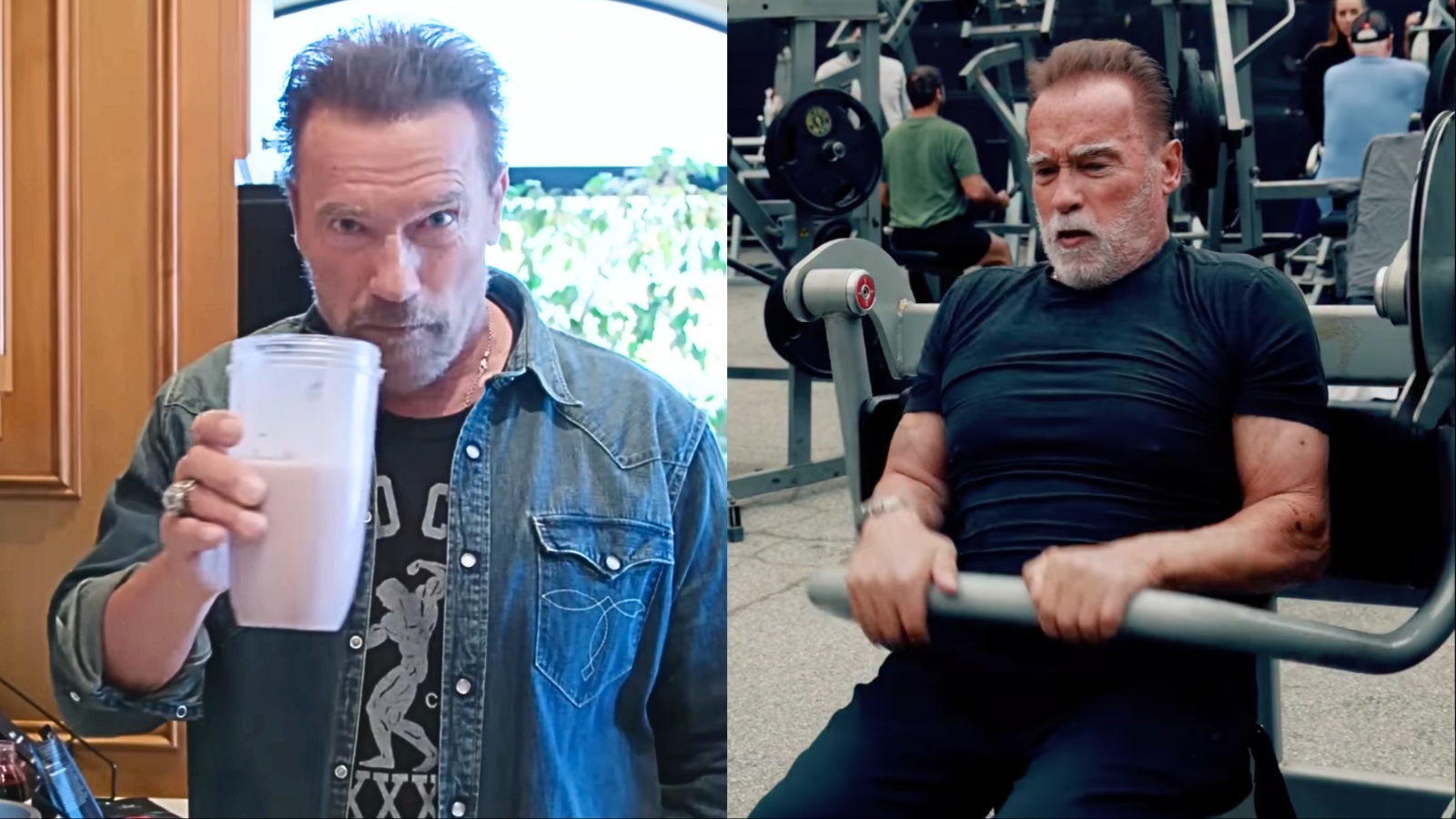
Arnold Schwarzenegger did not use creatine during his competitive bodybuilding peak in the 1970s, as the supplement was not commercially available until the early 1990s. However, in 2026, Schwarzenegger is a vocal advocate for creatine monohydrate, frequently recommending it in his health communications as one of the most research-backed supplements for muscle growth and cognitive health.
The Timeline of Creatine vs. The Golden Era of Bodybuilding
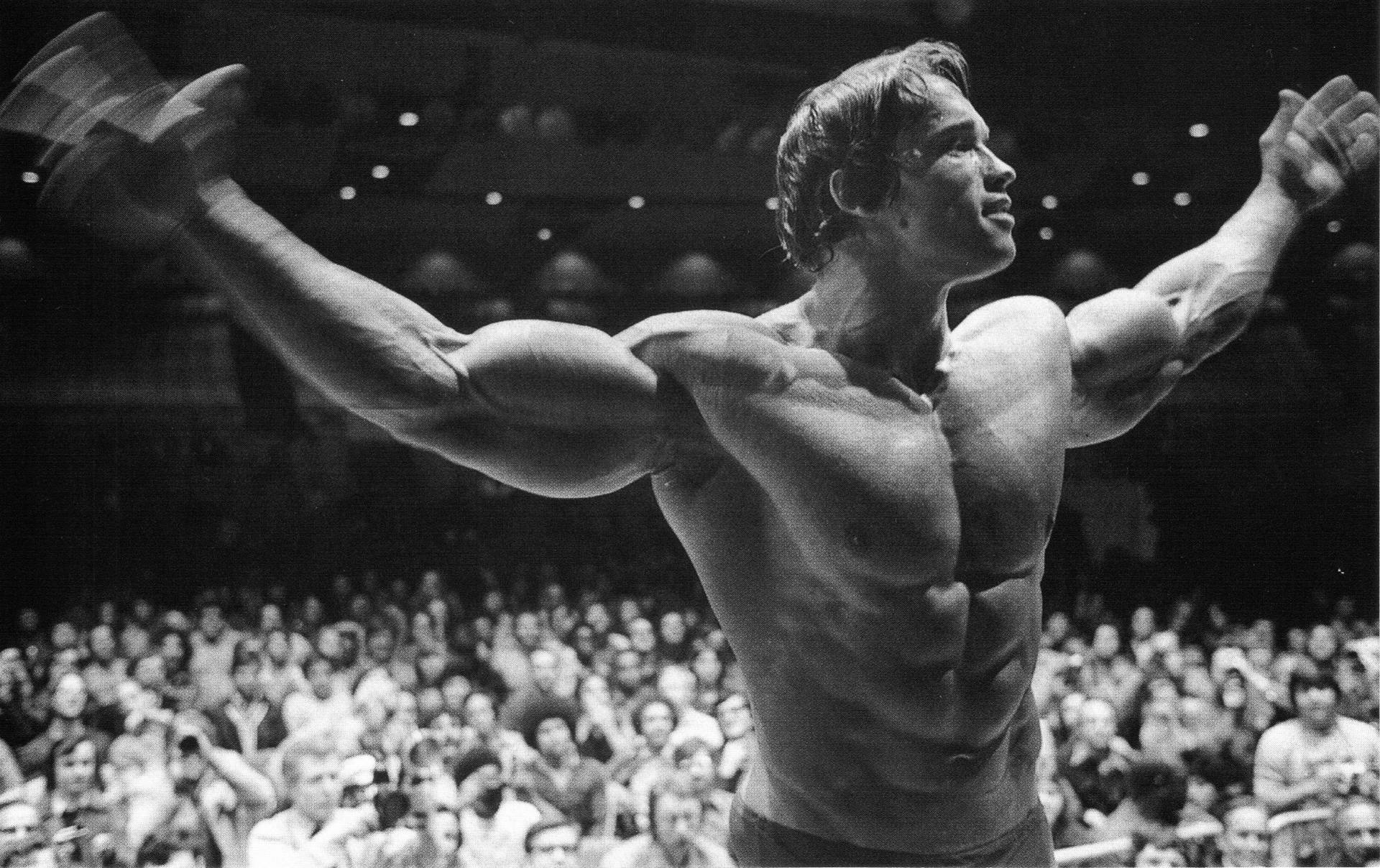
To understand why the question of whether Arnold Schwarzenegger used creatine is so prevalent, one must first look at the chronological gap between the "Golden Era" of bodybuilding and the commercial birth of the supplement industry. Arnold’s legendary physique, which earned him seven Mr. Olympia titles, was built primarily between 1968 and 1975, with a final comeback in 1980.
During this period, the supplement landscape was vastly different from what we see in 2026. Bodybuilders in the 1970s relied on whole foods and a few rudimentary supplements. Creatine, while discovered in 1832 by Michel Eugène Chevreul, did not enter the athletic consciousness until after the 1992 Barcelona Olympics. It wasn't until the mid-1990s that companies like EAS began marketing creatine monohydrate to the general public.
Therefore, the muscle mass Arnold displayed in "Pumping Iron" was achieved without the help of creatine. His supplementation routine famously consisted of desiccated liver tablets, milk and egg protein powders, and amino acids. The "pump" he famously described was the result of high-volume training and specific dietary protocols, not the cell-volumizing effects of creatine phosphate saturation.
Arnold’s Modern Stance on Creatine in 2026
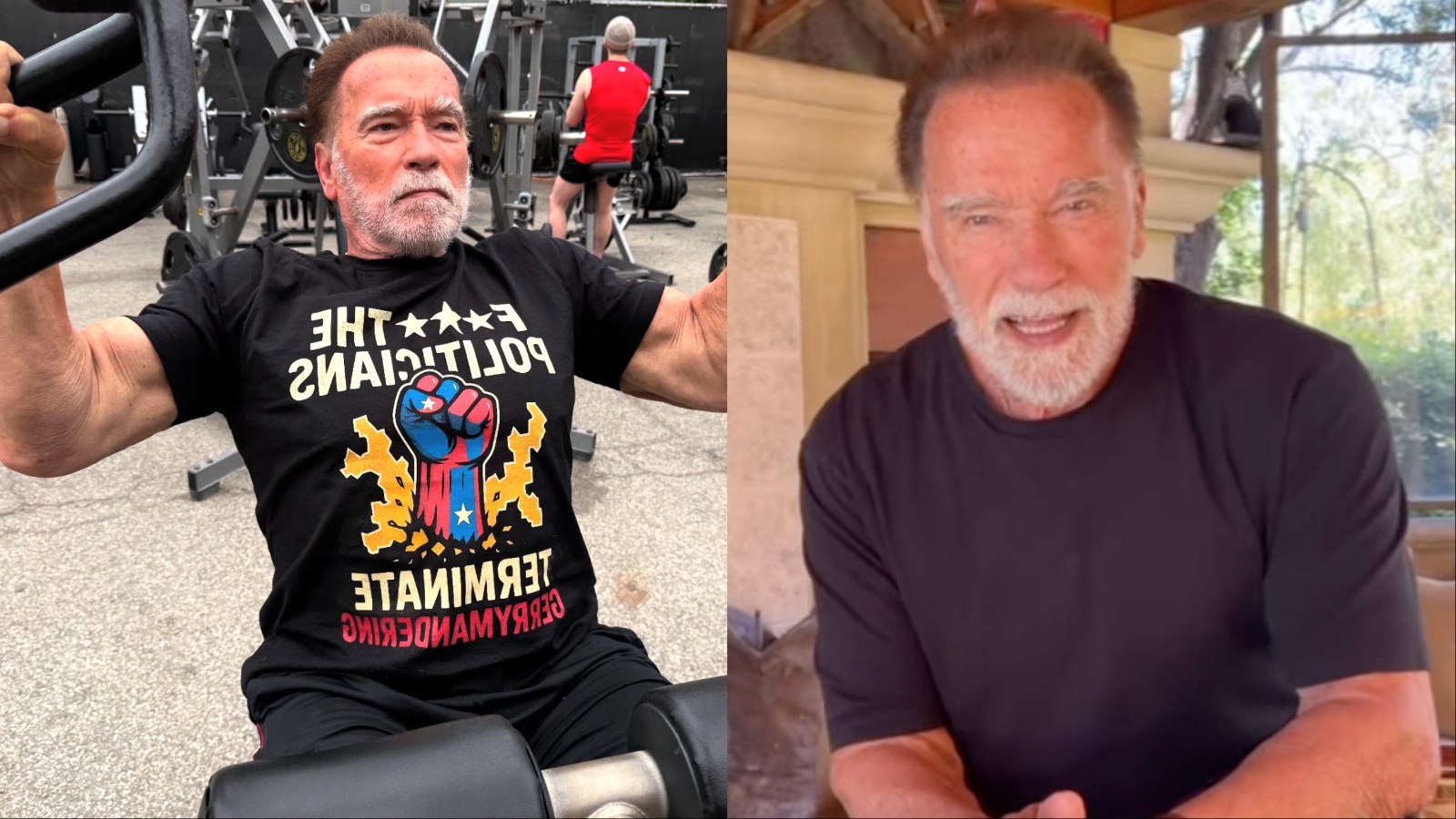
While Arnold didn't use it to win his trophies, his relationship with creatine changed as he transitioned from an athlete to a fitness statesman. By 2026, Arnold Schwarzenegger has become one of the most prominent "evidence-based" fitness influencers through his daily newsletter and fitness community.
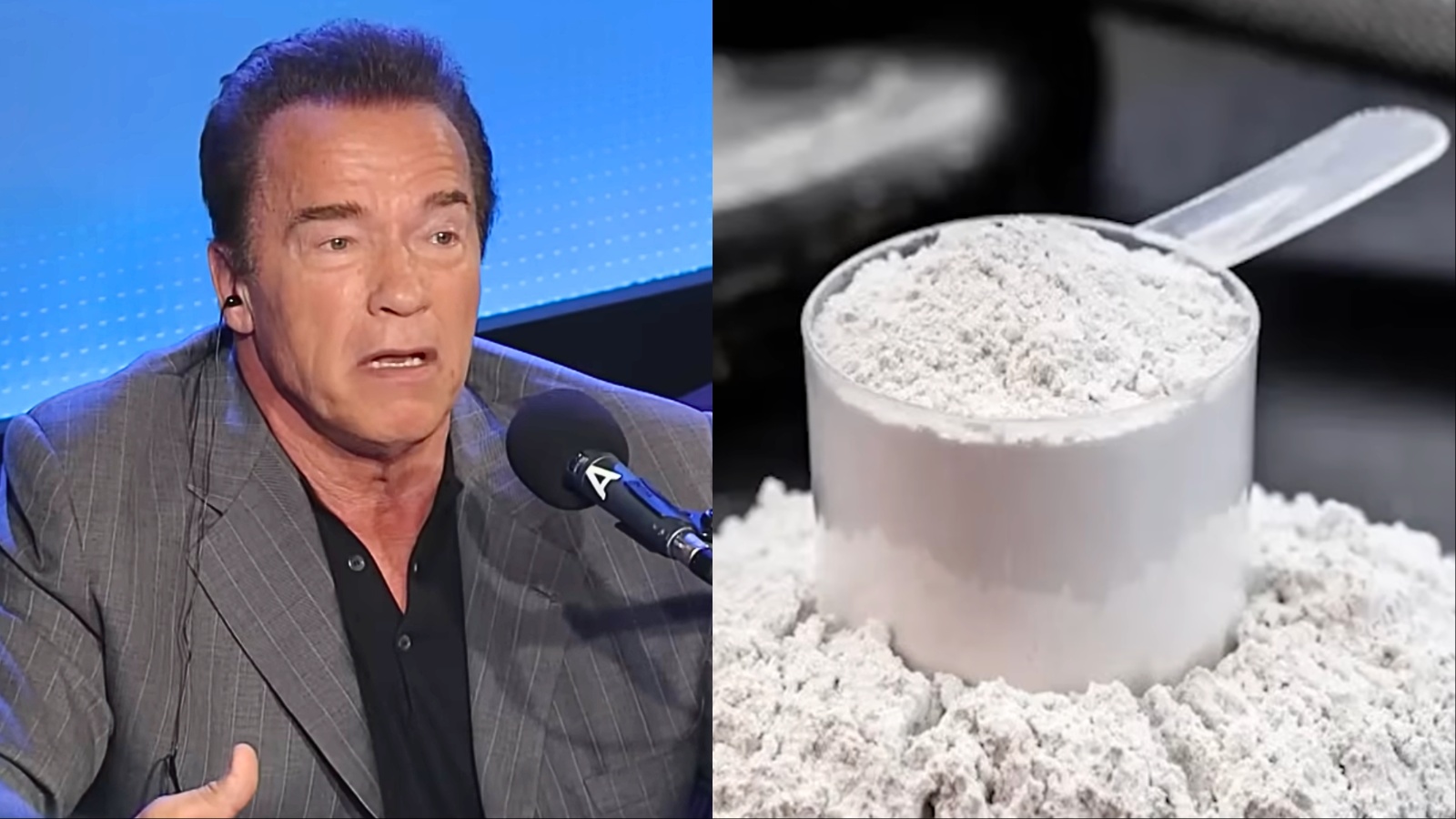
In his modern writings, Arnold frequently highlights creatine as one of the few "must-have" supplements. He often separates creatine from the "garbage" of the modern supplement industry, noting that it is one of the most studied substances in human nutrition. He emphasizes that while most supplements offer 1% improvement, creatine is one of the few that provides a measurable, significant edge in power output and recovery.
Arnold’s endorsement of creatine is not just about muscle. In recent years, he has cited studies regarding its neuroprotective benefits. As a man in his late 70s in 2026, Arnold focuses on "longevity-based performance," and creatine fits this profile by supporting brain health and preventing sarcopenia (age-related muscle loss).
How Creatine Works: The Science Arnold Endorses
To appreciate why a legend like Schwarzenegger would pivot to recommending a supplement he never used in his prime, it is necessary to understand the biological mechanisms of creatine. Creatine is a nitrogenous organic acid that occurs naturally in vertebrates and helps to supply energy to all cells in the body, primarily muscle.
The ATP-CP System
When you perform high-intensity exercise, such as the heavy squats or bench presses Arnold was known for, your muscles use Adenosine Triphosphate (ATP) for energy. However, cells only store enough ATP for a few seconds of peak effort. Once ATP is used, it loses a phosphate group and becomes Adenosine Diphosphate (ADP).
Creatine, stored in the muscles as phosphocreatine, "donates" its phosphate group to ADP, rapidly regenerating it back into ATP. This allows an athlete to squeeze out an extra two or three repetitions during a heavy set. In the long term, these extra repetitions lead to greater mechanical tension and metabolic stress, which are the primary drivers of muscle hypertrophy.
Cell Volumization and Protein Synthesis
Beyond energy production, creatine is an osmotic substance. It draws water into the muscle cells, a process known as cellular swelling or volumization. This is not "water retention" in the sense of looking bloated under the skin; rather, it makes the muscle fibers themselves more hydrated. Research cited by Arnold’s "Pump Club" suggests that this cellular swelling acts as a signal to the body to increase protein synthesis and decrease protein breakdown.
Supplementation Strategies: Lessons from the 2026 Perspective
If Arnold were competing today in 2026, his approach to creatine would likely follow the gold-standard protocols established by decades of clinical research. For those looking to emulate his results using modern tools, the following strategies represent the current consensus on effective usage.
Choosing the Right Form
Despite the marketing of "Buffered Creatine," "Creatine HCL," or "Liquid Creatine," Arnold and modern researchers consistently point back to Creatine Monohydrate. It is the most affordable, most researched, and most effective form. In 2026, the purity of monohydrate (often branded as Creapure) remains the industry benchmark for safety and efficacy.
Loading vs. Gradual Saturation
There are two primary ways to start using creatine:
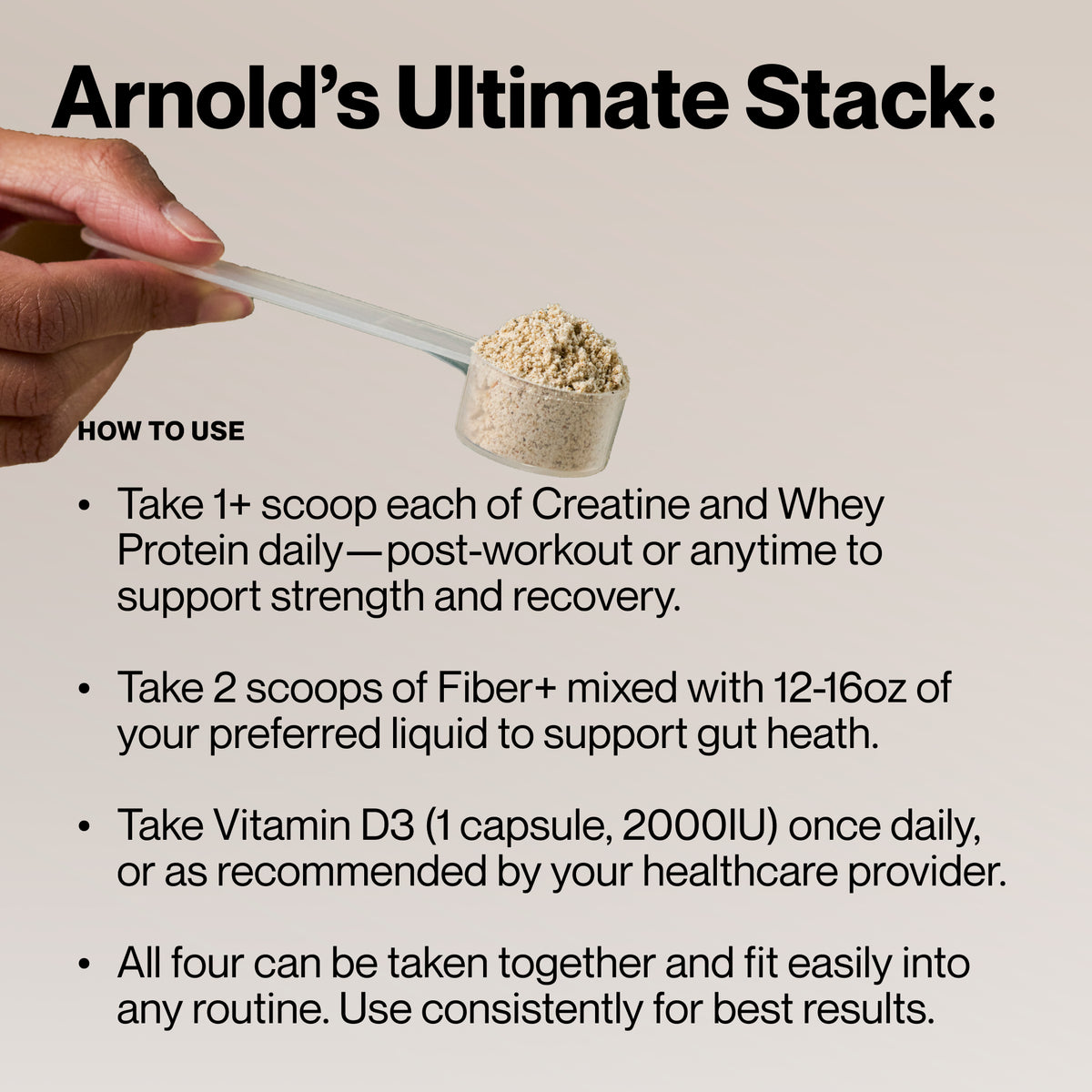
- The Loading Phase: Taking 20 grams per day (divided into four 5g doses) for 5–7 days. This rapidly saturates the muscles, allowing the user to feel the effects within a week.
- The Gradual Approach: Taking 3–5 grams per day consistently. It takes about 21–28 days to reach full muscle saturation this way, but it is often easier on the digestive system.
Arnold's current advice leans toward consistency over complexity. In his 2026 fitness guides, he stresses that the "when" of taking creatine matters far less than the "if." Taking 5 grams daily, regardless of the time of day, is sufficient for maintaining peak saturation levels.
Comparing the Golden Era and Modern Supplementation
To see the impact of creatine and modern science, it is helpful to compare the tools available to Arnold in 1975 versus the tools he advocates for in 2026.
| Feature | 1975 (Golden Era) | 2026 (Modern Era) |
|---|---|---|
| Primary Protein | Milk, eggs, and raw beef | Whey isolate and plant-based blends |
| Recovery Tool | Desiccated liver tablets | Creatine Monohydrate |
| Energy Source | Honey and black coffee | Targeted pre-workouts and Citrulline |
| Muscle Hydration | High salt intake | Creatine-driven cell volumization |
| Scientific Backing | Anecdotal and "Gym Science" | Peer-reviewed clinical trials |
| Anabolic Support | Primitive amino acid formulas | Essential Amino Acids (EAAs) & Creatine |
Addressing the Common Myths Arnold Debunks
Because Arnold is a figurehead for both old-school bodybuilding and new-school science, he is often the first to debunk myths surrounding creatine that persist even in 2026.
Myth 1: Creatine is a Steroid
Because Arnold has been open about his use of performance-enhancing drugs during his competitive years, some beginners mistakenly categorize creatine in the same group. Arnold clarifies that creatine is a natural compound found in red meat and fish, and it does not affect the hormonal system in the way anabolic steroids do.
Myth 2: Creatine Causes Hair Loss
A single 2009 study on rugby players suggested a potential increase in DHT (dihydrotestosterone), which is linked to hair loss. However, dozens of follow-up studies over the last 15 years have failed to replicate these results. In his 2026 health reports, Arnold points out that there is no direct evidence linking creatine to male pattern baldness.
Myth 3: Creatine Damages the Kidneys
For individuals with healthy, pre-existing kidney function, creatine has been proven safe across hundreds of long-term studies. The myth stems from a misunderstanding of creatinine—a waste product of creatine metabolism—which is used as a marker for kidney health. While supplement use can slightly raise creatinine levels, it does not indicate kidney damage in healthy adults.
Practical Guidance for Creatine Users in 2026
If you are looking to integrate creatine into your routine as Arnold suggests, there are a few practical considerations to maximize its effectiveness and avoid minor side effects.
- Hydration is Non-Negotiable: Since creatine pulls water into the muscle cells, your overall fluid requirements will increase. A good rule of thumb is to increase your daily water intake by at least 16–24 ounces when starting a creatine regimen.
- Pairing with Nutrients: While creatine is effective on its own, taking it with a meal containing carbohydrates or protein can enhance its uptake. The insulin spike from the meal helps "drive" the creatine into the muscle cells via sodium-dependent transporters.
- Consistency is Key: Unlike caffeine, creatine is not an acute stimulant. You won't "feel" it immediately after taking a dose. Its benefits are cumulative. Missing a day isn't a disaster, but the goal is to keep the "tank" (your muscle stores) full.
- Digestive Comfort: Some users experience stomach cramping if they take too much at once or don't drink enough water. If this happens, avoid the "loading phase" and stick to a single 3-gram dose per day.
The Role of Creatine in the "Arnold" Lifestyle
For Arnold, fitness was always about more than just the stage; it was about the discipline of improvement. In 2026, he views creatine as a tool for that discipline. By using a supplement that is safe, effective, and cheap, he believes trainees can focus more on what actually builds the body: hard work and consistency.
The transition from a "no-creatine" competitive era to a "pro-creatine" leadership era reflects Arnold's ability to evolve with science. He often says, "When the facts change, I change my mind." The fact is that creatine has moved from a niche bodybuilding supplement to a foundational health supplement for everyone from elite athletes to the elderly.
Frequently Asked Questions
Did Arnold Schwarzenegger ever have a creatine brand?
Yes. During the mid-2010s, Arnold partnered with MusclePharm to create the "Arnold Series." This line included a product called "Iron Cre3," which was a creatine nitrate formula. While the partnership eventually ended, it marked his official entry into the world of creatine supplementation.
Is creatine safe for teenagers who want to train like Arnold?
Current 2026 clinical guidelines generally suggest that creatine is safe for adolescents who are already involved in serious, supervised competitive training and consume a balanced diet. However, Arnold typically recommends that young lifters first master the basics of nutrition and hard training before worrying about any supplements.
Can I get enough creatine from food alone?
To get the 5 grams of creatine found in a single teaspoon of supplement, you would need to eat roughly 2–3 pounds of raw beef or salmon per day. This is neither practical nor healthy for most people, which is why supplementation is the preferred method for reaching muscle saturation.
Does creatine cause bloating?
"Bloating" usually refers to water held under the skin (extracellular), which can make you look soft. Creatine causes intracellular hydration (inside the muscle), which actually makes muscles look harder and fuller. Any initial weight gain is almost entirely water within the muscle tissue, not fat or "bloat."
Should I stop taking creatine during a "cutting" phase?
No. In fact, Arnold's modern advice suggests that creatine is even more important during a calorie deficit. It helps maintain strength levels and muscle fullness when energy is low, preventing the "flat" look that often accompanies weight loss.
Final Recommendation: Integrating the Legend's Advice
While Arnold Schwarzenegger did not use creatine to build his world-class physique in the 1970s, his 2026 endorsement of the supplement is a testament to its unparalleled efficacy. For those seeking to improve their strength, muscle mass, or cognitive longevity, 5 grams of creatine monohydrate daily remains the gold standard.
To truly follow in Schwarzenegger’s footsteps, use creatine not as a shortcut, but as a support system for the "heavy lifting" in your life—both in the gym and in your health. Prioritize whole foods, maintain a high-volume training split, and use creatine as the proven 1% edge that helps you stay in the arena longer.