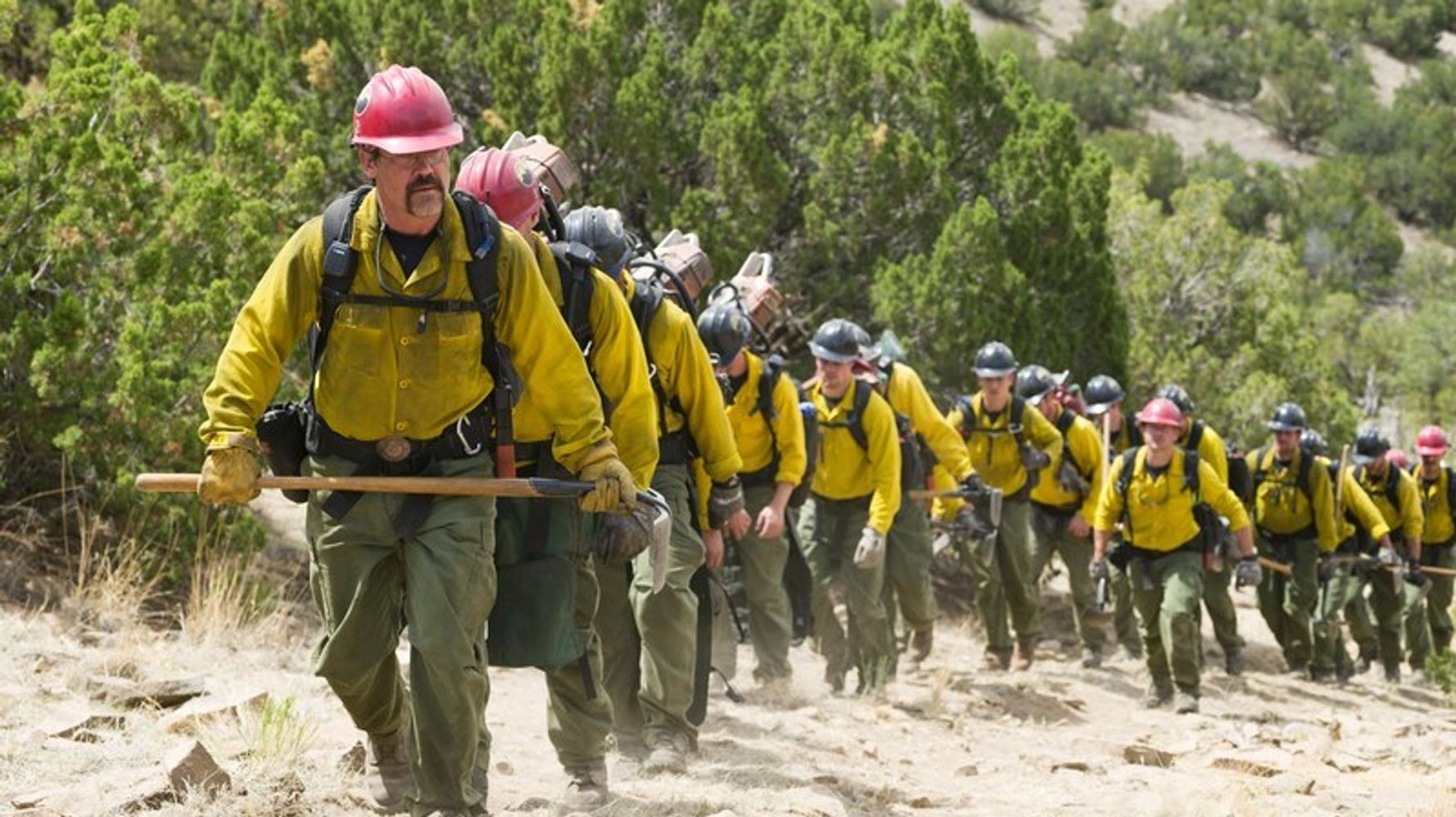
The premier Arizona firefighter movie is Only the Brave (2017), a biographical drama that chronicles the true story of the Granite Mountain Hotshots. Directed by Joseph Kosinski, the film details the crew's journey from local municipal firefighters in Prescott, Arizona, to an elite "Type 1" wildland firefighting unit, culminating in the tragic Yarnell Hill Fire of 2013.
The True Story Behind the Arizona Firefighter Movie
To understand the weight of the film Only the Brave, one must first understand the historical reality of the Granite Mountain Hotshots. Unlike most elite wildland firefighting crews, which are typically organized under federal agencies like the Forest Service or the Bureau of Land Management, the Granite Mountain Hotshots were a municipal crew. They were part of the Prescott Fire Department, making them the first of their kind to achieve "Hotshot" status.
The film meticulously traces the leadership of Eric Marsh (played by Josh Brolin), the crew's superintendent, who pushed his team to meet the rigorous standards required for Type 1 certification. This certification allowed them to work on the front lines of the most dangerous wildfires in the country, rather than performing secondary support roles. The narrative focuses on the camaraderie, the intense physical training, and the personal sacrifices made by the twenty men who formed the heart of the unit.
The climax of the movie—and the event that defined its legacy—occurred on June 30, 2013. During the Yarnell Hill Fire, a combination of extreme heat (reaching 101 °F), drought conditions, and a sudden wind shift caused by a nearby thunderstorm trapped the crew in a box canyon. Despite deploying their emergency fire shelters, 19 of the 20 members perished. It remains the deadliest wildfire for firefighters in the United States since the 1933 Griffith Park Fire and the greatest loss of American firefighters since the September 11 attacks.
Production and Artistic Direction
Director Joseph Kosinski, known for his visual precision in films like Tron: Legacy and later Top Gun: Maverick, approached the project with a commitment to realism. As of 2026, Only the Brave is still regarded as one of the most technically accurate depictions of wildland firefighting ever put to film.
Casting and Training
The production didn't just rely on famous faces; it required the actors to undergo a grueling "boot camp" to simulate the experience of a Hotshot.
- Josh Brolin (Eric Marsh): Brolin brought a weathered authority to the role, drawing on his own past experience as a volunteer firefighter in Southern California.
- Miles Teller (Brendan "Donut" McDonough): Teller portrayed the sole survivor of the Yarnell Hill Fire. The film focuses heavily on McDonough’s redemption arc—from a struggling addict to a dedicated father and firefighter.
- Jeff Bridges and Jennifer Connelly: These veteran actors added emotional depth, portraying the administrative and domestic pressures that coincide with a life on the fire line.
Filming Locations and Visuals
Although the movie is set in Prescott and Yarnell, Arizona, a significant portion of the filming actually took place in New Mexico, specifically around Santa Fe and Los Alamos. The geography of Northern New Mexico provided the necessary mountainous terrain and Ponderosa pine forests that mimic the Yavapai County landscape.
The production team used a combination of controlled burns and sophisticated CGI to recreate the "wall of fire" seen in the film’s climax. By using 6K resolution cameras, Kosinski captured the terrifying scale of the Arizona wildfires, emphasizing the "chimney effect" and the rapid rate of spread that occurs when fire moves up steep slopes.
Technical Accuracy vs. Cinematic Liberty
While Only the Brave is highly praised for its authenticity, like any biographical drama, it makes certain adjustments for narrative flow. In the years since its release, fire safety experts and surviving family members have analyzed the film's portrayal of the "Black" (the burnt-out area where it is safe to stand) and the specific movements of the crew during the Yarnell Hill incident.
| Feature | Movie Portrayal | Historical Reality |
|---|---|---|
| Certification Process | Depicted as a multi-year struggle against federal bureaucracy. | Accurate; the crew spent several years as a Type 2 crew before 2008. |
| Brendan McDonough's Role | Focuses on his vantage point as the lookout during the Yarnell Hill Fire. | Historically accurate; McDonough was moved to a safe zone before the entrapment. |
| The "Blue Ridge" Fire | A pivotal scene involving a backfire that saves a historic tree. | Based on the real "Doce Fire" (2013), where the crew saved a Juniper tree. |
| Final Communication | Some dialogue was dramatized for emotional impact. | Real-life radio logs show the crew was calm until the final moments. |
| The Deployment | The crew is shown deploying shelters in a desperate circle. | Forensic evidence from the site confirms the crew deployed in a tight group. |
The Impact on the Arizona Community
The release of the movie in 2017, and its continued presence on streaming platforms through 2026, has served as a perpetual memorial for the city of Prescott. The Yarnell Hill Fire didn't just take nineteen lives; it fundamentally altered the community’s identity.
The film sparked renewed interest in the Granite Mountain Hotshots Memorial State Park, which was dedicated in 2016. Visitors to the park can hike the same path the crew took, ending at the "fatality site" where 19 gabion baskets (stone-filled cages) mark where each man fell. The movie is often cited by park rangers as the primary reason for the high volume of out-of-state visitors seeking to pay their respects.
Furthermore, the "Arizona firefighter movie" helped raise significant funds for the Wildland Firefighter Foundation, an organization that provides assistance to the families of fallen firefighters. By humanizing the statistics, the film highlighted the "watch out" situations and the "10 Standard Firefighting Orders" that govern the profession, leading to better public understanding of the risks involved in wildfire management.
Cinematic and Technical Achievements
From a technical SEO and cinematic perspective, Only the Brave stands out due to its sound design and cinematography. Wildland fire is notoriously difficult to capture on film because the smoke often obscures the action.
- Soundscapes: The sound team used recordings of actual forest fires to create a "predatory" sound for the fire. The roar of a crown fire—often described by firefighters as sounding like a freight train—was a central element of the film’s auditory experience.
- Color Grading: The film uses a specific color palette that shifts from the vibrant greens and blues of the Prescott mountains to the oppressive oranges and grays of the fire line. This visual shorthand helps the audience track the escalating danger levels.
- The "Lookout" Perspective: By staying primarily with Brendan McDonough's perspective during the climax, the film avoids the "chaos" of many action movies, instead opting for a sense of dread as he watches the weather shift from a distance.
Frequently Asked Questions
Is the Arizona firefighter movie "Only the Brave" based on a true story?
Yes, the movie is based on the article "No Exit" by Sean Flynn, published in GQ magazine. It accurately reflects the formation of the Granite Mountain Hotshots and their deaths during the Yarnell Hill Fire in June 2013. While some personal subplots are condensed for time, the core events of the fire and the crew's history are factual.
Who survived the Yarnell Hill Fire in the movie?
Brendan "Donut" McDonough is the sole survivor. In both the movie and real life, he was serving as the "lookout" on a ridge while the rest of the crew was in the canyon. Because he was positioned further away and was picked up by another crew (Blue Ridge Hotshots) before the fire overran his position, he was spared from the entrapment.
Where was the movie filmed?
While the story is set in Prescott and Yarnell, Arizona, the film was largely shot in New Mexico. Key locations included Santa Fe, Los Alamos, and Pecos. This was done primarily due to tax incentives and the availability of similar terrain that could safely accommodate the controlled burns required for production.
Why did the Granite Mountain Hotshots leave the "Black"?
This is one of the most debated aspects of the real-life incident and the film. The crew left a previously burned, safe area ("the black") to move toward a new anchor point (the Boulder Springs Ranch). During this transition, the wind shifted 180 degrees, pushing the fire directly into their path and trapping them in a box canyon. The film depicts this decision as a tactical choice made by Eric Marsh to stay engaged with the fire.
How can I watch the Arizona firefighter movie in 2026?
As of 2026, Only the Brave is available on major digital platforms, including Amazon Prime Video, Apple TV, and Vudu. It is also frequently featured on streaming services like Netflix or Hulu depending on regional licensing agreements. Physical copies (4K Ultra HD and Blu-ray) remain in print for those seeking the highest technical quality.
Next Actions for Interested Viewers
If you have watched the movie and want to learn more or support the cause, consider the following steps:
- Visit the Memorial: If you are in Arizona, visit the Granite Mountain Hotshots Memorial State Park in Yarnell. It is a strenuous hike, so ensure you have proper gear and water.
- Read the Source Material: Brendan McDonough’s memoir, My Lost Brothers, provides a deeply personal look at the events beyond what could be captured in a two-hour film.
- Support Firefighter Charities: Consider donating to the Wildland Firefighter Foundation or the Eric Marsh Foundation for Wildland Firefighters, which specifically supports the families of those lost in the line of duty.
- Educate on Fire Safety: Use the movie as a jumping-off point to understand "Firewise" principles for homeowners living in the Wildland-Urban Interface (WUI), especially in arid climates like Arizona.