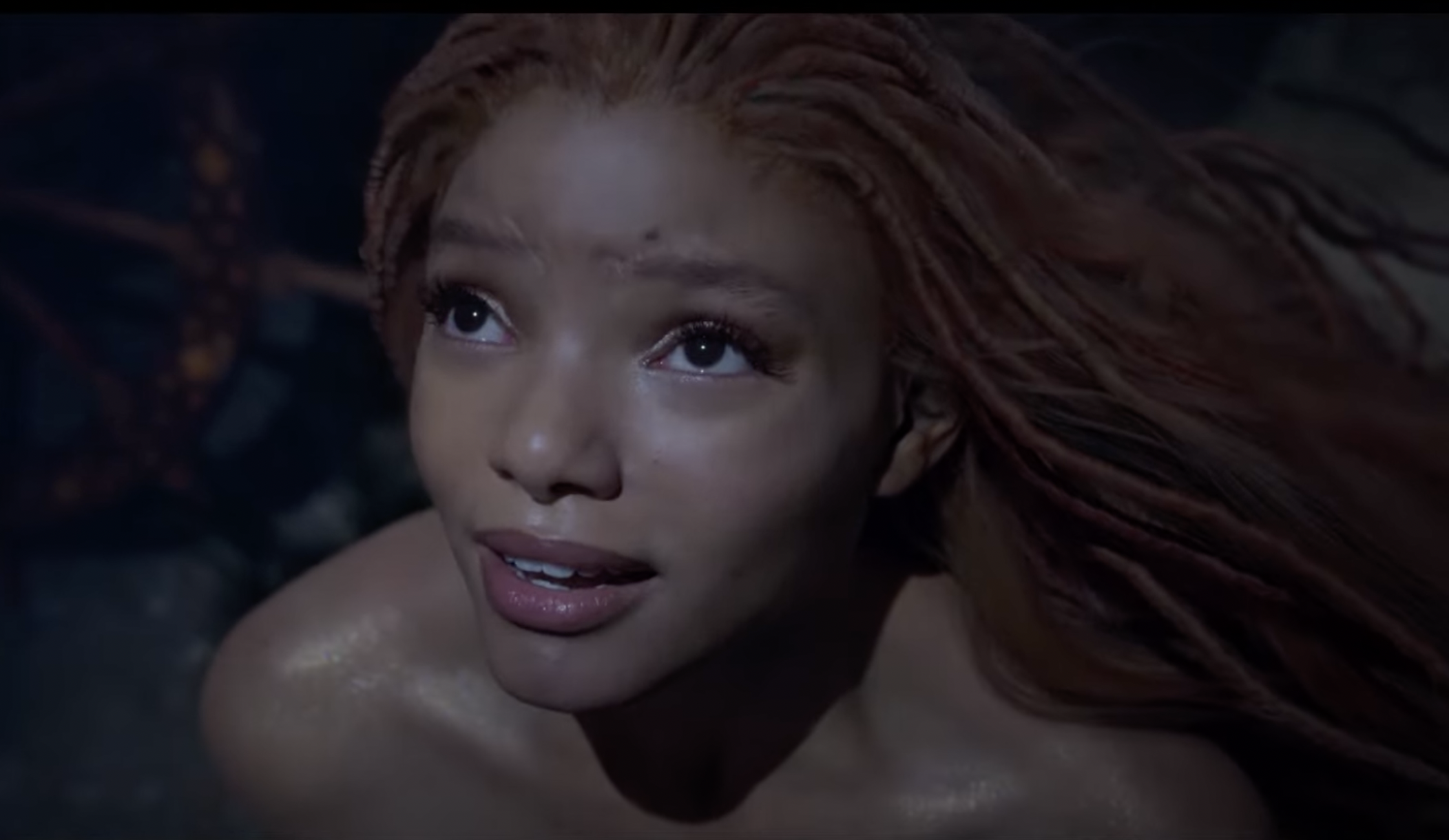
The controversy surrounding the casting of Halle Bailey as Ariel in Disney’s live-action "The Little Mermaid" (2023) primarily centered on the decision to cast a Black actress in a role traditionally depicted as white and red-haired. While praised for her vocal talent, the choice sparked intense online debate regarding racial representation, creative license, and the fidelity of modern adaptations to their source material.
The Origin of the Controversy: Casting Halle Bailey
In July 2019, Disney announced that Halle Bailey, one-half of the R&B duo Chloe x Halle, had been cast as the lead in the live-action reimagining of The Little Mermaid. Director Rob Marshall stated that after an extensive search, it was clear that Bailey possessed the "rare combination of spirit, heart, youth, innocence, and substance—plus a glorious singing voice" required for the iconic role.
The announcement immediately polarized the internet. Supporters celebrated the move as a significant step for diversity in major Hollywood franchises, while detractors began using the hashtag #NotMyAriel to express their displeasure. This controversy was not merely a brief social media flare-up; it persisted through the film’s production, trailer releases, and its eventual 2023 theatrical debut. By 2026, looking back at this period, we can see it as a defining moment in the "culture wars" that characterized the early 2020s film industry.
The Rationale for Bailey’s Casting
Rob Marshall and the Disney casting team prioritized talent over physical resemblance to the 1989 animated character. Marshall emphasized that there was "no agenda" in the casting process other than finding the best performer to bring the character to life for a new generation. Bailey, a protégé of Beyoncé, brought a modern vocal sensibility to Alan Menken and Howard Ashman’s classic score, while also recording new songs written by Lin-Manuel Miranda.
The Roots of the Backlash: Nostalgia and Cultural Identity
The opposition to Bailey's casting was multifaceted, ranging from concerns about "childhood nostalgia" to more problematic arguments regarding "scientific accuracy" or "cultural heritage."
Nostalgia and Visual Fidelity
For many who grew up with the 1989 animated classic, the image of Ariel—fair skin, blue eyes, and bright red hair—was inseparable from the character. Some fans argued that "live-action" remakes should prioritize visual accuracy to the original animation. They felt that changing the race of the character was an unnecessary alteration that alienated the original fan base.
The "Scientific Accuracy" Argument
A peculiar segment of the controversy involved internet users attempting to apply biological principles to a mythical creature. Arguments were made that because mermaids live underwater where sunlight is scarce, they would naturally have pale skin to maximize vitamin D production. These arguments were widely dismissed by biologists and cultural critics alike, pointing out the absurdity of applying evolutionary biology to a fictional creature that breathes through lungs (or magic) and talks to a singing crab.
Racial Discourse and Online Toxicity
While some objections were framed through the lens of tradition, a significant portion of the backlash was overtly racist. Bailey became a target of coordinated online harassment. This led to a broader discussion about the "gatekeeping" of fantasy and the resistance to diversifying historically white-dominated spaces in media. Critics of the backlash pointed out that the original 1837 story by Hans Christian Andersen did not specify a race in the modern sense, and that the 1989 Disney version was itself a massive departure from the dark themes of the source text.
Support and Empowerment: The "Representation Matters" Movement
Countering the backlash was a powerful wave of support from fans, celebrities, and families. The hashtag #RepresentationMatters became the rallying cry for those defending Bailey.
Viral Reactions of Black Youth
One of the most significant cultural moments of the controversy occurred when the first teaser trailer was released. Parents began posting videos of their young Black daughters reacting to seeing a mermaid who looked like them. These videos went viral, illustrating the emotional impact of inclusive casting. For many children, seeing a Disney Princess with their skin tone and hair texture was a transformative experience that validated their place in the world of fantasy and heroism.
Endorsements from the Original Cast
Jodi Benson, the voice of Ariel in the 1989 original, was a vocal supporter of Bailey. Benson argued that the most important thing is "to tell the story," and that the spirit of the character transcends outward appearance. She emphasized that what makes Ariel special is her "heart and spirit," not her skin color. This endorsement served as a vital defense against the "fidelity to the original" argument, as the original creator of the role gave her blessing to the new direction.
Navigating the Digital Storm: Social Media and Review Bombing
The Ariel controversy highlighted the technical challenges studios face in the age of social media. The "The Little Mermaid" trailers were subjected to massive "dislike" campaigns on YouTube, and later, the film faced "review bombing" on platforms like IMDb and Rotten Tomatoes.
Platform Interventions
The intensity of the backlash forced major review aggregators to adjust their algorithms. IMDb, for instance, had to issue a notice on the film's page stating that their rating system had detected unusual voting activity and had applied an alternate weighting system to preserve the reliability of the score. This technical response became a standard operating procedure for films caught in similar cultural controversies between 2023 and 2026.
Marketing Strategy Adjustments
Disney’s marketing team leaned into the controversy by highlighting Bailey's vocal prowess in every promotional clip. By focusing on the undeniable quality of her performance, the studio aimed to shift the conversation from racial politics to artistic merit. This "talent-first" marketing strategy eventually became the blueprint for other live-action adaptations facing similar scrutiny.
Comparing the 1989 Original with the 2023 Adaptation
To understand the scope of the changes and the reasons behind the casting decisions, it is useful to look at the primary differences between the two versions of the character.
| Feature | 1989 Animated Version | 2023 Live-Action Version |
|---|---|---|
| Ariel's Background | Homogenous underwater kingdom. | Multiculturally diverse kingdom (Seven Seas). |
| Primary Motivation | Romance with Prince Eric and curiosity about the human world. | Intellectual curiosity and a desire for freedom from paternal constraints. |
| Casting Choice | Voice: Jodi Benson (White) | Actress: Halle Bailey (Black) |
| Musical Style | Traditional Broadway/Musical Theater. | R&B-infused vocal arrangements with new compositions. |
| Character Design | Bright red hair, green tail, purple seashells. | Locs-styled red hair, iridescent scales, naturalistic undersea textures. |
| Ending Resolution | Focus on the wedding and father's blessing. | Focus on exploration and the union of two different cultures. |
Financial and Critical Outcome: The Verdict of 2023
By the time the film concluded its theatrical run and became a staple on Disney+ (which is where we stand now in 2026), the data showed that while the controversy may have impacted certain international markets, the film was a significant commercial success domestically.
- Box Office Performance: The film grossed over $560 million worldwide. While it performed exceptionally well in North America, it faced headwinds in some Asian markets, where the casting controversy was cited as a factor in lower-than-expected ticket sales.
- Critical Reception: Critics generally praised Halle Bailey's performance, with many calling her the "saving grace" of the film. Even critics who were lukewarm on the remake's visual effects or pacing largely agreed that her vocal performance was peerless.
- Audience Retention: The film became one of the most-watched titles on Disney+ in 2024, indicating that the controversy did not prevent the movie from finding a long-term audience.
Long-Term Impact on Disney’s Live-Action Strategy
Looking back from 2026, the Ariel controversy was a turning point for Disney. It solidified the company's commitment to "reimagining" its classics rather than simply copying them.
Diversification of Other Franchises
Following The Little Mermaid, Disney continued to diversify its casting in other high-profile projects, such as the live-action Snow White. The Ariel controversy provided a "stress test" for the studio’s PR and marketing departments, teaching them how to weather prolonged online backlash while maintaining brand integrity.
The Evolution of Fandom
The discourse surrounding Ariel contributed to a broader shift in how fandoms interact with intellectual property. It forced a conversation about the difference between "canon" and "adaptation." It also highlighted the growing divide between traditionalists and a younger, more diverse audience that demands to see itself reflected in global myths.
Common Mistakes in Discussing the Controversy
When analyzing this topic, it is easy to fall into certain traps. It is important to avoid the following:
- Overgeneralizing the Backlash: Not everyone who disliked the casting did so out of racial animus; some were genuinely attached to the visual aesthetics of their childhood. However, ignoring the racial component of the backlash would be a factual omission.
- Ignoring the Original Source: People often cite "The Little Mermaid" as a fixed story, forgetting that the 1989 Disney version was already a massive departure from Hans Christian Andersen’s 19th-century tragedy.
- Focusing Only on Social Media: Twitter and YouTube comments often represent a vocal minority. The film's box office numbers suggest that the "average" moviegoer was far less concerned with the casting than the internet discourse suggested.
FAQs About the Ariel Casting Controversy
Why did Disney choose Halle Bailey for the role of Ariel?
Disney and director Rob Marshall chose Halle Bailey because she possessed the specific vocal range and "ethereal" quality they wanted for a modern Ariel. They focused on her ability to convey the character's innocence and longing through song, which they felt was more important than matching the physical appearance of the animated 1989 character.
How did the original voice of Ariel, Jodi Benson, respond to the controversy?
Jodi Benson was extremely supportive of Halle Bailey. She stated that the "spirit" of the character is what matters most and that Disney needed to modernize its stories to reflect the world we live in today. She attended the premiere and frequently praised Bailey's performance in interviews.
Did the controversy affect the movie's box office performance?
Yes, but in complex ways. In North America, the film was a major hit, buoyed by strong support from diverse audiences. Internationally, particularly in China and South Korea, the film underperformed, which some analysts attributed to the backlash and different cultural perceptions of the casting choice.
Was the red hair kept for the live-action Ariel?
Yes, the filmmakers kept Ariel's signature red hair, but they adapted it to suit Halle Bailey's natural hair. She wore locs that were tinted with various shades of red and orange to create a look that was both a nod to the original and a unique interpretation for the new version.
What was the #NotMyAriel movement?
#NotMyAriel was a social media hashtag used by those who opposed the casting of a Black actress as Ariel. It was used to share memes, complaints about "forced diversity," and demands that Disney recast the role with a white actress who looked like the 1989 version.
Practical Perspective: How to Evaluate Media Representation
In 2026, as we continue to see more diverse casting in major franchises, the Ariel controversy serves as a case study in how to approach media criticism. When evaluating a casting choice that deviates from tradition, consider the following:
- Focus on Performance: Is the actor capable of delivering the emotional and technical requirements of the role? In Bailey's case, her vocal performance was the primary defense against criticism.
- Understand the Nature of Adaptation: No adaptation is a carbon copy. Every generation interprets stories differently. Ariel is a mythical creature, and myths are meant to be reshaped to fit the needs of the culture currently telling them.
- Recognize the Impact of Representation: For many viewers, seeing themselves on screen is more than just "politics"—it is a form of validation that has measurable psychological benefits for children and marginalized communities.